


Primary sourceDocument3 March 1843
US Statutes at Large, Vol. 5, Chapter 84 (1842)
United States Congress · 3 March 1843
An Act of Congress appropriating $30,000 to test Samuel F. B. Morse's electro-magnetic telegraph system.
This Act of Congress funded and named Morse's telegraph system, making him the government-recognized inventor and superintendent.
About this source
What it is
This is an official Act of the United States Congress, dated March 1843, printed in the Statutes at Large. It authorized $30,000 to build and test a line of electro-magnetic telegraphs invented by Samuel F. B. Morse, under his own superintendence, using funds controlled by the Secretary of the Treasury.
Why it matters
This law marks the moment the U.S. government decided to back Morse's invention with public money, allowing him to prove the telegraph's practicality on a real line between chosen points. It shows how new technology moved from a private idea to a government-funded project, and how closely Morse's name became tied to the system in official records.
Look closer
- Why might Congress have wanted to "test the practicability" of the telegraph before fully adopting it?
- What does it mean that the money could only be spent "upon the application of said Morse"?
- What does this document not tell us about how the telegraph actually worked or was built?
This document is part of the curated material that grounds the AI version of Samuel Morse on Humy.ai — when students ask about related events, the AI can quote it and cite it.
More Samuel Morse sources
Meet the AI Samuel Morse → Document
Primary source
Paper Tape of 'What Hath God Wrought'
Samuel F. B. Morse · 24 May 1844
 Artifact
Primary source
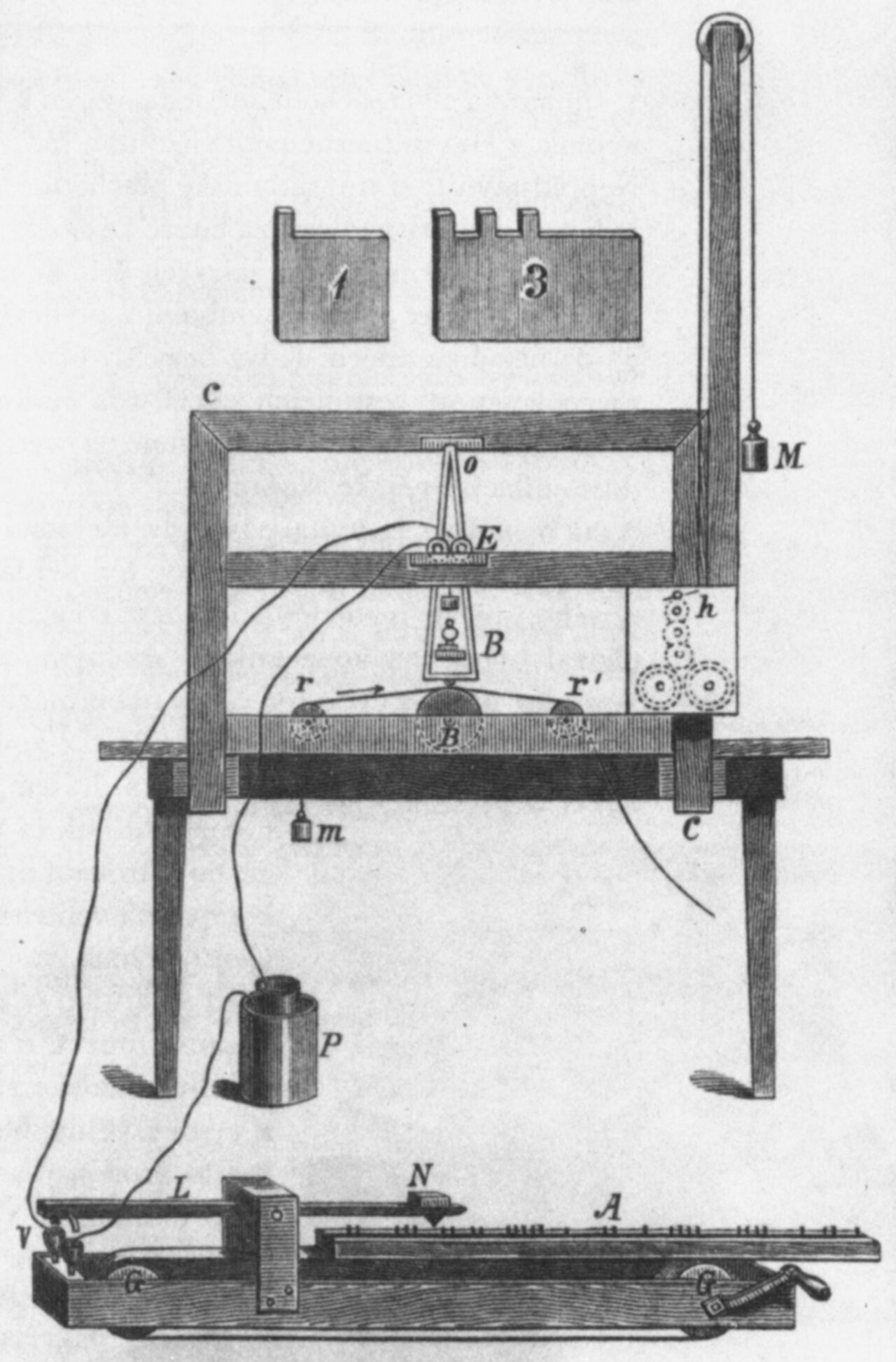
Morse's Original Telegraph
Samuel F. B. Morse
 Painting
Primary source
Gallery of the Louvre
Samuel Finley Breese Morse · 1833
 Painting
Primary source
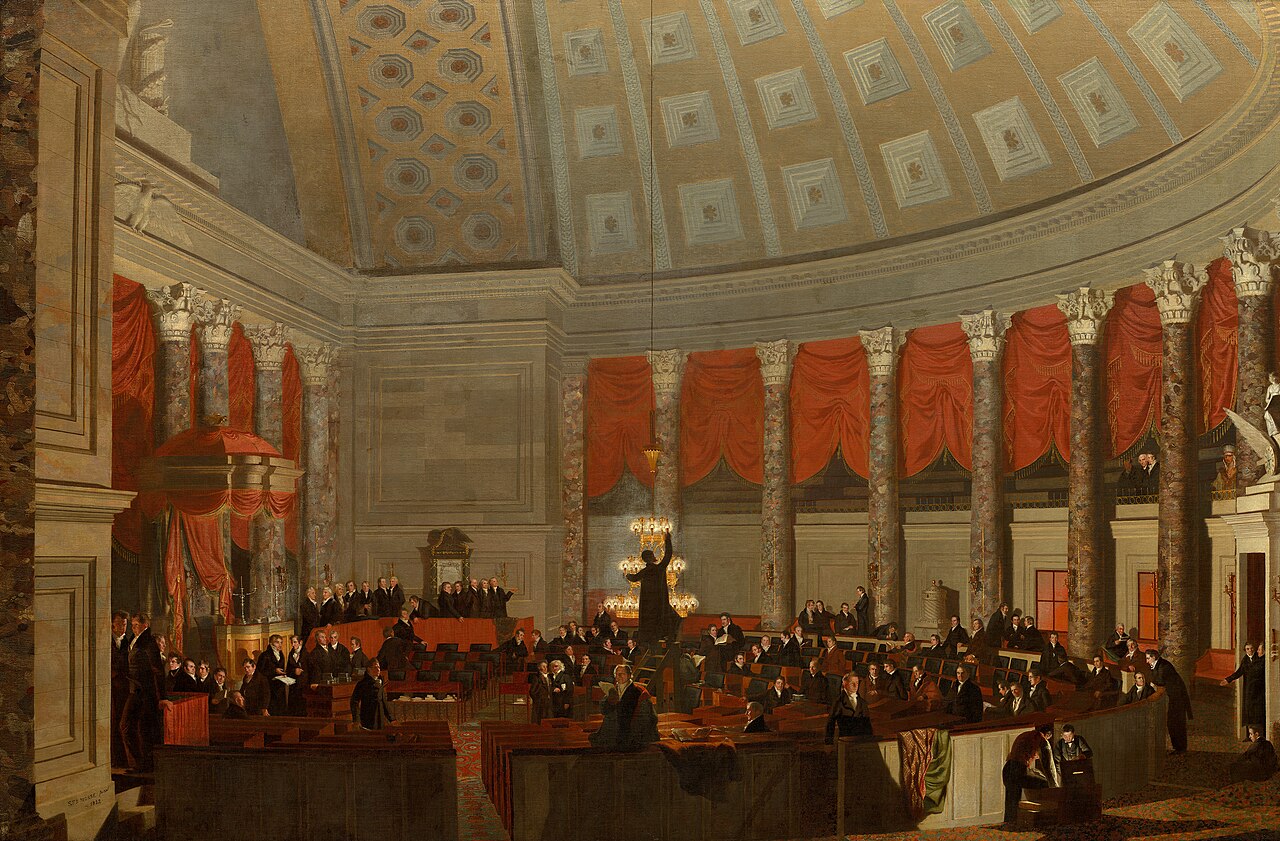
The House of Representatives
Samuel Finley Breese Morse · 1822
 Photograph
Secondary source
Portrait Photograph of Samuel Morse
Unidentified photographer · c. 1840-1850
Ready when you are
Start chatting with Samuel Morse now.
20 messages free · No credit card · Available in 50+ languages.