


Primary sourceArtifact1475-1476
Uzun Hasan Inscription, Jameh Mosque of Isfahan
1475-1476
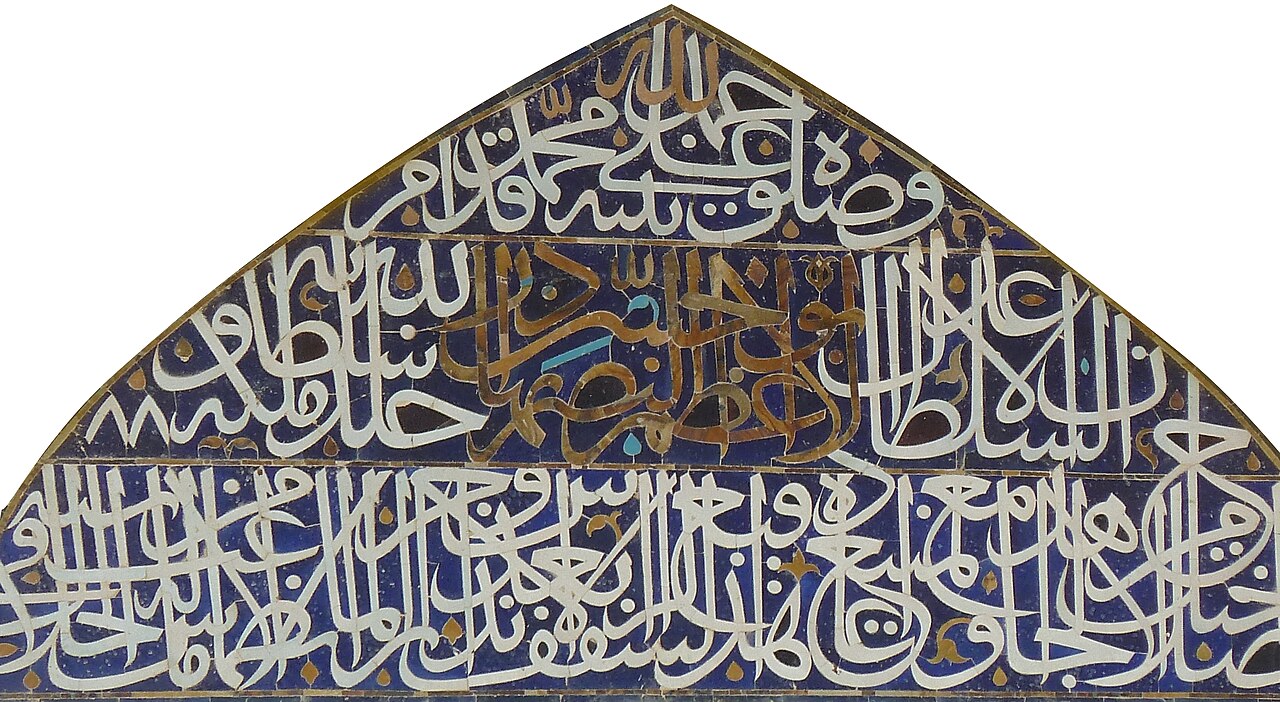
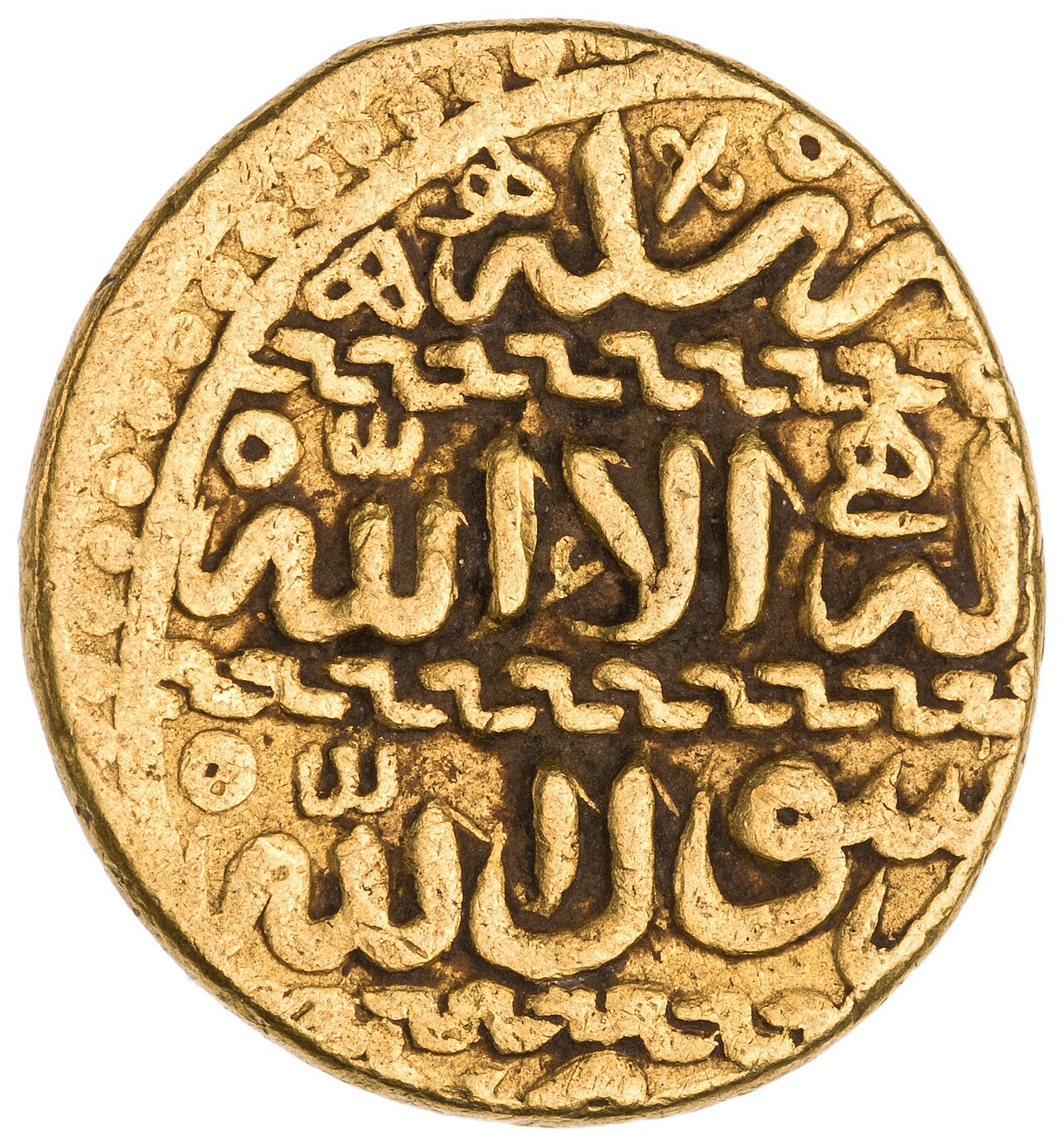
A dated 1475-1476 tile inscription in the courtyard of Isfahan's great mosque, recording repairs ordered by Uzun Hasan.
Commissioned by Uzun Hasan, this inscription proclaims his titles and his restoration of the mosque in conquered Isfahan.
About this source
What it is
This is a tiled inscription panel on the south iwan of the Jameh Mosque in Isfahan, dated 1475-76. It records repairs to the mosque's ceiling carried out under the order of Uzun Hasan, called in the text "the most lawful and most exalted sultan." The inscription still exists today as part of the mosque's decoration.
Why it matters
The text shows Uzun Hasan acting as a patron and restorer of a major religious building in a city he had conquered. By repairing the mosque and recording his titles in stone and tile, he presented himself as a legitimate and pious ruler over his new Persian territory, not just a conqueror.
Look closer
- What words does the inscription use to describe Uzun Hasan, and why might those words matter to a new ruler?
- Why would a conqueror want to repair and publicly inscribe his name on an existing religious building rather than build something new?
- What does the choice of materials (gold, blue tile) suggest about how important this message was meant to look?
This artifact is part of the curated material that grounds the AI version of Uzun Hasan on Humy.ai — when students ask about related events, the AI can quote it and cite it.
More Uzun Hasan sources
Browse all 66 →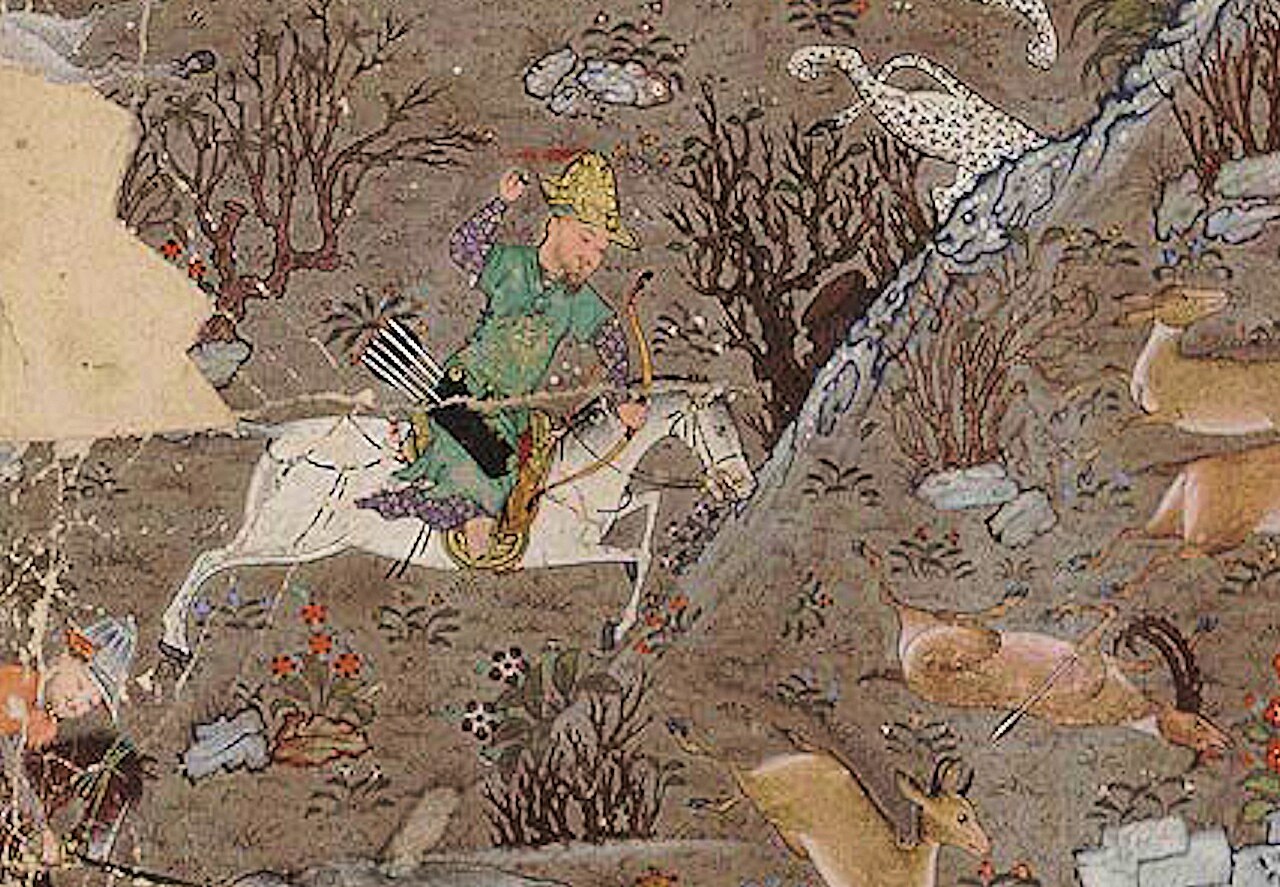 Painting
Primary source
Hunting Sultan Uzun Hasan Diptych
Unknown Tabriz court artist · 1467-1473
 Letter
Primary source
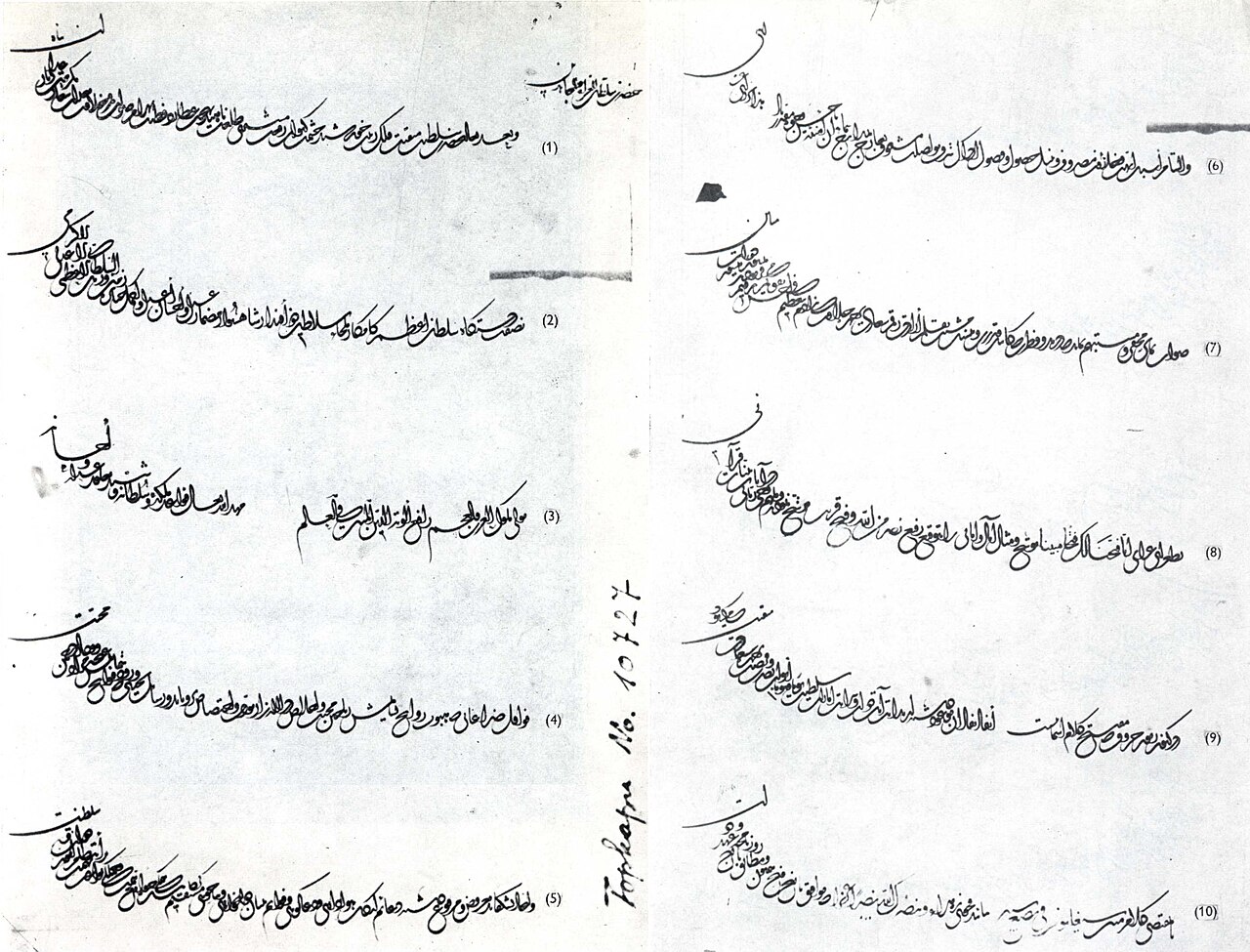
Fath-namah of Uzun Hasan to the Ottoman Sultan
Uzun Hasan · March 1469
 Document
Primary source
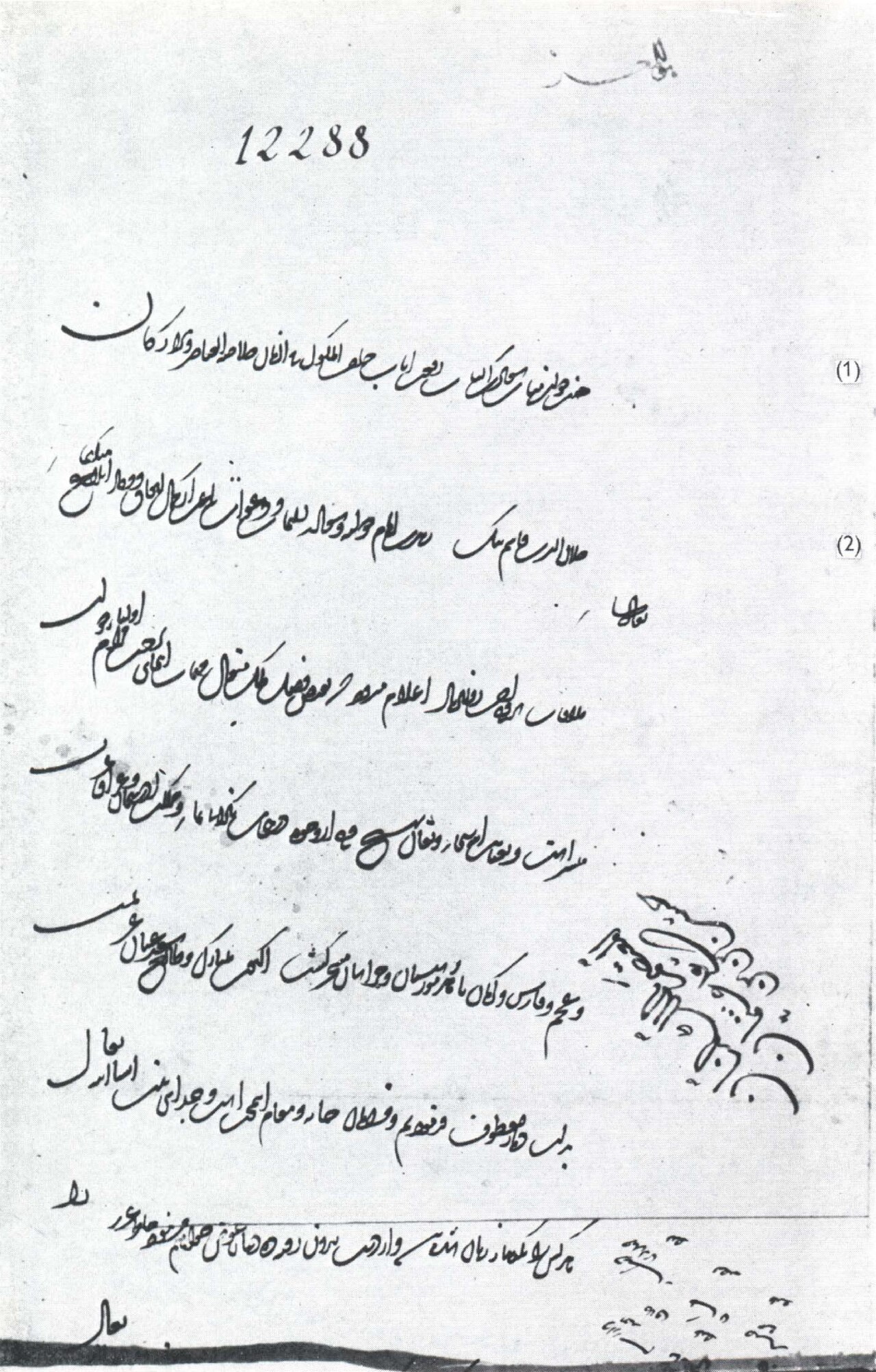
Farman of Uzun Hasan to 'Alayi Bayg
Uzun Hasan · 21 February 1471
 Letter
Primary source
Letter of Uzun Hasan to Jalal al-Din Qasim Bayg
Uzun Hasan · 1471
Free account
Read every Uzun Hasan source
Sign up free →
Ready when you are
Start chatting with Uzun Hasan now.
20 messages free · No credit card · Available in 50+ languages.