


Primary sourceSculpture672–675
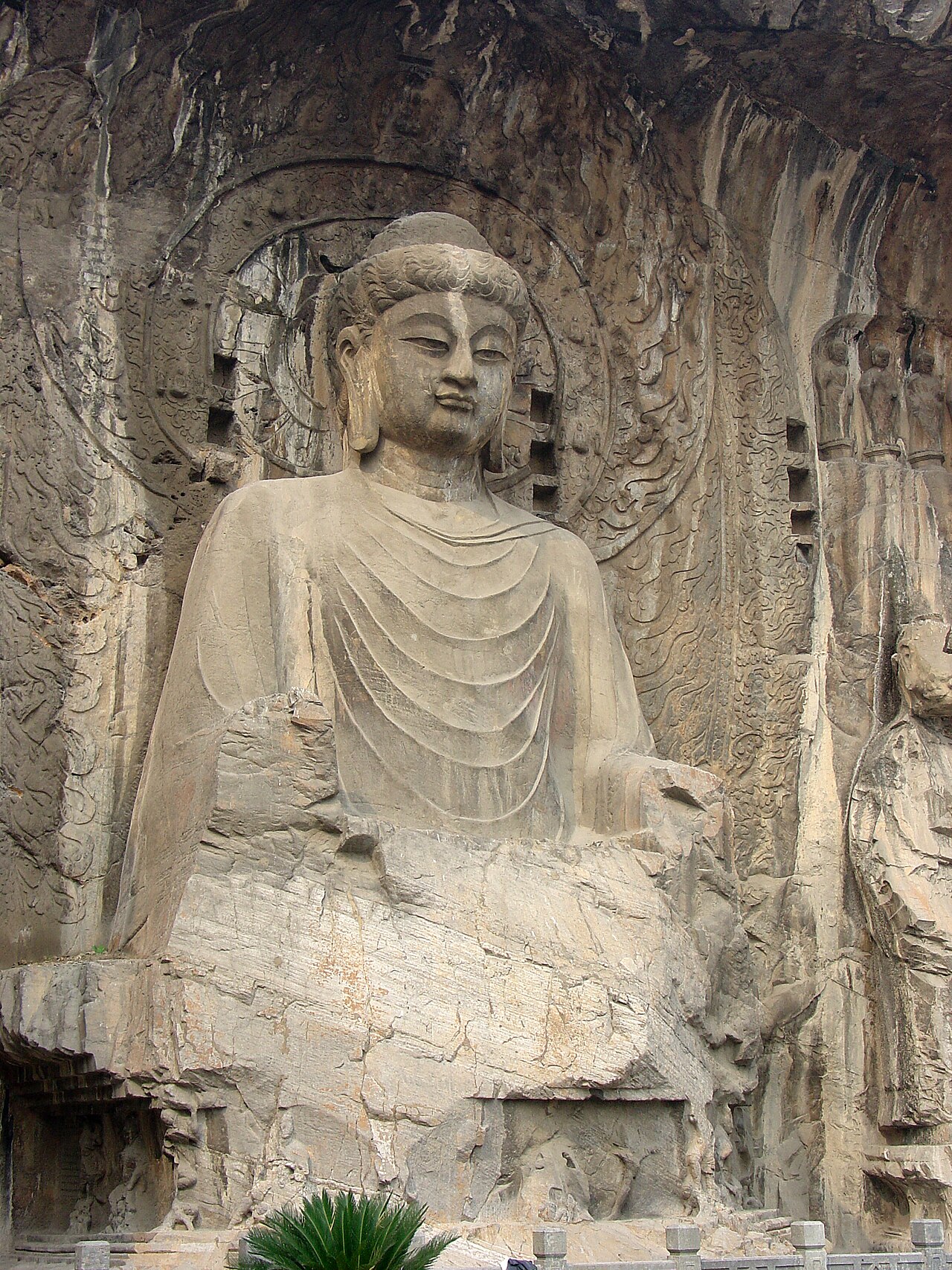
Vairocana Buddha, Fengxian Temple, Longmen Grottoes
Tang imperial sculptors · 672–675
A colossal Buddha carved at the Longmen Grottoes, partly funded by Wu Zetian and said to resemble her own face.
Wu Zetian helped fund this statue, said to be modeled on her own face, showcasing her Buddhist patronage.
Free Humy account · No credit card · 124,282 sources to read
About this source
What it is
This huge stone Buddha was carved between 672 and 675 by Tang imperial sculptors at the Fengxian Temple in the Longmen Grottoes, near Luoyang. The monk Shandao oversaw the project, which Empress Wu Zetian helped fund.
Why it matters
Wu Zetian is said to have contributed money from her own cosmetics allowance to help pay for the statue, and tradition holds that the Buddha's face was modeled on her own. This connects her political power with religious patronage: by supporting grand Buddhist projects, she built an image of herself as a generous and even sacred ruler.
Look closer
- Why might a ruler want a religious statue to resemble their own face?
- What does the scale of the carving tell us about the resources a ruler could command?
- What has changed about the statue since it was carved, based on signs of restoration?
This sculpture is part of the curated material that grounds the AI version of Wu Zetian on Humy.ai — when students ask about related events, the AI can quote it and cite it.
More Wu Zetian sources
Browse all 32 →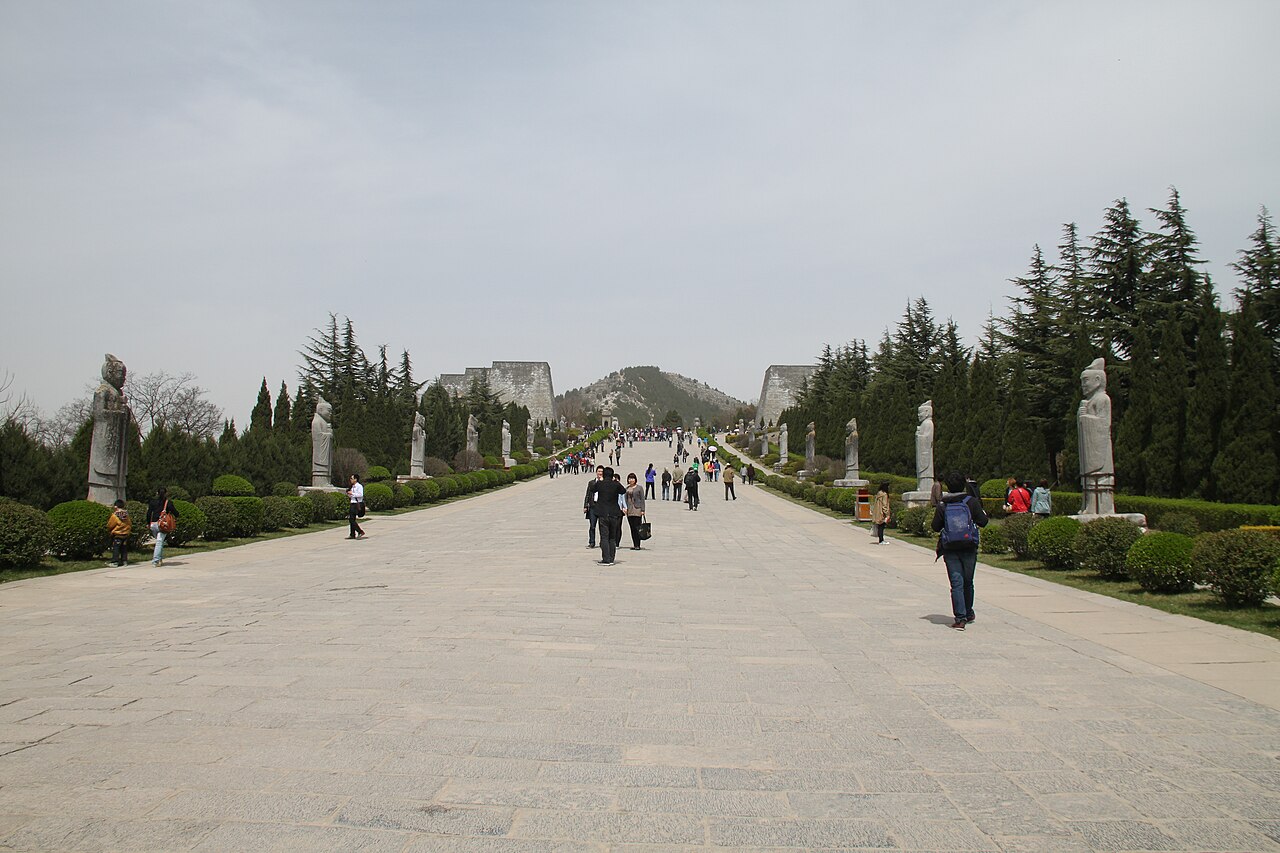 Artifact
Primary source
Qianling Mausoleum
Tang imperial workshops under Wu Zetian · 683–706
 Book
Secondary source
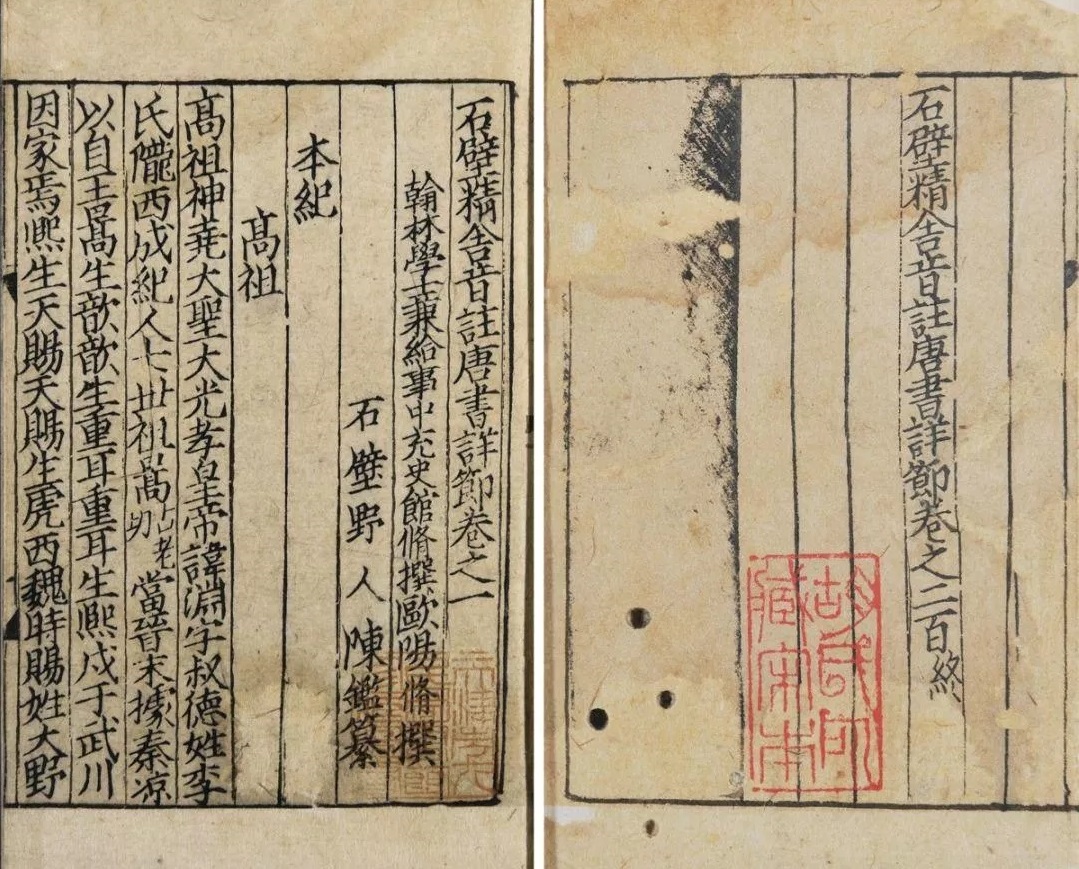
New Book of Tang
Ouyang Xiu and Song Qi · 1060
 Book
Secondary source
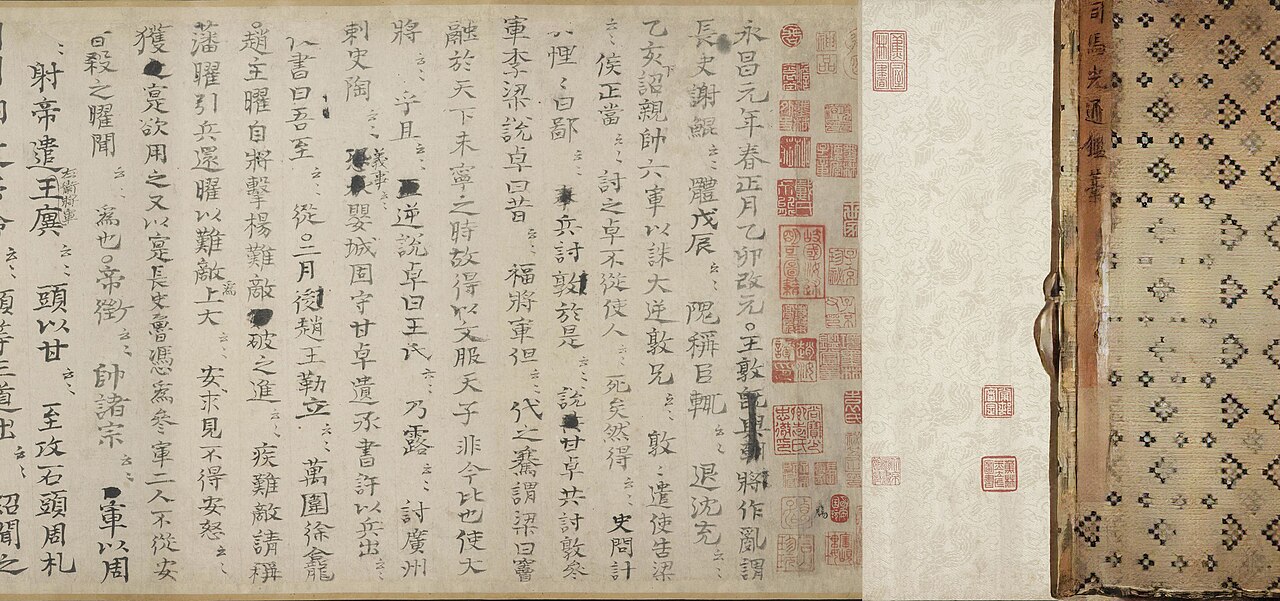
Zizhi Tongjian
Sima Guang · 1084
 Document
Primary source
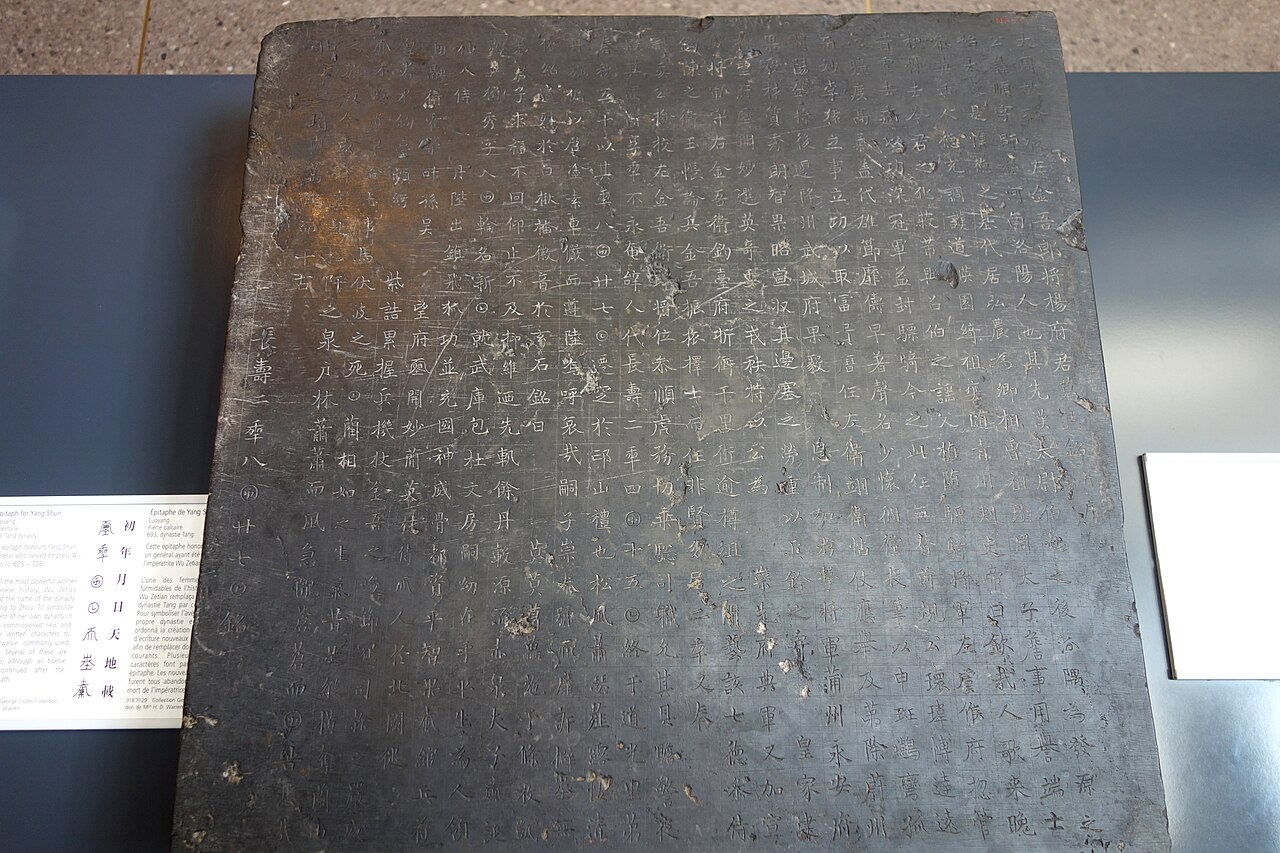
Epitaph for Yang Shun
693 AD
Free account
Read every Wu Zetian source
Sign up free →
Ready when you are
Start chatting with Wu Zetian now.
20 messages free · No credit card · Available in 50+ languages.