


Primary sourceBook1881
Valmikipratibha
Rabindranath Tagore · 1881
Tagore's 1881 Bengali musical drama, which he wrote and performed in himself, blending Indian and Western musical styles.
Tagore wrote this opera and performed the lead role of Valmiki himself.
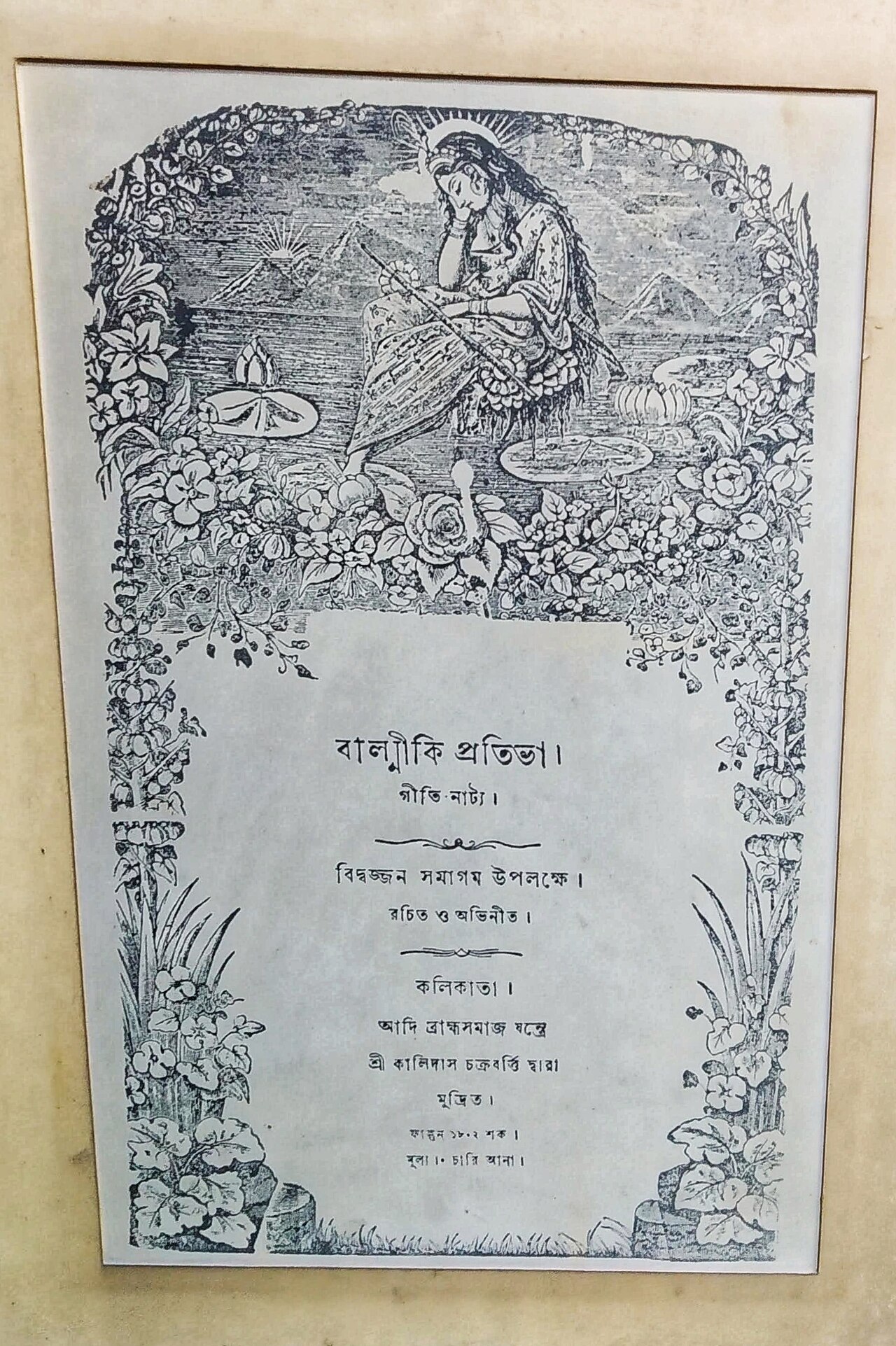
About this source
What it is
This is Valmikipratibha, a Bengali opera written by Rabindranath Tagore in 1881, based on the legend of the robber Ratnakara who became the sage Valmiki. Tagore himself played Valmiki when it was first performed at Jorasanko Thakur Bari in 1881, with his niece Pratibha Devi as the goddess Saraswati.
Why it matters
Composed when Tagore was young, the opera mixes classical, folk, and European musical strains, reflecting influences he picked up partly from music he heard in England. It shows his early experiments combining performance, music, and storytelling, and was staged before leading literary figures of his time.
Look closer
- What does the story of a robber becoming a poet suggest about transformation and redemption?
- Why might Tagore have chosen to perform the lead role himself?
- How might blending Indian and European music have been received by audiences at the time?
This book is part of the curated material that grounds the AI version of Rabindranath Tagore on Humy.ai — when students ask about related events, the AI can quote it and cite it.
More Rabindranath Tagore sources
Meet the AI Rabindranath Tagore →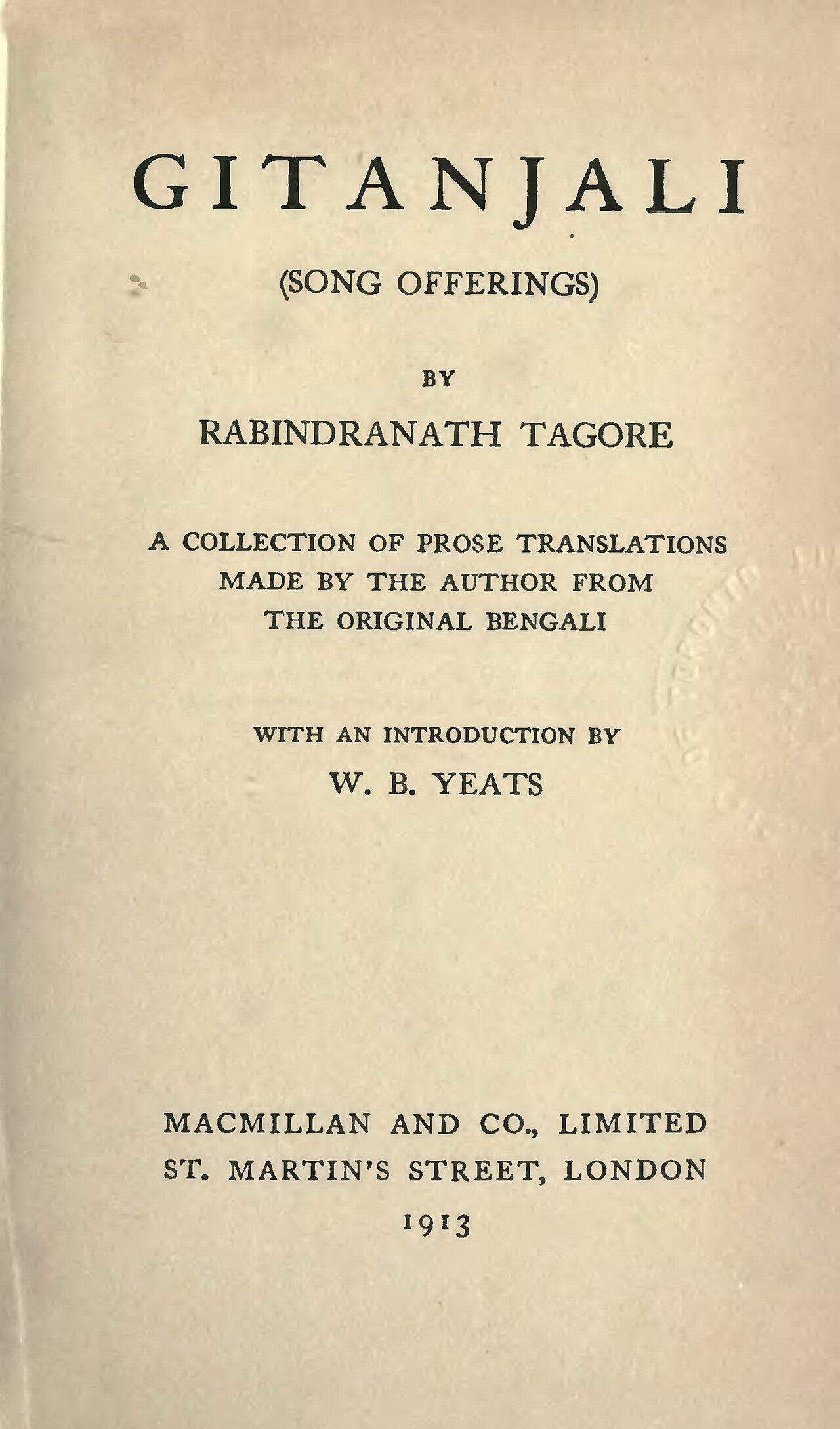 Book
Primary source
Song Offerings
Rabindranath Tagore · 1912
 Photograph
Primary source
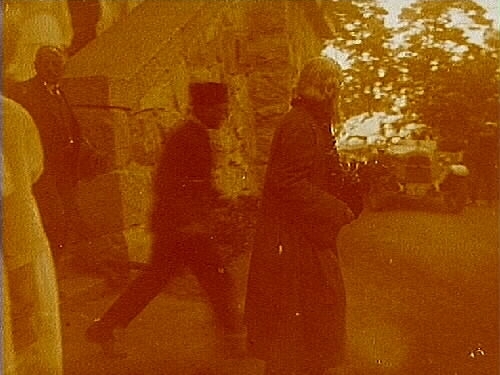
Tagore Leaves the Sigtuna Foundation
Bertil Waldén · May 1921
BookPrimary source
Gitanjali
Rabindranath Tagore · 1910
 Photograph
Primary source
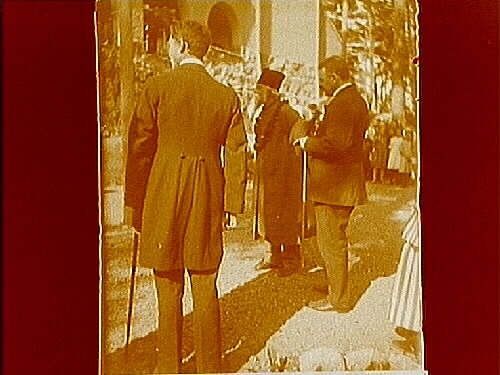
Tagore with K.B. Westman and M. Björkqvist
Bertil Waldén · May 1921
 Document
Primary source
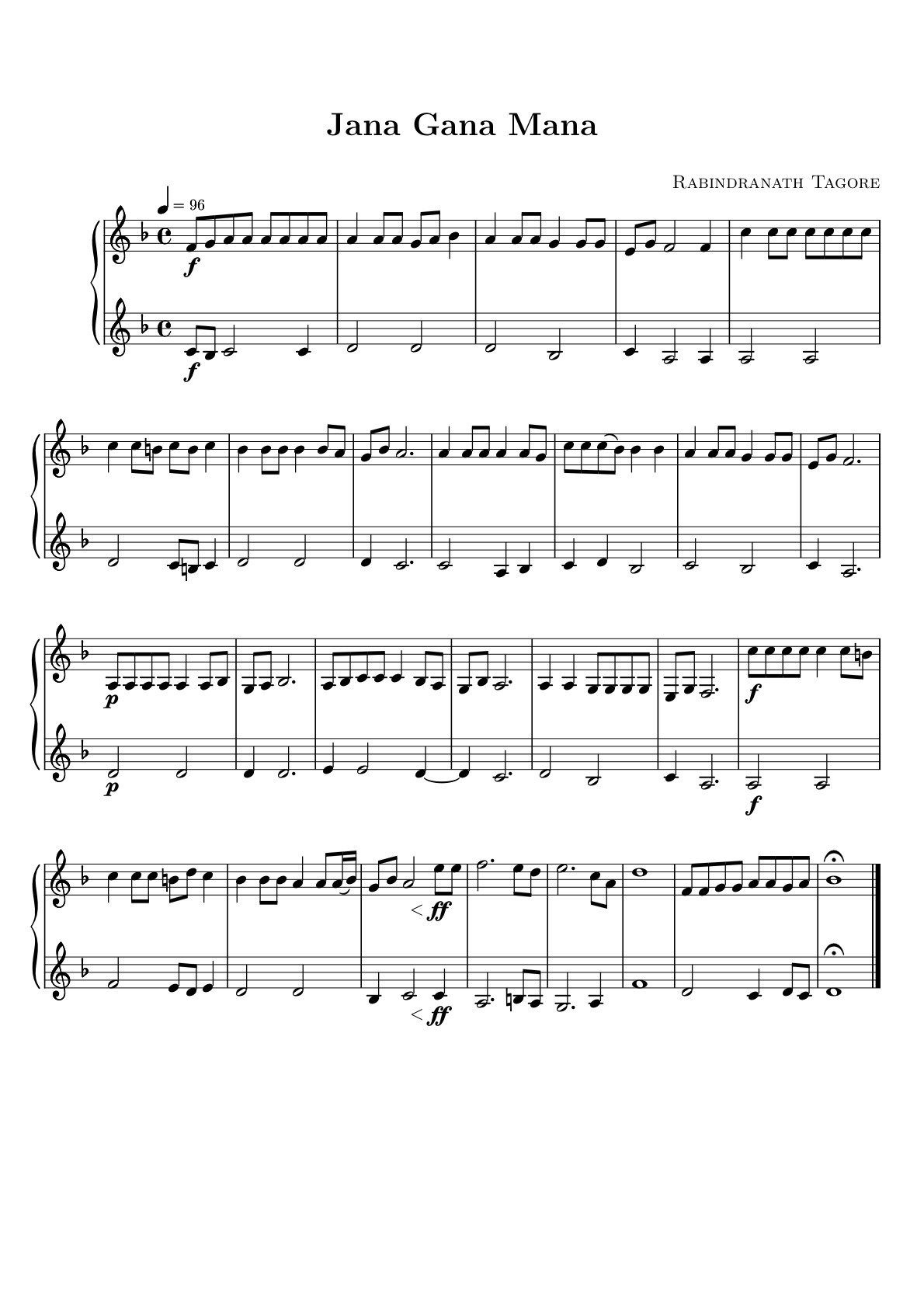
Jana Gana Mana
Rabindranath Tagore · 11 December 1911
Ready when you are
Start chatting with Rabindranath Tagore now.
20 messages free · No credit card · Available in 50+ languages.