


Primary sourceArtifact1575
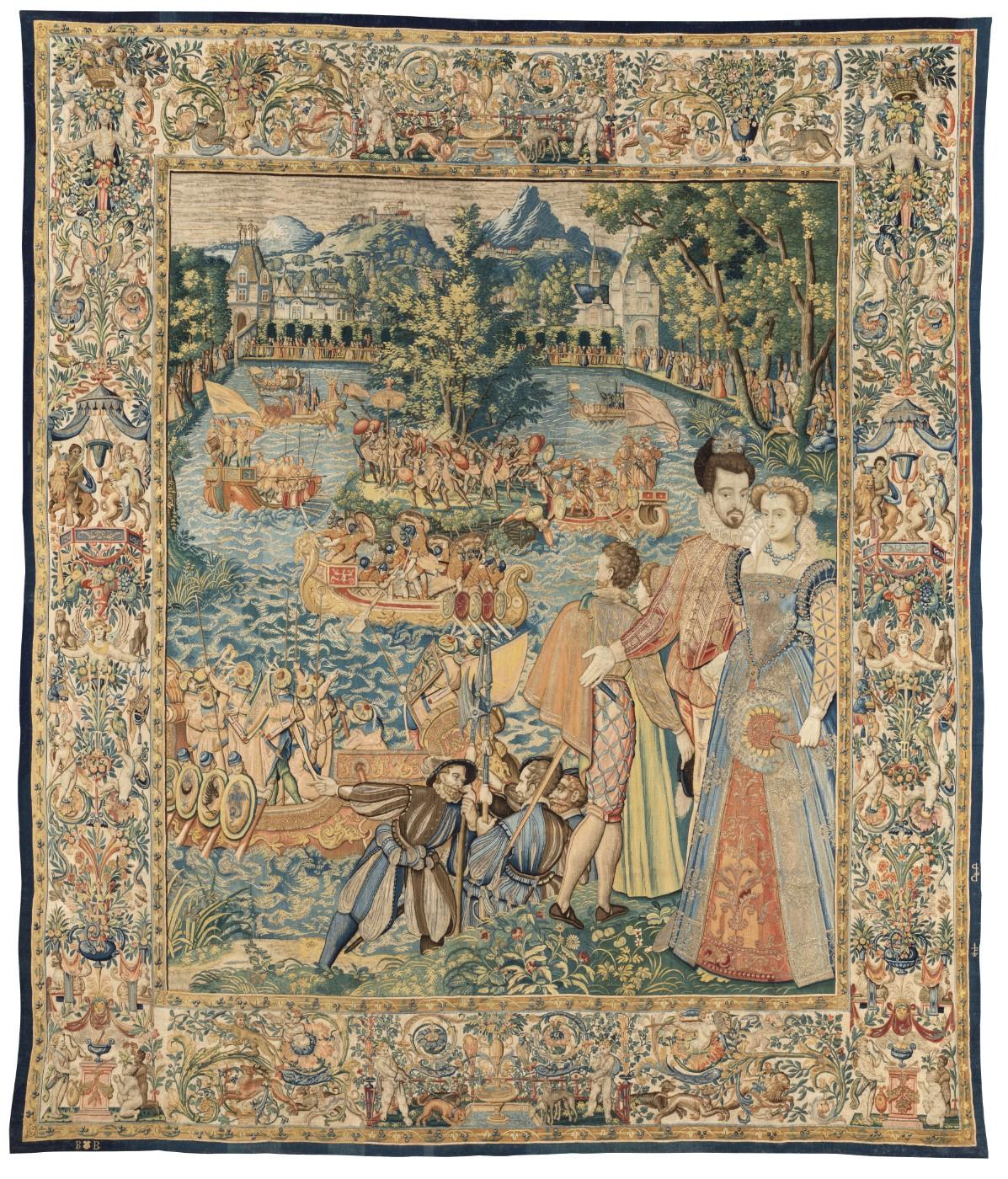
Valois Tapestries
Workshop after designs by Antoine Caron · 1575
A series of eight large tapestries depicting the lavish court festivals staged by Catherine de' Medici, who appears in them dressed in widow's black.
Catherine, shown in widow's black, likely commissioned these tapestries to celebrate the festivals she staged as political theatre.
Free Humy account · No credit card · 120,912 sources to read
About this source
What it is
The Valois Tapestries are eight large tapestries showing festivities, or "magnificences", held at the French royal court in the later 1500s. They were based on drawings by Antoine Caron, with portraits of leading courtiers added by another artist, possibly Lucas de Heere. They were woven in the Spanish Netherlands, likely Brussels or Antwerp, shortly after 1580. They are now in the Uffizi Gallery in Florence.
Why it matters
The tapestries record real events staged by Catherine de' Medici, who used extravagant festivals as political theatre to project the strength of a struggling Valois monarchy and to distract feuding nobles. Catherine appears in widow's black in nearly every scene, alongside figures such as Francis, Duke of Anjou, and her daughter Marguerite de Valois. They show how spectacle could be used as a tool of power.
Look closer
- Why might Catherine have wanted herself shown in the same dark clothing in almost every tapestry?
- What does the choice to depict lavish festivals, rather than wars or politics, tell you about how Catherine wanted her court to be seen?
- Who is missing from these scenes, and why might that be significant?
This artifact is part of the curated material that grounds the AI version of Catherine de' Medici on Humy.ai — when students ask about related events, the AI can quote it and cite it.
More Catherine de' Medici sources
Browse all 65 →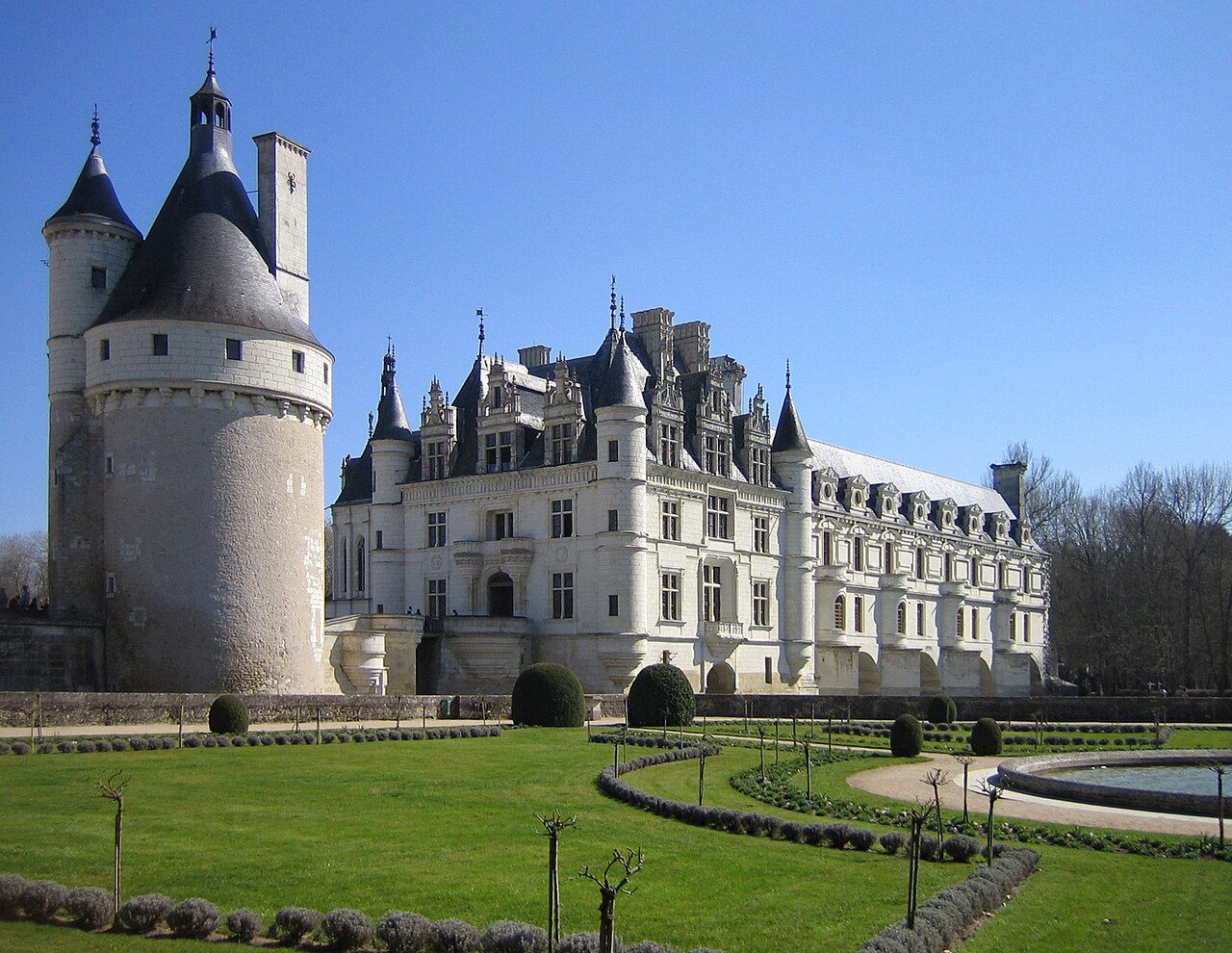 Artifact
Primary source
Château de Chenonceau
1411 (estate first mentioned); château built 1514-1522, gallery 1570-1576
 Painting
Primary source
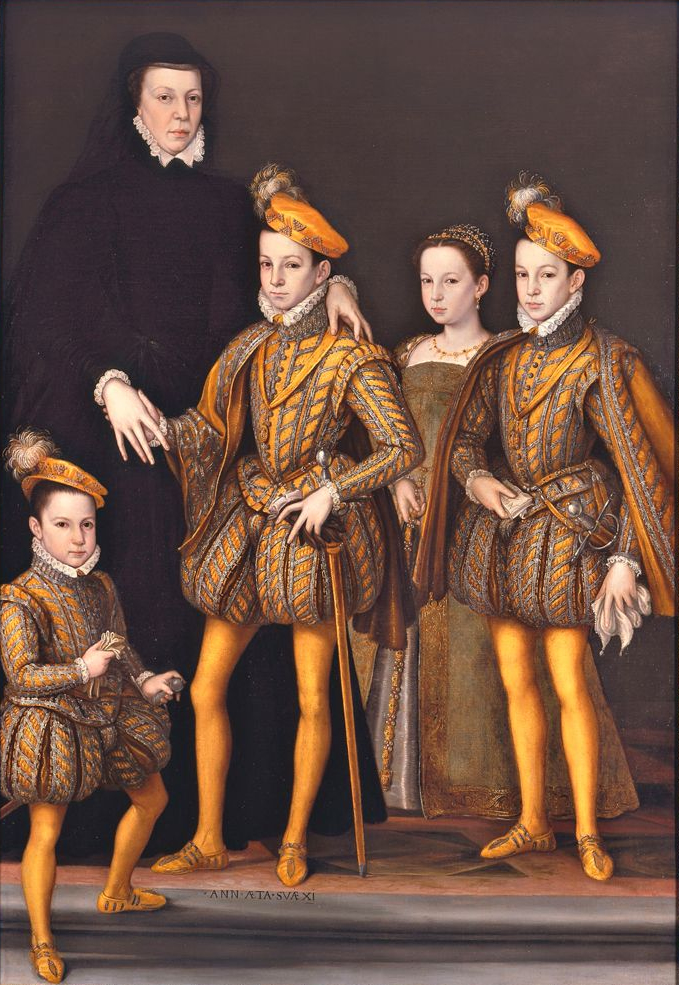
Catherine de' Medici and her children
Workshop of François Clouet · 1561
 Painting
Primary source
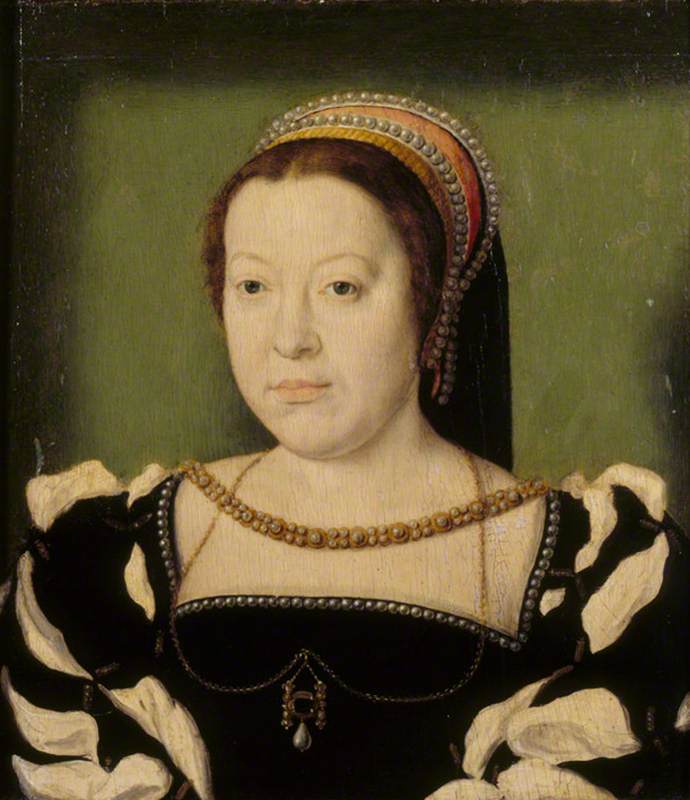
Catherine de Médicis
Corneille de Lyon · 1536
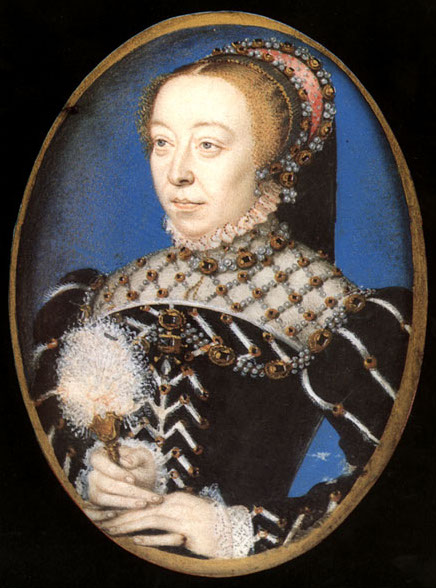 Painting
Primary source
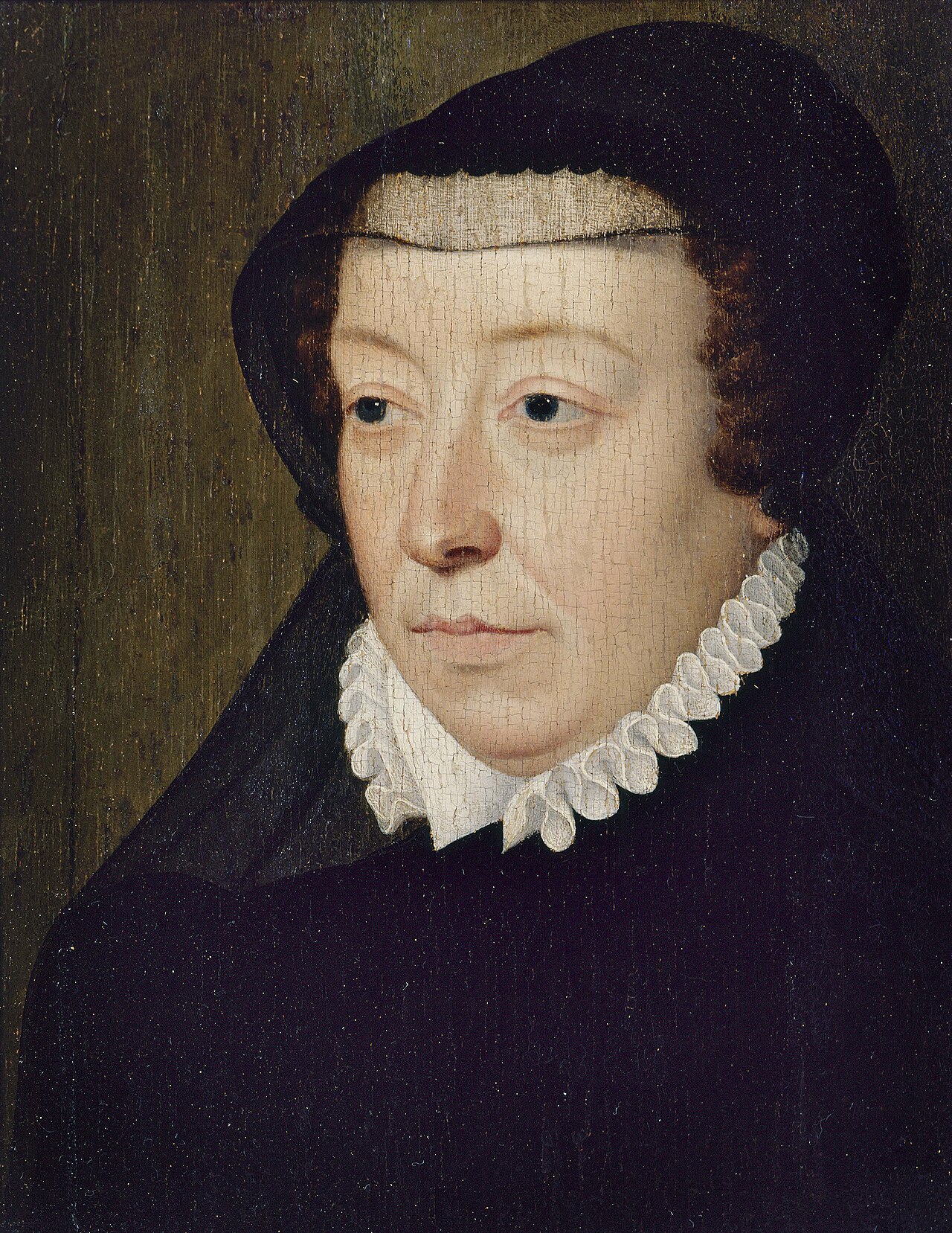
Portrait of Catherine de' Medici
François Clouet · 1555
Free account
Read every Catherine de' Medici source
Sign up free →
Ready when you are
Start chatting with Catherine de' Medici now.
20 messages free · No credit card · Available in 50+ languages.