


Primary sourcePainting1888
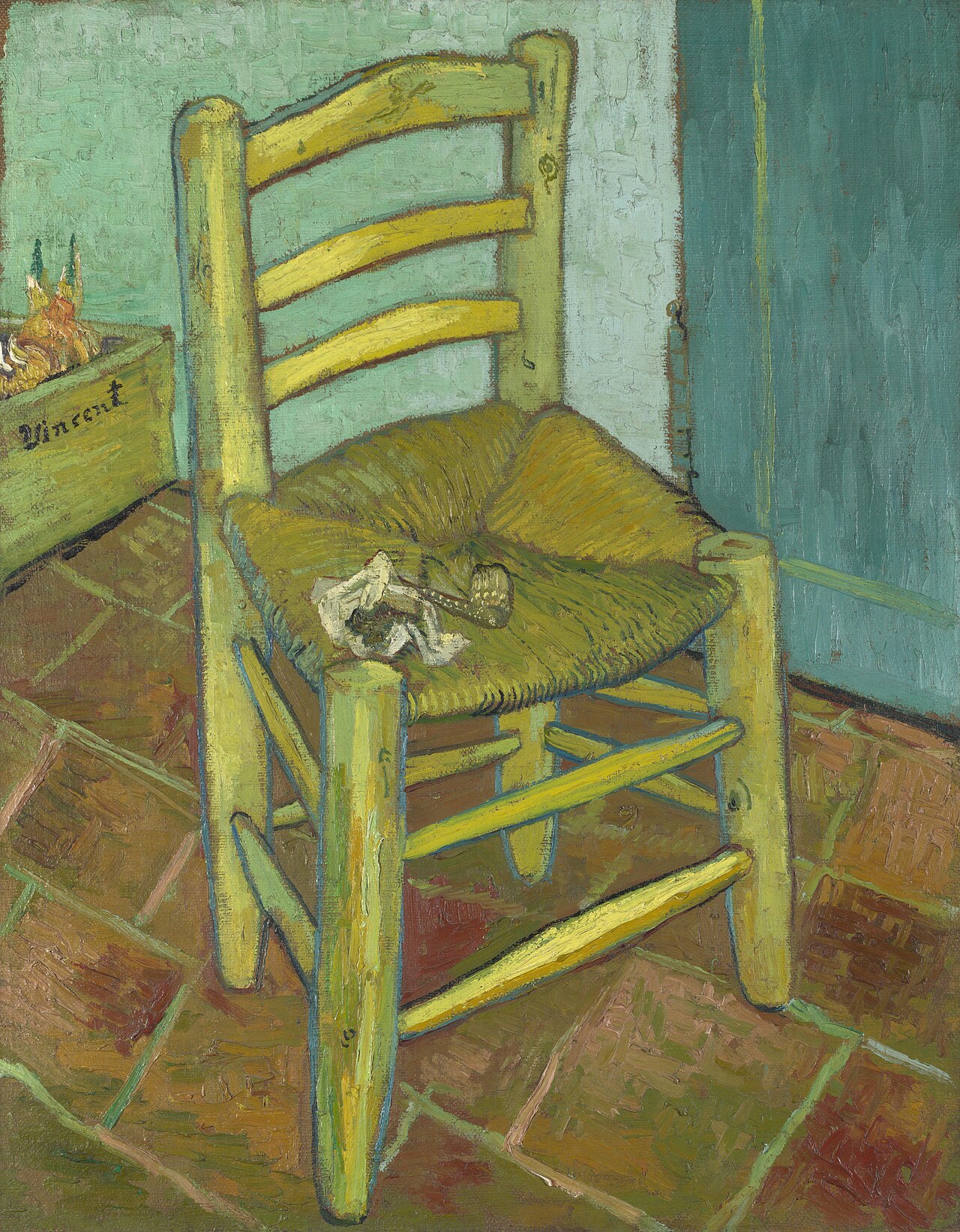
Van Gogh's Chair
Vincent van Gogh · 1888
A painting of van Gogh's own simple chair, pipe, and tobacco, made as a symbolic self-portrait paired with a painting of Gauguin's chair.
A symbolic self-portrait by van Gogh, using his own chair and pipe to stand in for himself.
About this source
What it is
Van Gogh's Chair is a painting made by Vincent van Gogh in 1888, showing a plain rush-seated wooden chair with his pipe and tobacco on a tiled floor, with a box marked 'Vincent' in the background. It is held by the National Gallery, London.
Why it matters
The painting was made as a pendant to Paul Gauguin's Armchair, painted during the two artists' intense and difficult time sharing the Yellow House. Van Gogh used blue and orange for his own chair, while Gauguin's is shown in red and green, a contrast later read as a comment on their different characters and tempestuous relationship. The idea may have been inspired by an illustration of Charles Dickens' empty chair published after his death.
Look closer
- Why might van Gogh choose a chair, rather than his own face, as a kind of self-portrait?
- What do the simple objects on the seat suggest about him?
- How does comparing this painting with Gauguin's chair change how you read it?
This painting is part of the curated material that grounds the AI version of Vincent van Gogh on Humy.ai — when students ask about related events, the AI can quote it and cite it.
More Vincent van Gogh sources
Meet the AI Vincent van Gogh →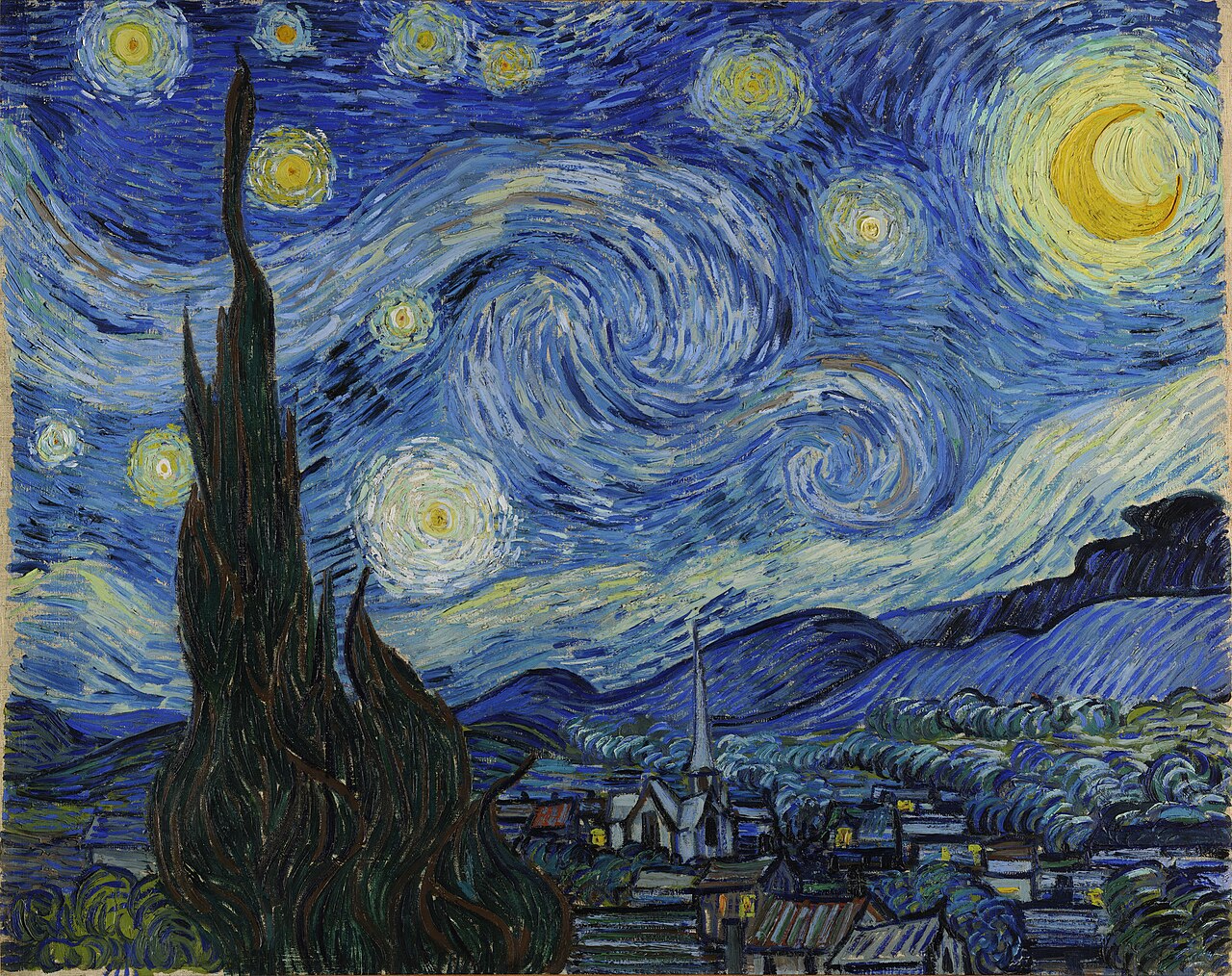 Painting
Primary source
The Starry Night
Vincent van Gogh · June 1889
 Painting
Primary source
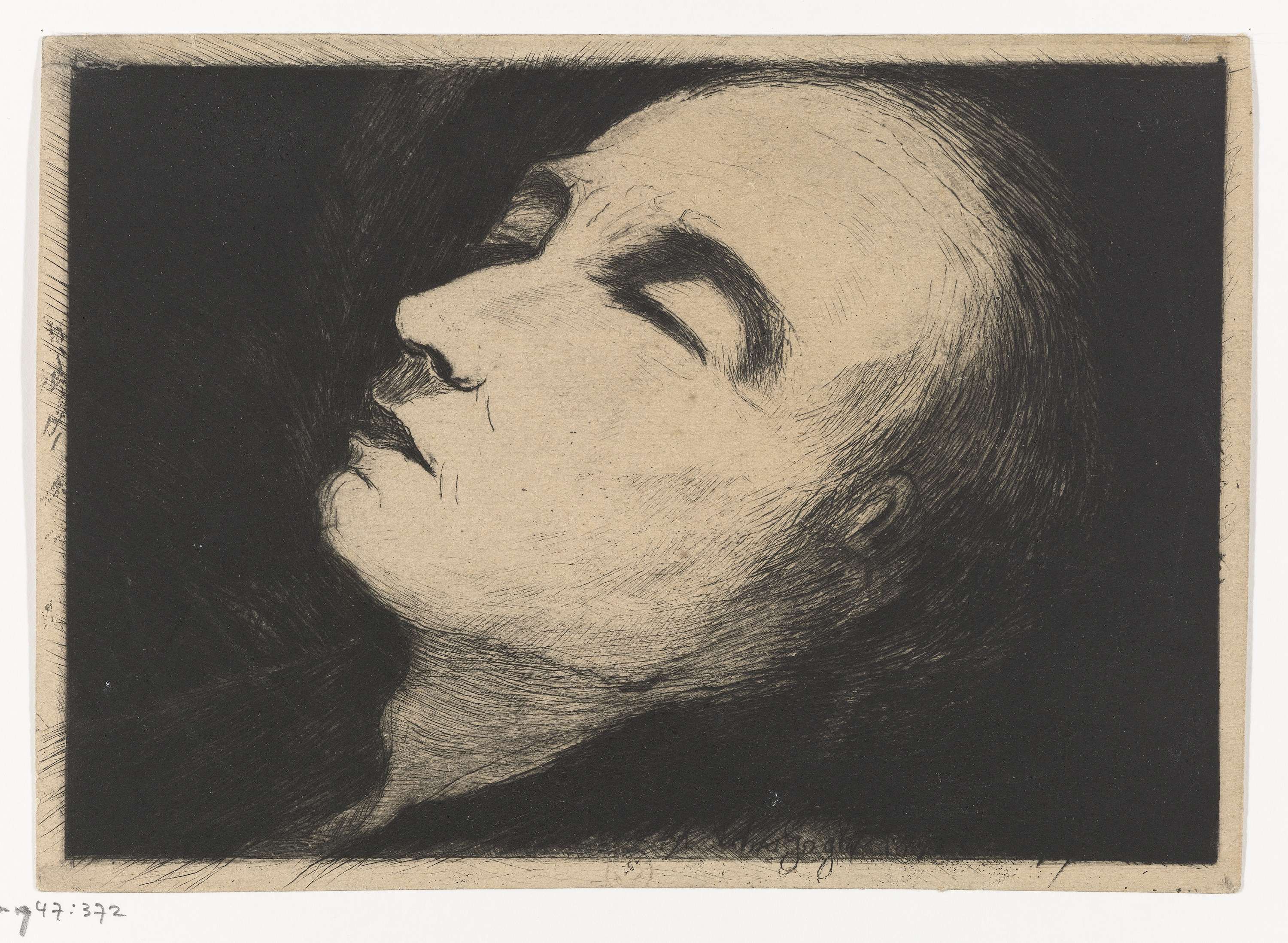
Vincent van Gogh, 29 July 1890
29 July 1890
 Letter
Primary source
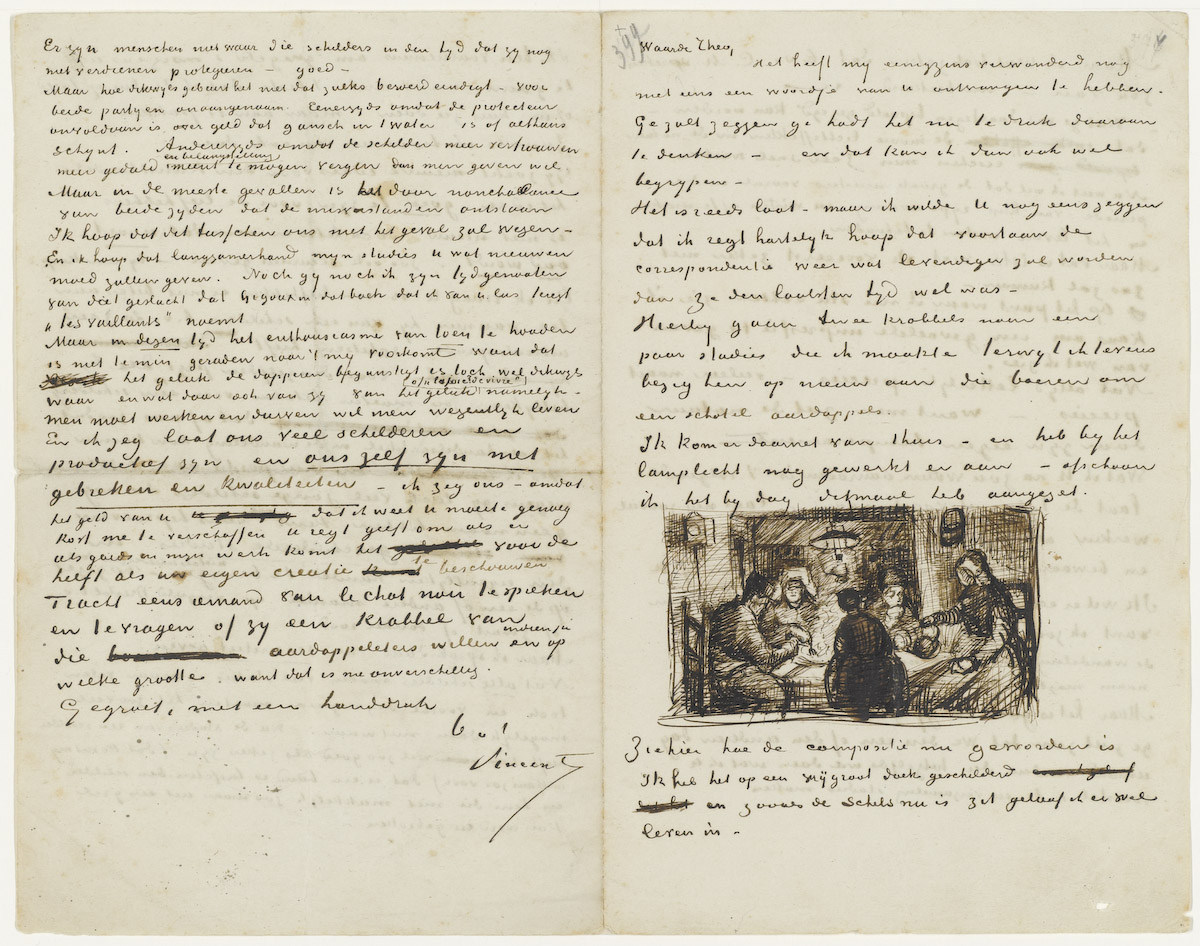
The Letters of Vincent van Gogh
Vincent van Gogh · 1872-1890, published 1914
 Painting
Primary source
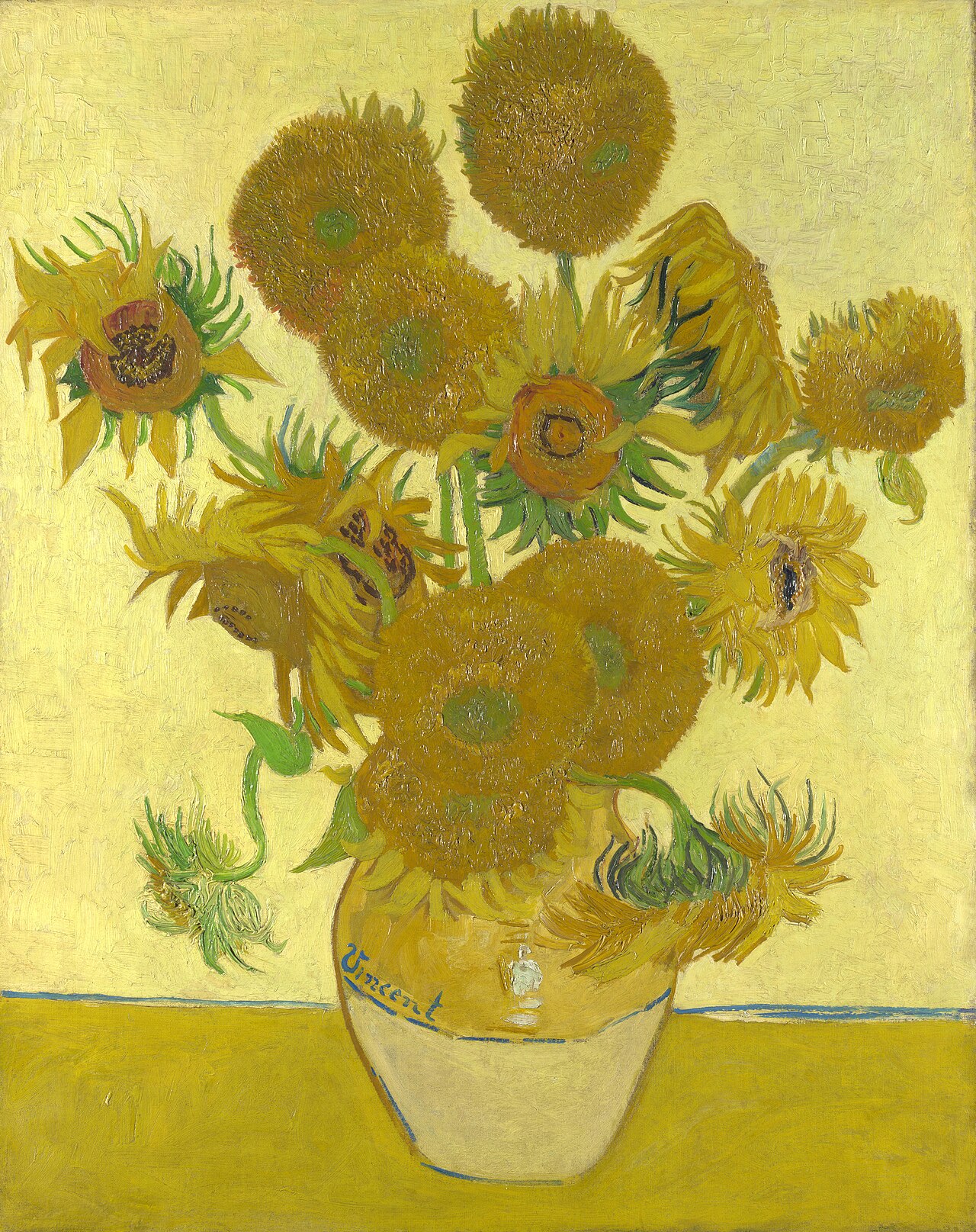
Sunflowers
Vincent van Gogh · 1888
 Artifact
Primary source
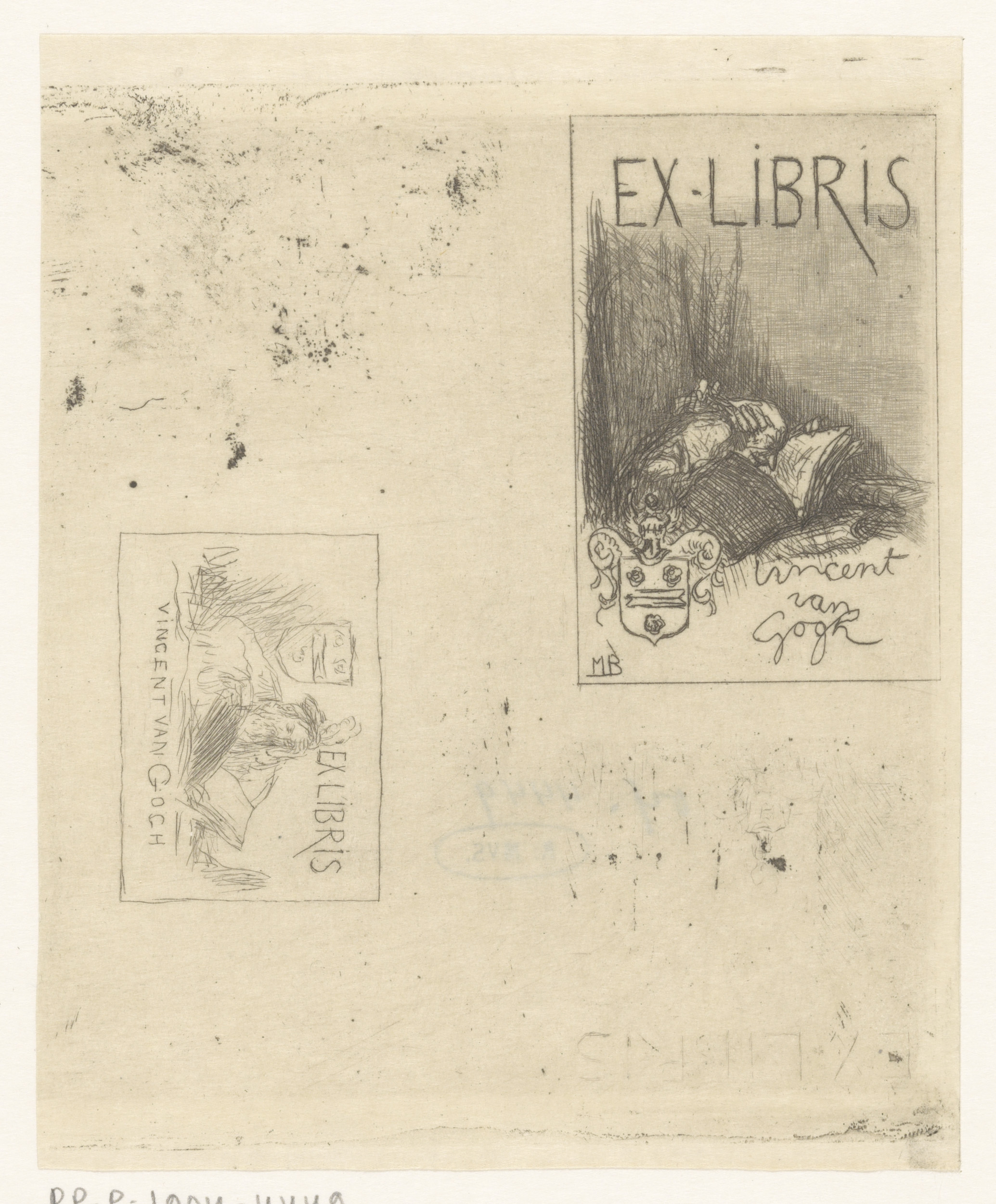
Two Bookplates for Vincent van Gogh
Ready when you are
Start chatting with Vincent van Gogh now.
20 messages free · No credit card · Available in 50+ languages.