


Secondary sourceSculpture1865
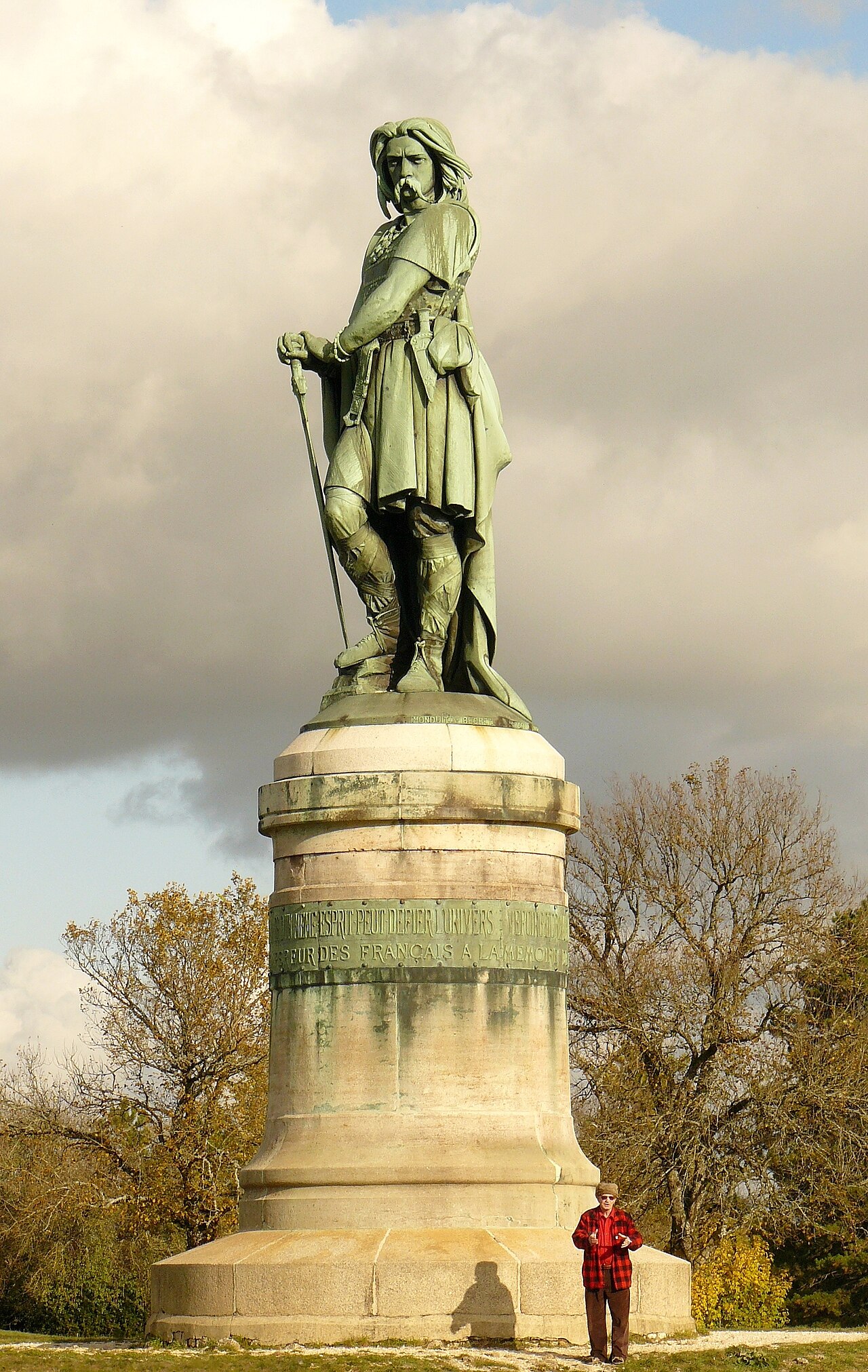
Vercingetorix Monument
Aimé Millet · 1865
A giant bronze statue of Vercingetorix erected in 1865 at the site believed to be Alesia, where he was defeated.
This 19th-century monument turned Vercingetorix into a national French symbol, built at the site of his final defeat.
About this source
What it is
This colossal bronze statue of Vercingetorix stands on Mont Auxois, near the supposed site of Alesia, where he surrendered to Julius Caesar. It was designed by sculptor Aimé Millet, with the pedestal designed by architect Eugène Viollet-le-Duc, and was put up in 1865.
Why it matters
The statue was commissioned by Emperor Napoleon III after his own excavations at Alesia. The emperor reportedly had the sculptor give the statue's face features resembling his own, using the ancient Gallic leader to build a nationalist image of French identity. The base carries an inscription translating words of Julius Caesar into French.
Look closer
- Why would a 19th-century emperor want to build a huge statue of a man defeated nearly 2000 years earlier?
- What does it mean that the statue's face may resemble Napoleon III rather than any known image of Vercingetorix?
- How do monuments like this shape what later generations believe about historical figures?
This sculpture is part of the curated material that grounds the AI version of Vercingetorix and Napoleon III on Humy.ai — when students ask about related events, the AI can quote it and cite it.
More Vercingetorix sources
Browse all 73 →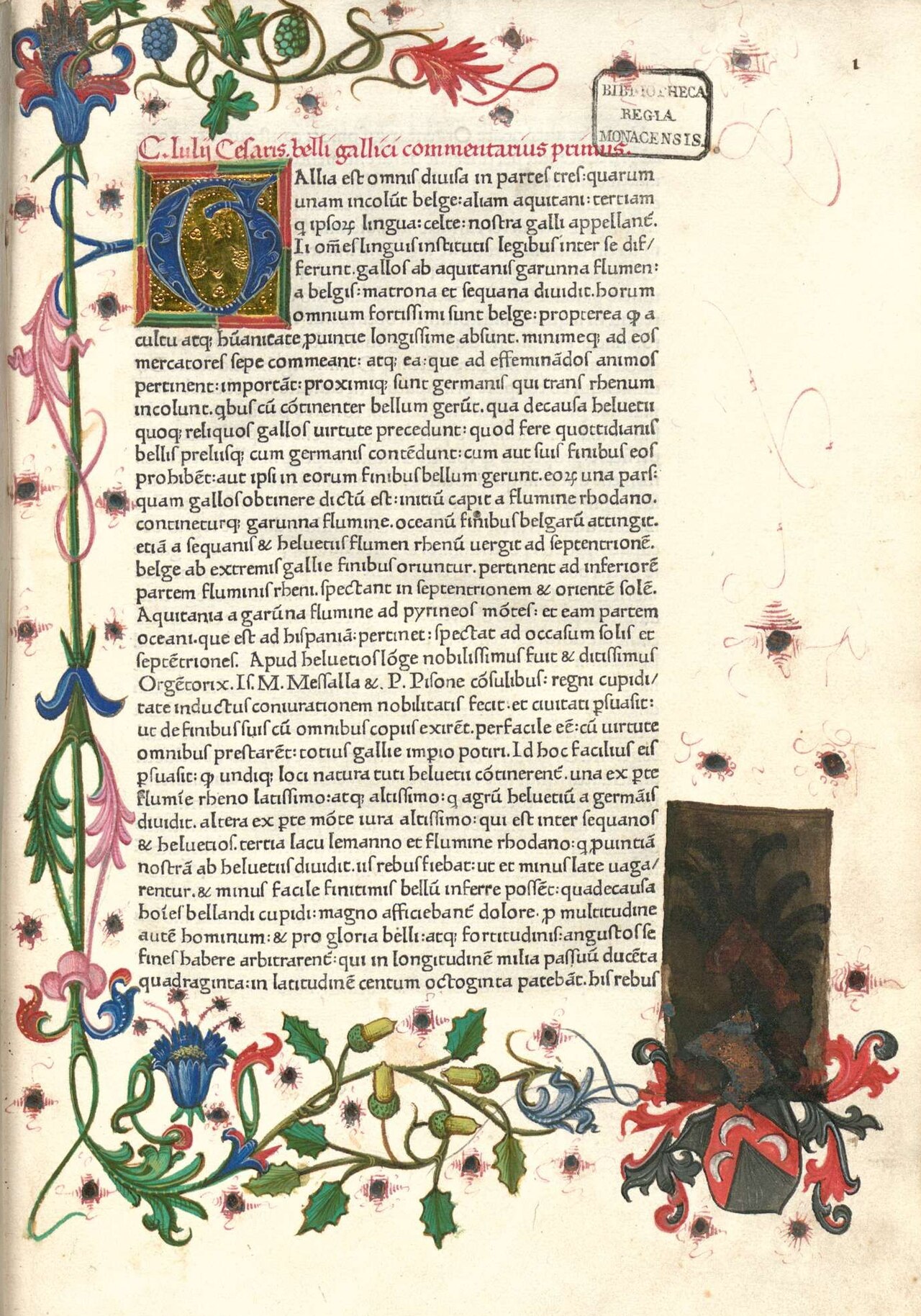 Book
Primary source
Commentarii de Bello Gallico
Julius Caesar · c. 58-50 BCE (this copy 1469)
 Painting
Secondary source
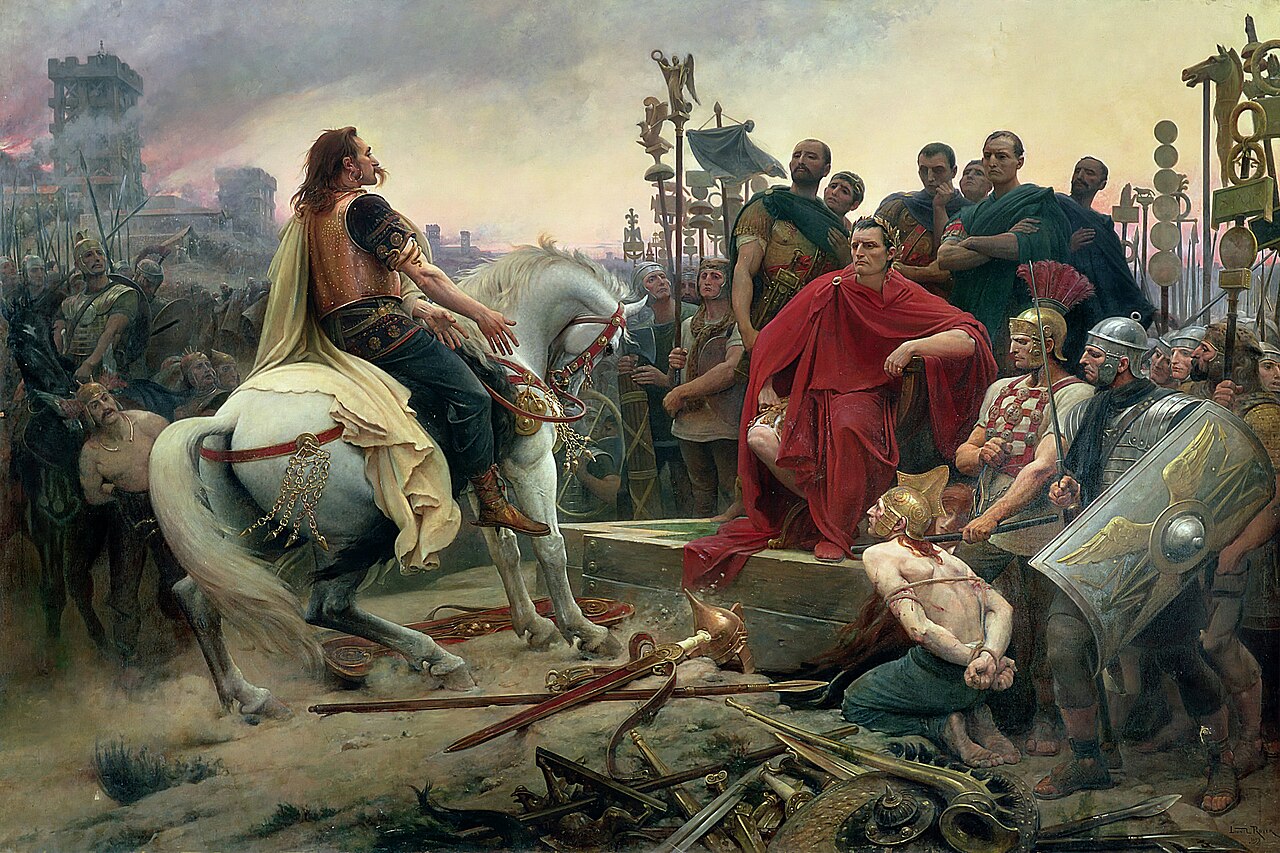
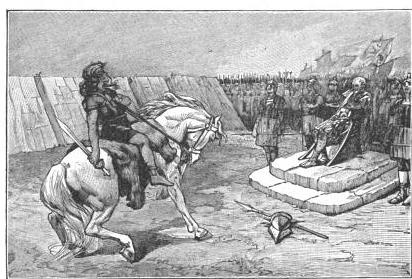
Vercingetorix Throwing down His Weapons at the Feet of Julius Caesar
Lionel Royer · 1899
 Book
Secondary source
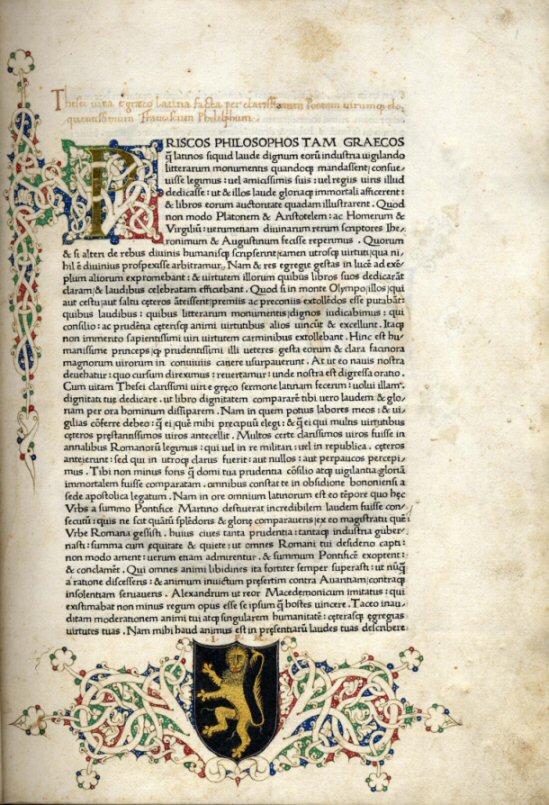
Parallel Lives
Plutarch · c. 100-120 AD
 Artifact
Secondary source
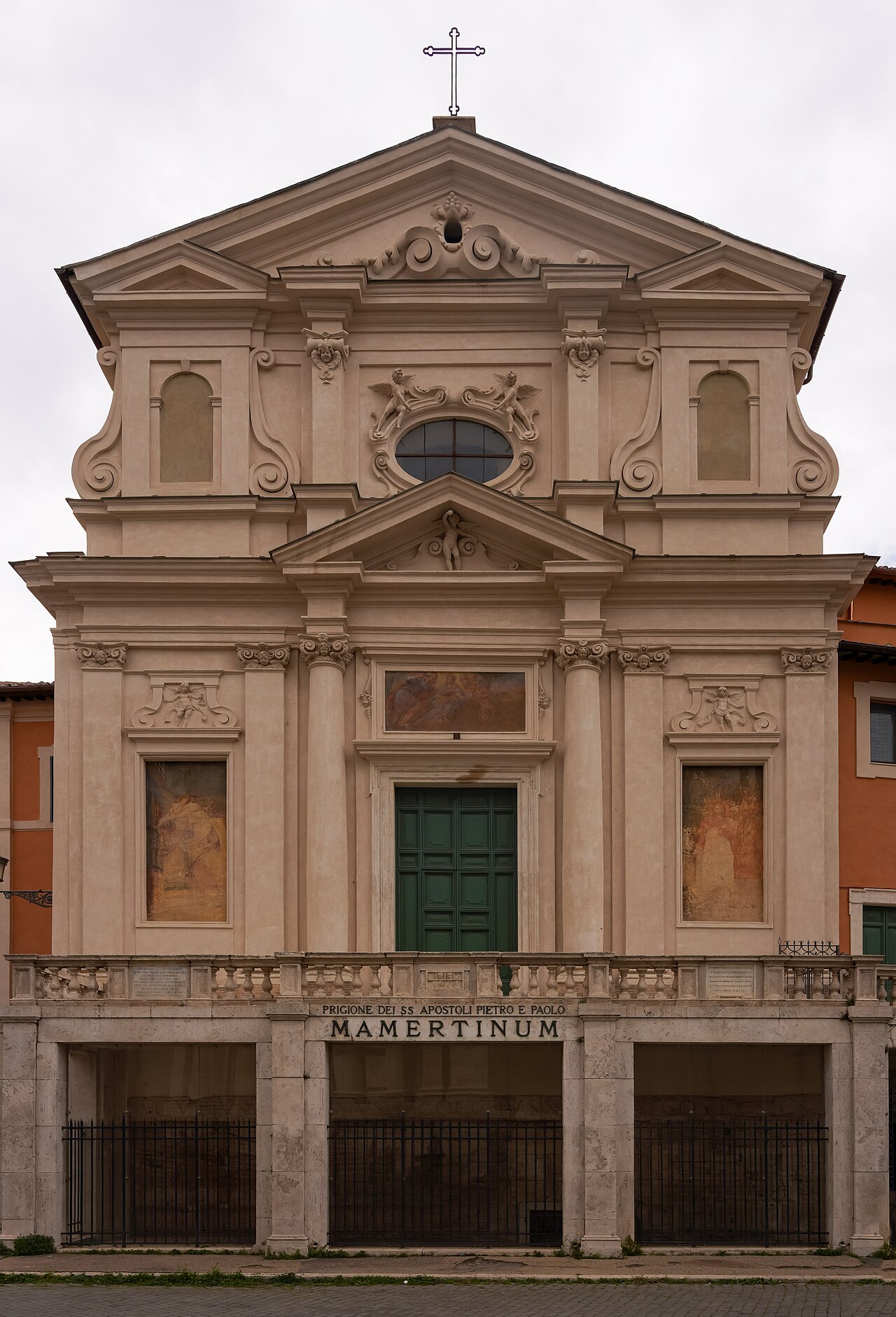
Mamertine Prison
Ancus Marcius · c. 640-616 BC (traditional)
Free account
Read every Vercingetorix source
Sign up free →
Ready when you are
Start chatting with Vercingetorix now.
20 messages free · No credit card · Available in 50+ languages.