


Secondary sourcePhotographMay 2005
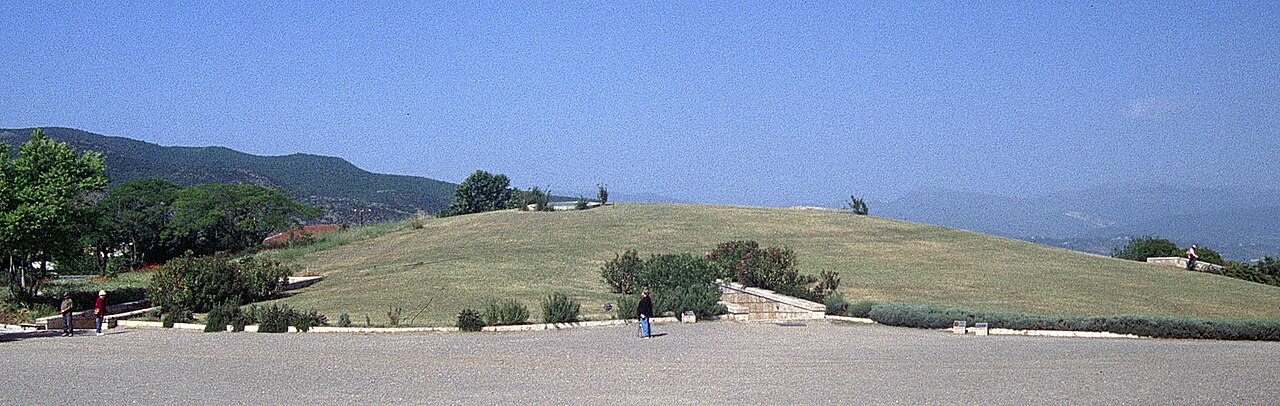
Vergina tumulus over Philip's tomb
Ziegler175 · May 2005
A photograph of the burial mound at Vergina, traditionally identified as the tomb of Philip II. The photo was taken by Ziegler175 in May 2005.
Shows the mound traditionally identified as Philip II's tomb, so it marks the place of his burial in the modern landscape.
About this source
What it is
This is a photograph taken in May 2005 by a user named Ziegler175 of the burial mound at Vergina, traditionally identified as the tomb of Philip II. A grassy, dome-shaped mound rises across the middle of the image, with shrubs and a stone entrance structure at its base. A gravel plaza lies in front, with low wooded hills and blue sky behind, and two small figures stand at the left to show scale.
Why it matters
The mound is one of the best-known monuments connected to Philip II. Burial mounds of this kind marked the places of important people, and this one shows the scale of the royal burial at Vergina. The identification of the tomb with Philip is traditional rather than certain, and historians have discussed it. The photograph shows the monument as it looks today, not as it looked in Philip's time.
Look closer
- How does the size of the mound compare with the two small figures, and what does that suggest about its importance?
- Why might a site like this be called traditional rather than proven to be a particular person's tomb?
- What does this photograph leave out, such as what lies inside the mound or how the site has changed over time?
This photograph is part of the curated material that grounds the AI version of Philip II of Macedon on Humy.ai — when students ask about related events, the AI can quote it and cite it.
More Philip II of Macedon sources
Browse all 90 →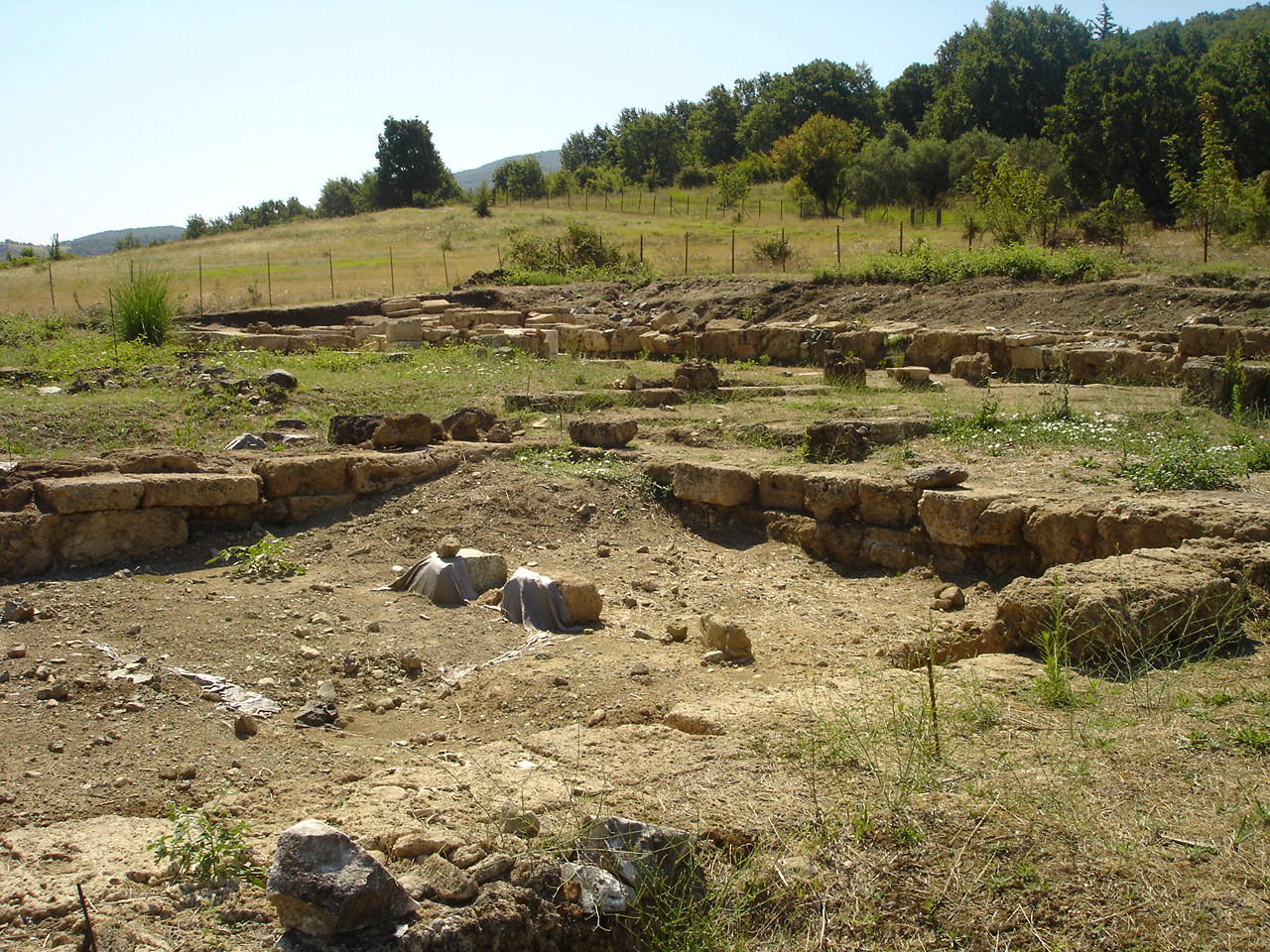 Artifact
Secondary source
Aigai
c. 750 BC onward; Philip's tomb c. 336 BC
 Speech
Primary source
First Philippic
Demosthenes · c. 351-350 BC
 Speech
Primary source
Third Philippic
Demosthenes · 341 BC
 Artifact
Primary source
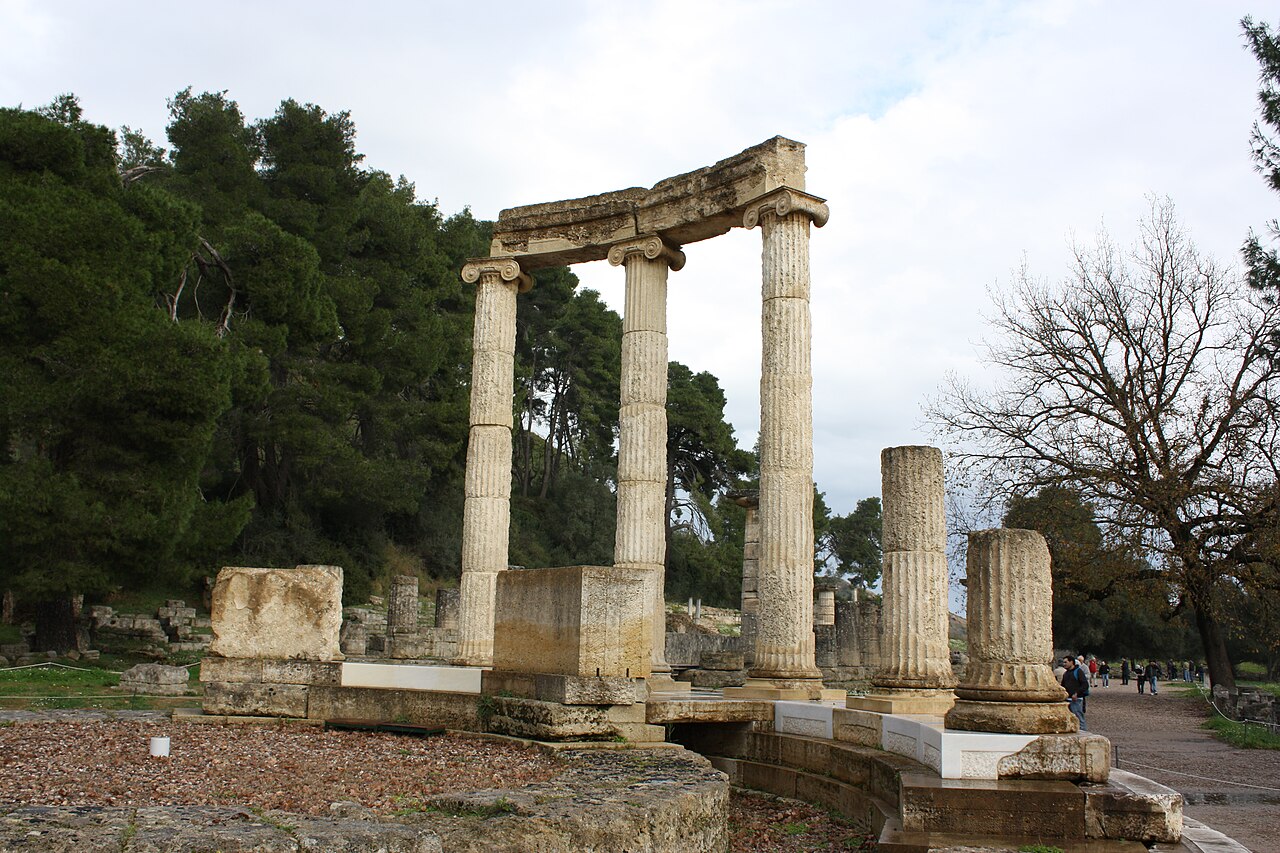
Philippeion
Leochares · begun 338/337 BC, completed under Alexander
Free account
Read every Philip II of Macedon source
Sign up free →
Ready when you are
Start chatting with Philip II of Macedon now.
20 messages free · No credit card · Available in 50+ languages.