


Primary sourceArtifact
Vesti la giubba
Ruggero Leoncavallo
Caruso's recording of this tenor aria from Leoncavallo's Pagliacci became one of the first records to sell a million copies, making him a global recording star.
Caruso's performance of this aria became one of the earliest million-selling records, launching his career as a recording star.
Free Humy account · No credit card · 120,912 sources to read
About this source
What it is
This is an audio recording of "Vesti la giubba," a tenor aria from Ruggero Leoncavallo's 1892 opera Pagliacci. Enrico Caruso recorded the aria several times, in 1902, 1904 and 1907.
Why it matters
The aria is sung when the clown Canio learns of his wife's betrayal but must still perform, embodying the idea of the "tragic clown" smiling outside while suffering inside. Caruso's recordings of it were among the best-selling records of the 78-rpm era, reaching over a million sales, and helped make him the first truly global star of recorded sound.
Look closer
- What does the story of Canio tell us about why this aria became so emotionally powerful to audiences?
- Why might a recording, rather than a live performance, have made Caruso famous worldwide?
- How has this aria been reused in later popular culture, and what does that say about its lasting power?
This artifact is part of the curated material that grounds the AI version of Enrico Caruso on Humy.ai — when students ask about related events, the AI can quote it and cite it.
More Enrico Caruso sources
Browse all 98 →Primary source
Over There
George M. Cohan · 1917; recorded 11 July 1918
Primary source
Bella figlia dell'amore (Rigoletto Quartet)
Giuseppe Verdi · 20 February 1907
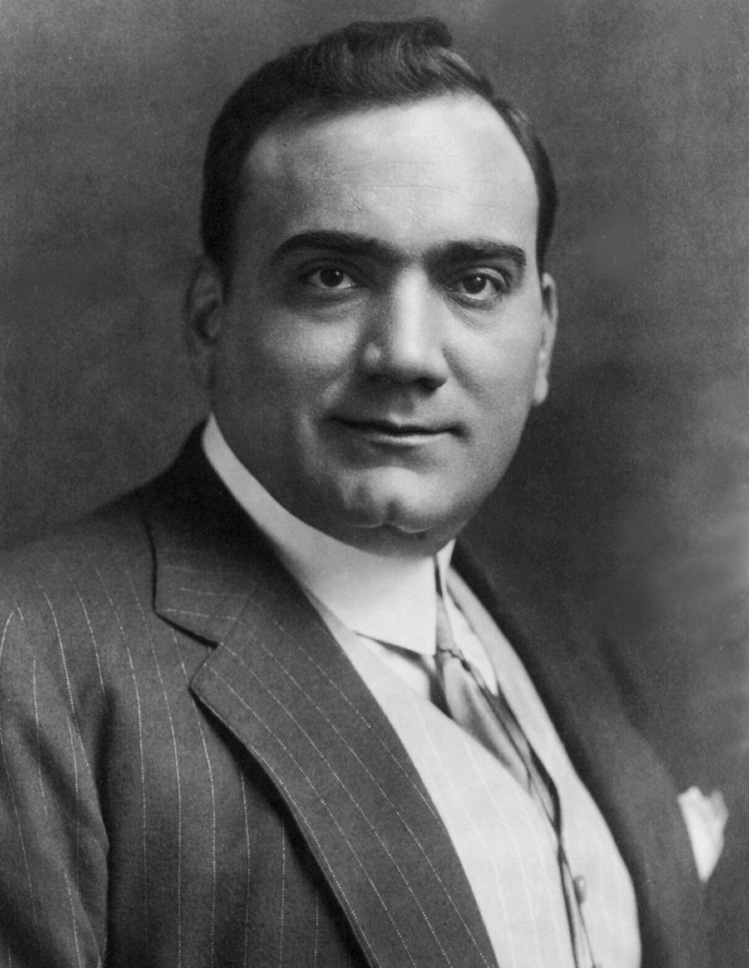 Photograph
Primary source
Portrait of Enrico Caruso
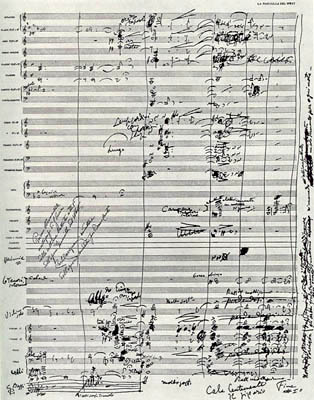 Document
Primary source
La fanciulla del West manuscript page
Giacomo Puccini · 1909
Free account
Read every Enrico Caruso source
Sign up free →
Ready when you are
Start chatting with Enrico Caruso now.
20 messages free · No credit card · Available in 50+ languages.