


Secondary sourceArtifact1792 (reproduction of 1790 design)
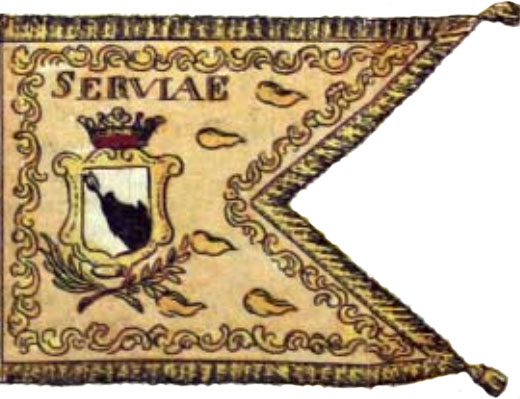
Vexillum Serviae
Sámuel Decsy · 1792 (reproduction of 1790 design)
A 1792 drawing of the ceremonial Serbian banner designed for Leopold II's Hungarian coronation, showing the composite symbols of his crown.
Depicts a ceremonial banner designed for Leopold II's 1790 Hungarian coronation, symbolizing the lands under his crown.
About this source
What it is
This drawing, reproduced in 1792 by Sámuel Decsy, shows a swallow-tailed banner called the "Vexillum Serviae" (Flag of Serbia), designed for the 1790 coronation of Leopold II as King of Hungary. It bears a heraldic shield topped by a crown and laurel branch.
Why it matters
Hungarian coronations traditionally included banners representing the many lands under the crown, including historic claims like Serbia. This banner reflects how Leopold's coronation ceremony displayed the composite, multi-ethnic nature of the Hungarian crown he inherited.
Look closer
- Why might a coronation ceremony include banners for lands beyond the main kingdom?
- What does the heraldic shield and crown design tell you about the symbolism used in royal ceremonies?
- Who do you think would have carried or seen this banner during the coronation?
This artifact is part of the curated material that grounds the AI version of Leopold II, Holy Roman Emperor on Humy.ai — when students ask about related events, the AI can quote it and cite it.
More Leopold II, Holy Roman Emperor sources
Browse all 95 →Primary source
Declaration of Pillnitz
27 August 1791
 Letter
Primary source
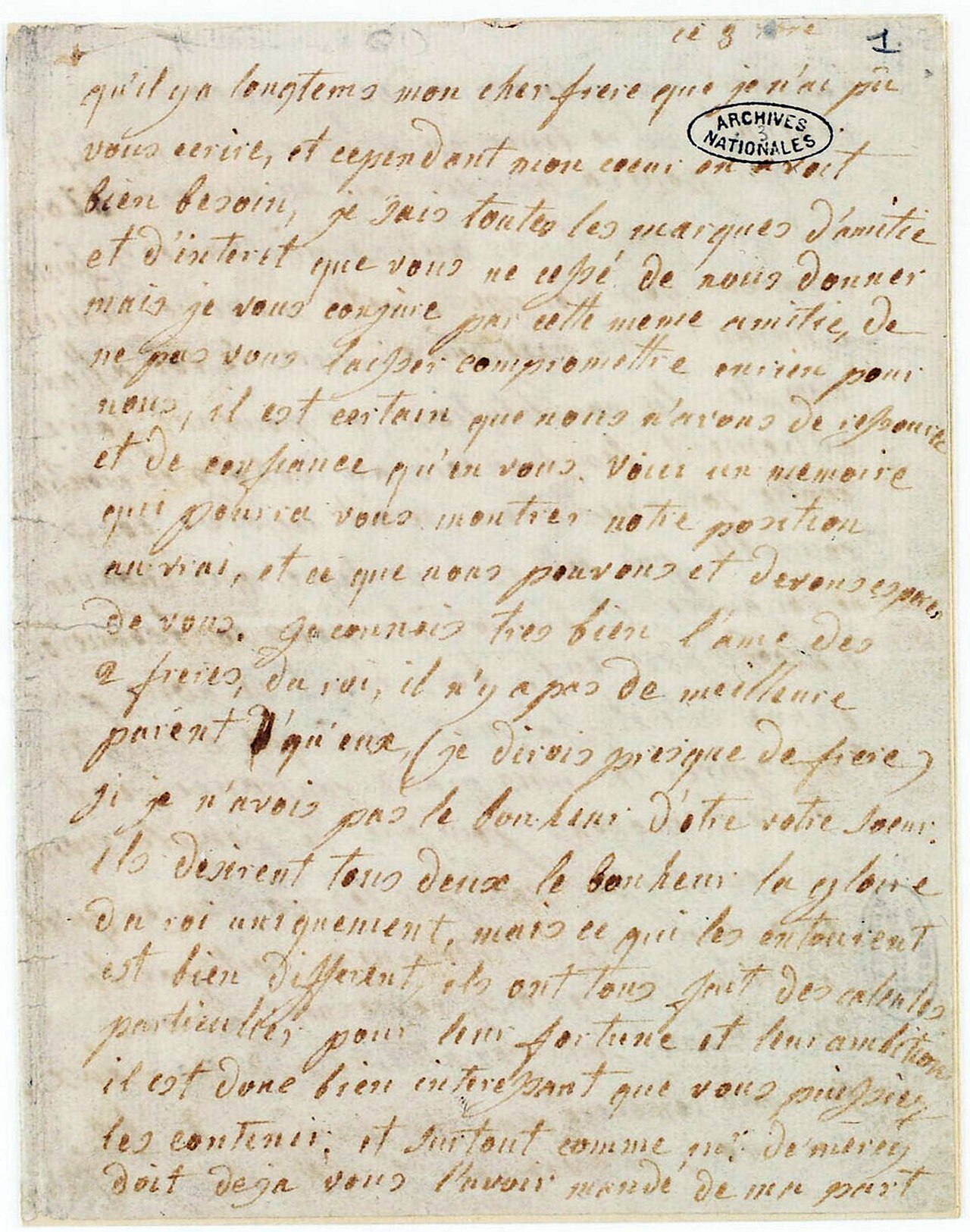
Letter to Her Brother Emperor Leopold II
Marie Antoinette · 8 September 1791
 Document
Primary source
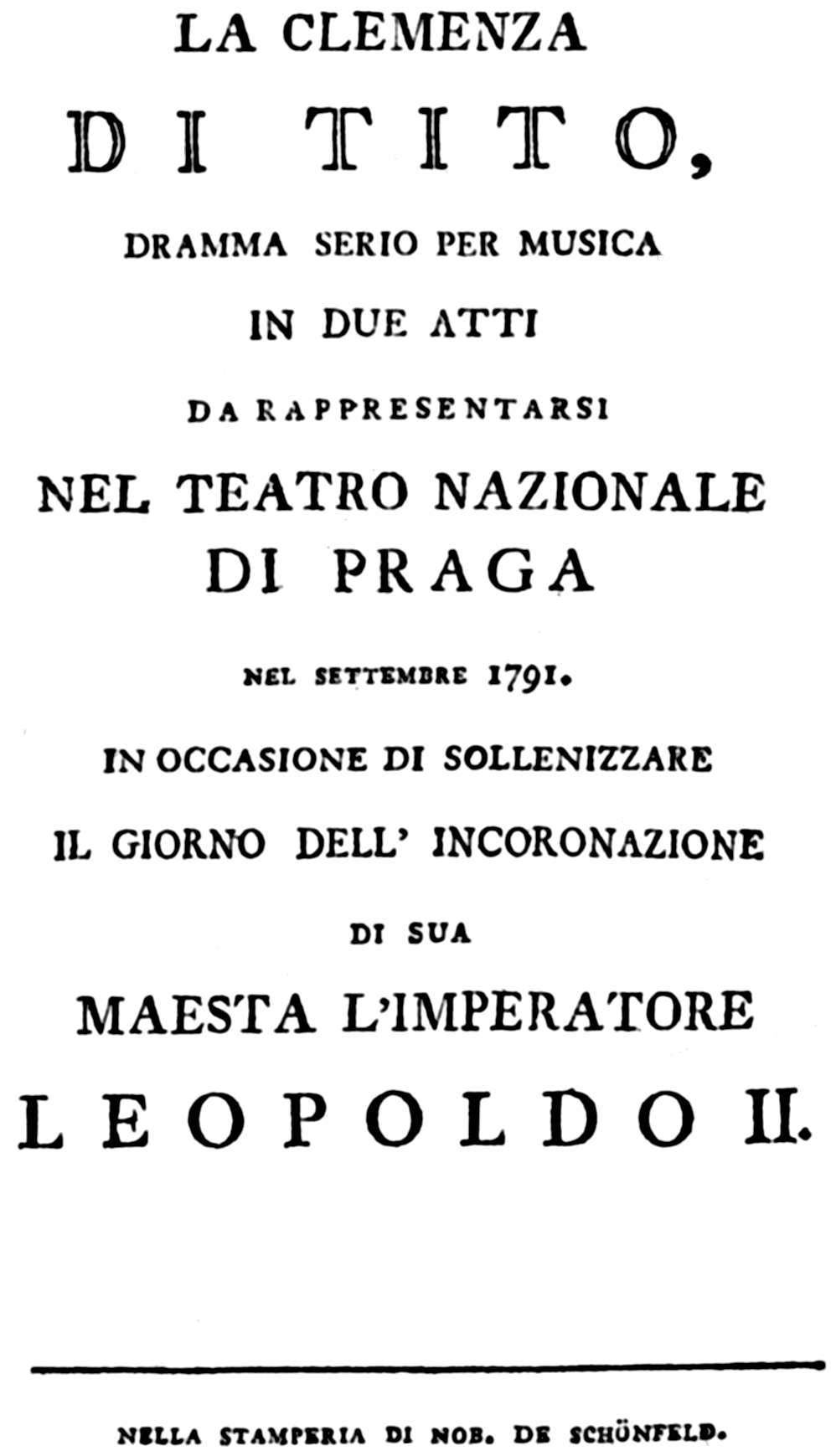
La clemenza di Tito
Wolfgang Amadeus Mozart · 1791
 Painting
Primary source
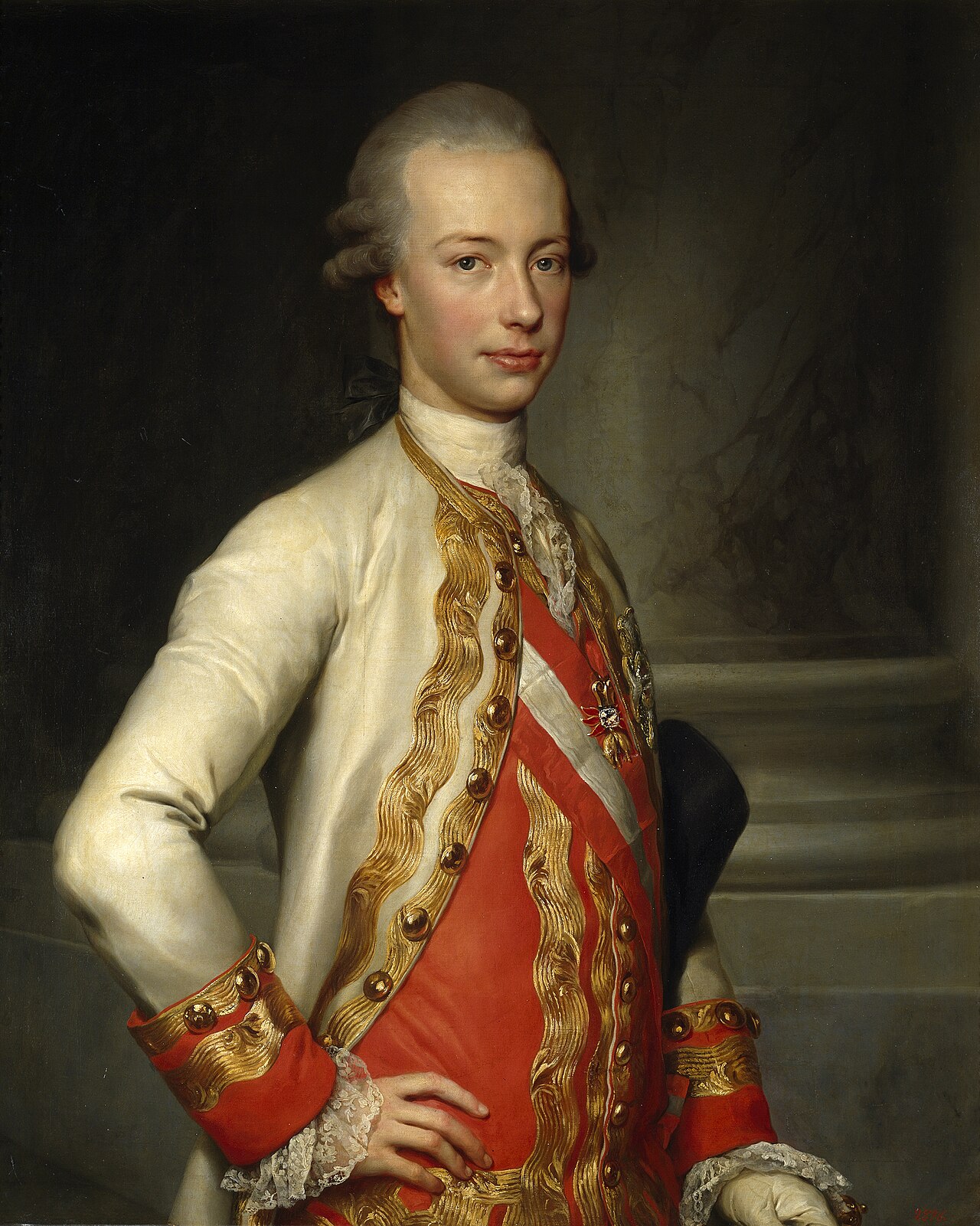
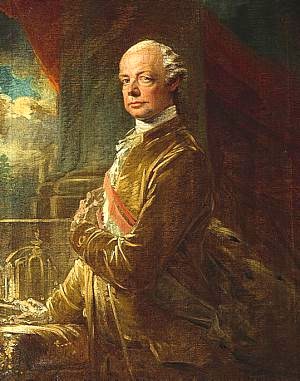
Leopoldo de Lorena, Grand Duke of Tuscany
Anton Raphael Mengs · 1770
Free account
Read every Leopold II, Holy Roman Emperor source
Sign up free →
Ready when you are
Start chatting with Leopold II, Holy Roman Emperor now.
20 messages free · No credit card · Available in 50+ languages.