


Primary sourcePainting1567
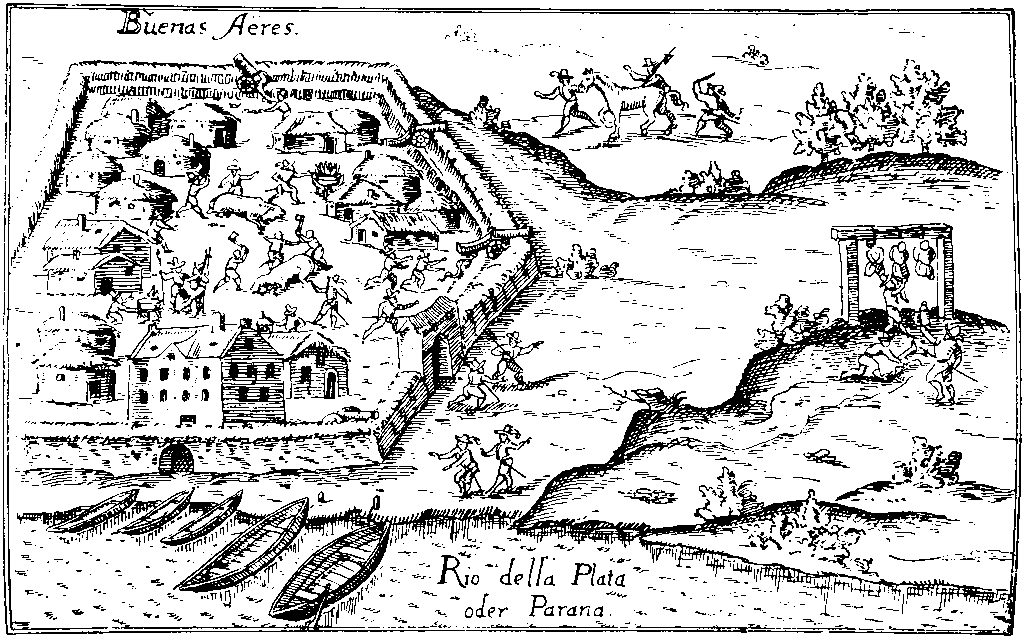
View of Buenos Aires shortly after its founding
Theodor de Bry · 1567
An engraving showing Pedro de Mendoza's 1536 settlement at Buenos Aires, decades before Garay's 1580 refounding of the city.
Shows the earlier 1536 settlement of Buenos Aires that Garay would later refound in 1580.
About this source
What it is
This black-and-white engraving by Theodor de Bry is dated 1567 and shows the settlement of Buenos Aires founded by Pedro de Mendoza y Luján in 1536. It depicts a walled settlement of houses along the Rio de la Plata, with boats on the shore and figures in the streets and outside the walls.
Why it matters
Mendoza's settlement was later abandoned, and it was Juan de Garay who refounded Buenos Aires in 1580. This image shows the earlier, failed attempt at settlement, giving context for why Garay's later refounding mattered so much to the city's history.
Look closer
- What does the engraving show happening in the streets, and what might that tell you about the dangers facing the first settlers?
- Why do you think Mendoza's settlement did not last, leading Garay to refound the city decades later?
- How might an artist working in Europe, far from the Rio de la Plata, have imagined this scene?
This painting is part of the curated material that grounds the AI version of Juan de Garay on Humy.ai — when students ask about related events, the AI can quote it and cite it.
More Juan de Garay sources
Meet the AI Juan de Garay →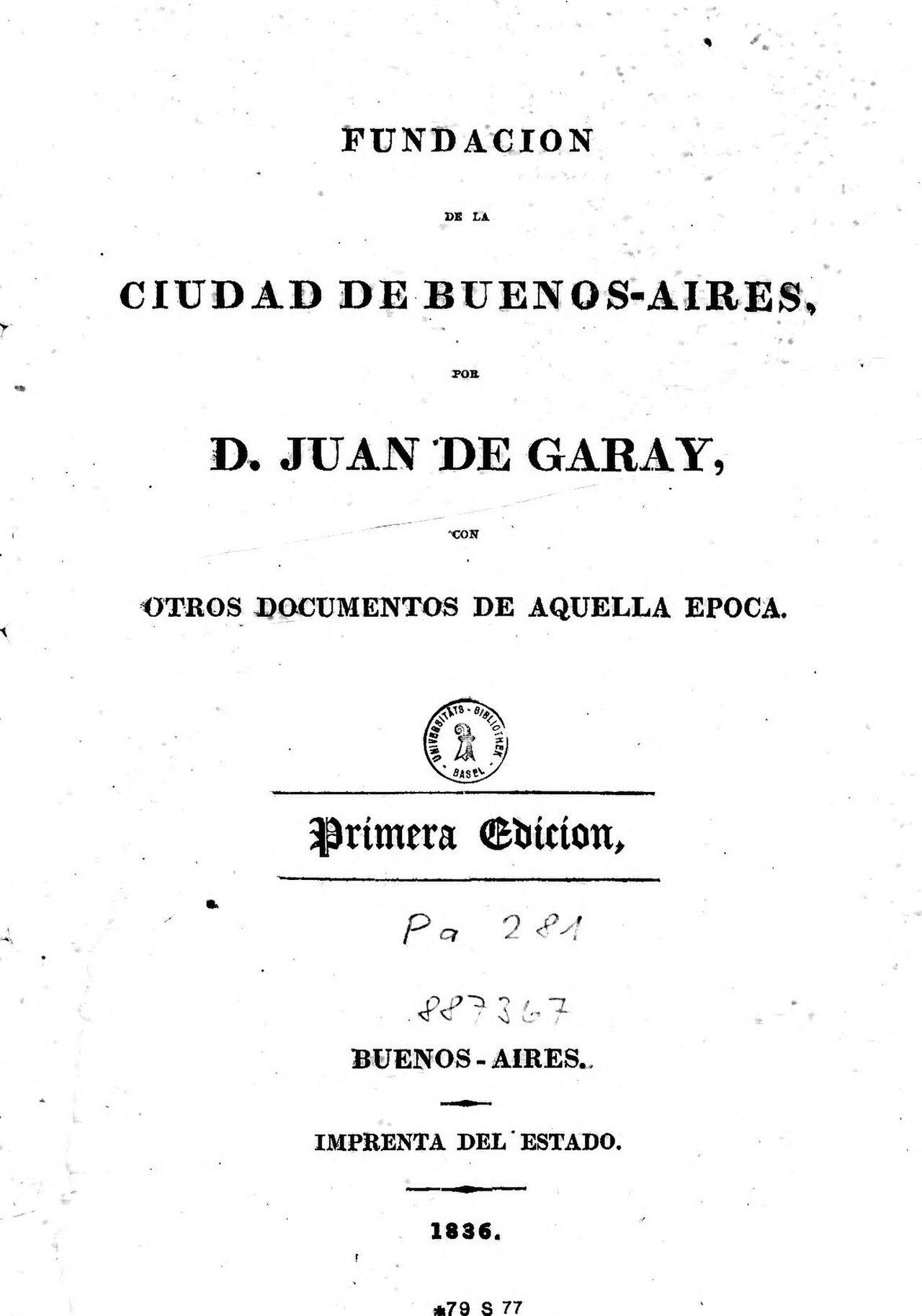 Book
Primary source
Fundación de la ciudad de Buenos-Aires, por D. Juan de Garay, con otros documentos de aquella época
Juan de Garay · 1836
 Book
Primary source
La Argentina, o la conquista del Río de la Plata
Martín del Barco Centenera · 1602
 Painting
Secondary source
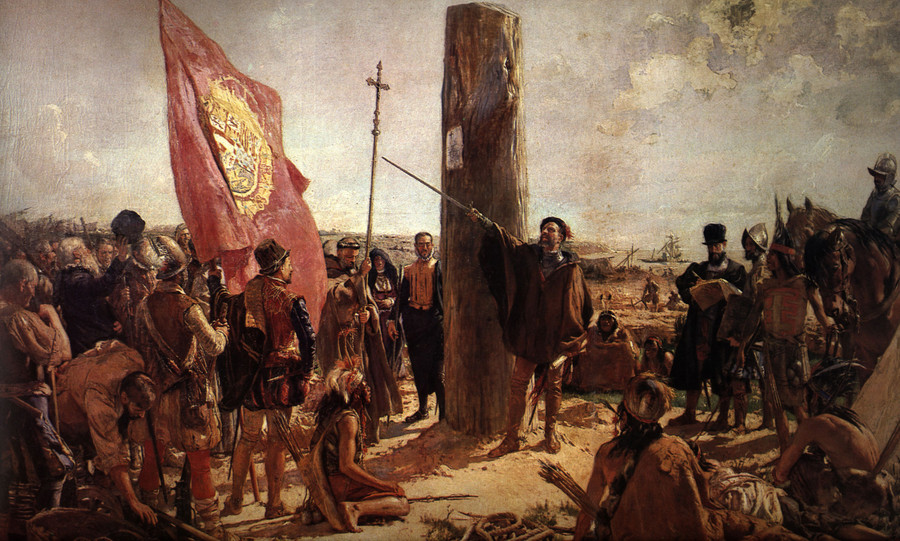
Fundación de Buenos Aires
José Moreno Carbonero · 1923
 Painting
Secondary source
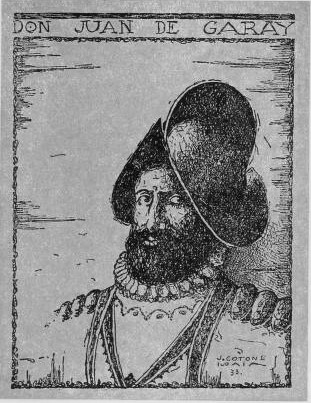
Retrato de Don Juan de Garay
Unknown
 Sculpture
Secondary source
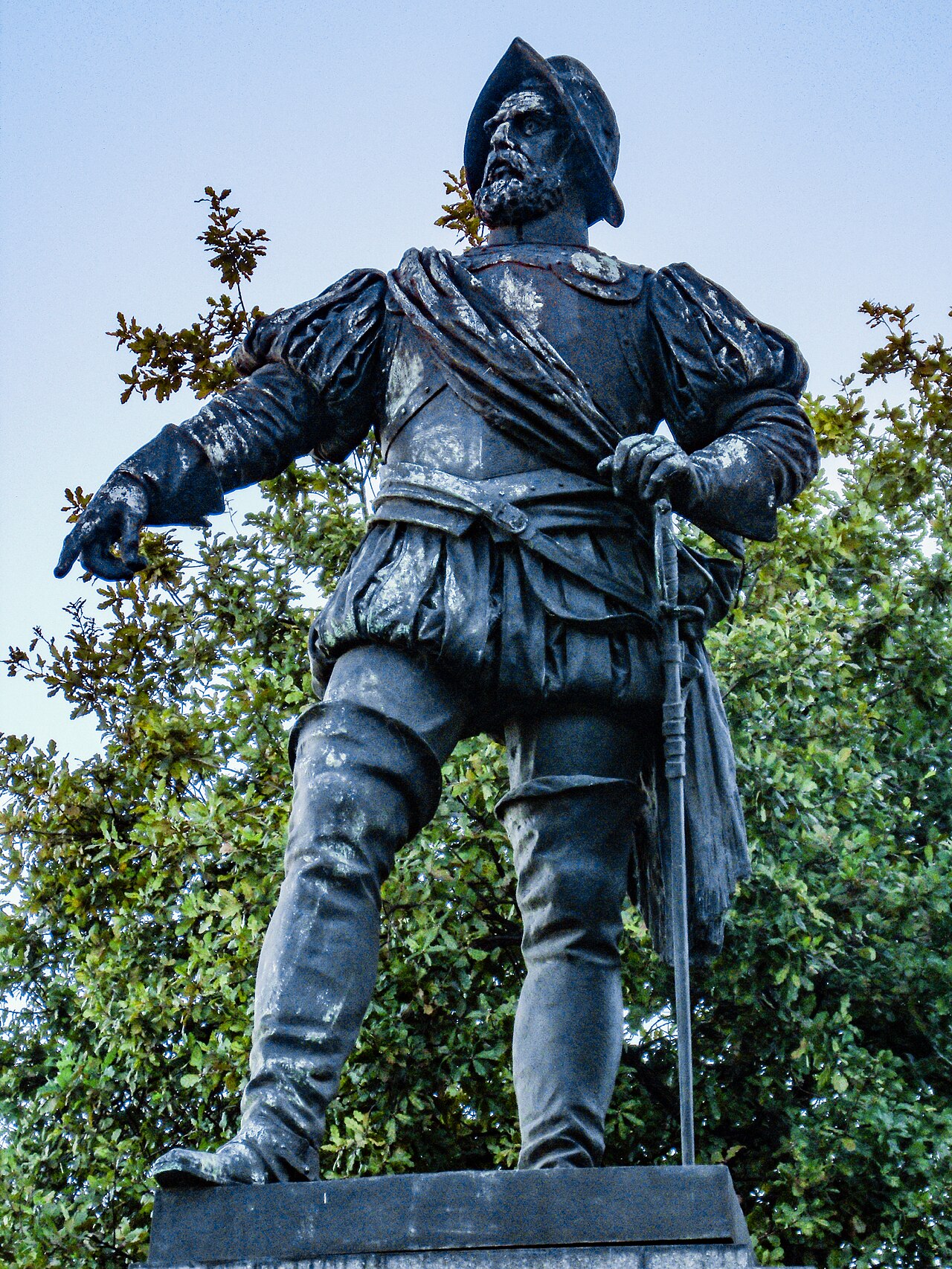
Monument to Juan de Garay
Gustav Eberlein · 1915
Ready when you are
Start chatting with Juan de Garay now.
20 messages free · No credit card · Available in 50+ languages.