


Primary sourceArtifact1917–1945
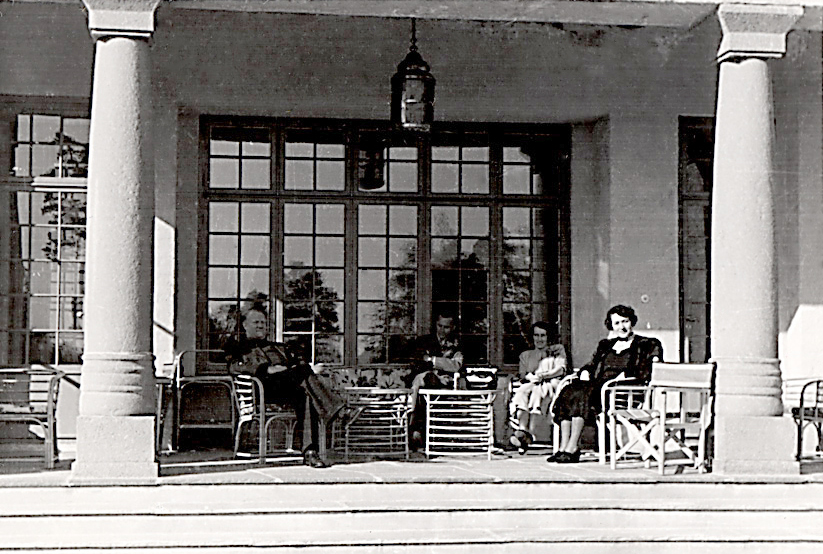
Villa Grande (Gimle)
Sam Eyde (original owner) · 1917–1945
The Bygdøy mansion Quisling renamed 'Gimle' and used as his residence and seat of power from 1941 to 1945; now home to Norway's Holocaust centre.
Quisling's residence and seat of power during the occupation, renamed 'Gimle' by him.
About this source
What it is
This is Villa Grande, a mansion on Bygdøy in Oslo originally owned by industrialist Sam Eyde. From 1941 to 1945 it was occupied by Vidkun Quisling, who renamed it "Gimle" after a place in Norse mythology where survivors of Ragnarök were said to live. Today the building houses the HL-senteret, the Center for Studies of the Holocaust and Religious Minorities.
Why it matters
The mansion was both Quisling's home and a symbol of his rule as head of the collaborationist government. Its mythological name reflects how he tried to tie his regime to Norwegian national identity. That the building is now a Holocaust studies centre marks a deliberate historical turn — using the site of Nazi collaboration to teach about its consequences.
Look closer
- Why might Quisling have chosen a name from Norse mythology for his residence?
- What does it mean that this building now serves as a Holocaust education centre?
- What can a home tell us about how a leader wanted to be seen?
This artifact is part of the curated material that grounds the AI version of Vidkun Quisling on Humy.ai — when students ask about related events, the AI can quote it and cite it.
More Vidkun Quisling sources
Browse all 98 →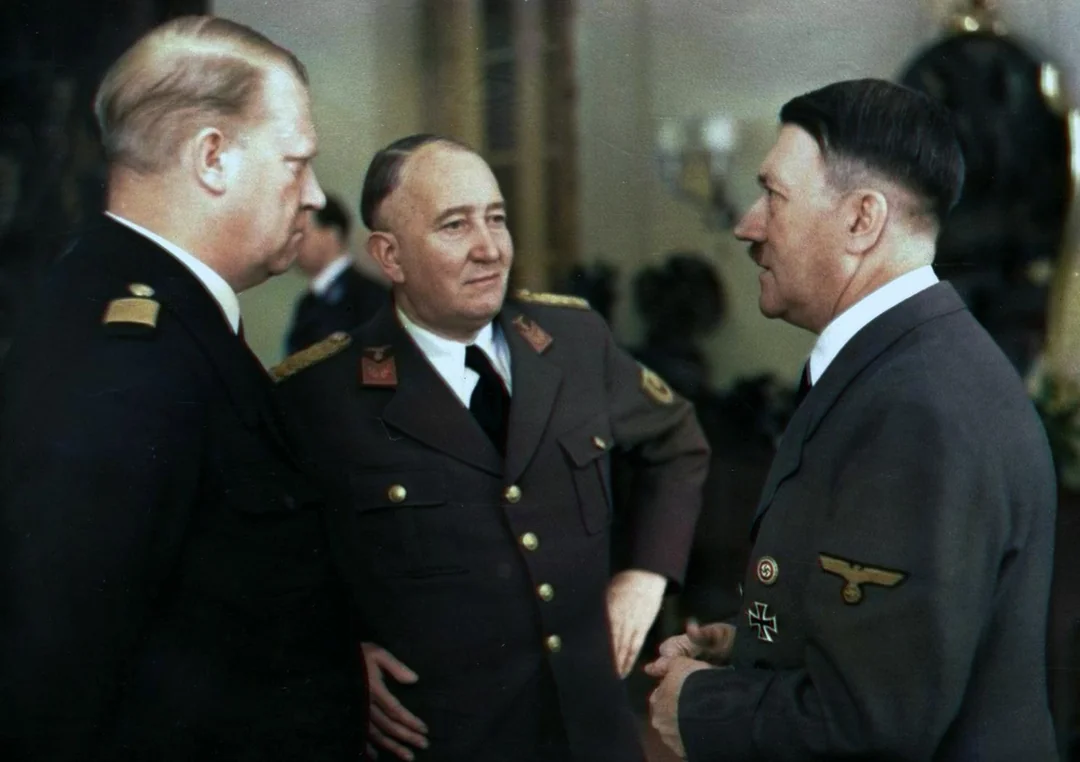 Photograph
Primary source
Hitler Meets Quisling and Hagelin
Unknown · 13 February 1942
 Artifact
Primary source
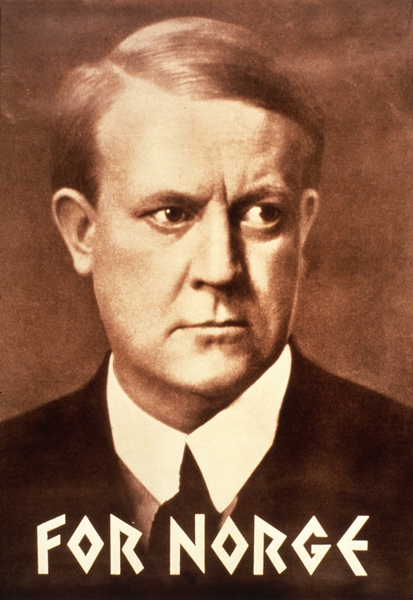
Quisling for Norge
Nasjonal Samling · World War II era
 Book
Primary source
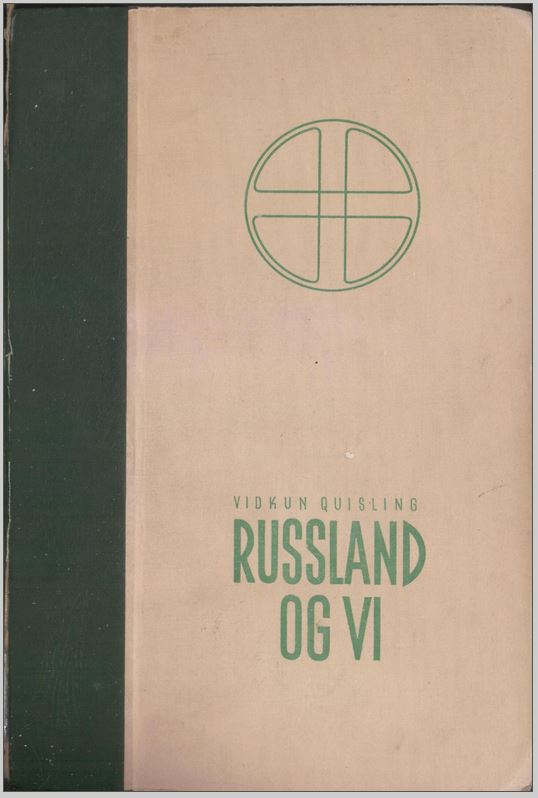
Russia and Ourselves
Vidkun Quisling · 1930
 Photograph
Primary source
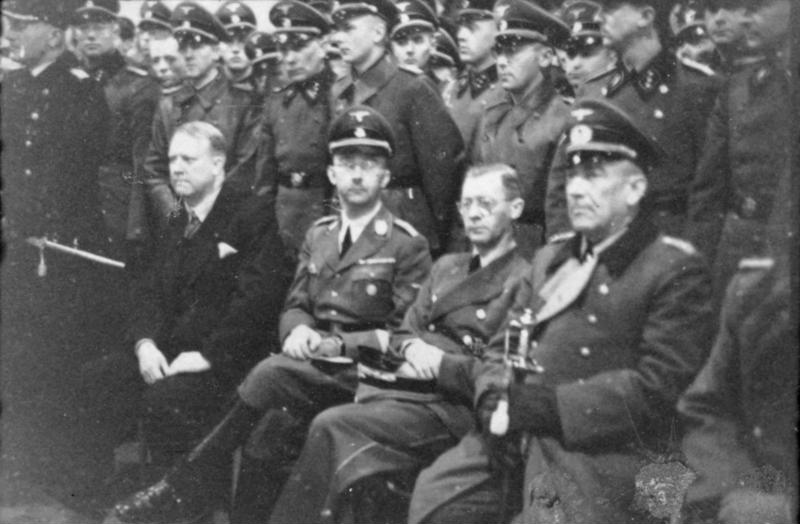
Himmler, Terboven and Quisling at SS Oath Ceremony
Helmut Möbius · 30 January 1941
Free account
Read every Vidkun Quisling source
Sign up free →
Ready when you are
Start chatting with Vidkun Quisling now.
20 messages free · No credit card · Available in 50+ languages.