


Primary sourceDocumentary1961
Viridiana
Luis Buñuel · 1961
A 1961 Spanish-Mexican film directed by Luis Buñuel, banned in Spain and denounced by the Vatican for its criticism of the Catholic Church.
Directed by Buñuel on his return from exile, this controversial film led to a ban in Spain and Vatican condemnation.

About this source
What it is
A 1961 Spanish-Mexican surrealist comedy-drama directed by Luis Buñuel and produced by Gustavo Alatriste, loosely based on a novel by Benito Pérez Galdós. It is held by the Museum of Modern Art.
Why it matters
Made after Buñuel returned from exile to Franco's Spain, the film won the Palme d'Or at Cannes but was banned in Spain and denounced by the Vatican for a scene parodying Leonardo da Vinci's Last Supper. It shows Buñuel's enduring willingness to provoke religious and political authorities even while working under a dictatorship.
The censorship battles over its ending reveal how filmmakers navigated state control, and the film remains a key example of Buñuel's recurring themes of charity, hypocrisy, and institutional religion.
Look closer
- Why do you think the Spanish government banned this film after it won a major award?
- What does the parody of the Last Supper suggest about Buñuel's attitude toward the Church?
- How might censorship have shaped the choices Buñuel made in the film's ending?
This documentary is part of the curated material that grounds the AI version of Luis Buñuel on Humy.ai — when students ask about related events, the AI can quote it and cite it.
More Luis Buñuel sources
Browse all 37 → Documentary
Secondary source
Un Chien Andalou
Luis Buñuel and Salvador Dalí · 1929
 Documentary
Primary source
Los Olvidados
Luis Buñuel · 1950
 Documentary
Primary source
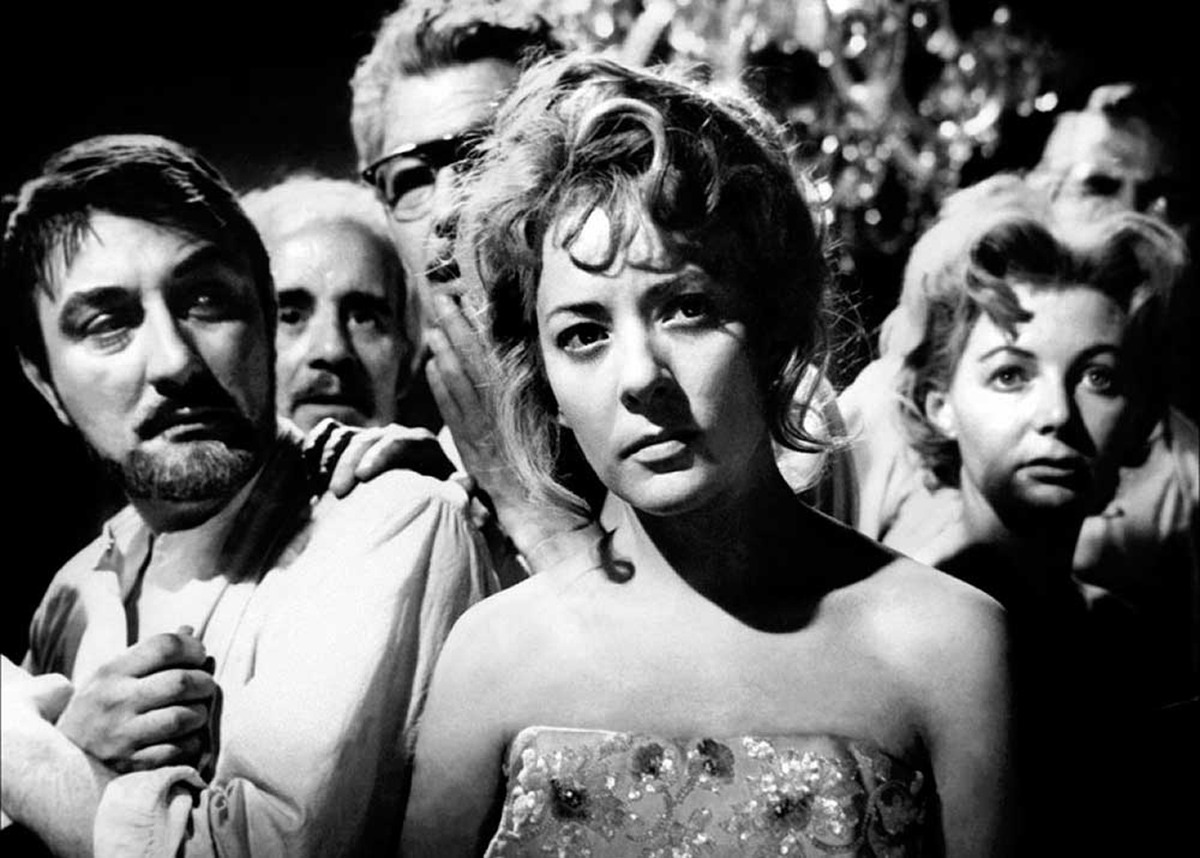
The Exterminating Angel
Luis Buñuel · 1962
 Documentary
Primary source
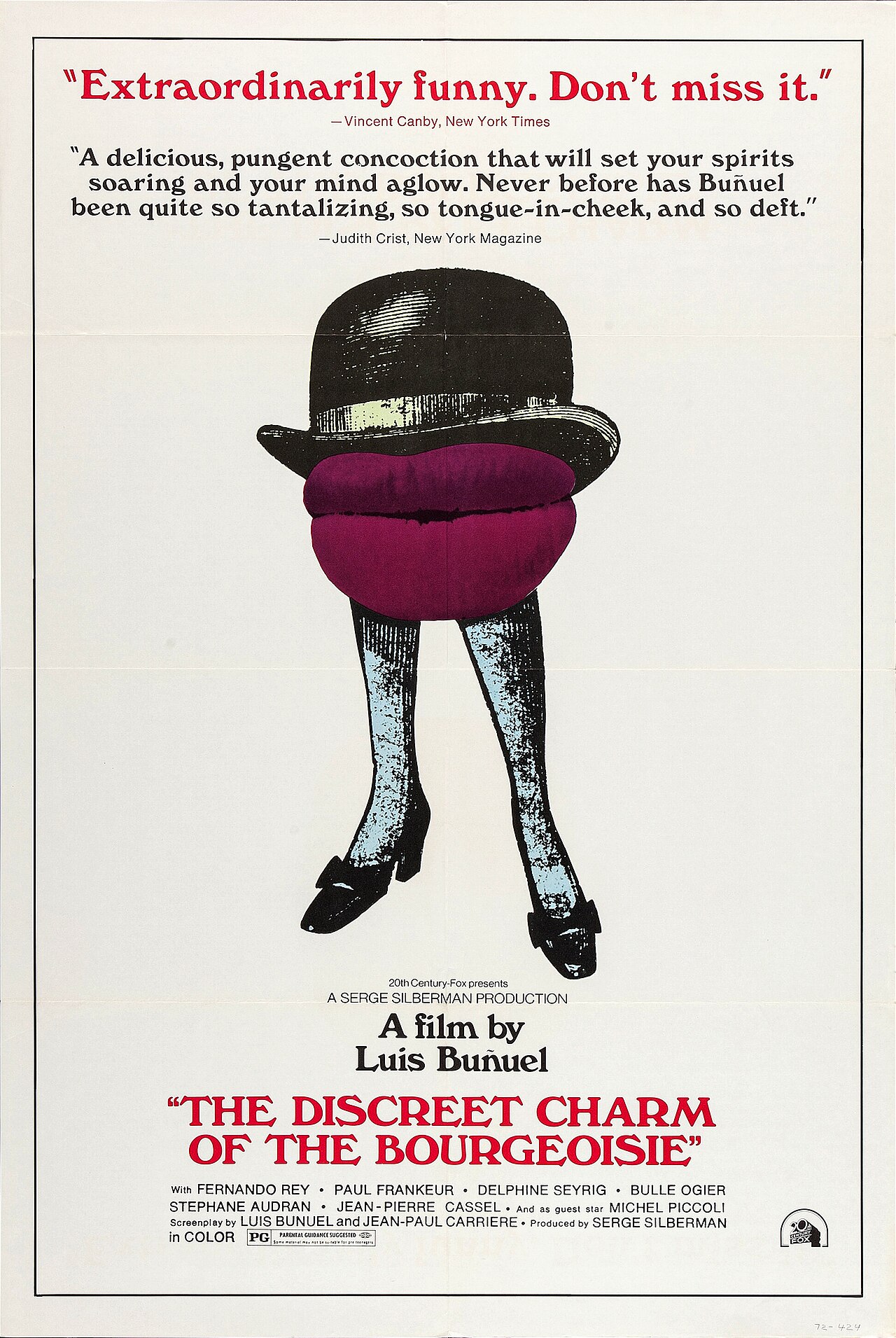
The Discreet Charm of the Bourgeoisie
Luis Buñuel · 1972


Free account
Read every Luis Buñuel source
Sign up free →
Ready when you are
Start chatting with Luis Buñuel now.
20 messages free · No credit card · Available in 50+ languages.