


Primary sourceBook1867
Visible Speech
Alexander Melville Bell · 1867
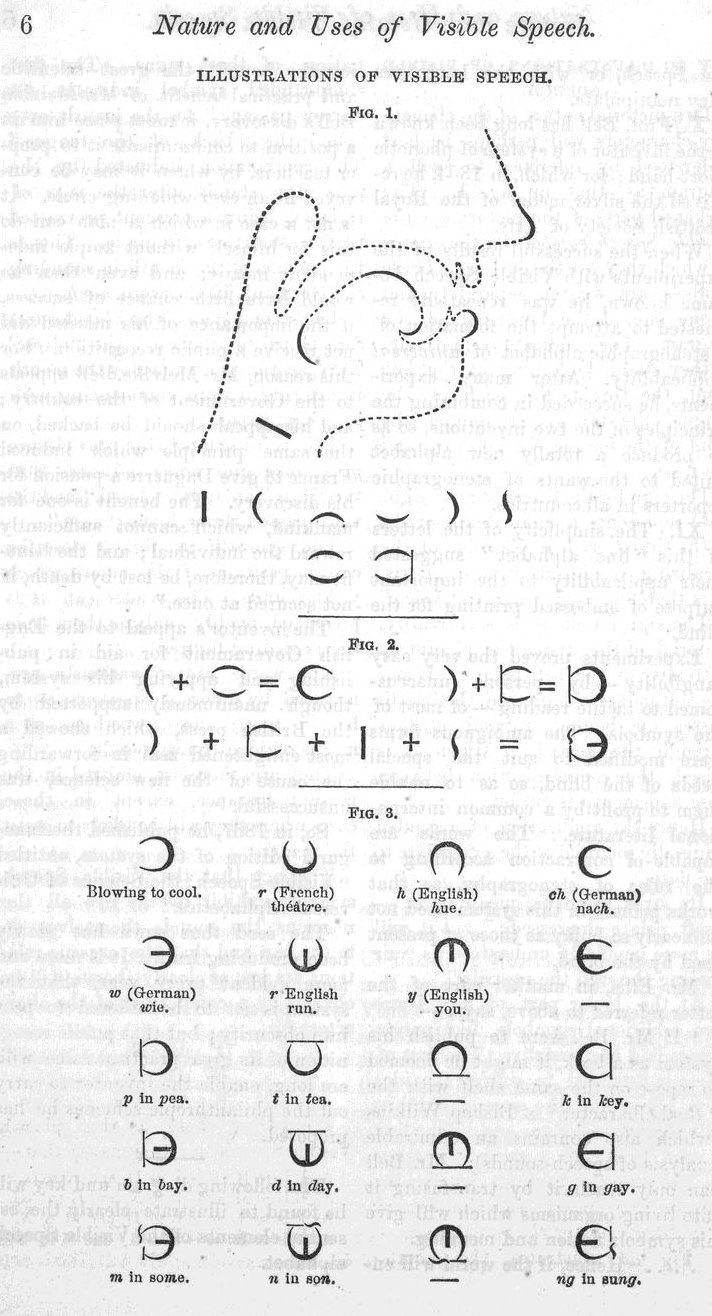
A phonetic notation system created by Bell's father in 1867 to teach deaf students how to form speech sounds, which shaped Bell's own understanding of sound.
This system, created by Bell's father and performed by young Alexander, shaped his lifelong work in speech and deaf education.
About this source
What it is
Visible Speech is a system of symbols developed in 1867 by Alexander Melville Bell, Alexander Graham Bell's father, to show the position of the mouth, tongue and throat used to make each speech sound. It was published as a book, Visible Speech: The Science of Universal Alphabetics.
Why it matters
The system was designed to help deaf students learn to speak by seeing the sounds rather than hearing them. Alexander Graham Bell learned the symbols as a child, helped his father demonstrate the system publicly, and later became an advocate for oral education of the deaf. The experience shaped how he thought about sound and speech, ideas he later built on when inventing the telephone and photophone.
Look closer
- Why might drawing the mouth's shape help someone who cannot hear learn to speak?
- What does it tell you that Alexander Graham Bell performed in demonstrations of his father's invention as a boy?
- What problems might arise with trying to represent every sound in every language with one system?
This book is part of the curated material that grounds the AI version of Alexander Graham on Humy.ai — when students ask about related events, the AI can quote it and cite it.
More Alexander Graham sources
Meet the AI Alexander Graham →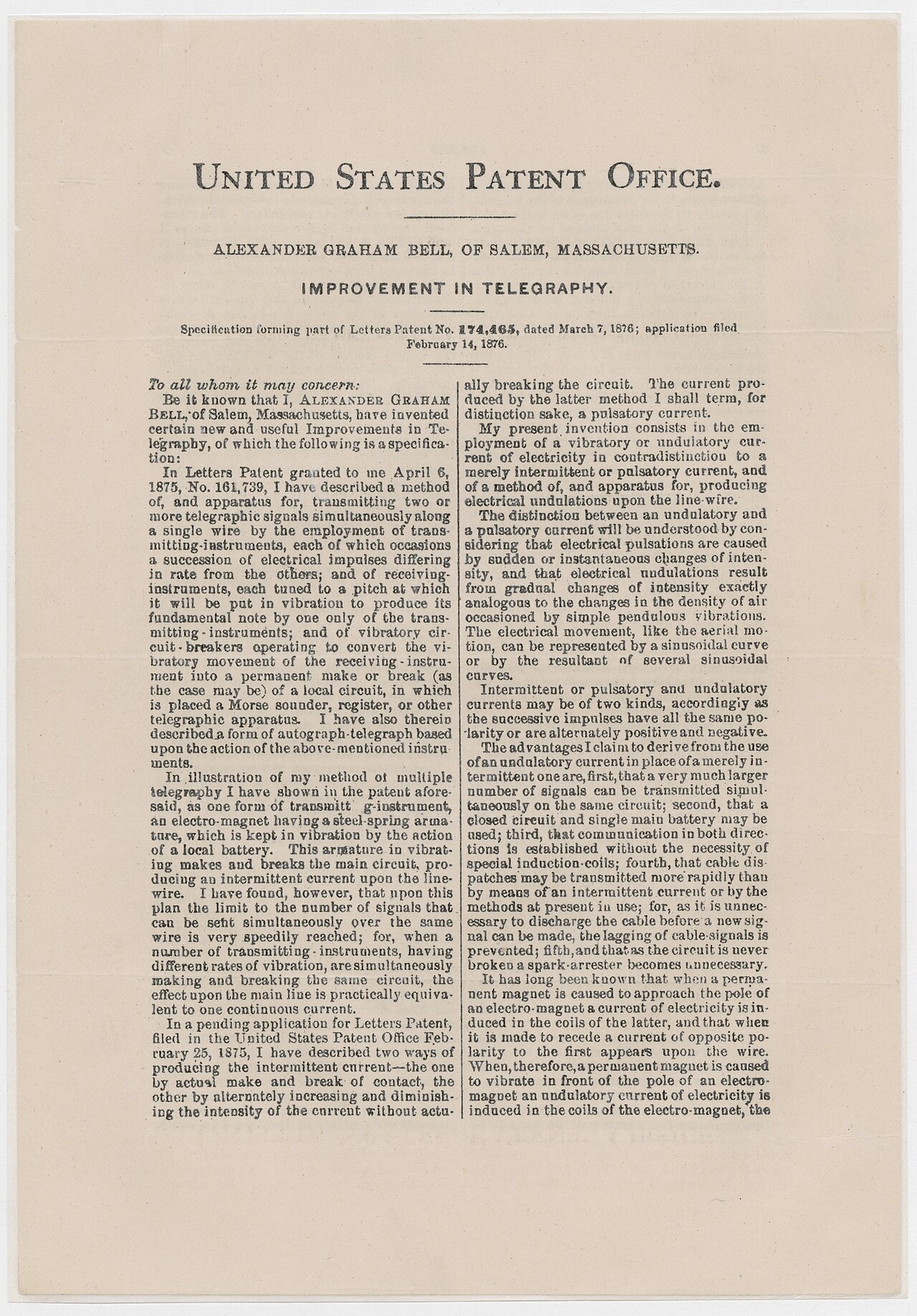 Document
Primary source
U.S. Patent No. 174,465, Improvement in Telegraphy
Alexander Graham Bell · 7 March 1876
Primary source
Recording of the Voice of Alexander Graham Bell
Alexander Graham Bell · 1885
 Painting
Primary source
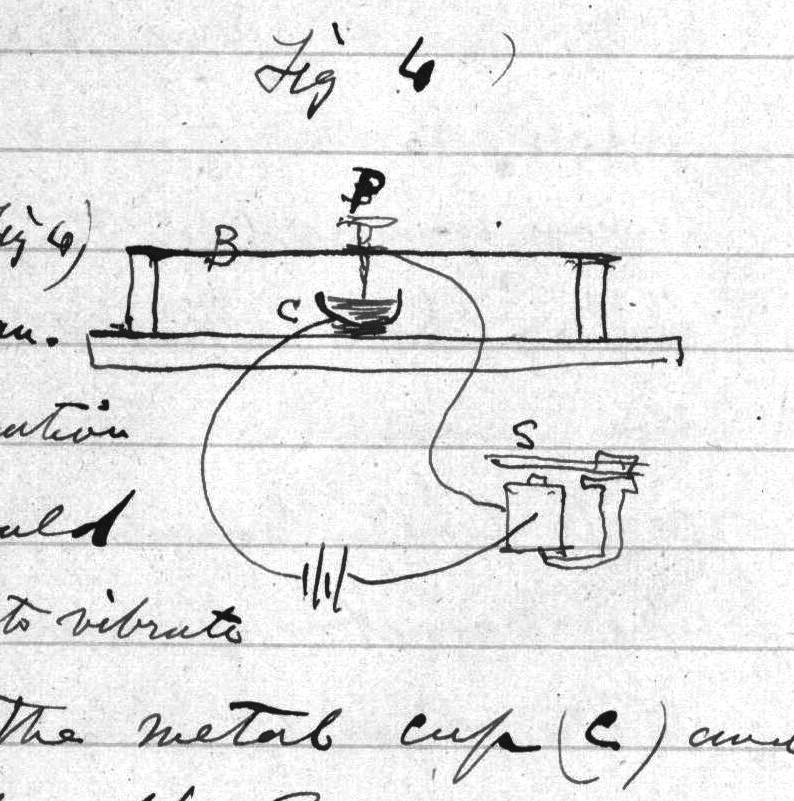
Drawing of a Liquid Transmitter, 8 March 1876
Alexander Graham Bell · 8 March 1876
Primary source
Memoir Upon the Formation of a Deaf Variety of the Human Race
Alexander Graham Bell · 1884
 Photograph
Primary source
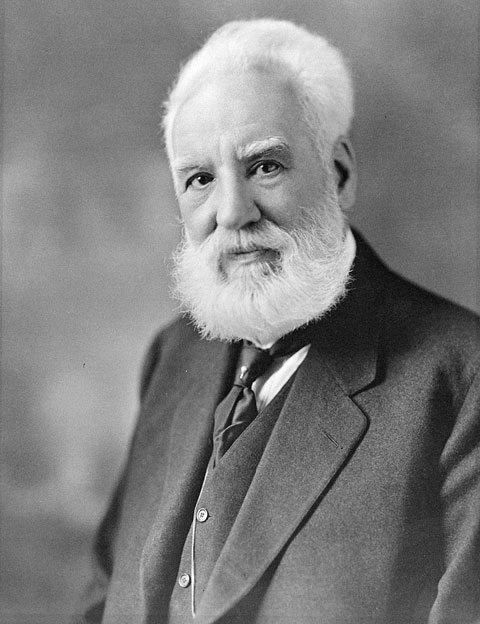
Portrait of Alexander Graham Bell
Moffett Studio
Ready when you are
Start chatting with Alexander Graham now.
20 messages free · No credit card · Available in 50+ languages.