


Primary sourceDocument1872
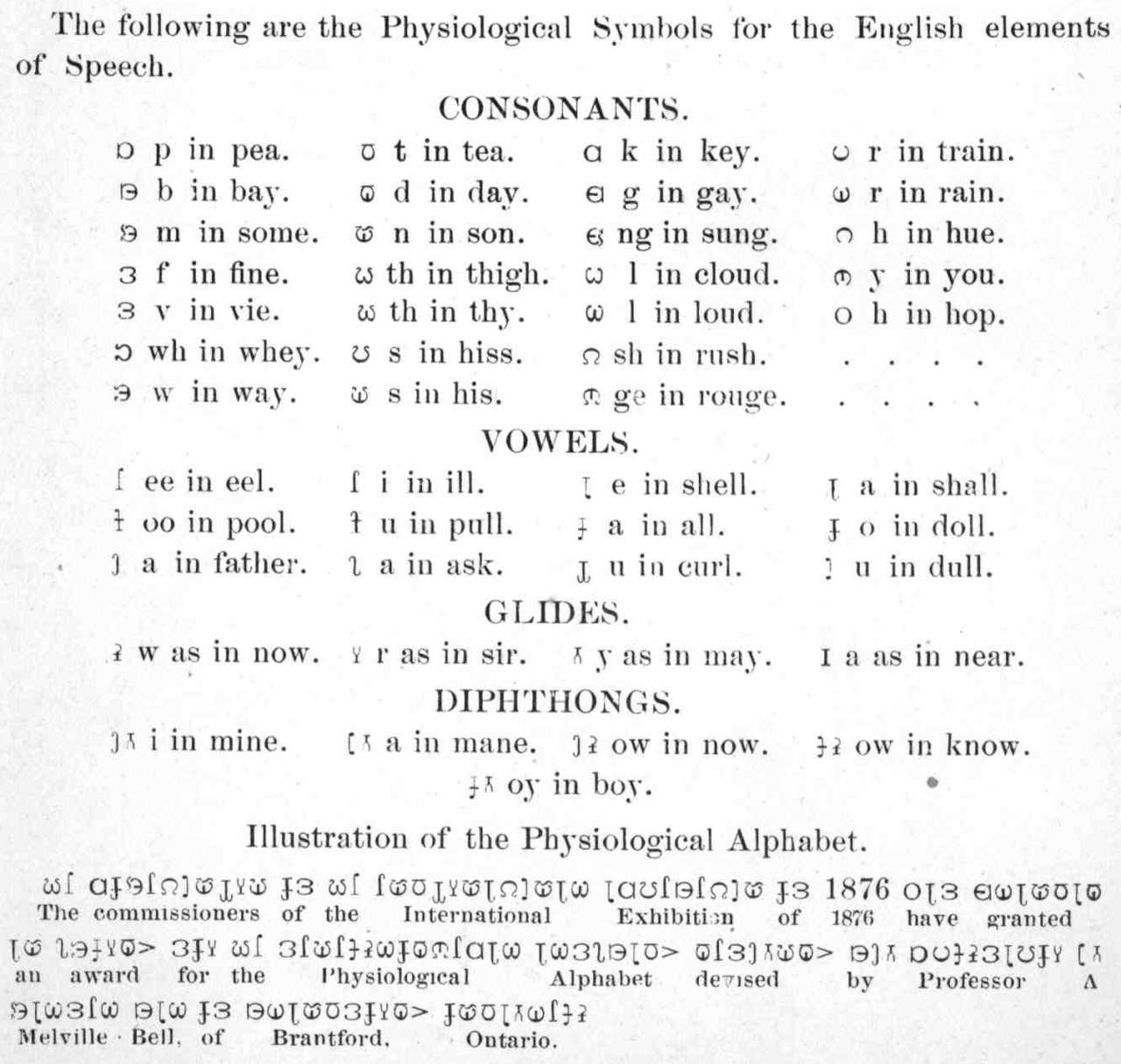
Visible Speech Chart of English Sounds
Alexander Graham Bell · 1872
A printed chart of Bell's phonetic system Visible Speech, which he used to teach deaf pupils and which shaped his early career.
A chart from Bell's own book showing the phonetic system he taught to deaf pupils before inventing the telephone.
About this source
What it is
This is a printed chart from Alexander Graham Bell's 1872 work on Visible Speech, a system of phonetic symbols. It lists consonants, vowels and diphthongs of English, each paired with an example word, and includes a note about an 1876 award given to Bell's father, Melville Bell.
Why it matters
Visible Speech was invented by Bell's father and taught by Alexander Graham Bell to deaf pupils in Boston. This work with speech and sound was the foundation of his career before he turned to the telephone — it shows how his interest in transmitting and representing sound began with teaching, not technology.
Look closer
- Why would someone need a written system to show exactly how sounds are spoken?
- How might teaching deaf pupils to produce sounds connect to later inventing a machine that transmits sound?
- What does the family connection (father and son) suggest about where Bell's ideas came from?
This document is part of the curated material that grounds the AI version of Alexander Graham on Humy.ai — when students ask about related events, the AI can quote it and cite it.
More Alexander Graham sources
Meet the AI Alexander Graham →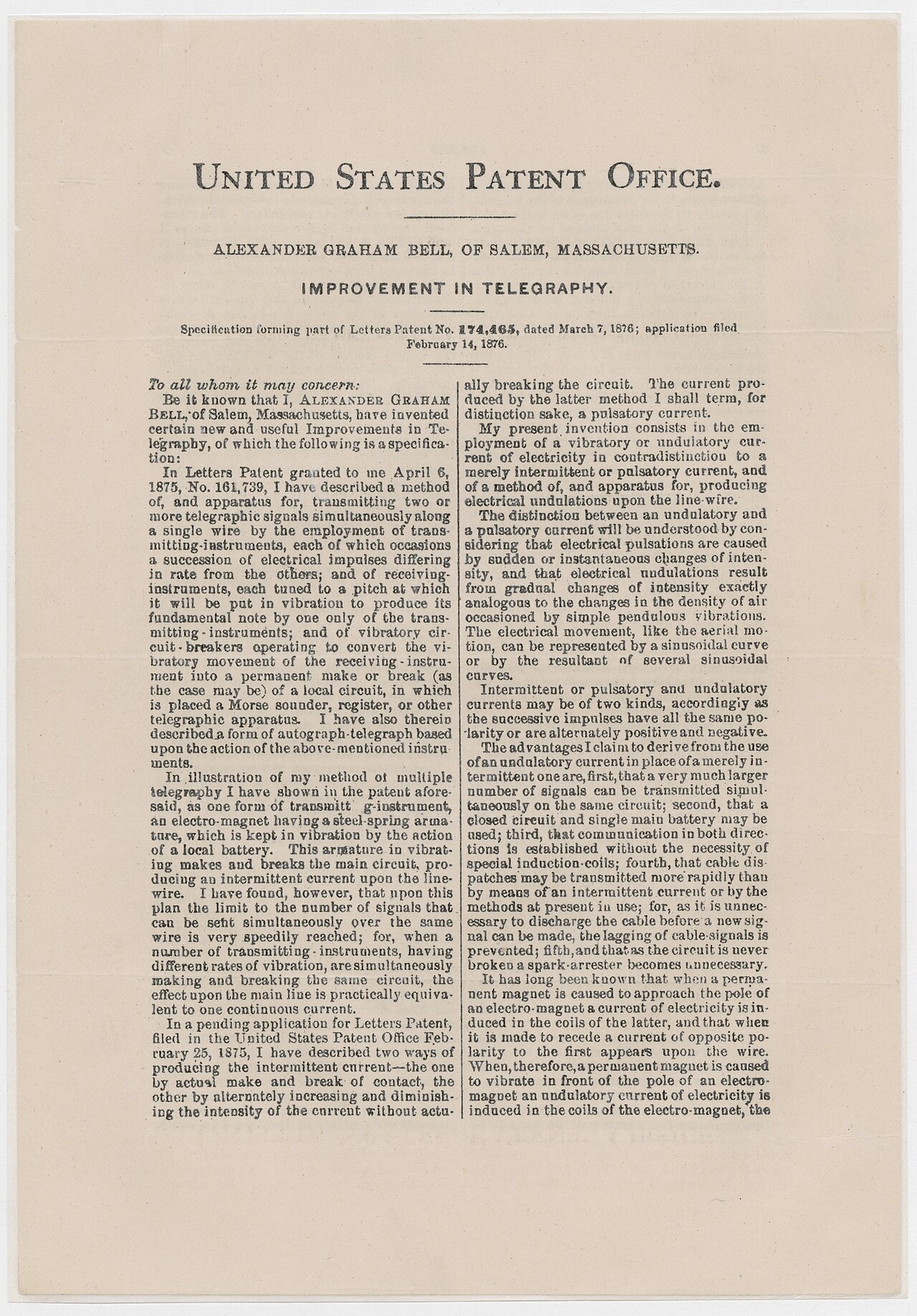 Document
Primary source
U.S. Patent No. 174,465, Improvement in Telegraphy
Alexander Graham Bell · 7 March 1876
Primary source
Recording of the Voice of Alexander Graham Bell
Alexander Graham Bell · 1885
 Painting
Primary source
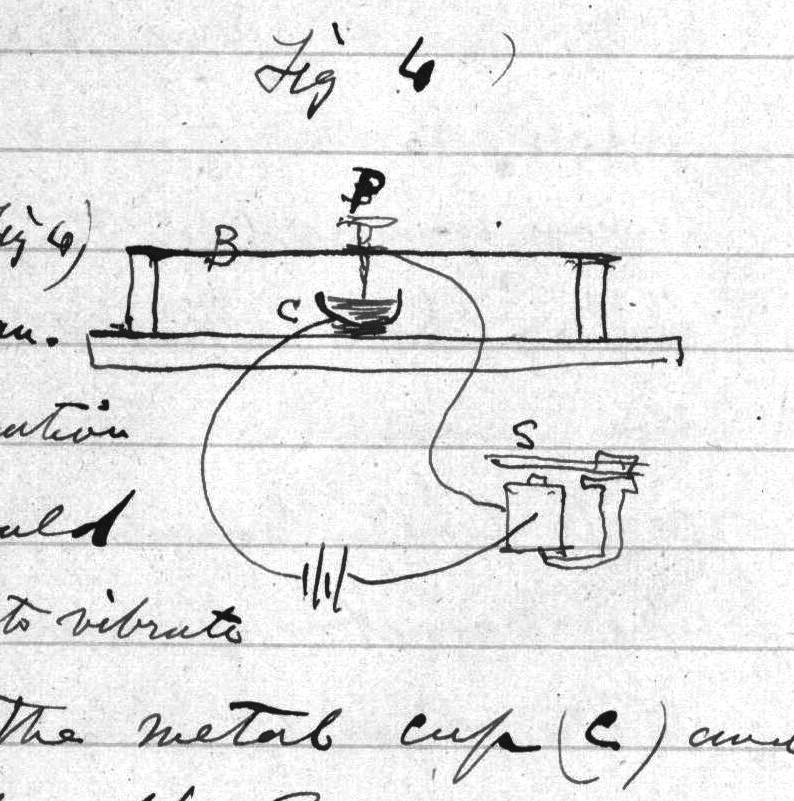
Drawing of a Liquid Transmitter, 8 March 1876
Alexander Graham Bell · 8 March 1876
Primary source
Memoir Upon the Formation of a Deaf Variety of the Human Race
Alexander Graham Bell · 1884
 Photograph
Primary source
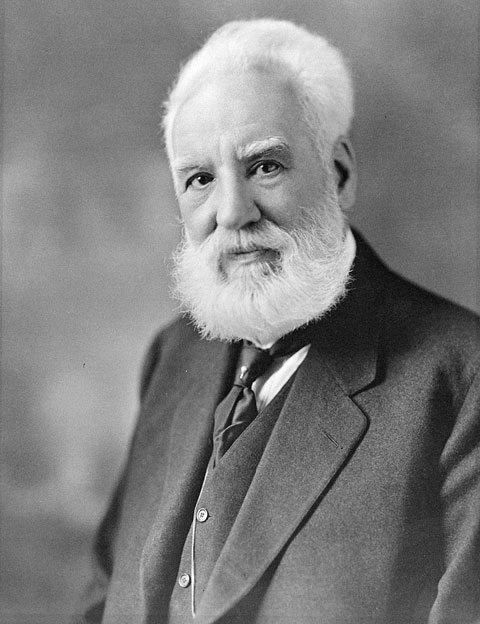
Portrait of Alexander Graham Bell
Moffett Studio
Ready when you are
Start chatting with Alexander Graham now.
20 messages free · No credit card · Available in 50+ languages.