


Secondary sourcePainting
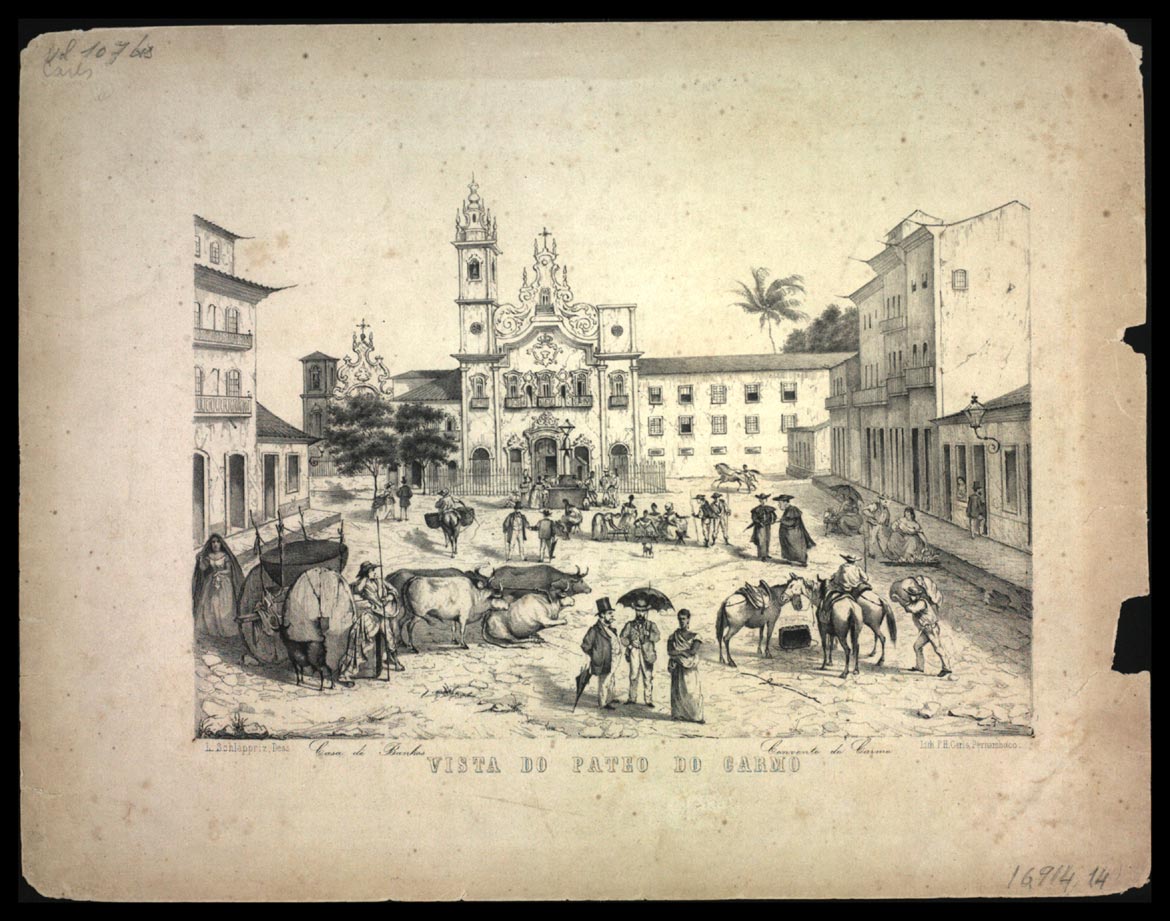
Vista do Pátio do Carmo
Luis Schlappriz
A 19th-century lithograph of enslaved Africans working in Recife's Pátio do Carmo, the square where tradition says Zumbi's head was displayed in 1695.
This print shows the square where tradition says Zumbi's head was displayed after his death.
About this source
What it is
A black-and-white lithograph by Luis Schlappriz showing the Pátio do Carmo in Recife, with a baroque church, a palm tree, and people at work in the square, including enslaved Africans carrying loads and selling goods.
Why it matters
Tradition holds that after Zumbi's death in 1695, his head was displayed in this very square as a warning to others. This 19th-century print does not show that event directly, but it documents the ongoing presence of slavery in Recife long after Zumbi's time, giving context to the world he fought against.
Look closer
- What kinds of work are the people in the image doing, and what does that tell you about their status?
- Why might an artist have chosen to depict this square, and for whom?
- What does this image leave out about the history of this place?
This painting is part of the curated material that grounds the AI version of Zumbi on Humy.ai — when students ask about related events, the AI can quote it and cite it.
More Zumbi sources
Browse all 41 →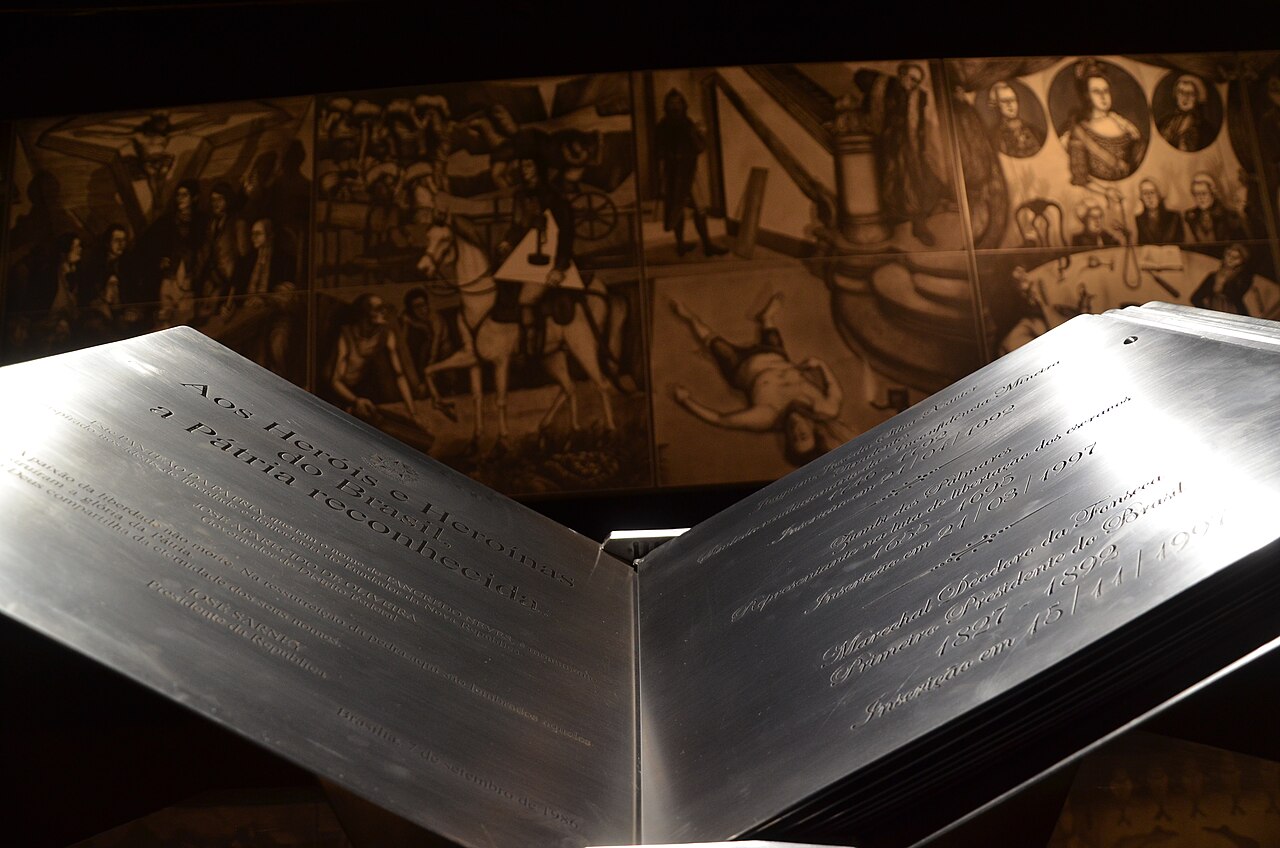 Artifact
Secondary source
Livro de Aço dos Heróis e Heroínas da Pátria
1989 (Zumbi entry added 1997)
 Painting
Secondary source
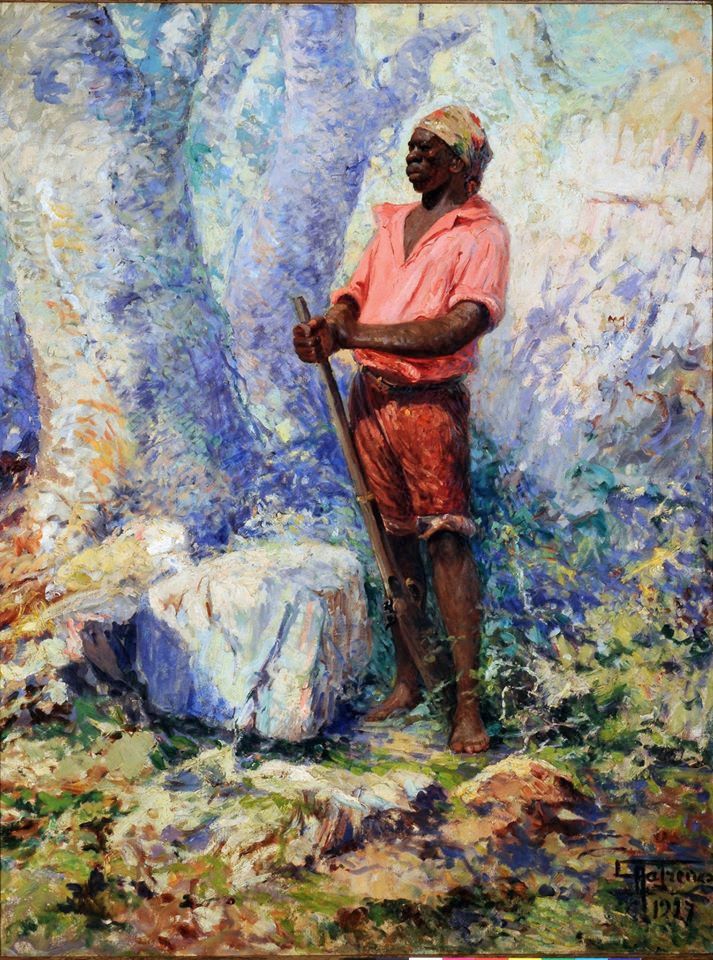
Zumbi
Antônio Parreiras · c. 1915
 Sculpture
Secondary source
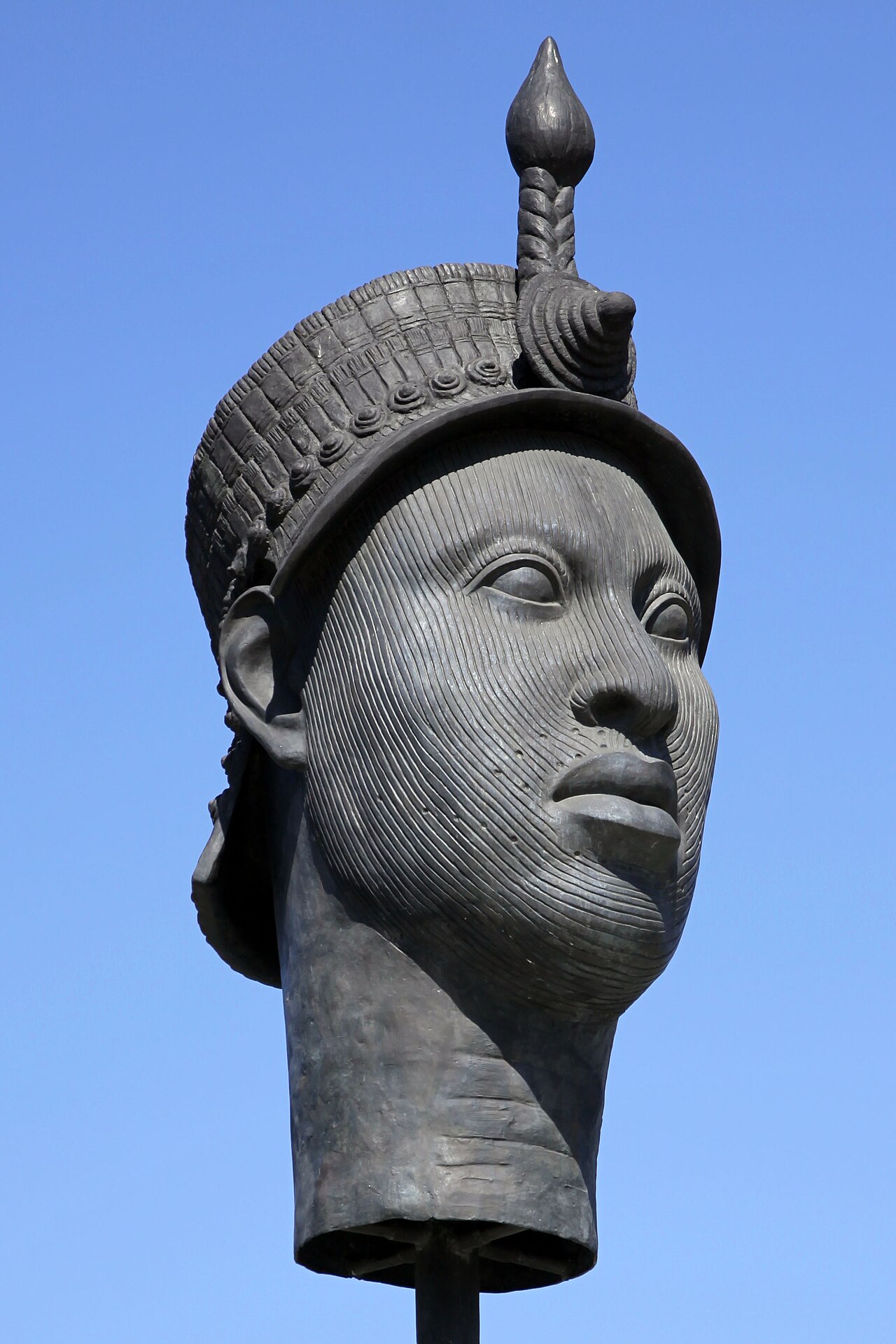
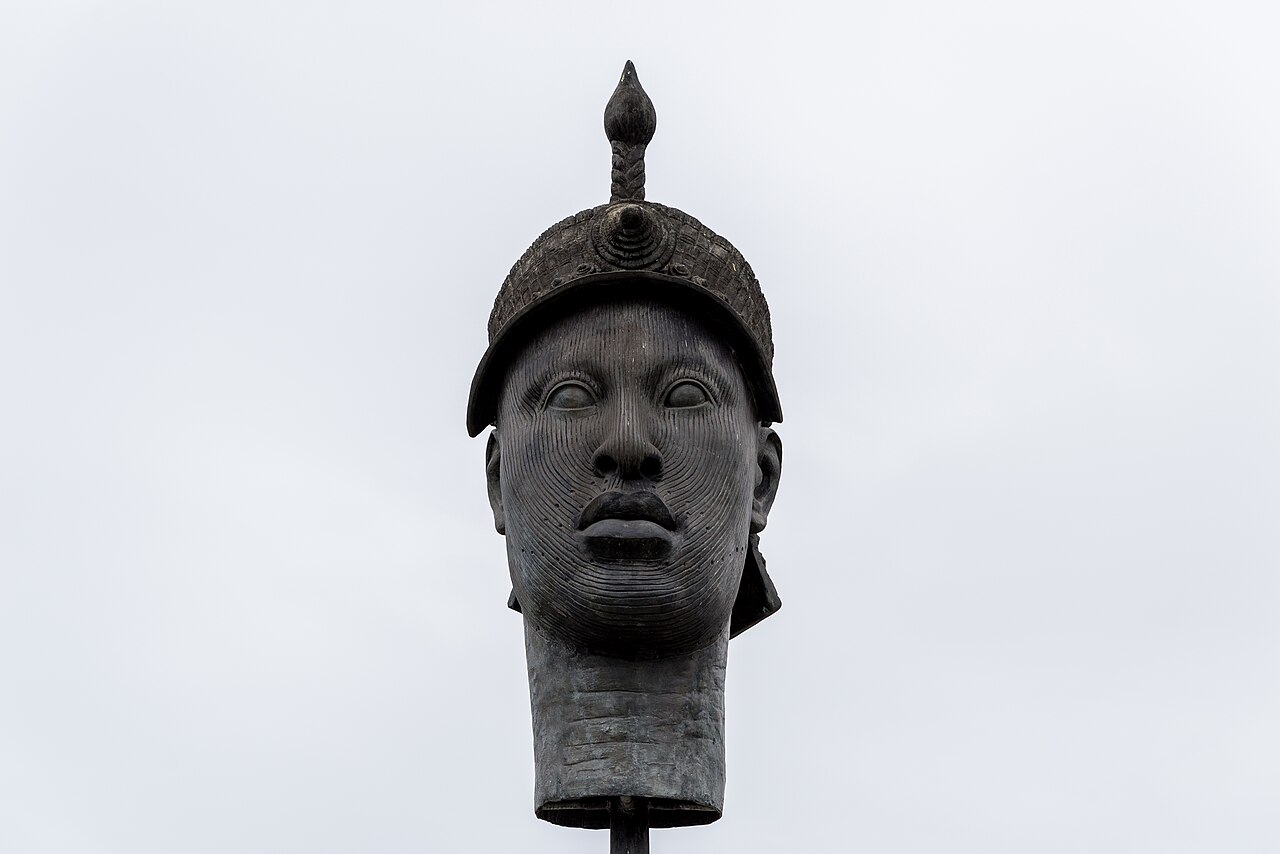
Sculpture of Zumbi dos Palmares (Ife Bronze)
1986
 Document
Primary source
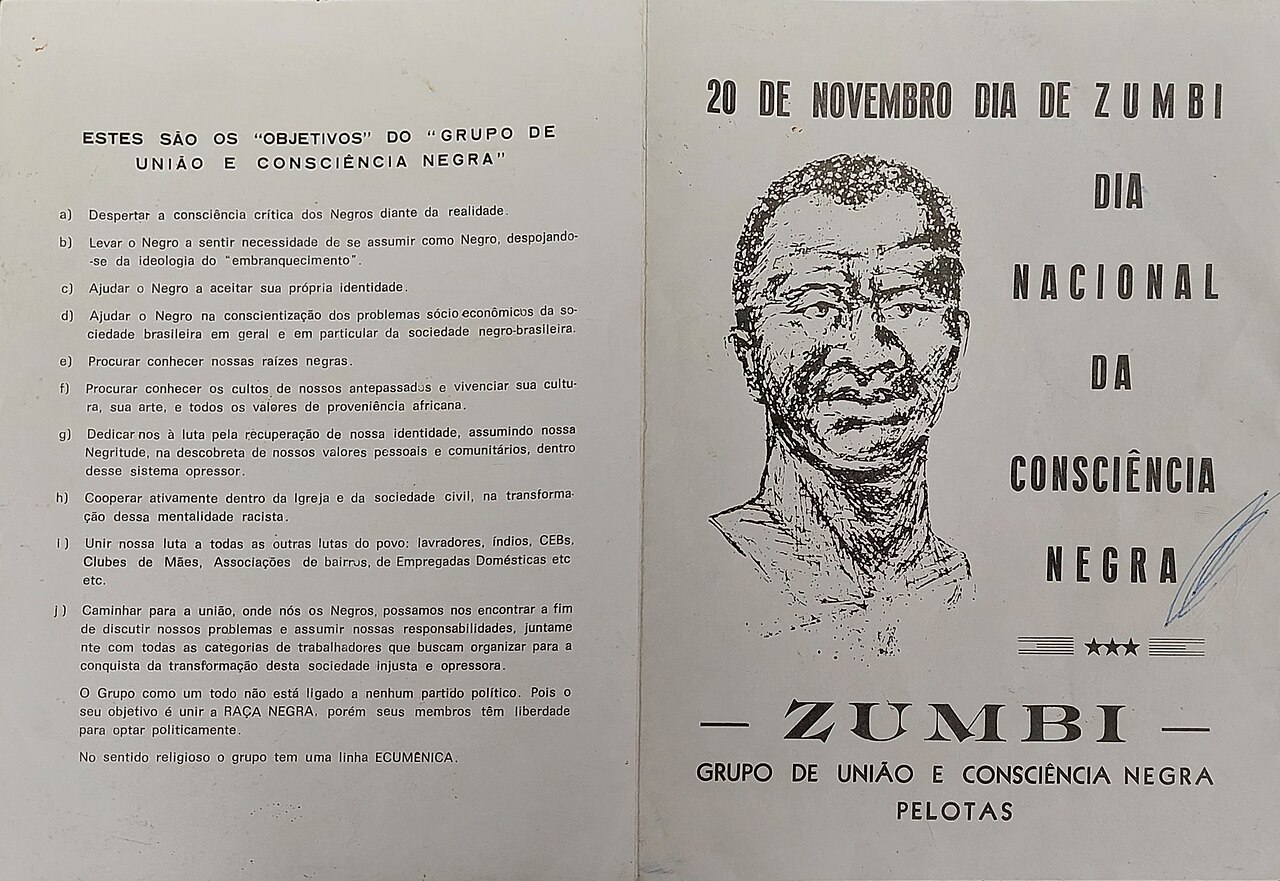
Panfleto do Dia Nacional da Consciência Negra
Parzeus · 1983
Free account
Browse every Zumbi source
Sign up free →
Ready when you are
Start chatting with Zumbi now.
20 messages free · No credit card · Available in 50+ languages.