


Primary sourceBook1839
Vittoria Accoramboni, Duchess of Bracciano
Stendhal · 1839
A chronicle by Stendhal, published in 1839, presented as a translation of an account written in Padua in December 1585.
A chronicle by Stendhal himself, presented as a sixteenth-century Roman story, which shows how he framed history as literature.
Free Humy account · No credit card · 120,912 sources to read
About this source
What it is
This is a French chronicle by Stendhal, published in 1839 in his Chroniques italiennes. The writer says it is not a novel but a faithful translation of a grave account written in Padua in December 1585. He explains that he found old manuscripts in Mantua while looking for small paintings, and that an avaricious patrician let him read hundreds of volumes of tragic stories and duel challenges, on condition he did not repeat the anecdotes unless he bought the manuscripts. The text is a digital copy of the book.
Why it matters
The chronicle shows Stendhal's method. He presents a story from the sixteenth century as if it came from old documents, which gives it the authority of a real record. The frame also reveals the market in old manuscripts in his day and the way a writer could use such sources to tell a tragic history about a Roman duchess.
Look closer
- Why does Stendhal insist that this is a translation and not a novel, and how does that claim affect your trust in it?
- What does the frame story about the manuscripts tell you about the sources Stendhal used?
- Whose voices are missing from the story he says he found in the old volumes?
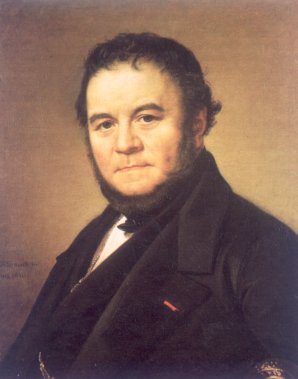
This book is part of the curated material that grounds the AI version of Stendhal on Humy.ai — when students ask about related events, the AI can quote it and cite it.
More Stendhal sources
Browse all 95 →
Ready when you are
Start chatting with Stendhal now.
20 messages free · No credit card · Available in 50+ languages.