


Primary sourceSculpturemodeled 1911
Vittorio Emanuele III, King of Italy
Henry H. Kitson · modeled 1911
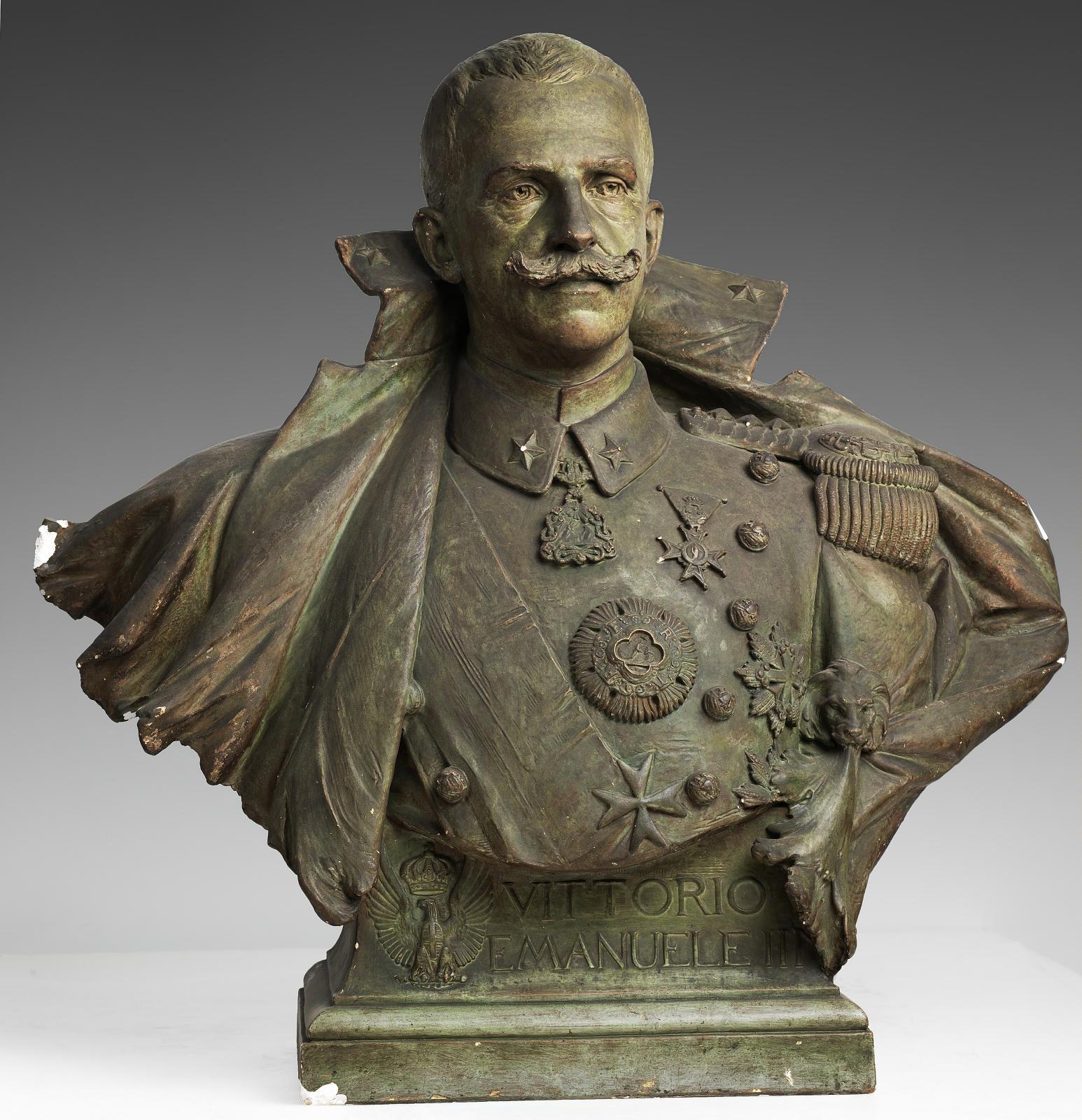
A green-patinated bronze bust of the king in military uniform, modeled by Henry Kitson in 1911 and held by the Smithsonian American Art Museum.
It is a portrait of the king made during his reign, showing how he was presented in military dress in 1911.
About this source
What it is
This is a green-patinated bronze bust of King Vittorio Emanuele III, modeled in 1911 by the sculptor Henry Kitson. The king wears a mustache, a military uniform with a cape draped over his shoulders, medals and decorations on his chest, and a braided epaulette. The base reads VITTORIO EMANUELE III. The work is held by the Smithsonian American Art Museum.
Why it matters
Sculpted portraits of rulers were used to show power and status, and copies of them could travel far from the court. This bust was made during the king's reign, by an American-based sculptor, and it shows how the Italian monarch was represented beyond Italy. It helps students see how rulers were portrayed through art in the early twentieth century.
Look closer
- What do the uniform, medals and cape tell you about how the king wanted to be seen?
- Why might a sculptor in the United States have made a portrait of an Italian king?
- What does a bust leave out about the king's character and actions?
This sculpture is part of the curated material that grounds the AI version of Victor Emmanuel III on Humy.ai — when students ask about related events, the AI can quote it and cite it.
More Victor Emmanuel III sources
Browse all 98 →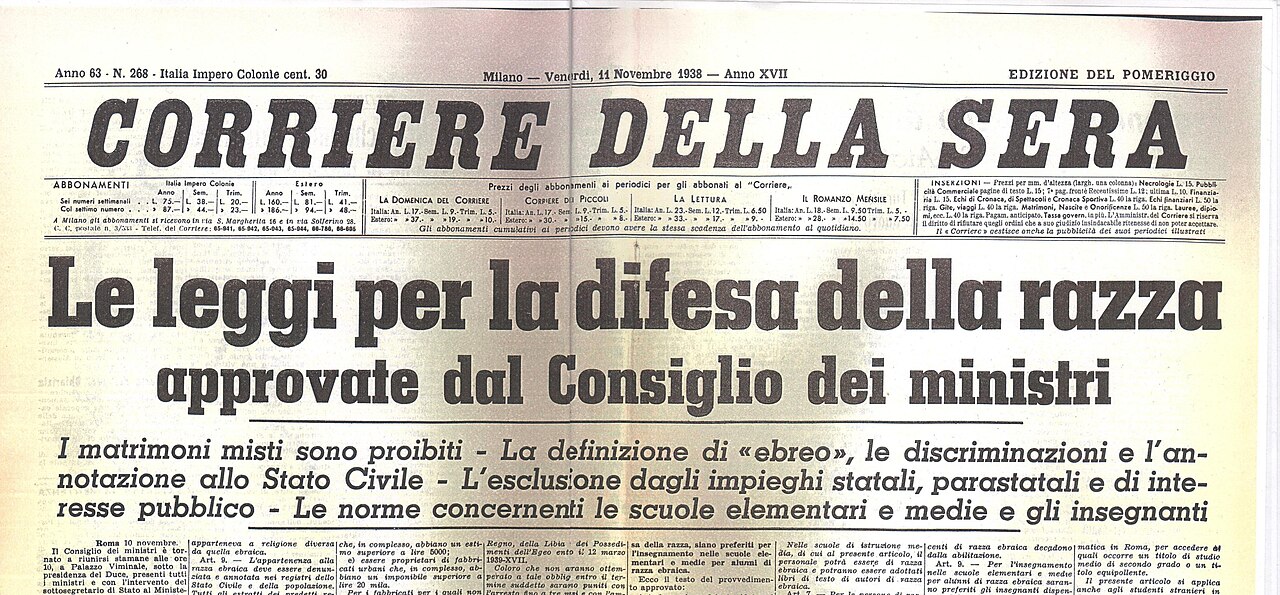 Newspaper article
Primary source
Italian Racial Laws
1938
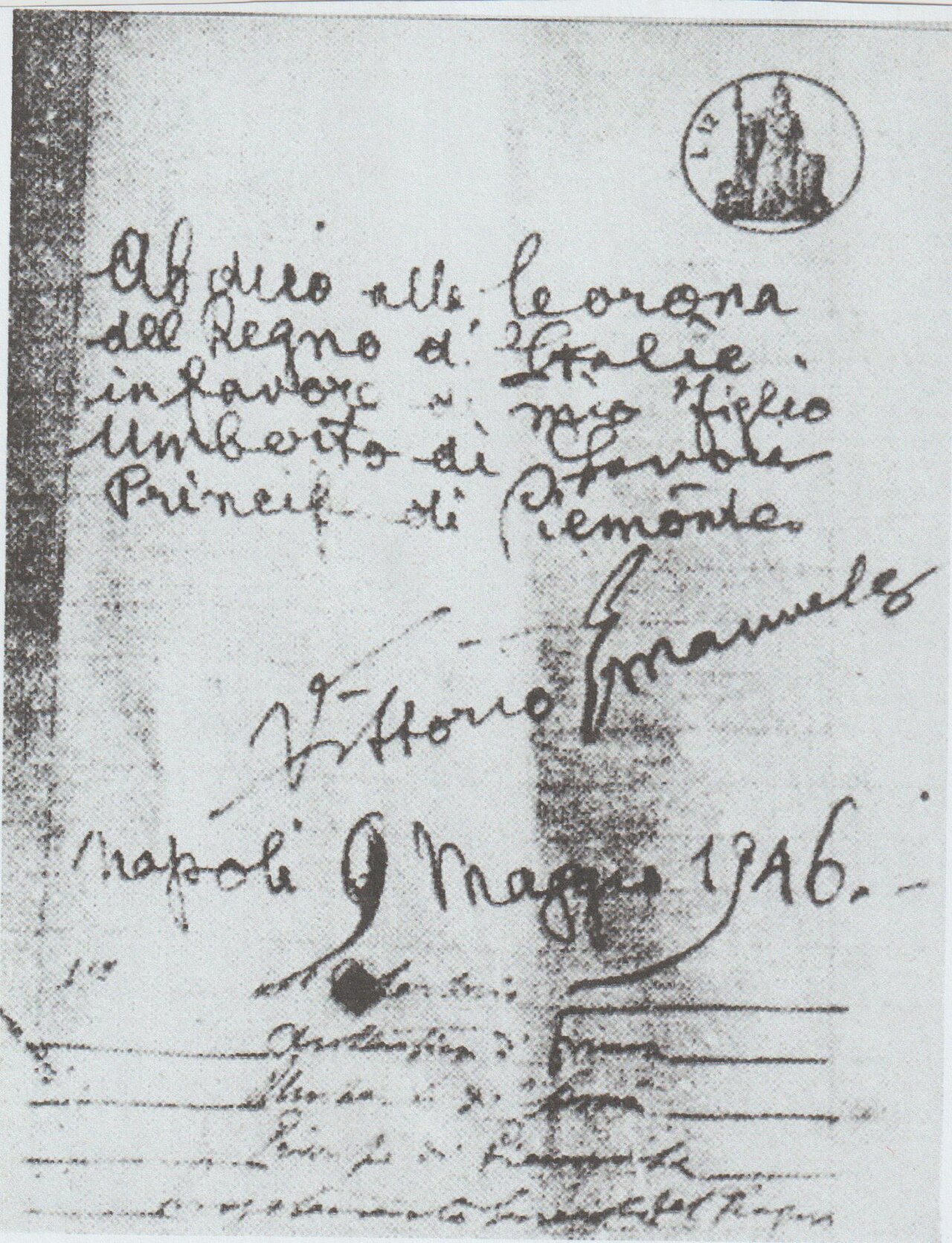 Document
Primary source
Atto di abdicazione di Vittorio Emanuele III
Nicola Angrisano (notary) · 9 May 1946
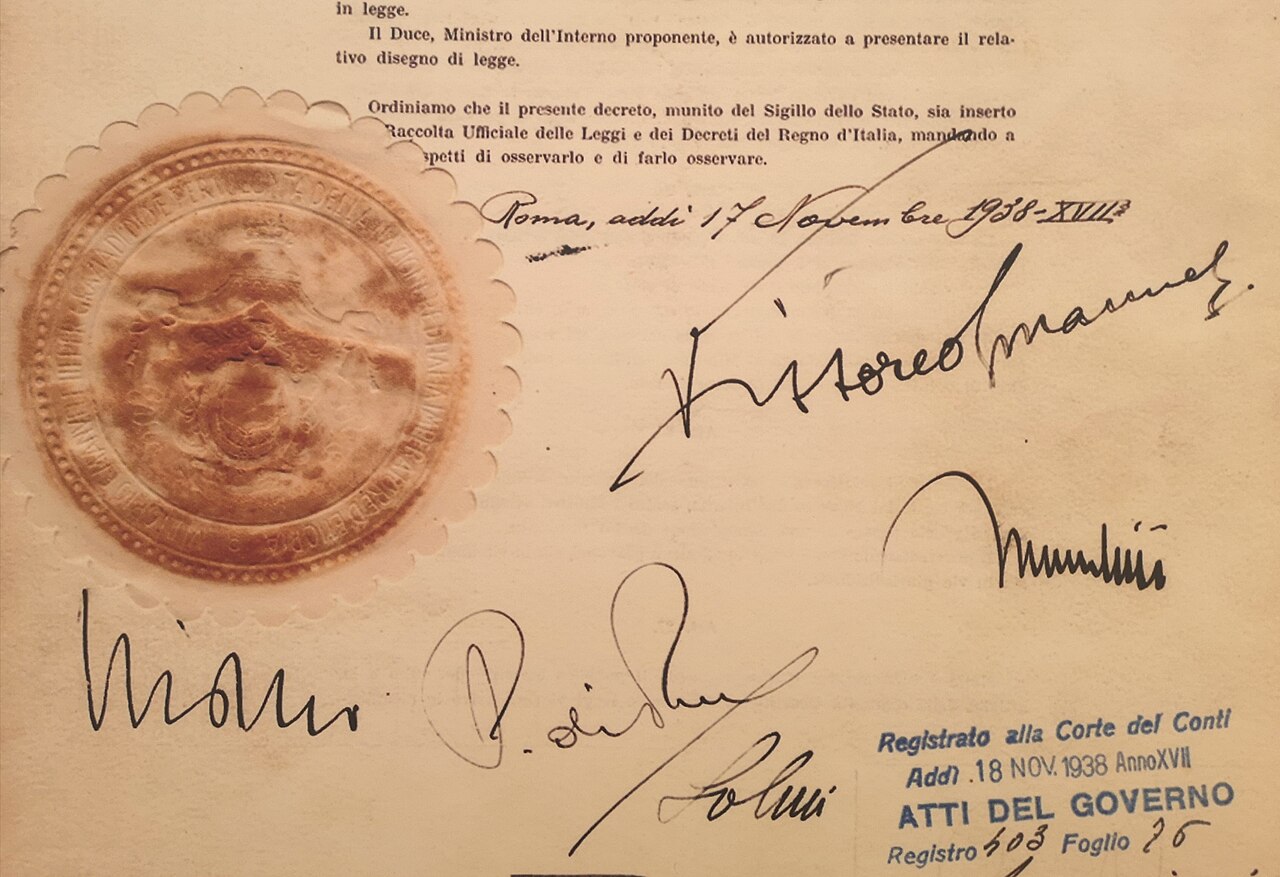 Document
Primary source
Fascist Racial Laws Decree of 17 November 1938
17 November 1938
 Photograph
Primary source
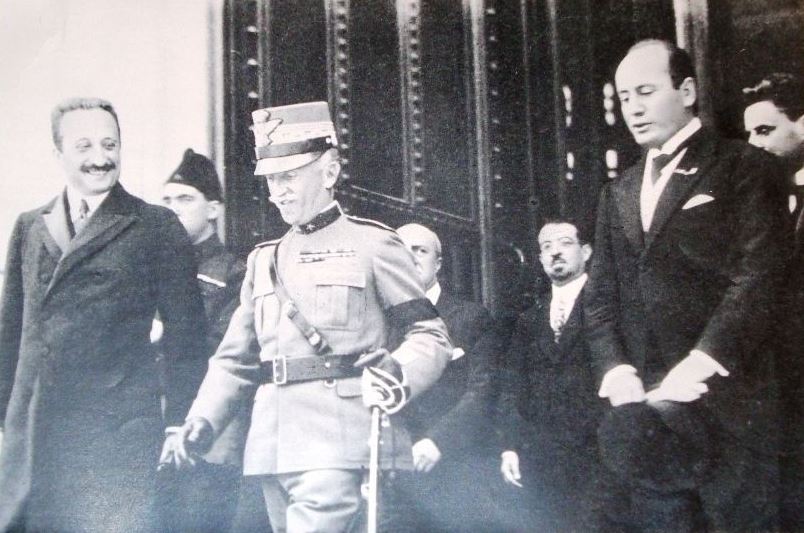
Enrico De Nicola, il re e Mussolini all'uscita di Montecitorio, Roma 1923
Unknown · 1923
Free account
Read every Victor Emmanuel III source
Sign up free →
Ready when you are
Start chatting with Victor Emmanuel III now.
20 messages free · No credit card · Available in 50+ languages.