


Tertiary sourcePainting1884
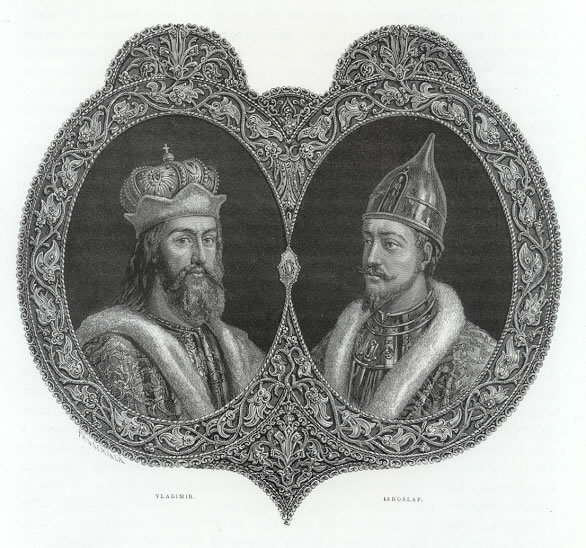
Vladimir and Yaroslav
Hippolyte de la Charlerie; François Pannemaker · 1884
An 1884 engraved double portrait of Vladimir and his son Yaroslav, made long after their time for a travel book. It shows how later writers imagined the Kievan rulers.
It shows Vladimir as a figure remembered in the 19th century, paired with his son Yaroslav, rather than as a contemporary likeness.
About this source
What it is
This is a wood or steel engraving printed as a book illustration. It shows two men in an ornate oval frame, labelled VLADIMIR and YAROSLAF. The left figure wears a crown with a cross and a fur-trimmed embroidered robe. The right figure has a mustache and wears a pointed helmet and armored collar. The engraving was drawn by Hippolyte de la Charlerie and engraved by François Pannemaker, and it was published in Paris in 1884. It was reprinted in a Boston travel book of 1887 edited by Leo de Colange.
Why it matters
The engraving is not a portrait made from life. It is a decorative picture that reflects 19th-century ideas about medieval Russian rulers. The travel book's notes describe Vladimir as a ruler who united Russian lands and accepted Christianity. They also describe Yaroslav as his son, who became ruler in Kiev after struggles with his brothers and had ties to Scandinavian royal houses. The picture therefore tells us more about how Vladimir's legacy was remembered later than about how he looked.
Look closer
- What clues in the clothing and frame suggest the artist wanted the rulers to look royal or heroic?
- Why might a travel book include portraits of medieval rulers?
- What does this picture leave out about the everyday lives of people in Kiev?
This painting is part of the curated material that grounds the AI version of Vladimir the Great on Humy.ai — when students ask about related events, the AI can quote it and cite it.
More Vladimir the Great sources
Browse all 97 →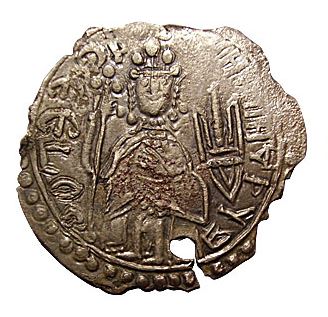 Artifact
Primary source
Srebrenik of Vladimir the Great
Mint of Vladimir I · c. 988–1015
 Document
Secondary source
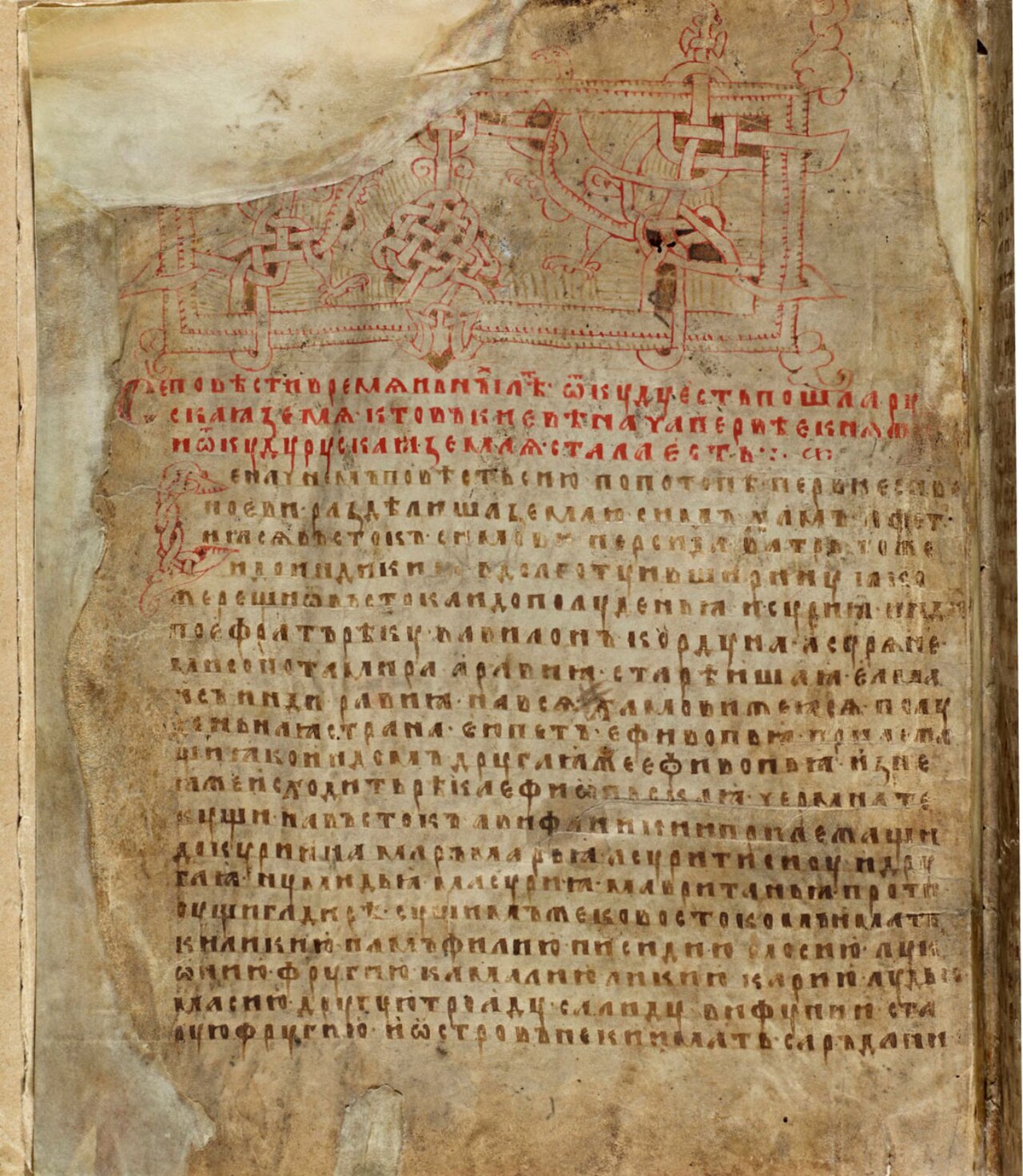
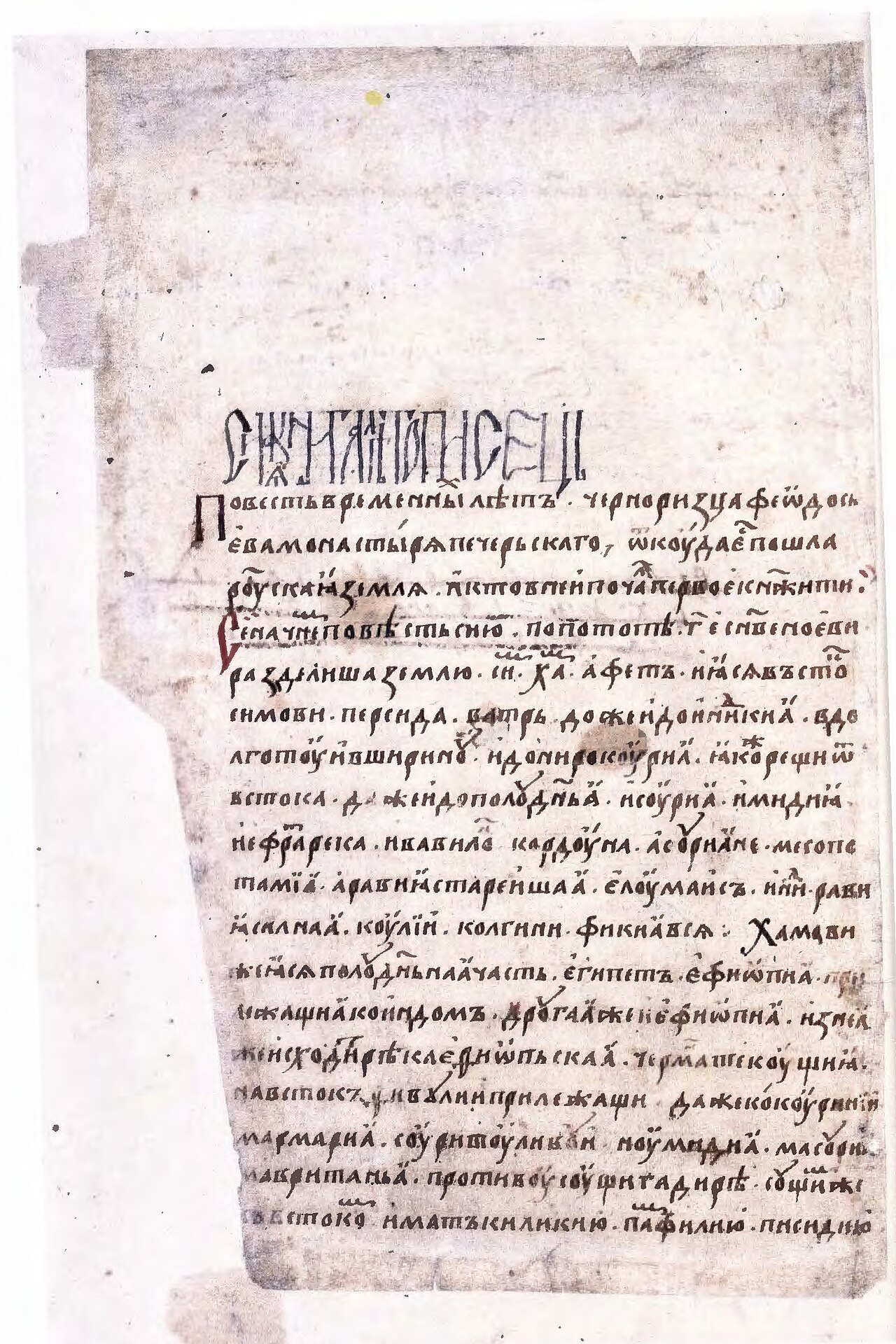
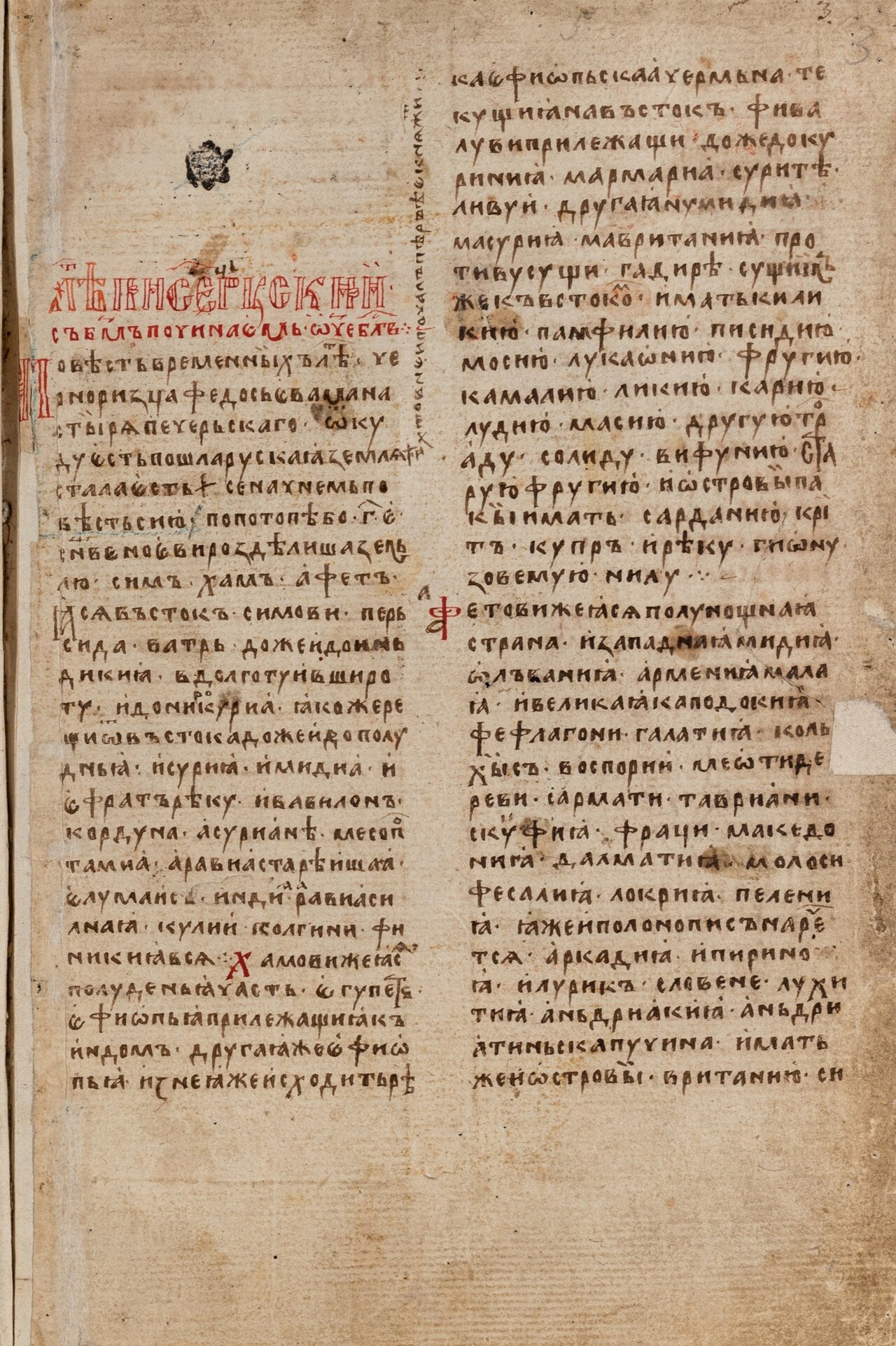
Laurentian Codex
Laurentius · 1377
 Artifact
Primary source
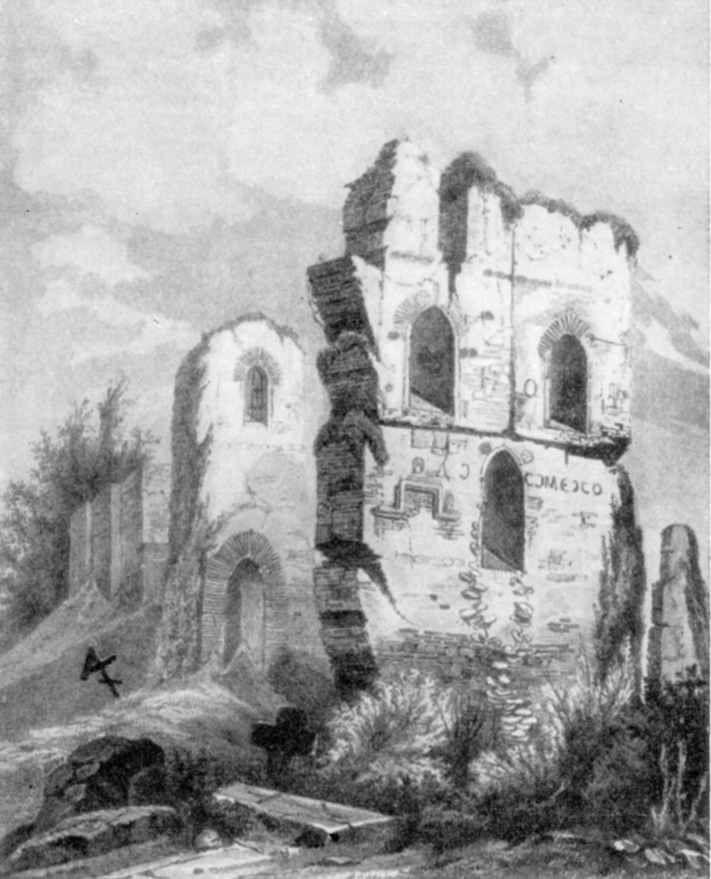
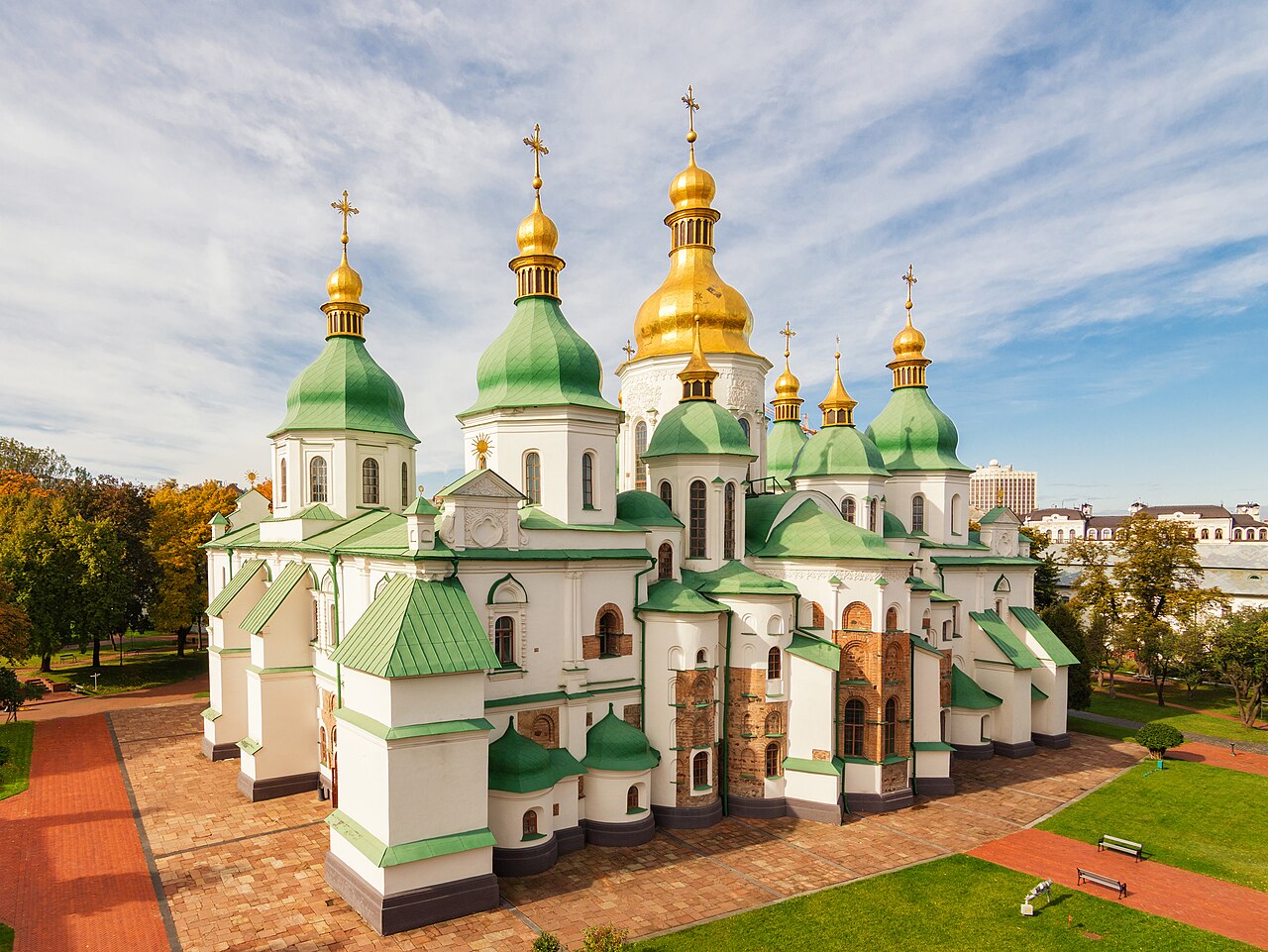
Church of the Tithes
996
 Painting
Secondary source
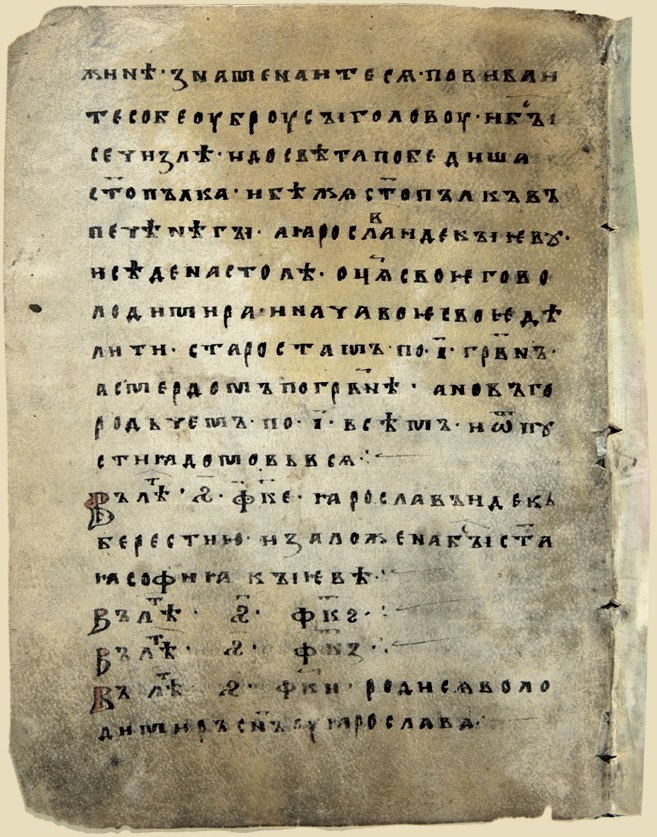
Radziwiłł Chronicle
c. 1500 (copy of a 13th-century original)
Free account
Read every Vladimir the Great source
Sign up free →
Ready when you are
Start chatting with Vladimir the Great now.
20 messages free · No credit card · Available in 50+ languages.