


Primary sourceArtifact1885
Volta Laboratory wax disc 4: Hamlet's soliloquy
Volta Laboratory · 1885
A 1885 wax disc recording of Hamlet's soliloquy made in Bell's Volta Laboratory during early sound recording experiments.
This disc comes from the laboratory Bell founded, where he and his team experimented with recording sound.
About this source
What it is
This is a wax disc recording of the soliloquy 'To be or not to be' from Shakespeare's Hamlet, made in Bell's Volta Laboratory in 1885. The wax is green and sits on a brass backing, which was cut vertically. The catalogue description says Chichester Bell was principally responsible for the wax disc experiments of this period and probably voiced most of the test recordings himself. The speaker is therefore probably not Alexander Graham Bell. The recording is an audio file, and the description and dating come from a modern catalogue note.
Why it matters
Early sound recording was experimental. The laboratory tried several materials and methods, and its notes show the team changing things, such as the backing and the wax colour, as they learned what worked. Using a famous speech from Shakespeare as a test shows how the experiments were run with familiar material. The disc gives students a direct look at work in progress rather than a finished product.
Look closer
- What do the green wax and brass backing suggest about how the team worked?
- According to the catalogue note, who probably spoke on this recording, and why does that matter?
- What can a test recording tell us that a polished final product cannot?
This artifact is part of the curated material that grounds the AI version of Alexander Graham on Humy.ai — when students ask about related events, the AI can quote it and cite it.
More Alexander Graham sources
Meet the AI Alexander Graham →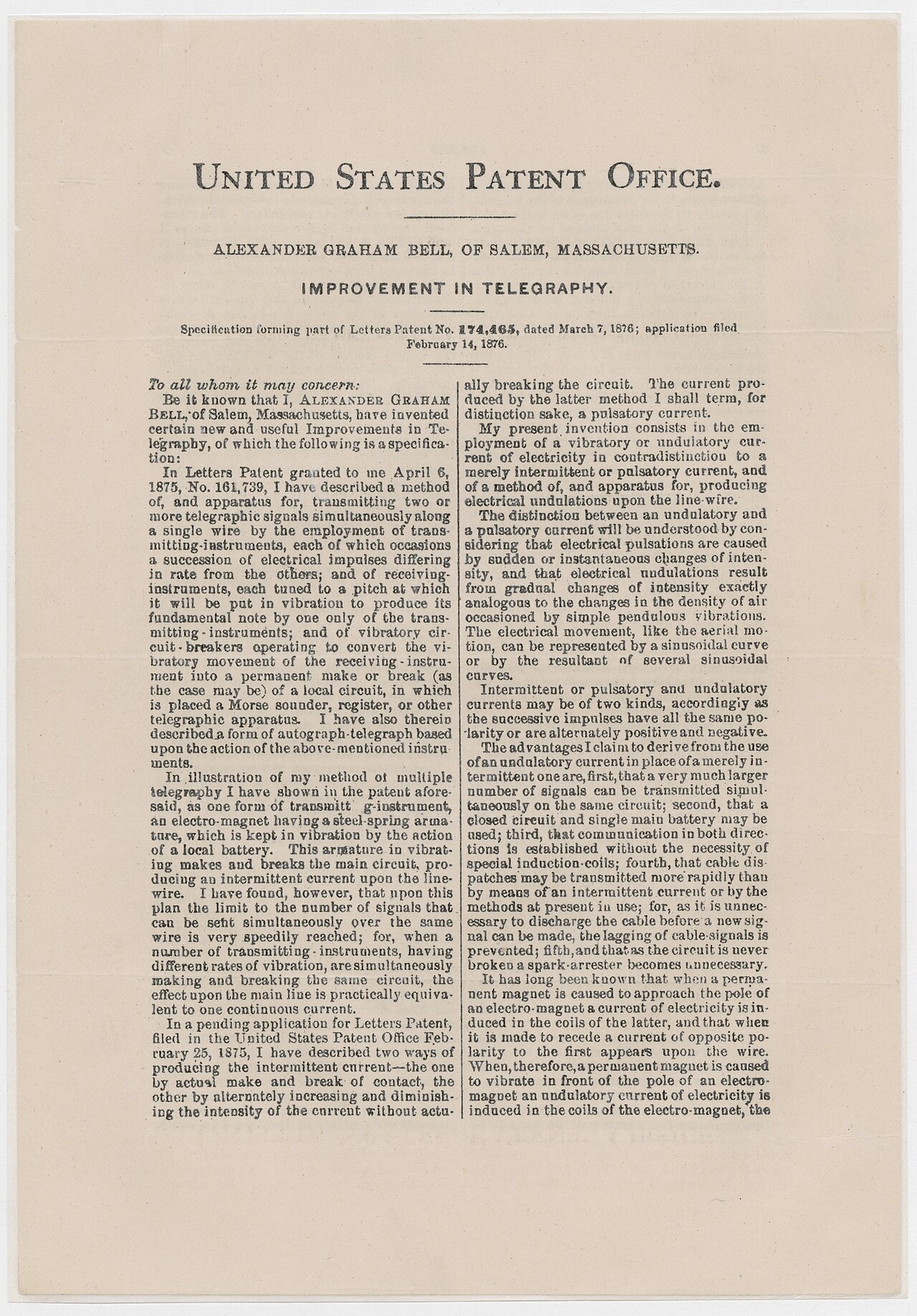 Document
Primary source
U.S. Patent No. 174,465, Improvement in Telegraphy
Alexander Graham Bell · 7 March 1876
Primary source
Recording of the Voice of Alexander Graham Bell
Alexander Graham Bell · 1885
 Painting
Primary source
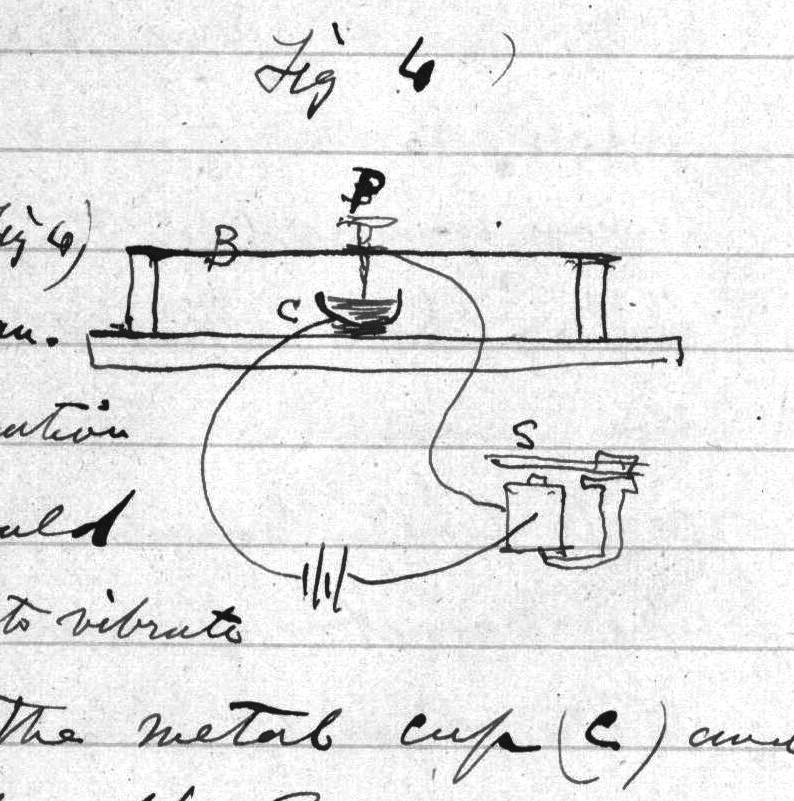
Drawing of a Liquid Transmitter, 8 March 1876
Alexander Graham Bell · 8 March 1876
Primary source
Memoir Upon the Formation of a Deaf Variety of the Human Race
Alexander Graham Bell · 1884
 Photograph
Primary source
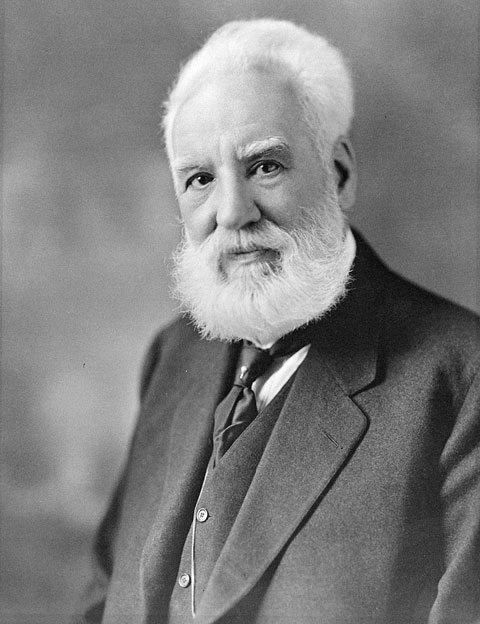
Portrait of Alexander Graham Bell
Moffett Studio
Ready when you are
Start chatting with Alexander Graham now.
20 messages free · No credit card · Available in 50+ languages.