


Secondary sourcePainting4th century BC
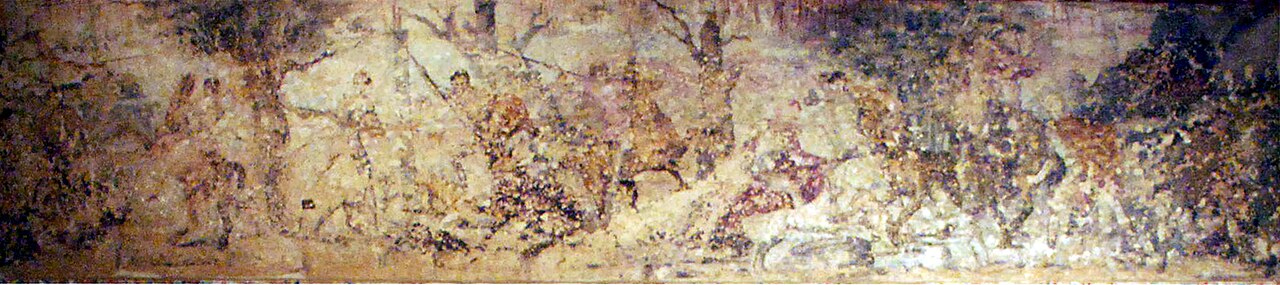
Wall Painting in the Royal Tomb at Vergina
4th century BC
A faded hunting scene painted inside a royal tomb at Vergina, traditionally linked to Philip II's burial.
A painting from a royal tomb traditionally identified as that of Philip II, showing Macedonian royal burial customs.
About this source
What it is
This wall painting decorates the royal tomb at Vergina in Macedonia, made in the 4th century BC by an unknown artist. It shows a hunting scene with figures on horseback and on foot among trees. The tomb is traditionally associated with Philip II.
Why it matters
Royal tombs like this one reveal how Macedonian kings and their families were honored in death, and hunting imagery reflects values of courage and status among the Macedonian elite. Its link to Philip II makes it an important, if debated, source for understanding his burial and the world of his court.
Look closer
- What does the choice of a hunting scene suggest about what mattered to Macedonian royalty?
- Why might historians debate whether this tomb truly belongs to Philip II?
- What can faded, damaged art still tell us, and what might be lost?
This painting is part of the curated material that grounds the AI version of Philip II of Macedon on Humy.ai — when students ask about related events, the AI can quote it and cite it.
More Philip II of Macedon sources
Browse all 90 →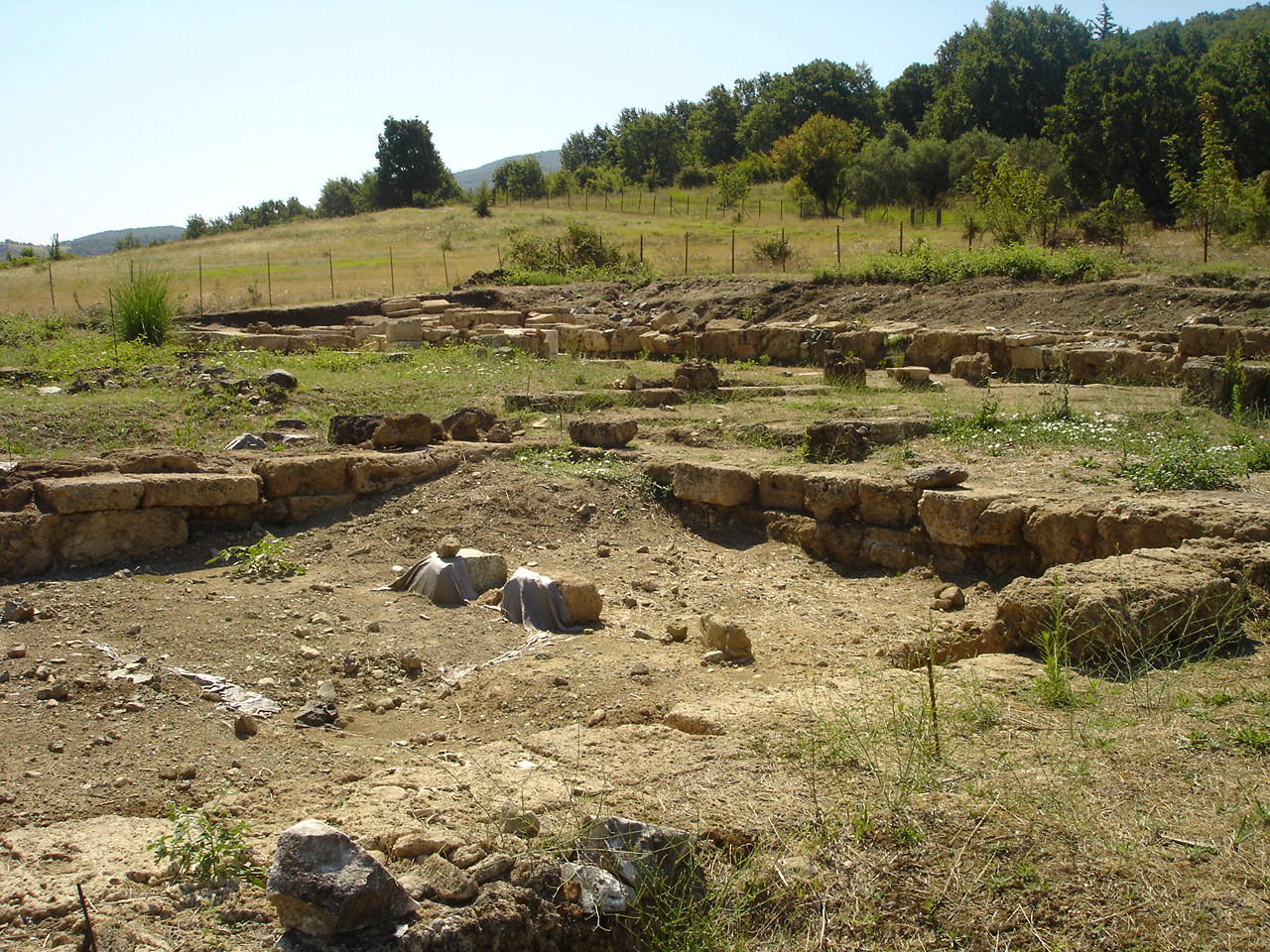 Artifact
Secondary source
Aigai
c. 750 BC onward; Philip's tomb c. 336 BC
 Speech
Primary source
First Philippic
Demosthenes · c. 351-350 BC
 Speech
Primary source
Third Philippic
Demosthenes · 341 BC
 Artifact
Primary source
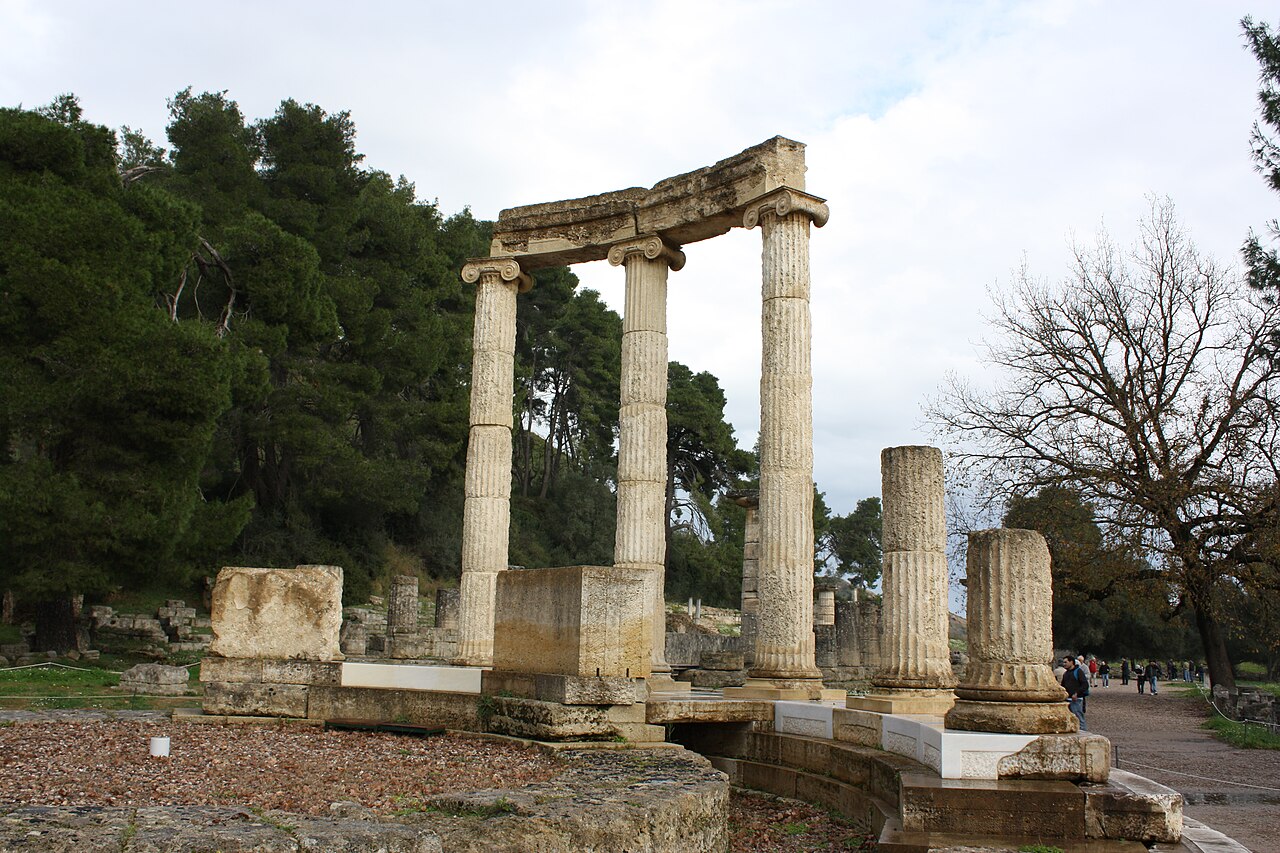
Philippeion
Leochares · begun 338/337 BC, completed under Alexander
Free account
Read every Philip II of Macedon source
Sign up free →
Ready when you are
Start chatting with Philip II of Macedon now.
20 messages free · No credit card · Available in 50+ languages.