


Secondary sourceArtifact1869
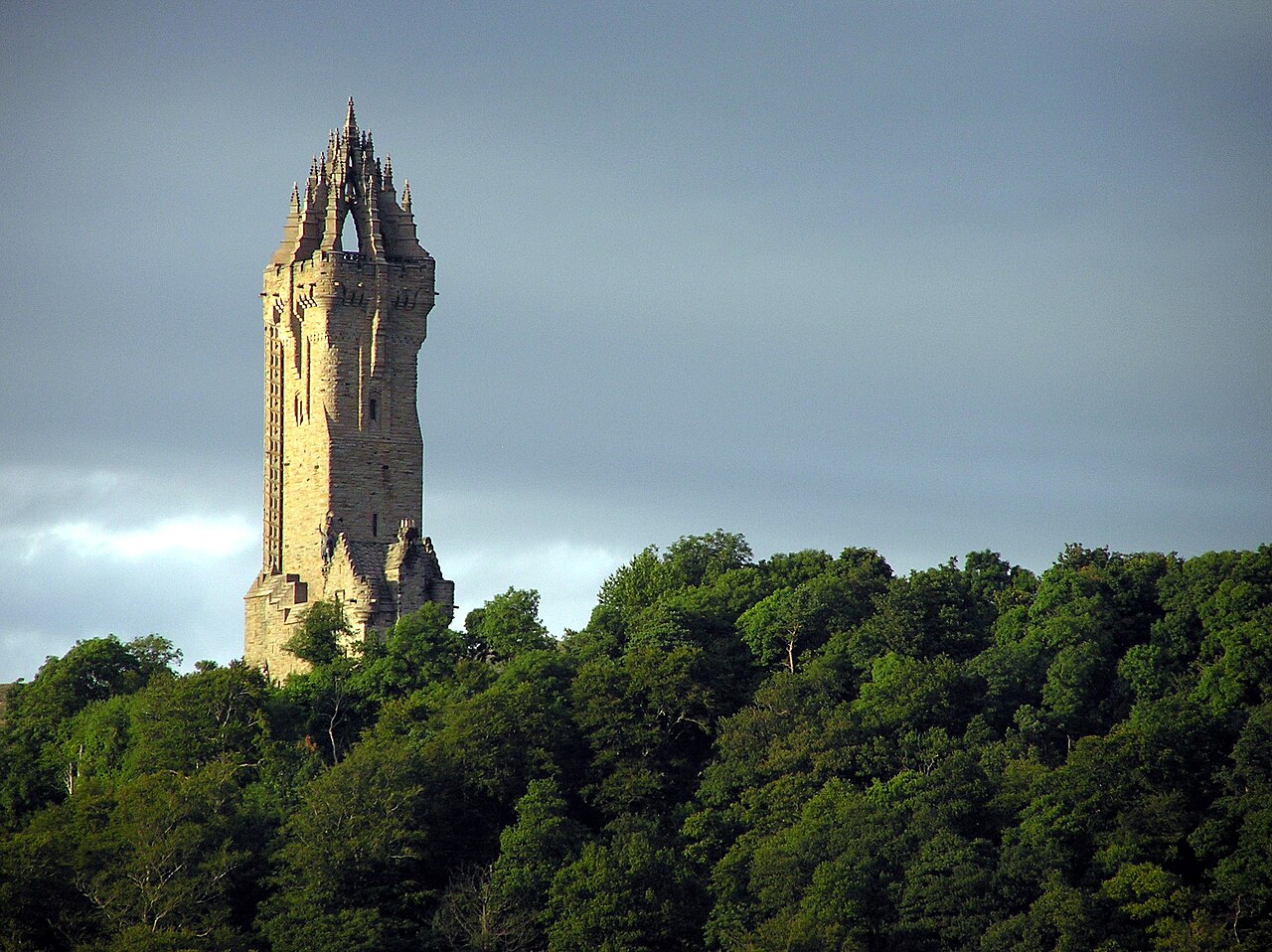
Wallace Monument
John Thomas Rochead · 1869
A 220-foot Victorian tower built in 1869 on Abbey Craig near Stirling to commemorate William Wallace.
Built centuries after his death, this tower shows how Wallace was transformed into a symbol of Scottish national identity.
About this source
What it is
The National Wallace Monument is a stone tower on a hilltop overlooking Stirling, Scotland. It was designed by architect John Thomas Rochead and completed in 1869 after a long public fundraising campaign.
Why it matters
The monument was built during a 19th-century revival of Scottish national identity. It stands near the site of the Battle of Stirling Bridge, and reflects how Victorian Scots reimagined Wallace as a national hero, centuries after his death. Donors from across the world, including the Italian leader Giuseppe Garibaldi, contributed funds, showing Wallace's symbolic reach beyond Scotland. Inside, items said to have belonged to Wallace and busts of famous Scots reinforce this idea of national heritage.
Look closer
- Why do you think people in the 1800s wanted to build a huge monument to someone who lived centuries earlier?
- What does the choice of location, overlooking the site of Wallace's famous battle, tell us about the monument's purpose?
- Why might people from other countries have wanted to help pay for it?
This artifact is part of the curated material that grounds the AI version of William Wallace on Humy.ai — when students ask about related events, the AI can quote it and cite it.
More William Wallace sources
Browse all 87 →Primary source
Lübeck Letter
Andrew Moray and William Wallace · 11 October 1297
 Artifact
Secondary source
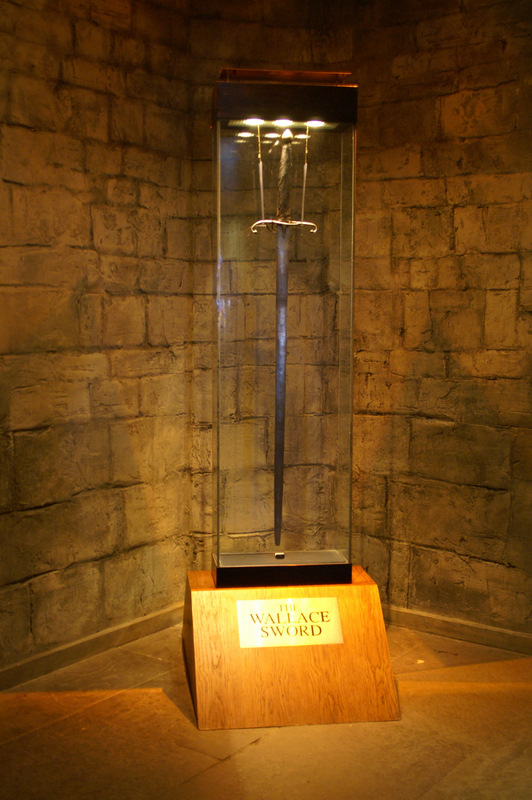
Wallace Sword
traditionally c. 1297 (much altered later)
 Document
Primary source
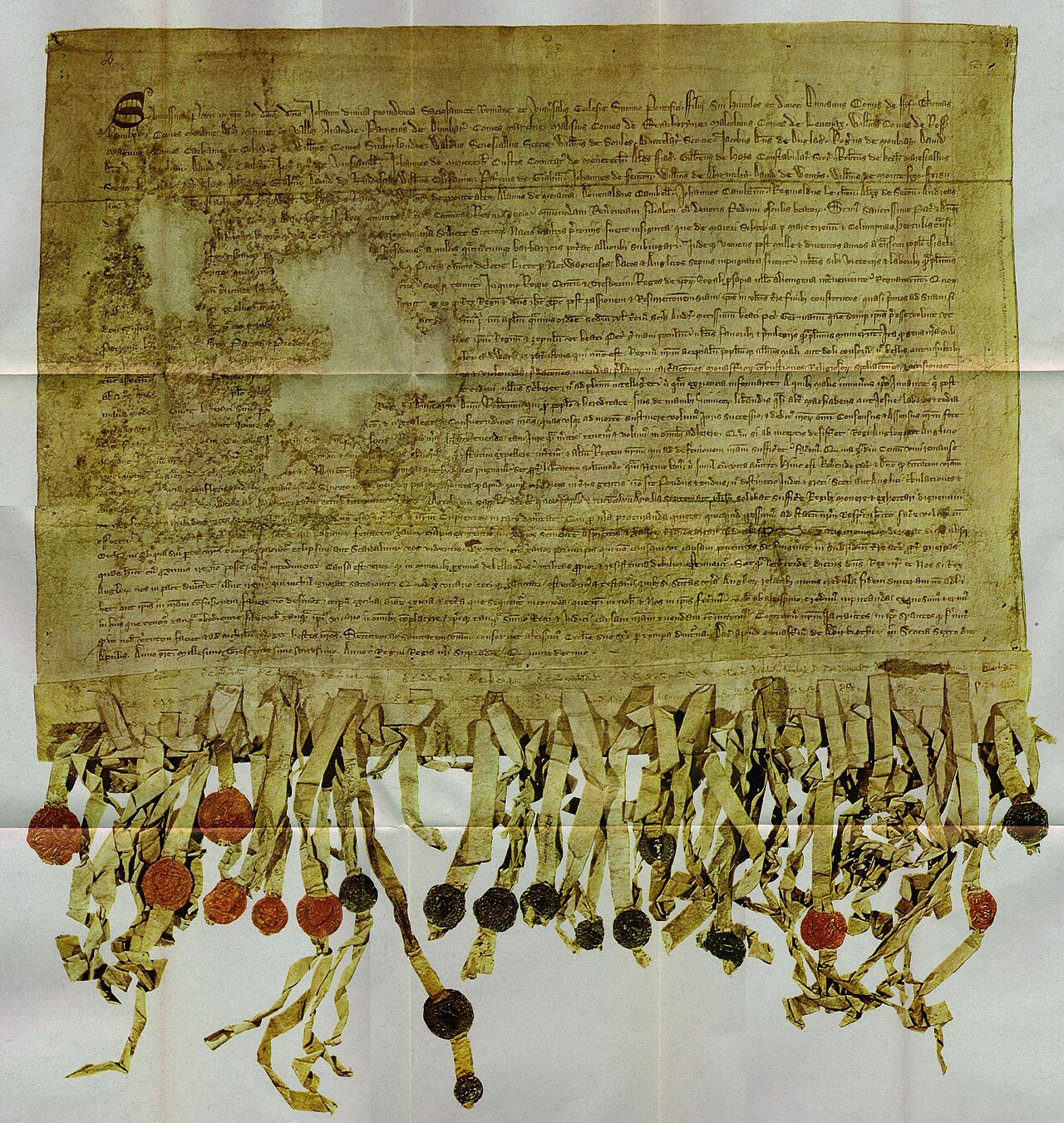
Declaration of Arbroath
Bernard of Kilwinning (attributed) · 6 April 1320
 Speech
Secondary source
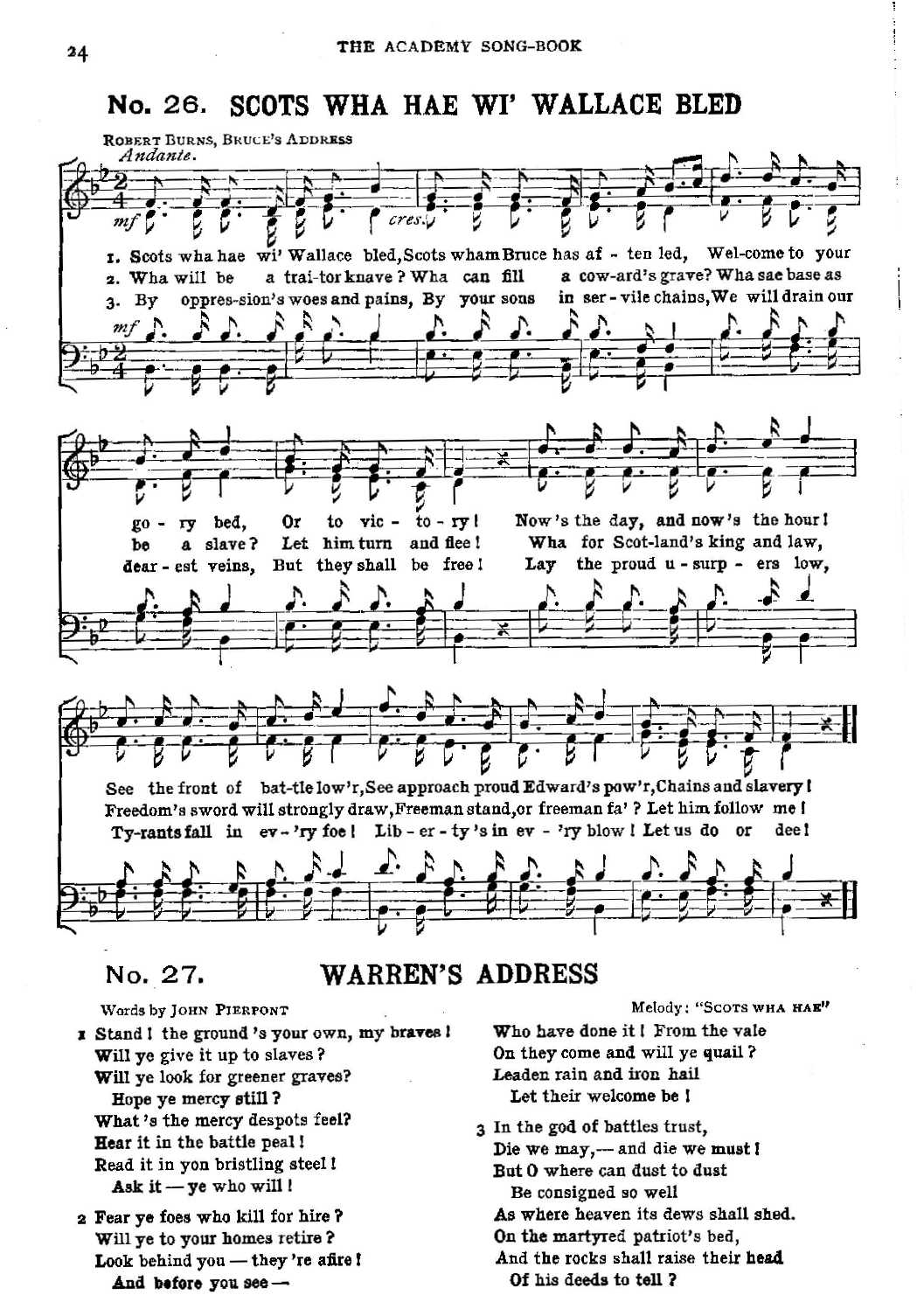
Scots Wha Hae
Robert Burns · 1793
Free account
Read every William Wallace source
Sign up free →
Ready when you are
Start chatting with William Wallace now.
20 messages free · No credit card · Available in 50+ languages.