


Primary sourcePainting1818
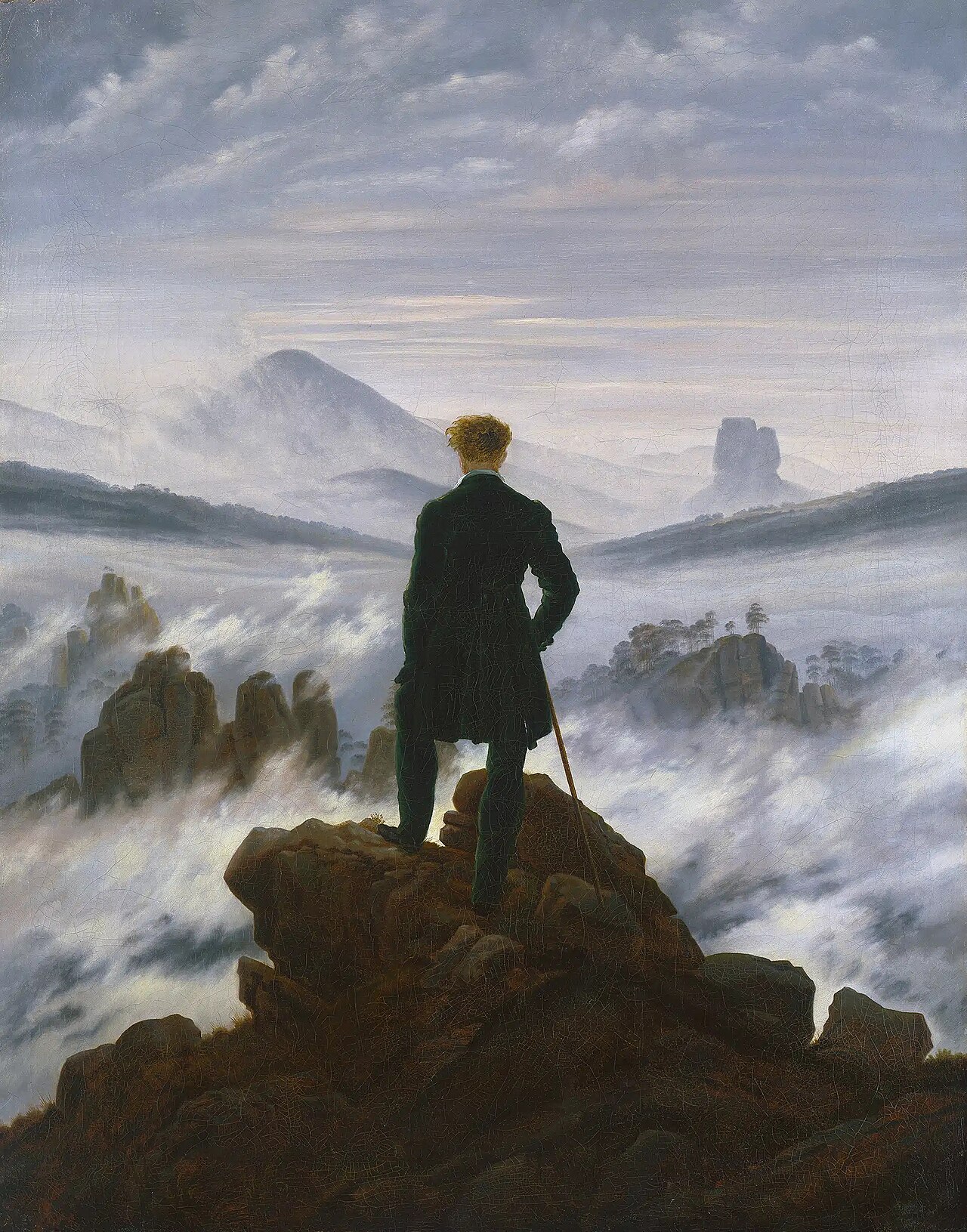
Wanderer above the Sea of Fog
Caspar David Friedrich · 1818
A painting by Caspar David Friedrich showing a man seen from behind gazing over a sea of mist and distant mountains, now in the Hamburger Kunsthalle.
Friedrich's own masterwork, painted by him and showing his signature device of a solitary figure contemplating nature.
About this source
What it is
This oil painting was made by Caspar David Friedrich around 1818. It shows a man with his back turned, standing on a rocky outcrop above a vast sea of fog through which mountains and trees emerge. The scene is built from sketches of real rock formations but rearranged by Friedrich in his studio. It is held today at the Hamburger Kunsthalle in Hamburg.
Why it matters
This is one of the most famous images of German Romanticism, a movement that valued emotion, nature and individual experience over strict reason. Friedrich often used a figure seen from behind (a 'Rückenfigur') so viewers imagine themselves in the scene. Some think the man may be Friedrich himself, reflecting on his own life. The painting has also been read as expressing German nationalist feeling at the time.
Look closer
- Why might Friedrich have chosen to show the man's back instead of his face?
- What feelings does the fog and vast space create for you as a viewer?
- Why do you think this single image became so widely reproduced in later centuries?
This painting is part of the curated material that grounds the AI version of Caspar David Friedrich on Humy.ai — when students ask about related events, the AI can quote it and cite it.
More Caspar David Friedrich sources
Browse all 89 →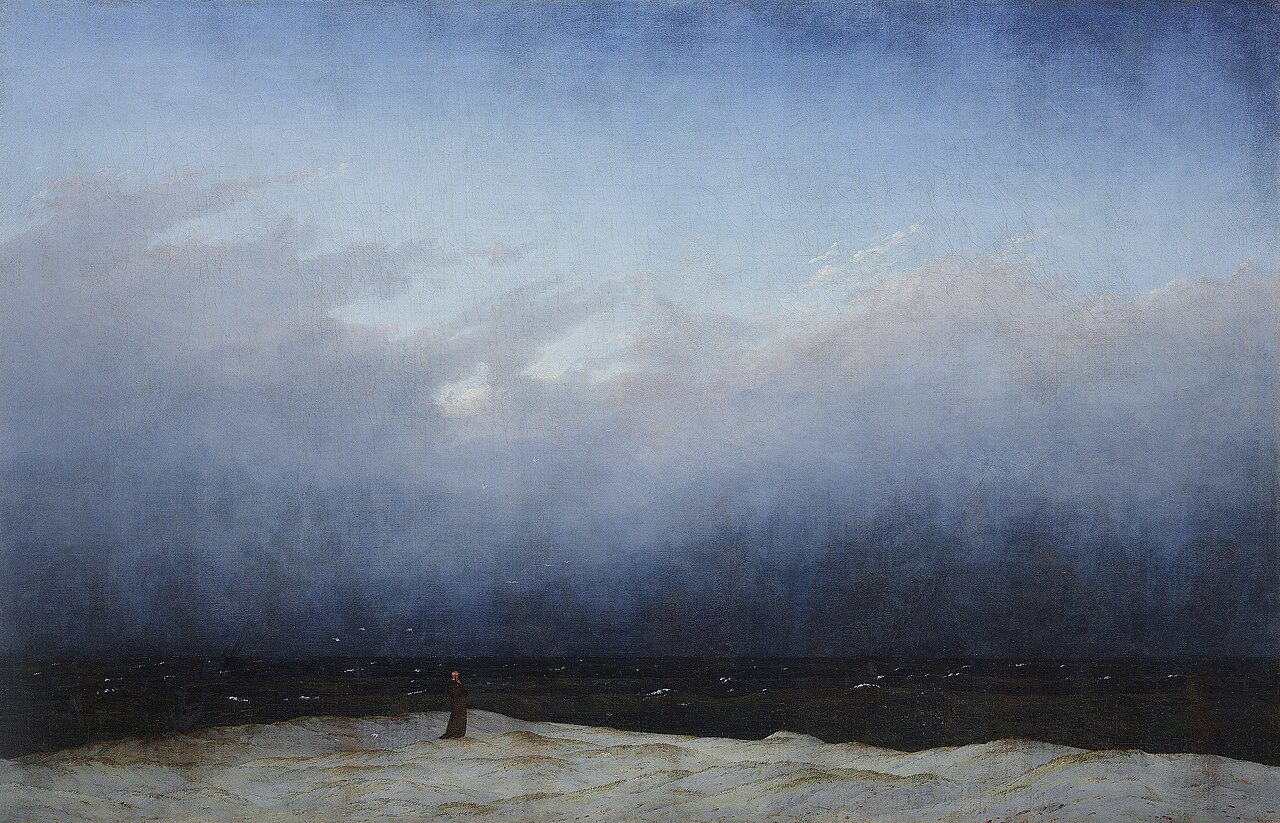 Painting
Primary source
The Monk by the Sea
Caspar David Friedrich · c. 1808-1810
 Painting
Primary source
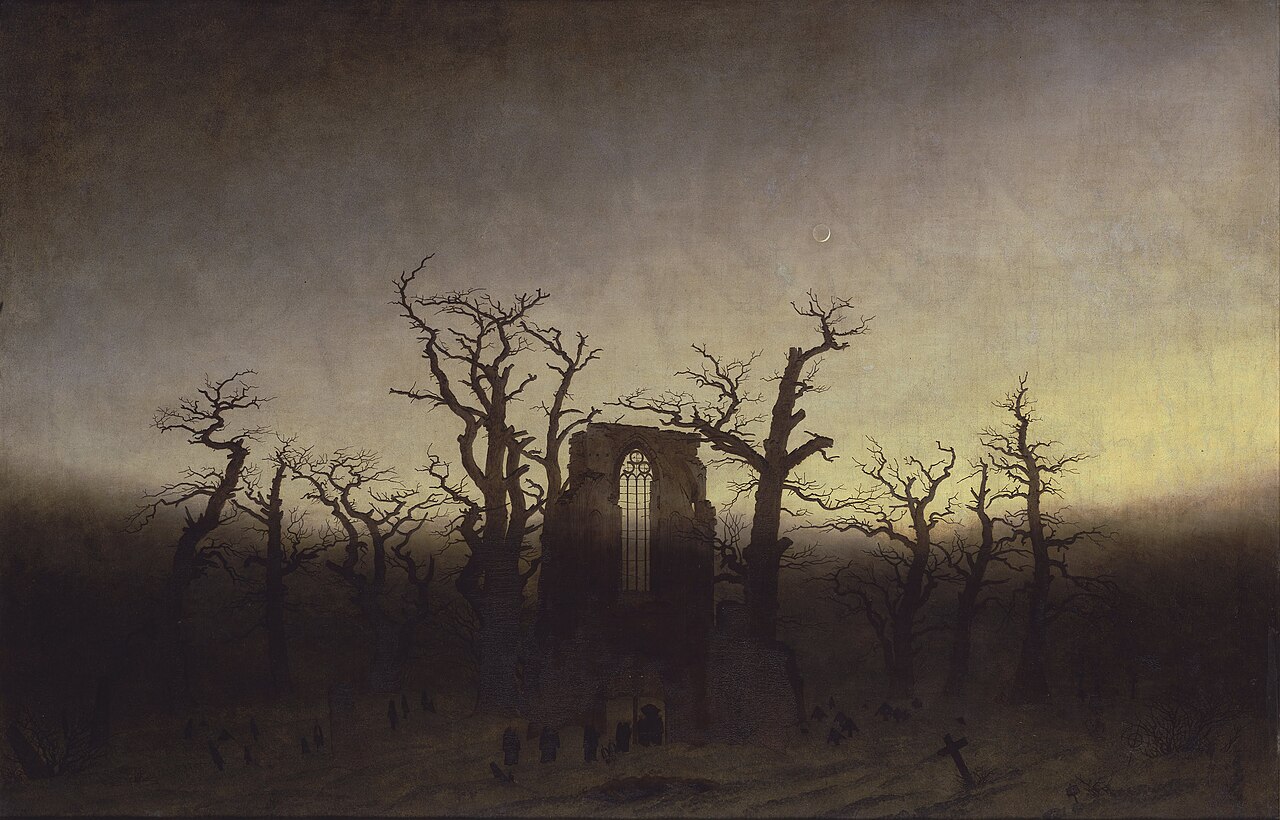
The Abbey in the Oakwood
Caspar David Friedrich · c. 1809-1810
 Painting
Primary source
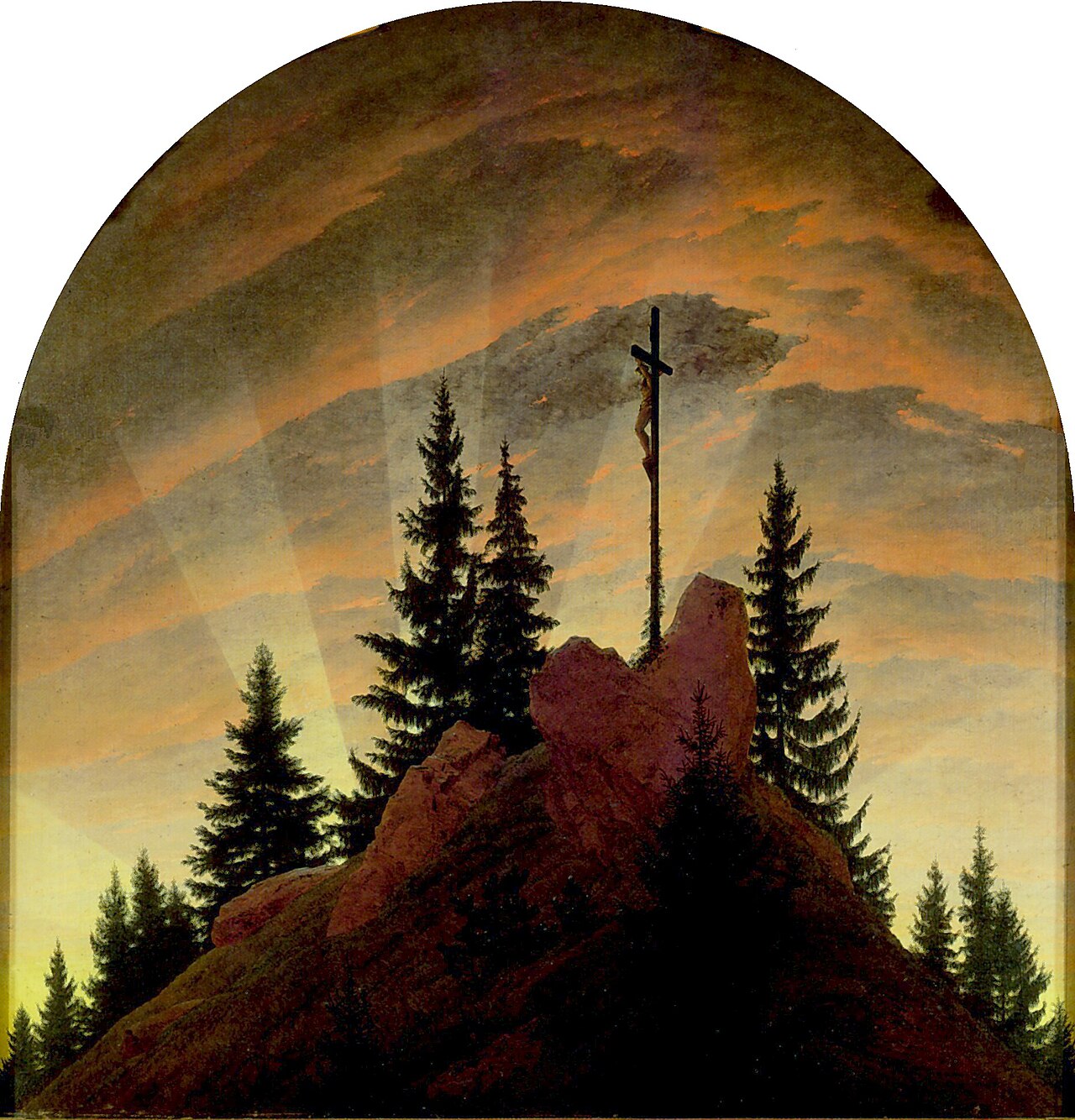
Cross in the Mountains (Tetschen Altar)
Caspar David Friedrich · c. 1807-1808
 Painting
Primary source
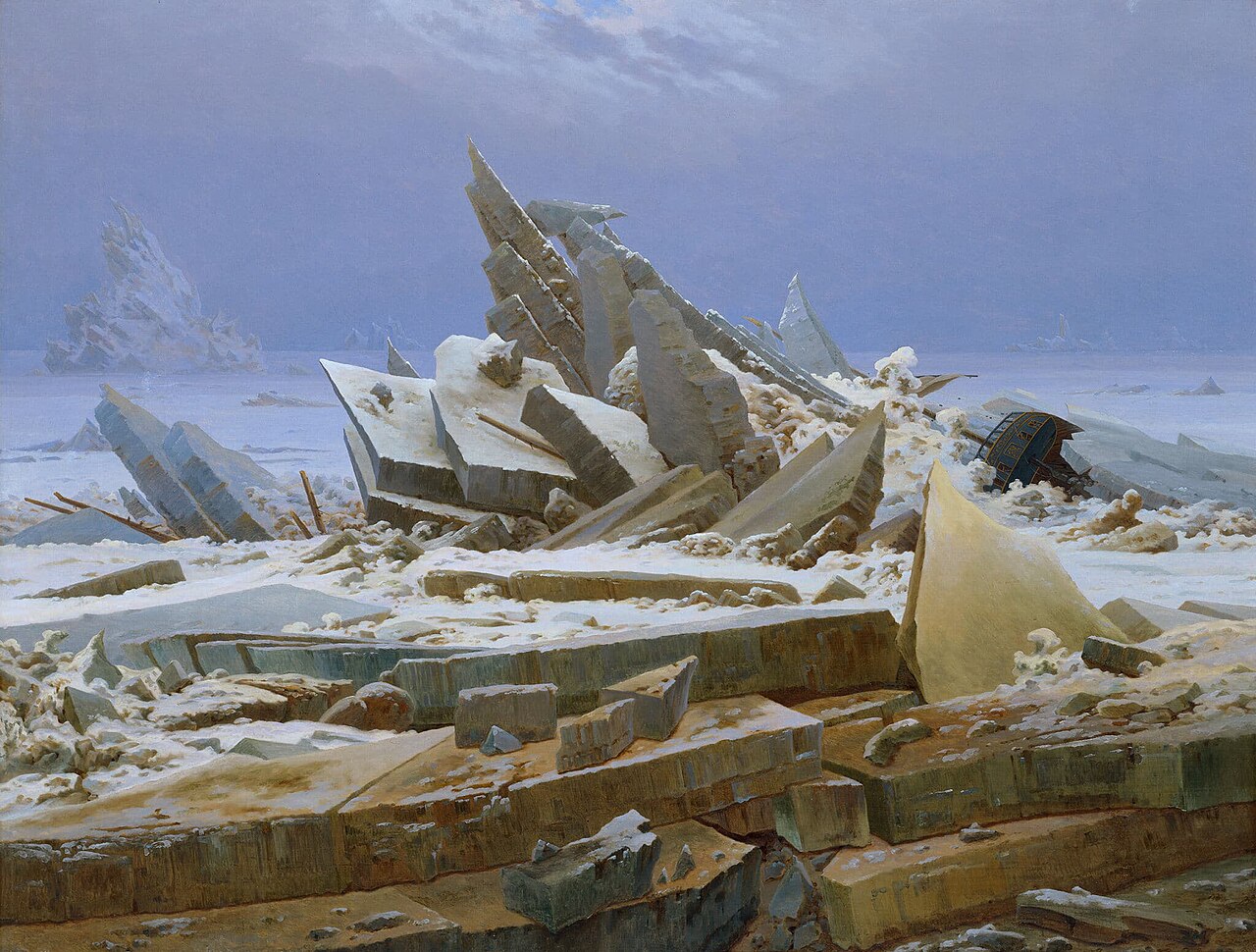
The Sea of Ice
Caspar David Friedrich · 1823-1824
Free account
Read every Caspar David Friedrich source
Sign up free →
Ready when you are
Start chatting with Caspar David Friedrich now.
20 messages free · No credit card · Available in 50+ languages.