


Primary sourceArtifact1834
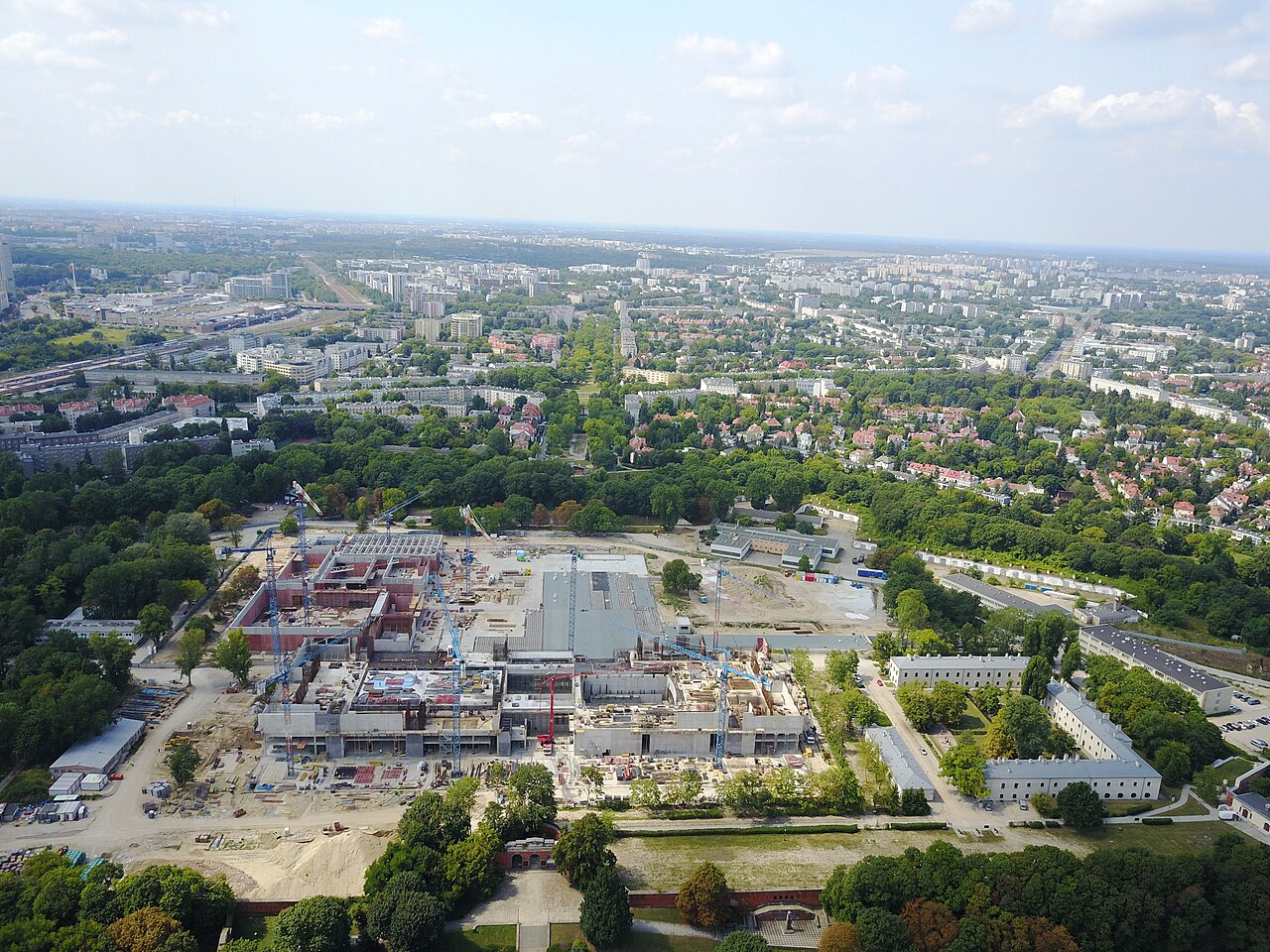
Warsaw Citadel
1834
A 19th-century fortress and prison in Warsaw where Felix Dzerzhinsky was held as a tsarist political prisoner and wrote a prison diary.
The tsarist prison where Dzerzhinsky was held and wrote his prison diary, with his cell preserved today.
About this source
What it is
The Warsaw Citadel is a 19th-century fortress built by order of Tsar Nicholas I after the suppression of the 1830 November Uprising, intended to strengthen imperial Russian control of Warsaw. It served as a prison, including its notorious Tenth Pavilion, into the late 1930s, and part of it has been a museum since 1963.
Why it matters
The Citadel held many Polish revolutionaries and political prisoners before World War I, including Felix Dzerzhinsky, later a leader of the Russian Revolution and founder of the Cheka, as well as Rosa Luxemburg and Józef Piłsudski. Dzerzhinsky's cell is preserved there, and his imprisonment under tsarist rule shaped his later revolutionary career and his writing of a prison diary.
Look closer
- Why would the tsarist authorities have built such a large fortress after an uprising?
- What does the list of prisoners held here tell you about Warsaw's political history?
- What might a preserved prison cell teach visitors that a written account cannot?
This artifact is part of the curated material that grounds the AI version of Felix Dzerzhinsky on Humy.ai — when students ask about related events, the AI can quote it and cite it.
More Felix Dzerzhinsky sources
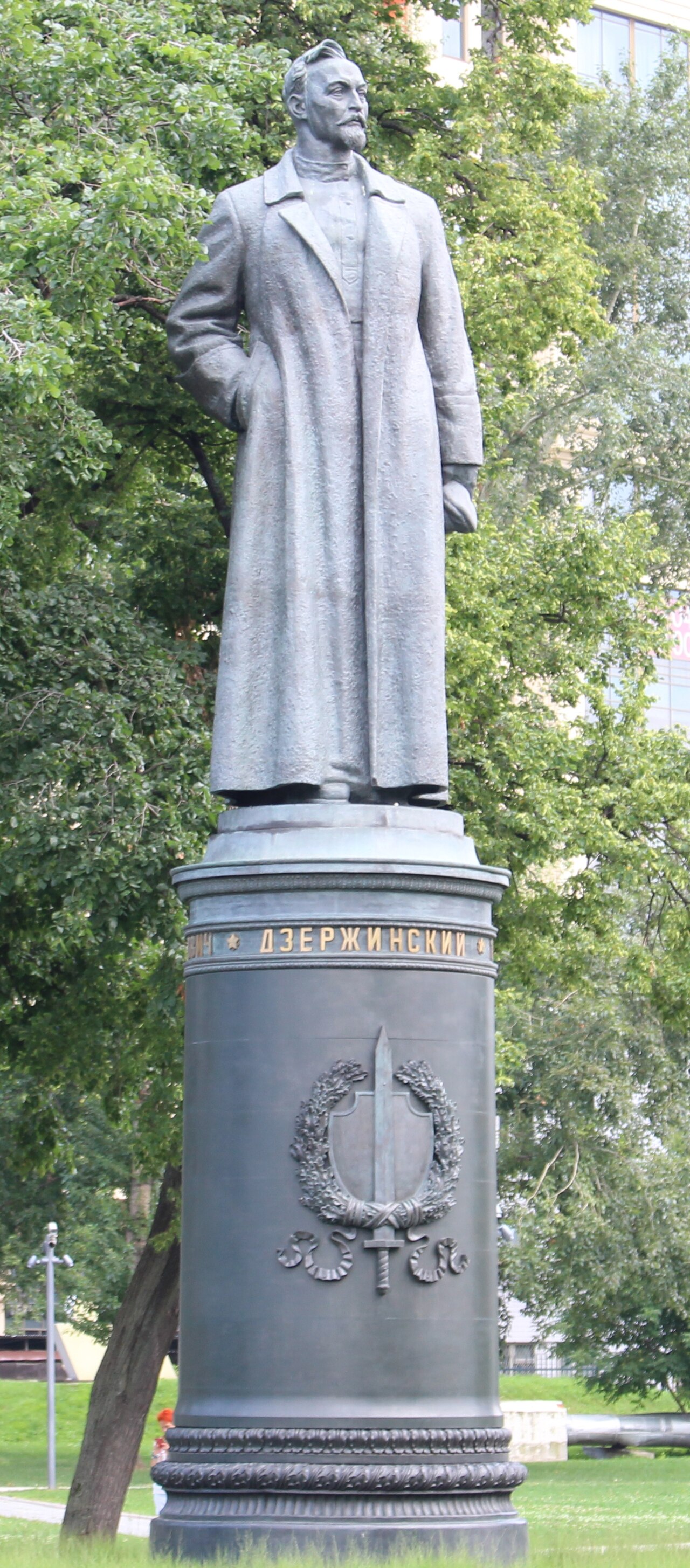
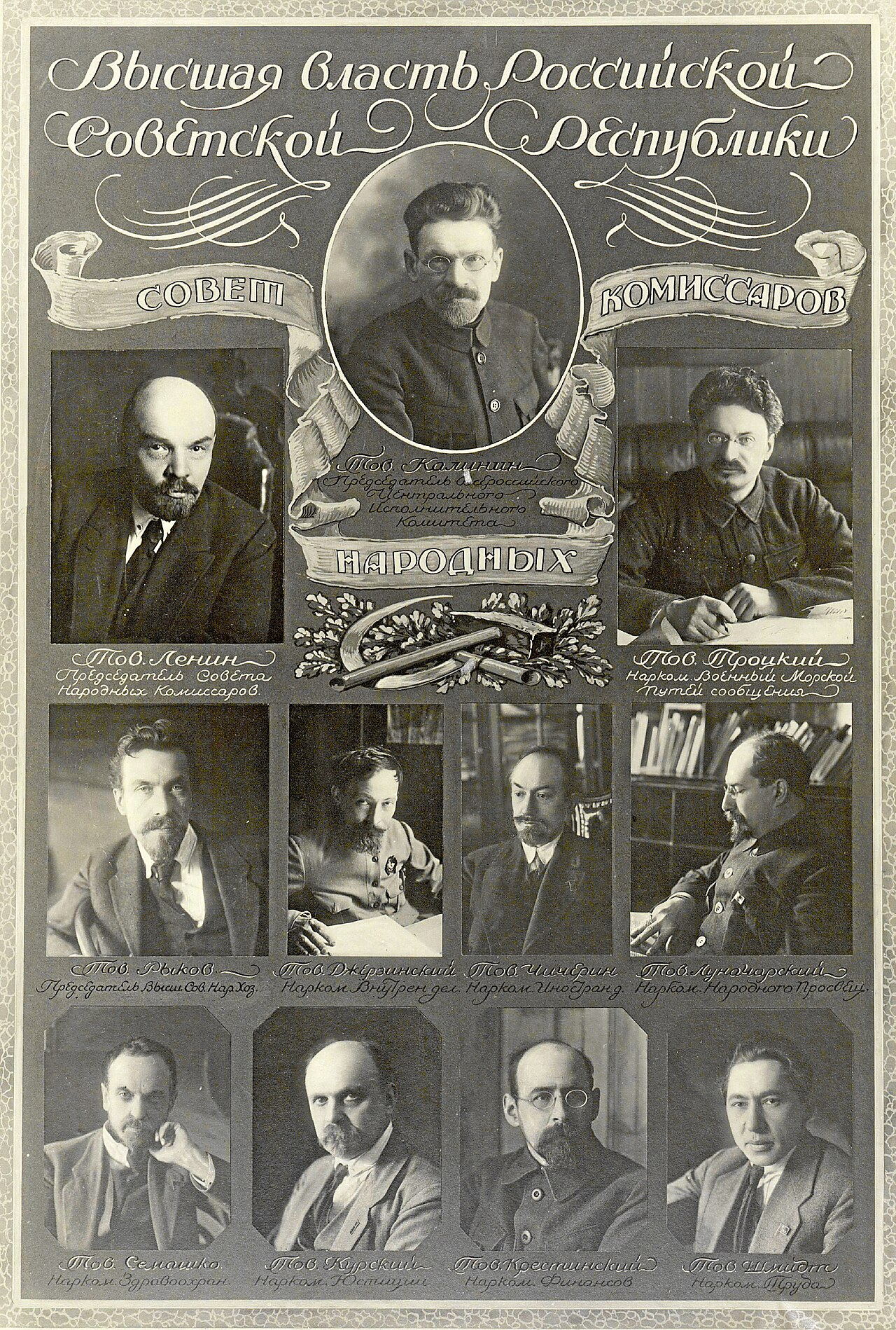
Browse all 86 →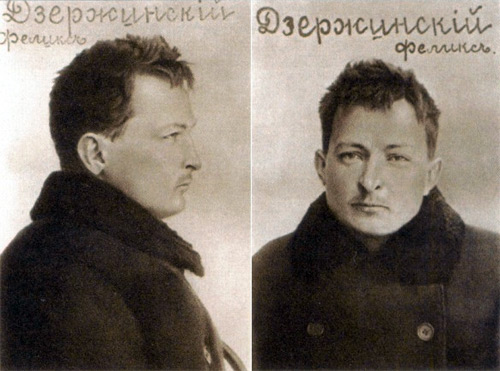 Photograph
Primary source
Okhrana Surveillance Photograph of Dzerzhinsky
1902
 Photograph
Primary source
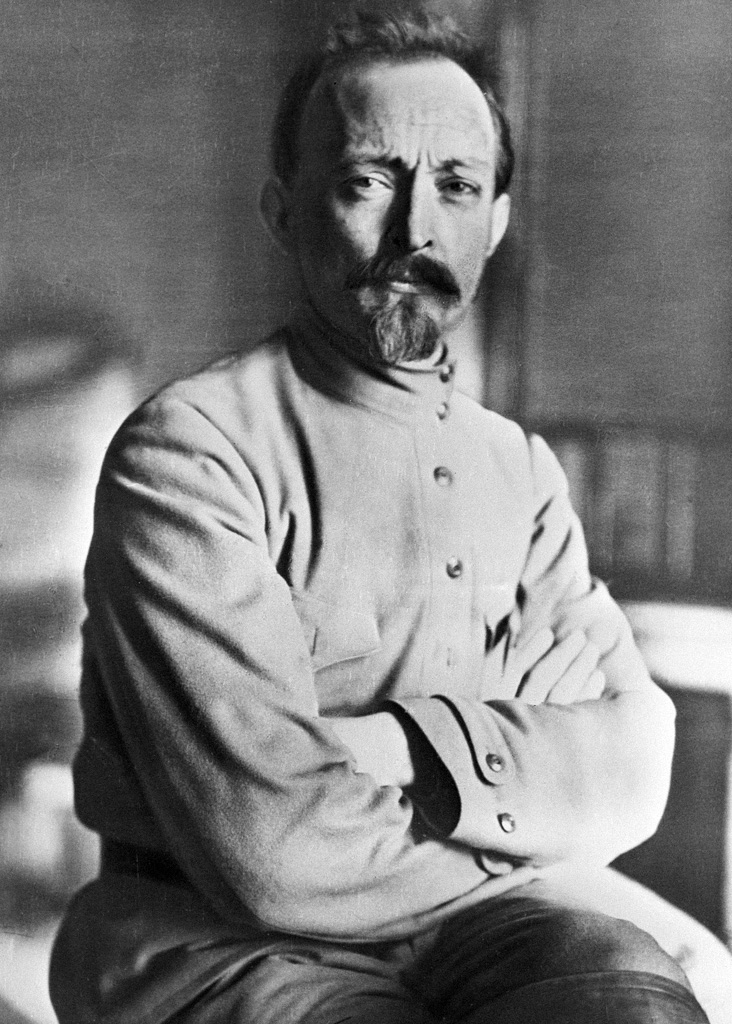
Portrait of Dzerzhinsky as Cheka Chairman
RIA Novosti
 Photograph
Primary source
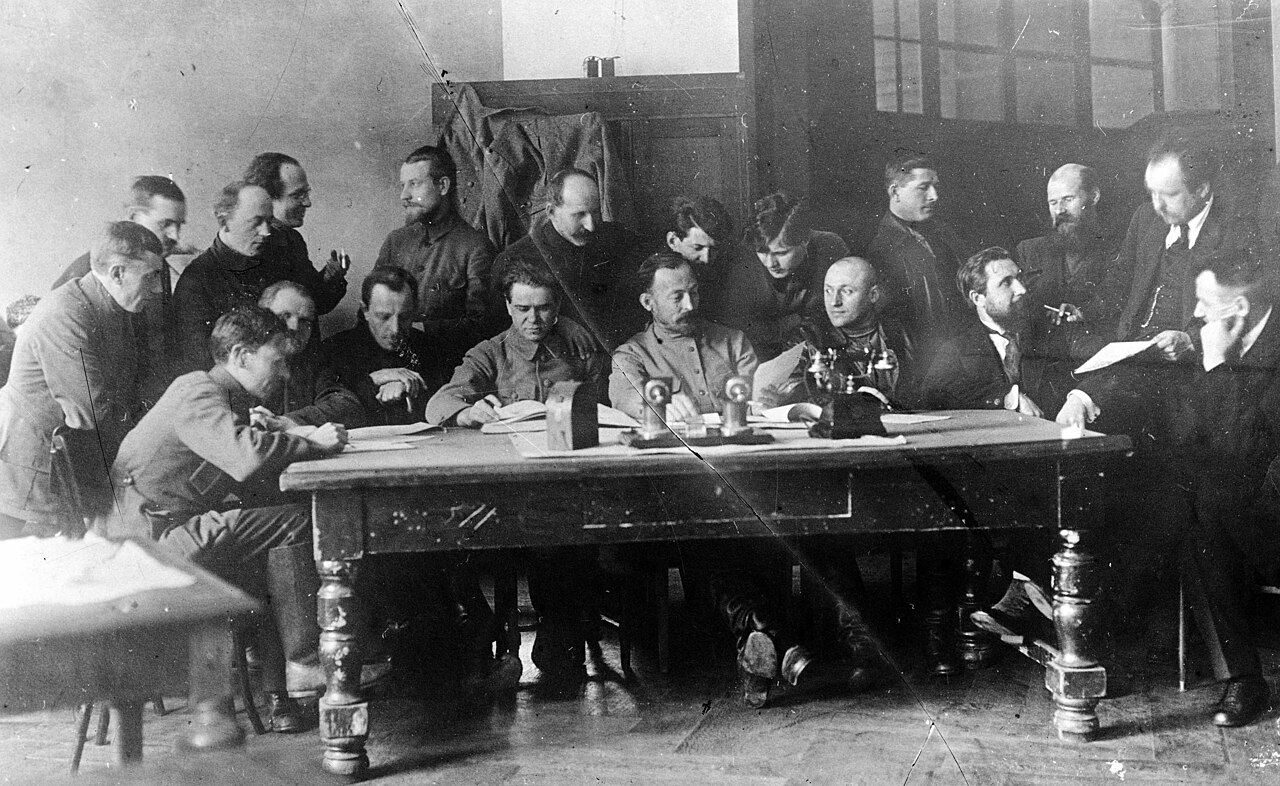
Dzerzhinsky at the Cheka Presidium, 1919
1919
 Document
Primary source
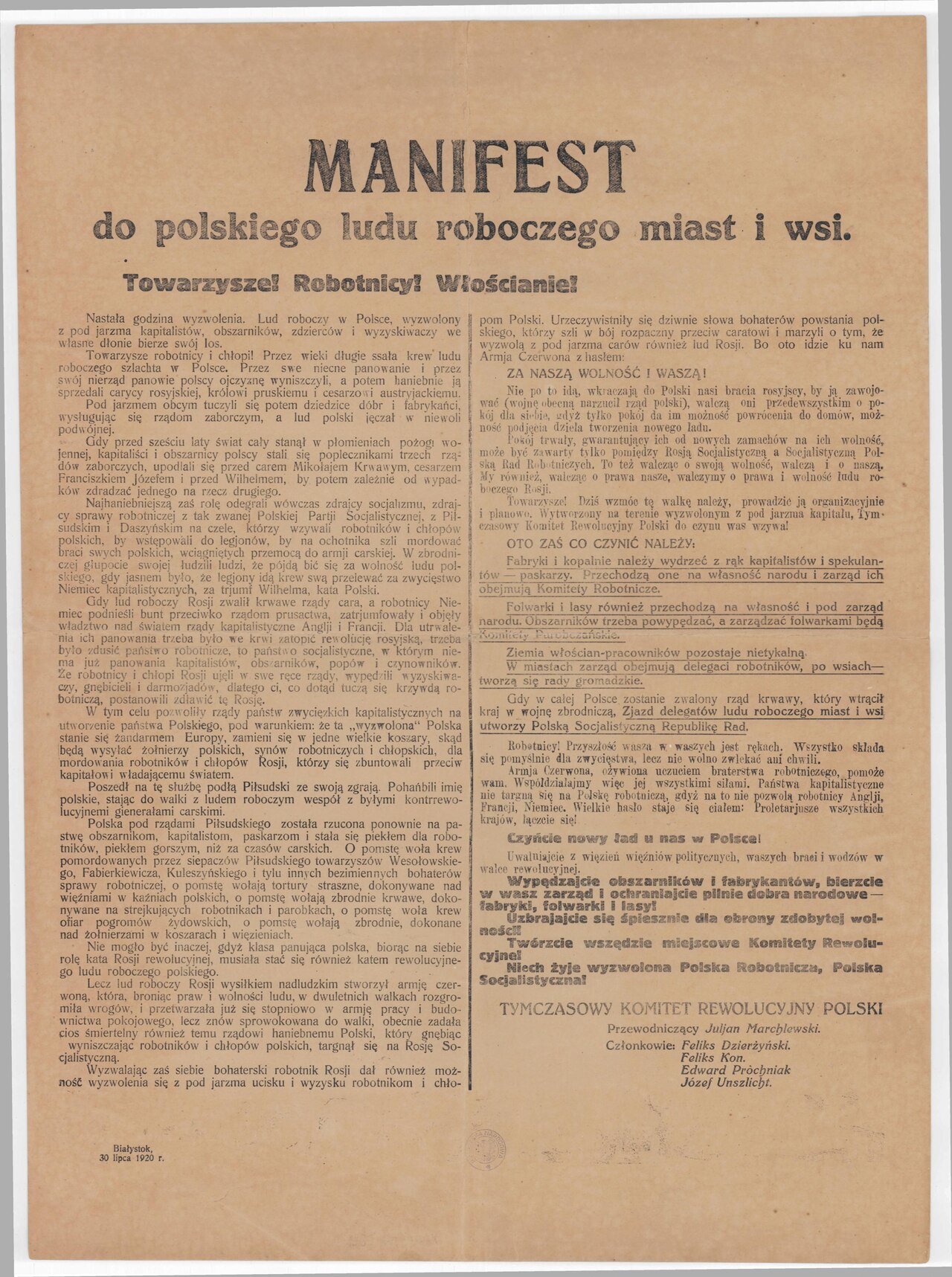
Manifesto to the Working People of Polish Towns and Villages
Provisional Polish Revolutionary Committee · 30 July 1920

Free account
Read every Felix Dzerzhinsky source
Sign up free →
Ready when you are
Start chatting with Felix Dzerzhinsky now.
20 messages free · No credit card · Available in 50+ languages.