


Primary sourceSculpture1916
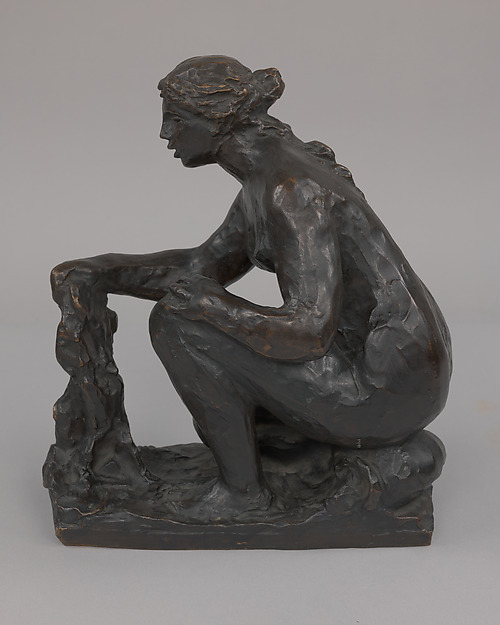
Washerwoman
Auguste Renoir · 1916
A bronze sculpture of a seated nude woman made by Renoir with assistants in his final years.
A late sculptural work made by Renoir himself, with assistants, in the final years of his life.
About this source
What it is
This bronze sculpture, titled Washerwoman, was made by Auguste Renoir in 1916, with the help of assistants, as his hands were affected by illness late in life. It is held by the Metropolitan Museum of Art as part of the Jacques and Natasha Gelman Collection.
Why it matters
Renoir is best known as a painter, but in his last years he also produced sculpture, working through assistants to realize his ideas in three dimensions. This piece shows his continued interest in the human figure and in everyday subjects even as his health declined.
Look closer
- How does the pose of the figure compare to the way Renoir painted women in his canvases?
- Why might an artist who could no longer sculpt easily still choose to make sculpture, using assistants?
- What does the rough surface of the rock or stump add to the scene?
This sculpture is part of the curated material that grounds the AI version of Pierre-Auguste Renoir on Humy.ai — when students ask about related events, the AI can quote it and cite it.
More Pierre-Auguste Renoir sources
Browse all 97 →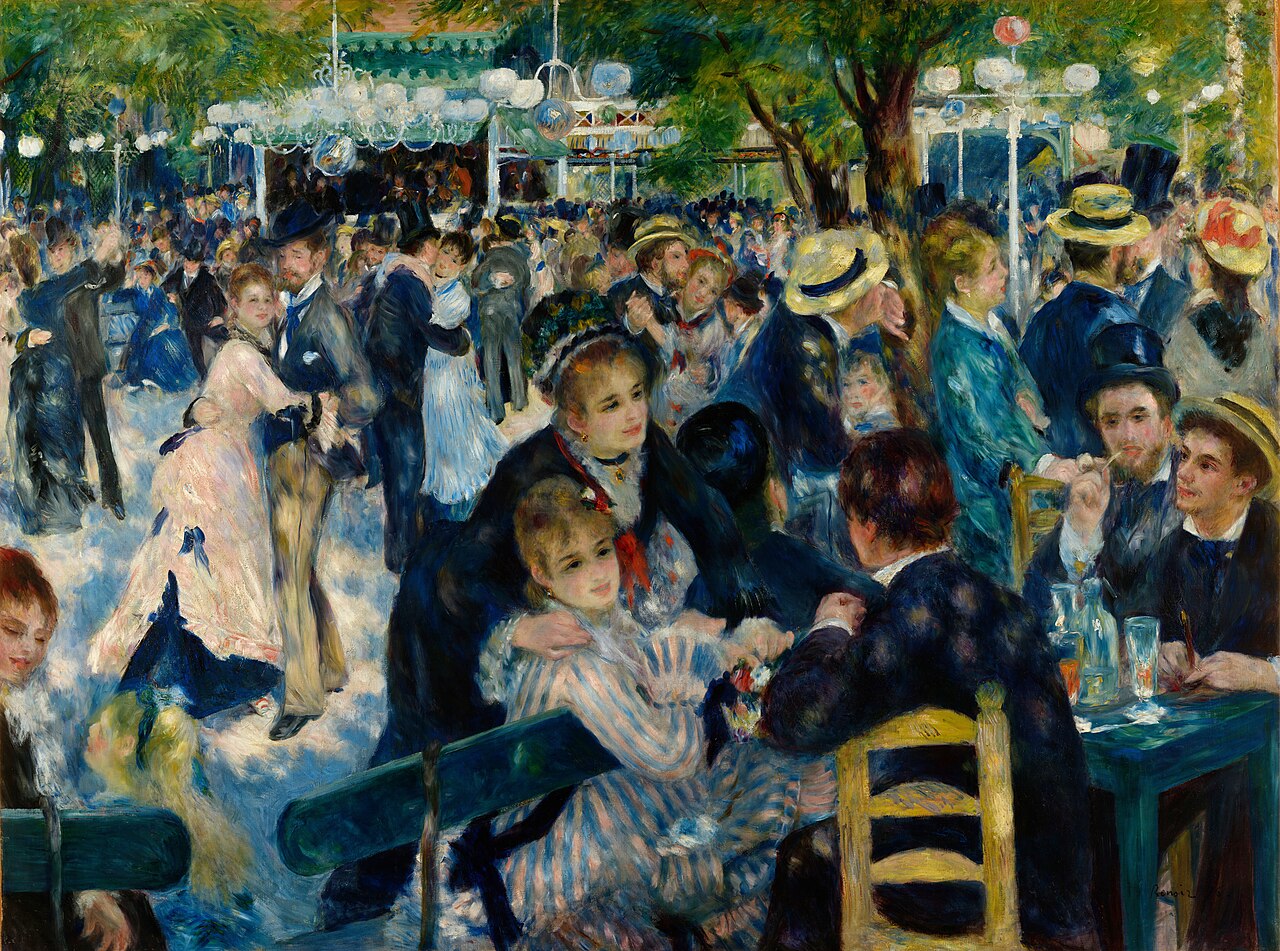 Painting
Primary source
Bal du moulin de la Galette
Pierre-Auguste Renoir · 1876
 Painting
Primary source
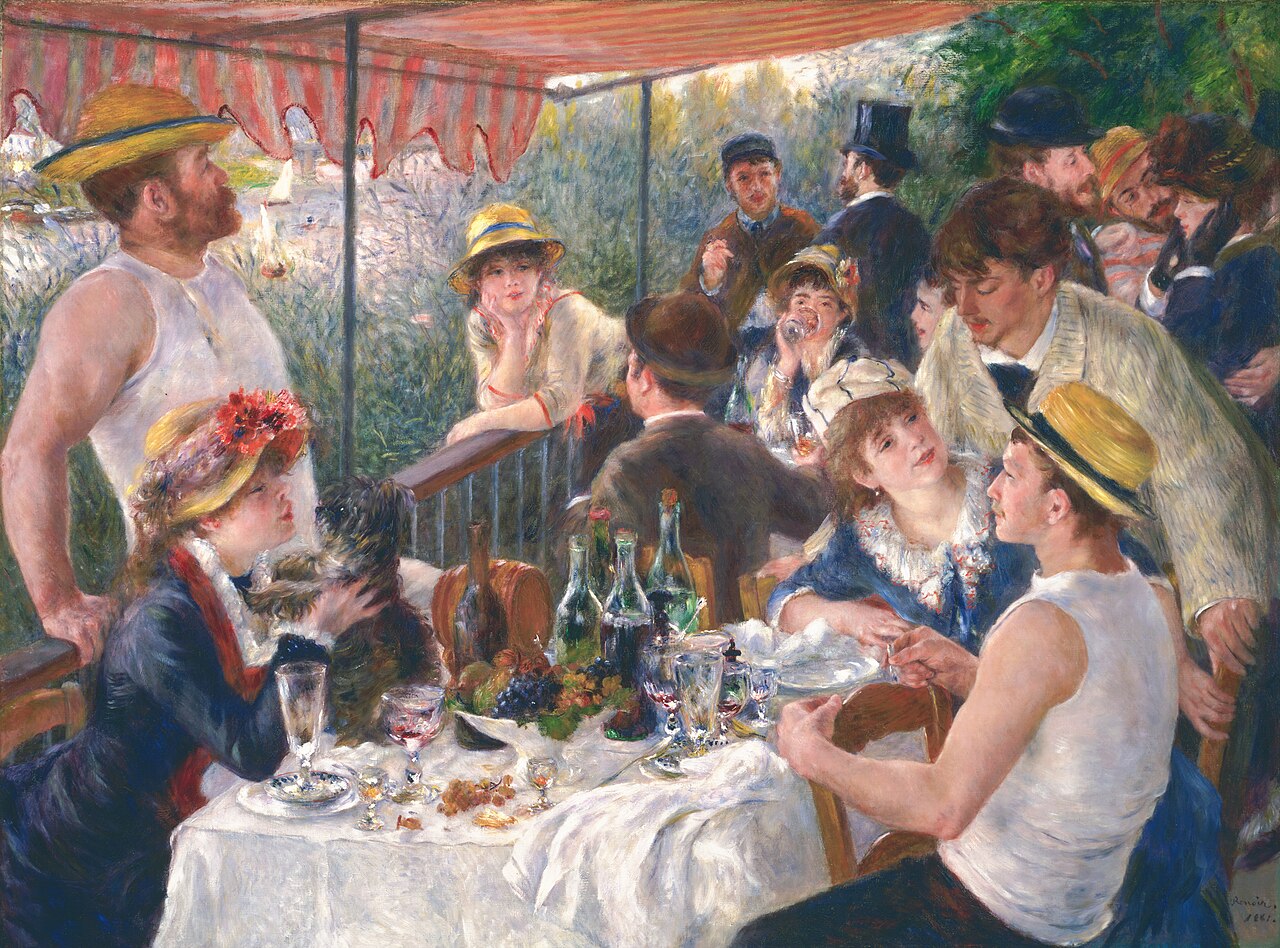
Luncheon of the Boating Party
Pierre-Auguste Renoir · 1880-1881
 Painting
Primary source
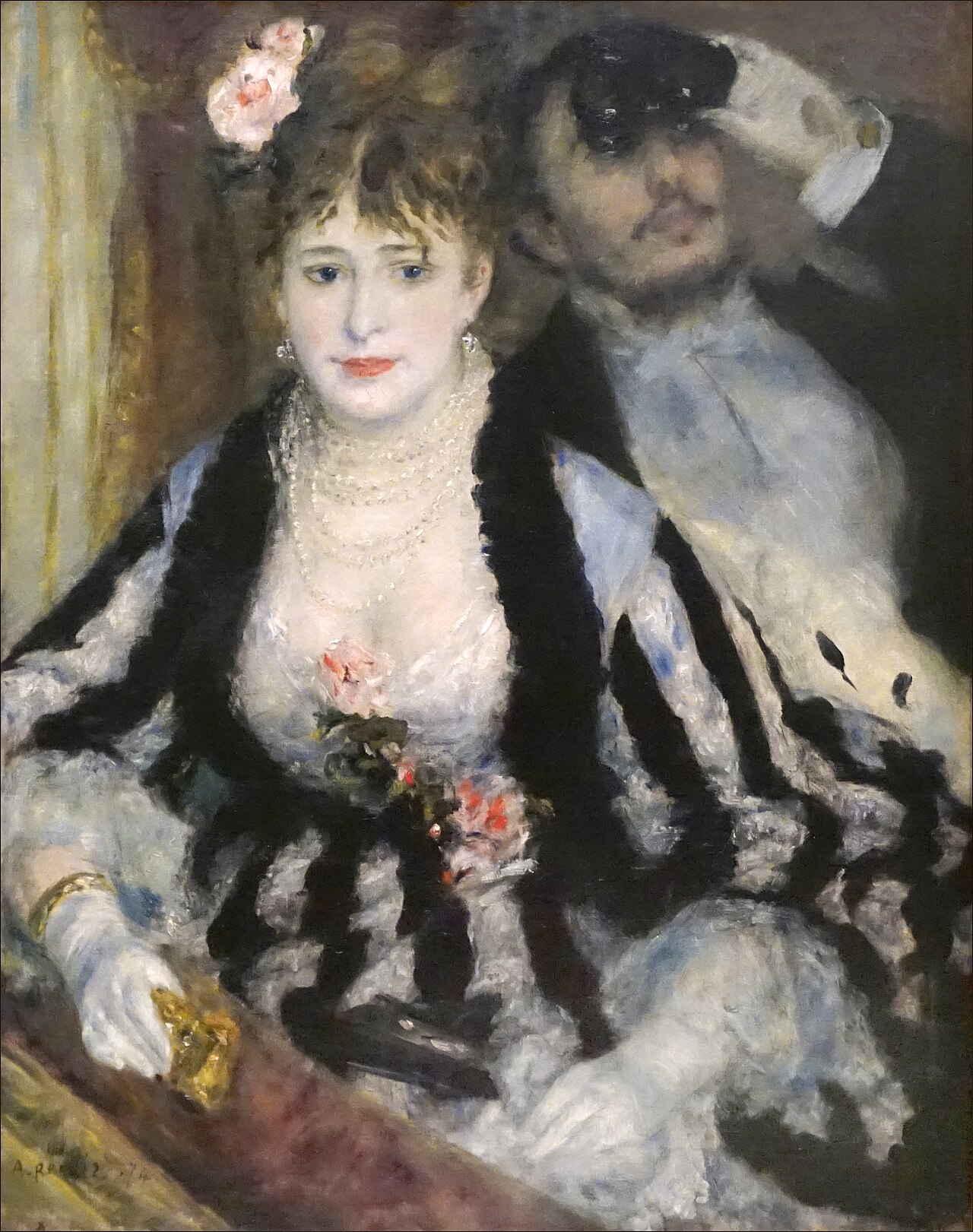
La Loge
Pierre-Auguste Renoir · 1874
 Painting
Primary source
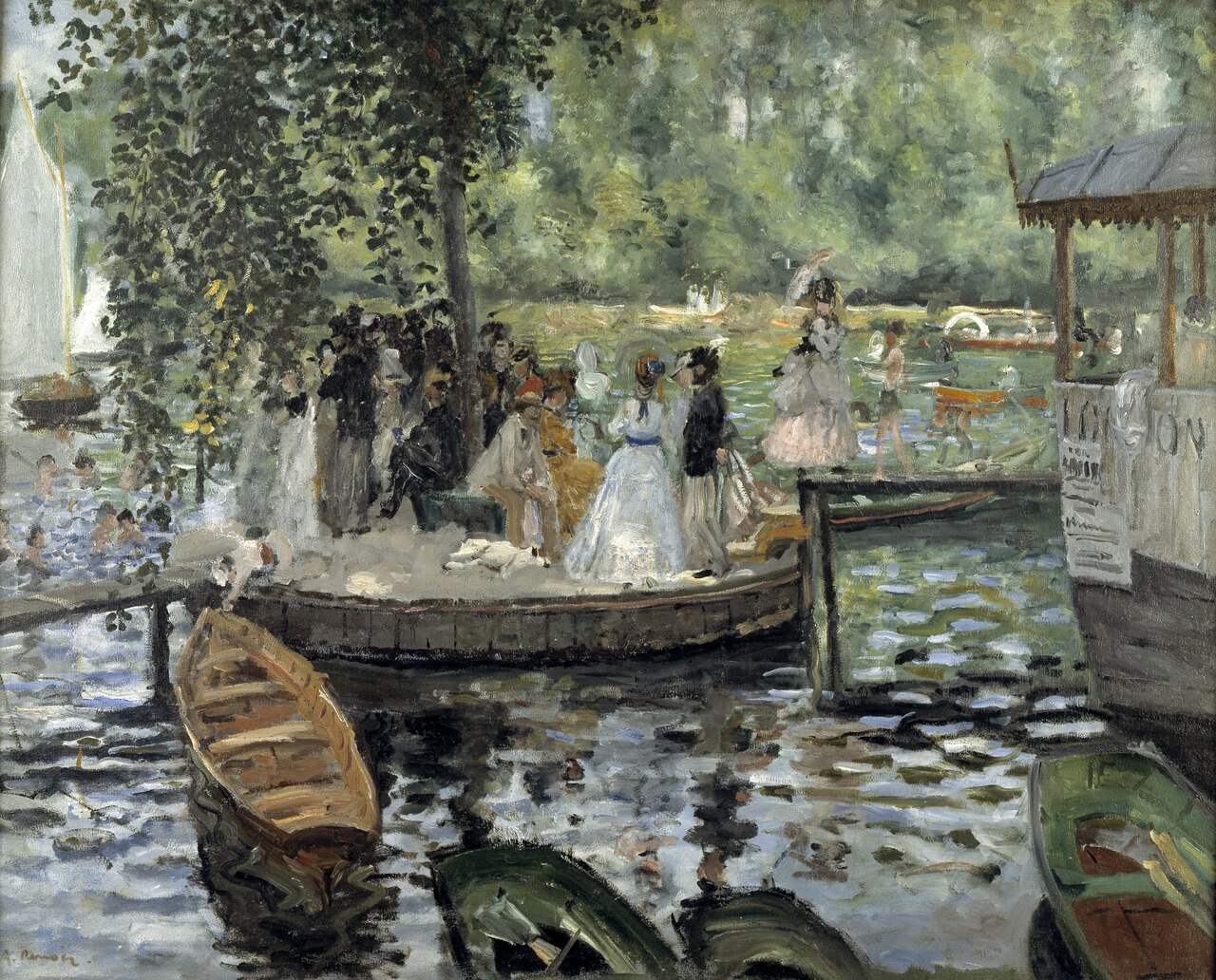
La Grenouillère
Pierre-Auguste Renoir · 1869
Free account
Read every Pierre-Auguste Renoir source
Sign up free →
Ready when you are
Start chatting with Pierre-Auguste Renoir now.
20 messages free · No credit card · Available in 50+ languages.