


Primary sourceDocument1922
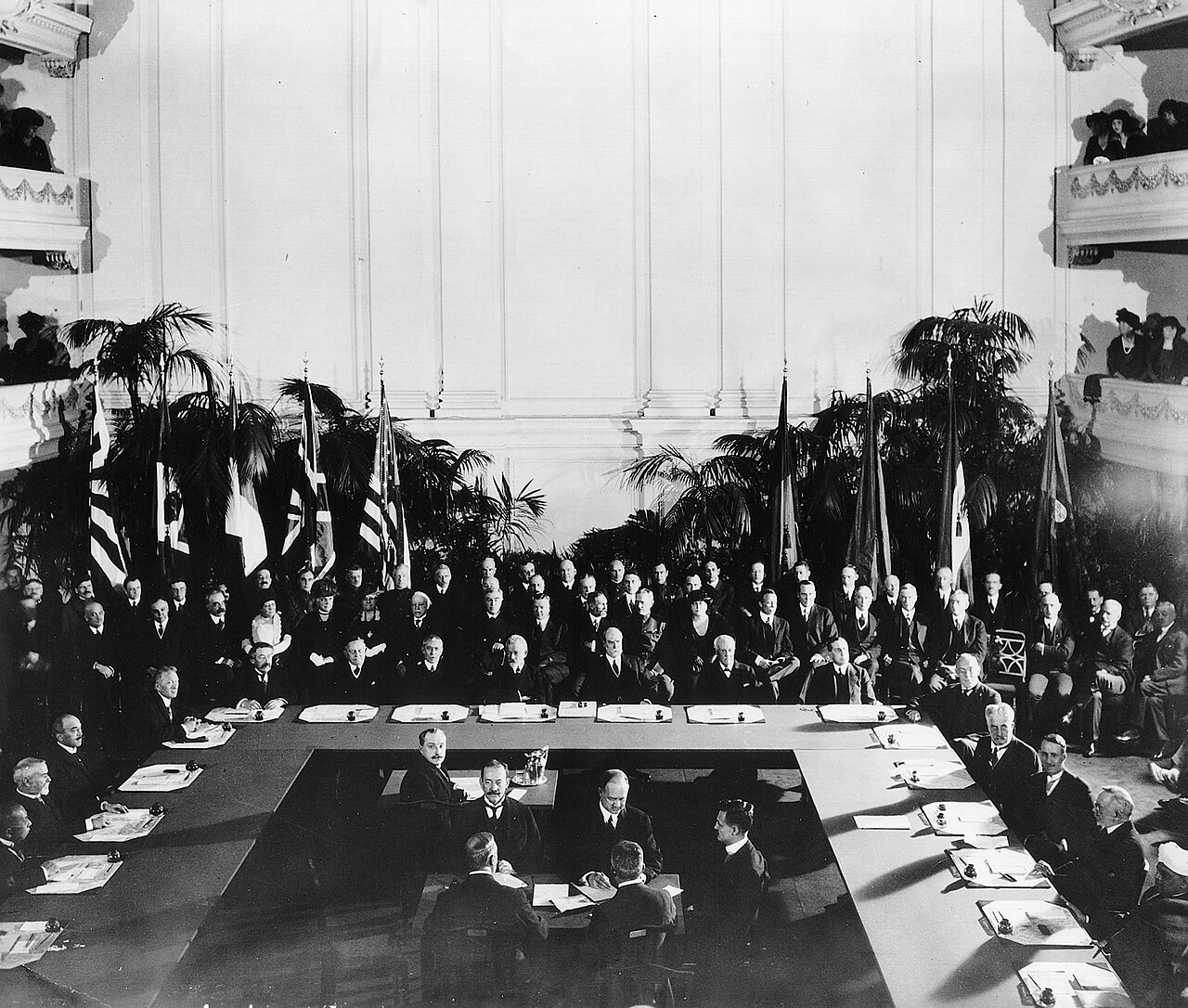
Washington Naval Treaty
1922
The 1922 international treaty limiting battleship construction, negotiated during Harding's presidency as his chief foreign-policy achievement.
Harding's administration called the conference that produced this treaty, his chief foreign-policy achievement.
About this source
What it is
The Washington Naval Treaty, also called the Five-Power Treaty, was signed in 1922 by the British Empire, the United States, France, Italy and Japan. It limited the construction of battleships, battlecruisers and aircraft carriers to prevent a new naval arms race after World War I. It was negotiated at the Washington Naval Conference, called by Warren Harding's administration in November 1921, with US Secretary of State Charles Evans Hughes presenting the American proposals.
Why it matters
The treaty is considered the major foreign-policy achievement of Harding's presidency. It shows how the United States, Britain, France, Italy and Japan tried to manage rivalry and cost by agreeing to limits, rather than racing to build ever more warships. The agreement reveals both hope for international cooperation after a devastating war and the limits of such cooperation, since several signatories later renounced it.
Look closer
- Why might major powers agree to limit their own navies?
- What does the photograph of the signing session suggest about how such agreements were made public?
- What happened later to the treaty's limits, and what does that tell you about diplomacy?
This document is part of the curated material that grounds the AI version of Warren G. Harding on Humy.ai — when students ask about related events, the AI can quote it and cite it.
More Warren G. Harding sources
Meet the AI Warren G. Harding →Primary source
Readjustment
Warren G. Harding · May 1920
 Speech
Primary source
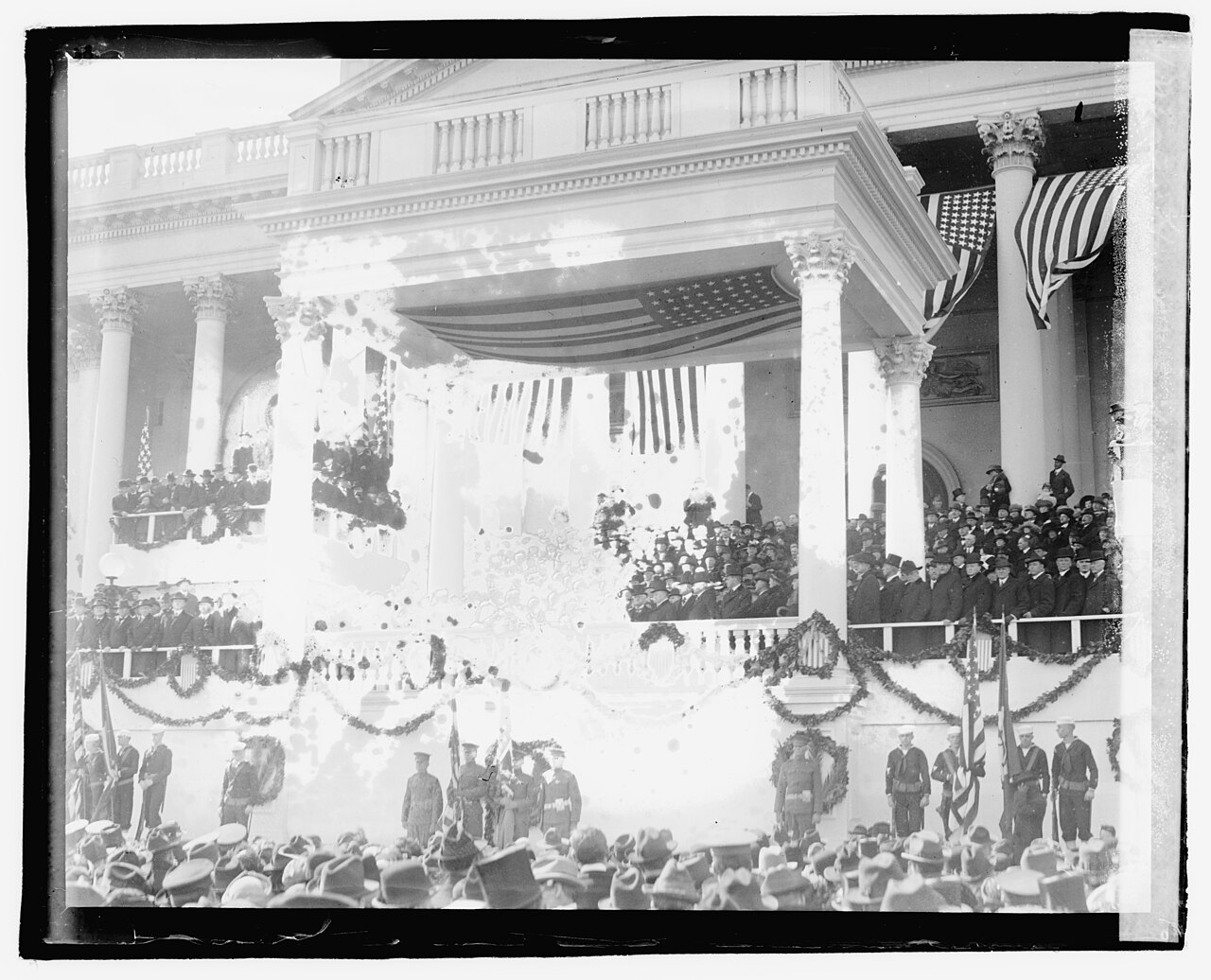
Inaugural Address of Warren G. Harding
Warren G. Harding · 4 March 1921
Primary source
Recording of the voice of Warren G. Harding
Warren G. Harding
 Photograph
Primary source
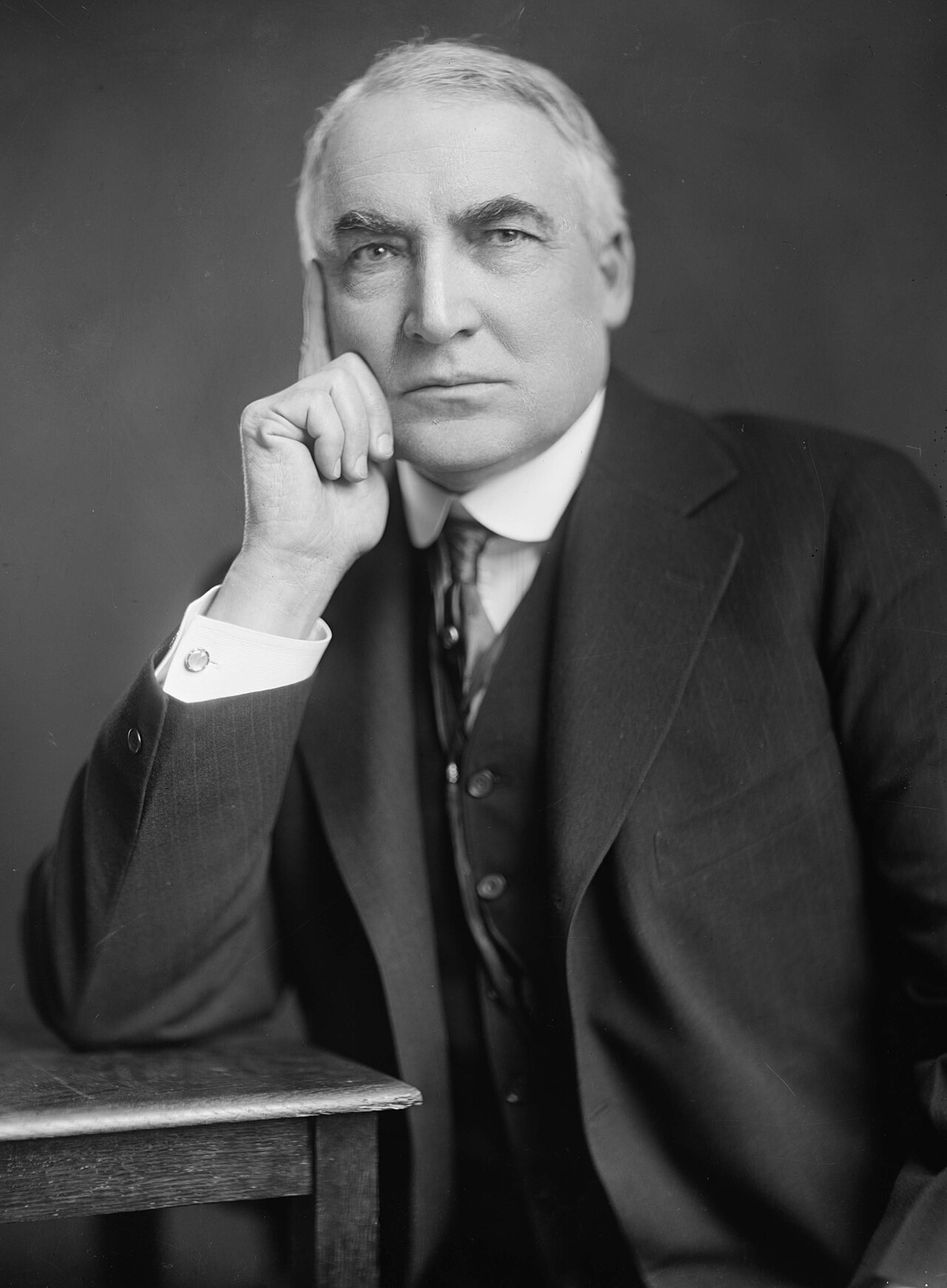
Warren G Harding by Harris & Ewing
Harris & Ewing
 Artifact
Primary source
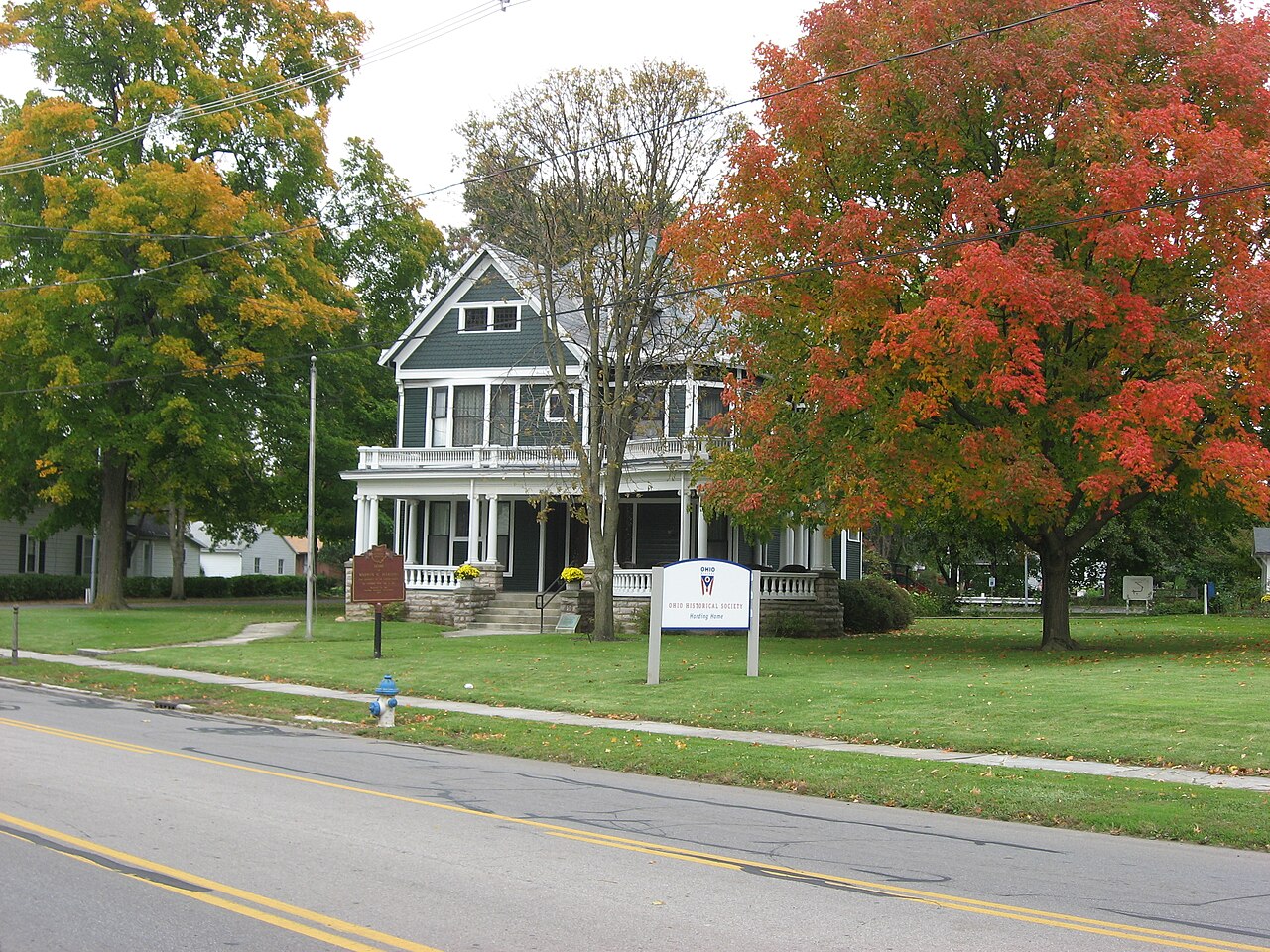
Harding Home
1890-1891 (built)
Ready when you are
Start chatting with Warren G. Harding now.
20 messages free · No credit card · Available in 50+ languages.