


Primary sourceDocument1989
Webster v. Reproductive Health Services
1989
A 1989 Supreme Court case upholding Missouri abortion restrictions, in which Justice O'Connor refused to join calls to overturn Roe v. Wade.
O'Connor's 1989 concurrence refused to join calls to overturn Roe v. Wade, marking her as the Court's pivotal vote on abortion.
About this source
What it is
This is the Supreme Court's 1989 decision in Webster v. Reproductive Health Services, which upheld a Missouri law restricting the use of public funds, facilities and employees in relation to abortion. The plurality opinion, written by Chief Justice William Rehnquist, signaled willingness to narrow the earlier ruling in Roe v. Wade. Justice Sandra Day O'Connor joined most of that opinion but wrote her own concurrence.
Why it matters
O'Connor refused to join the plurality in revisiting Roe v. Wade, arguing instead on narrower grounds that the Missouri law did not place an undue burden on the right to abortion. This made her the pivotal vote on abortion rights, three years before the Court addressed the issue again in Planned Parenthood v. Casey. Justice Antonin Scalia openly criticized her refusal to overturn Roe.
Look closer
- Why might a justice avoid deciding a bigger constitutional question when a narrower ruling is possible?
- What does the disagreement between O'Connor and Scalia reveal about different judicial philosophies?
- What does this case suggest about O'Connor's role as a swing vote?
This document is part of the curated material that grounds the AI version of Sandra Day O'Connor on Humy.ai — when students ask about related events, the AI can quote it and cite it.
More Sandra Day O'Connor sources
Meet the AI Sandra Day O'Connor → Document
Primary source
Shaw v. Reno
Supreme Court of the United States · 1993
Primary source
Planned Parenthood v. Casey
Supreme Court of the United States · 1992
 Document
Primary source
Grutter v. Bollinger
Supreme Court of the United States · 2003
Primary source
Bush v. Gore
Supreme Court of the United States · 12 December 2000
 Photograph
Primary source
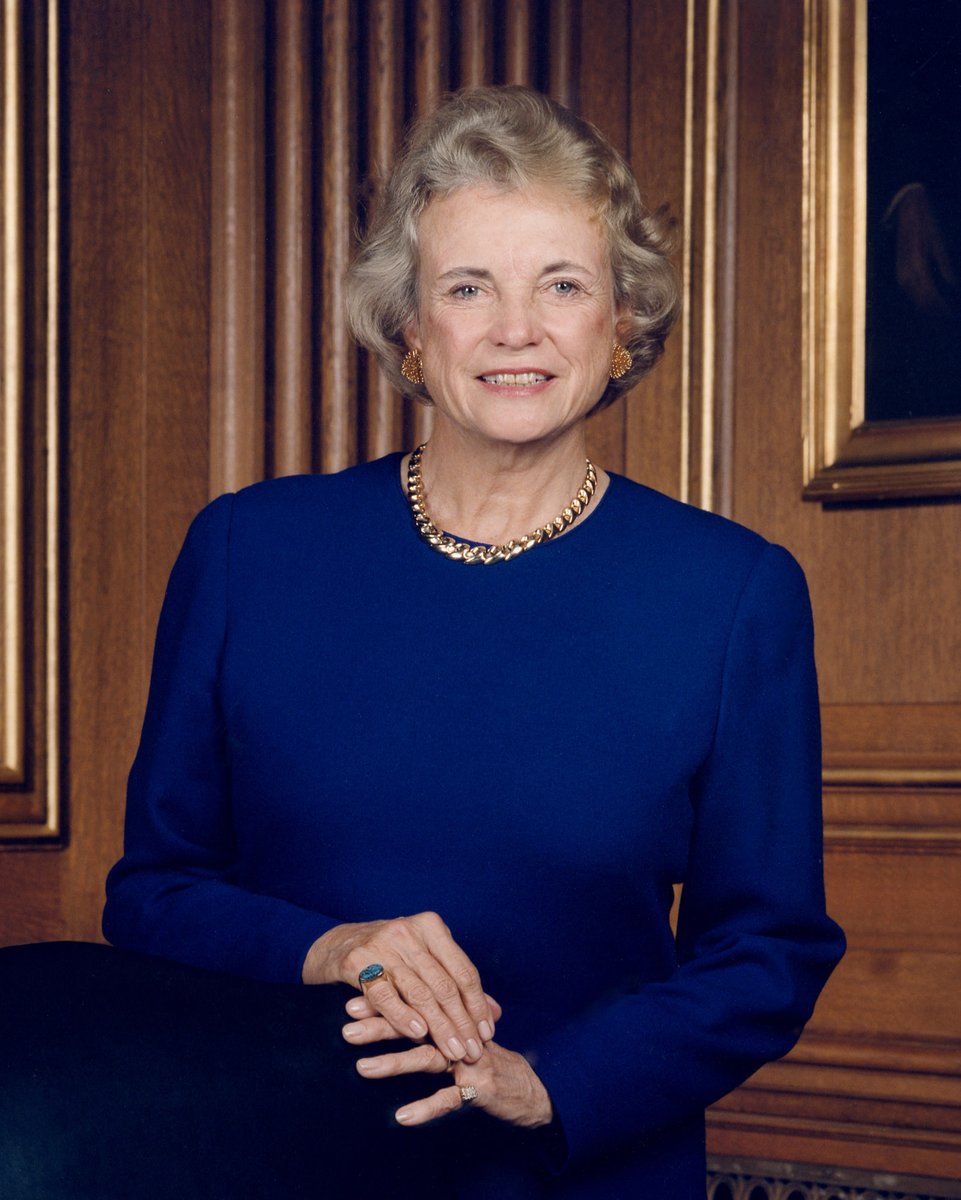
Sandra Day O'Connor Official Portrait
Library of Congress
Ready when you are
Start chatting with Sandra Day O'Connor now.
20 messages free · No credit card · Available in 50+ languages.