


Primary sourcePhotograph1923
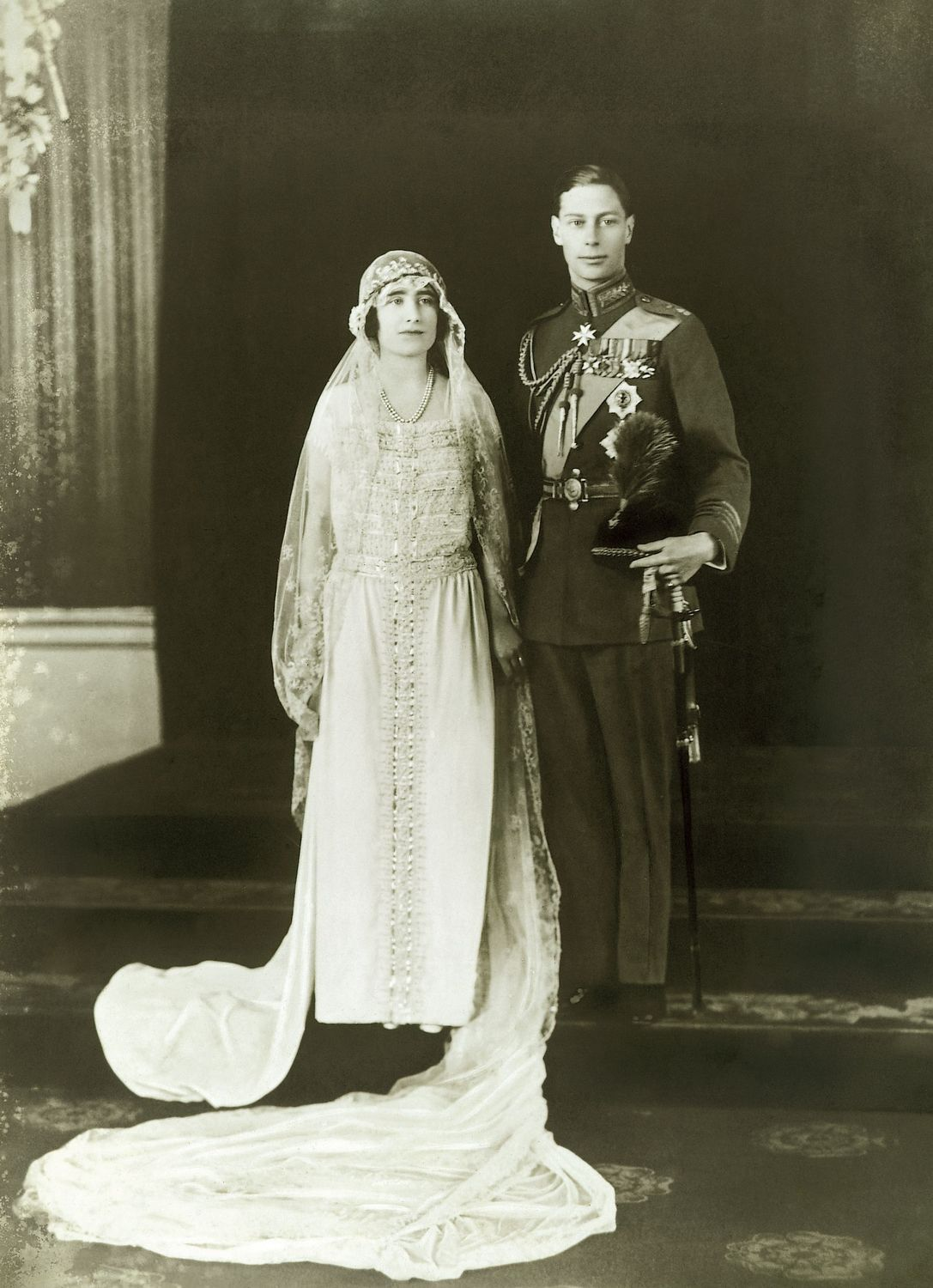
Wedding of George VI and Elizabeth Bowes-Lyon
Bassano Ltd · 1923
A 1923 studio wedding portrait of Prince Albert, Duke of York, later King George VI, and Elizabeth Bowes-Lyon, later Queen Elizabeth.
Records the wedding of George VI, then Duke of York, to Elizabeth Bowes-Lyon, a modernising royal marriage before his reign.
About this source
What it is
A sepia studio photograph by Bassano Ltd showing Prince Albert, Duke of York, the future King George VI, and his bride Elizabeth Bowes-Lyon at their wedding. He wears the full dress uniform of the Royal Air Force with the rank of group captain.
Why it matters
This marriage, in 1923, was notable because a royal prince married someone outside royal families, something considered a modernising step for the British monarchy at the time. The portrait records the formal beginning of the partnership between George VI and Elizabeth, who would later become his queen and support him through his reign, including the Second World War.
Look closer
- What does the choice of military uniform rather than royal robes suggest about how the couple wanted to be seen?
- Why might marrying outside a royal family have been considered a significant or even controversial choice in 1923?
- What does a formal studio portrait like this leave out about the couple's actual relationship?
This photograph is part of the curated material that grounds the AI version of George VI on Humy.ai — when students ask about related events, the AI can quote it and cite it.
More George VI sources
Browse all 97 →Primary source
King George VI's VE Day Speech
George VI · 8 May 1945
 Document
Primary source
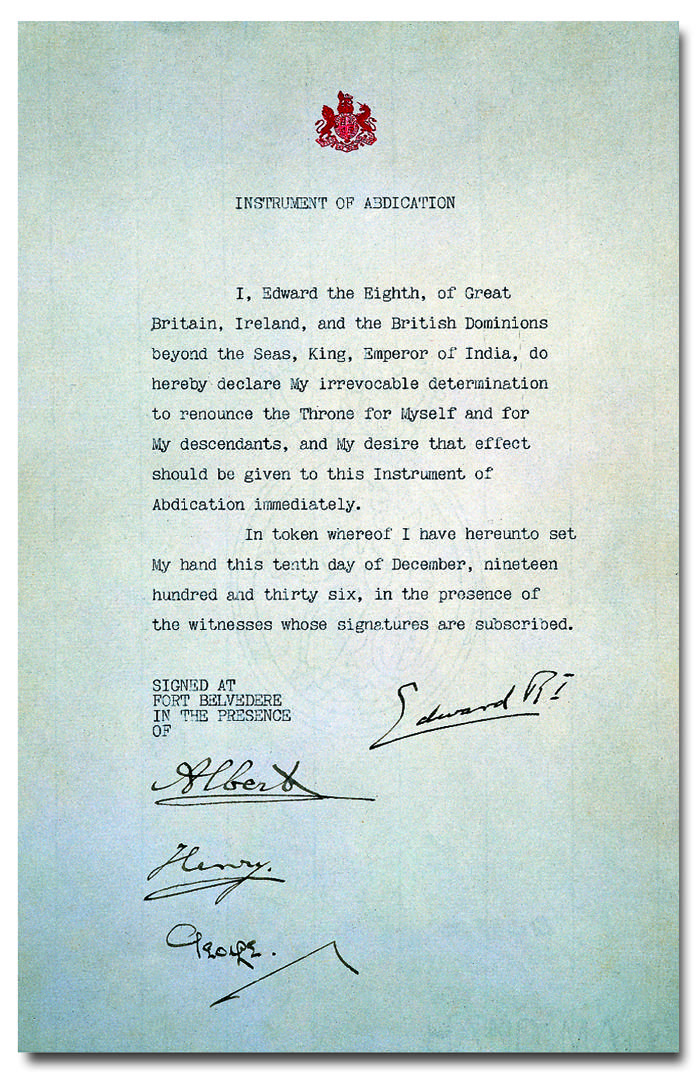
Instrument of Abdication
Edward VIII · 10 December 1936
 Painting
Primary source
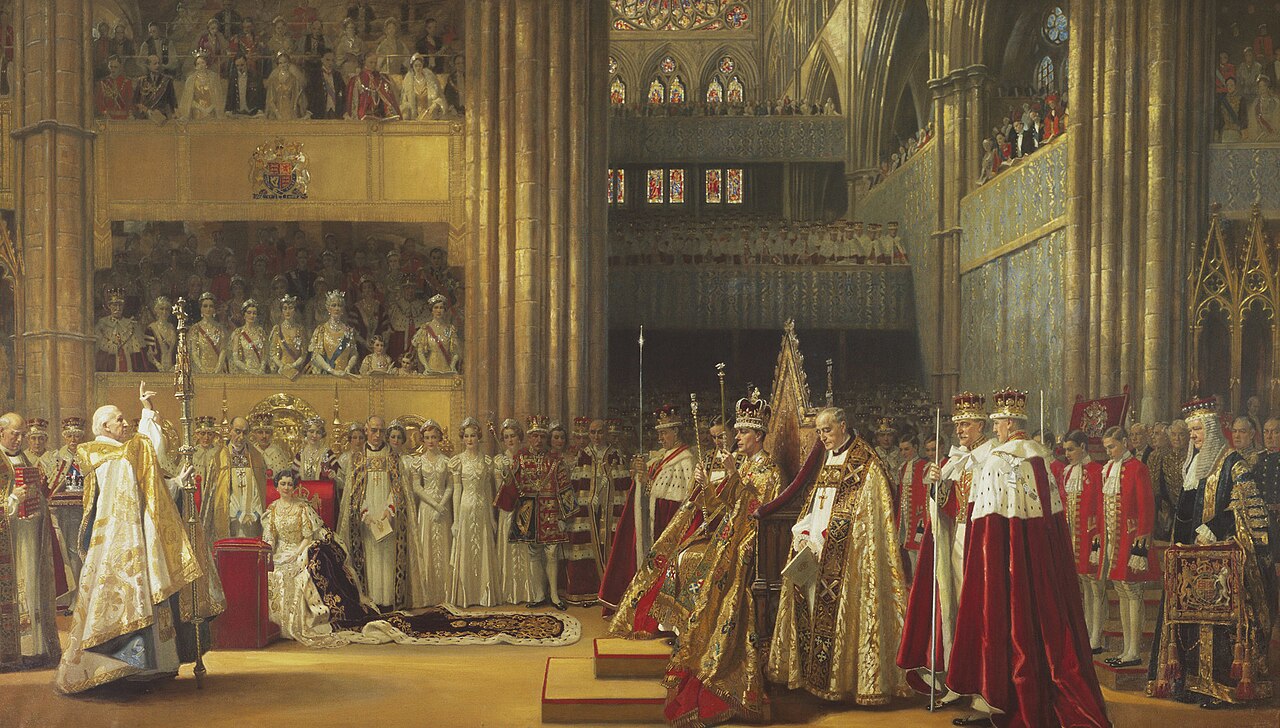
The Coronation of King George VI
Frank O. Salisbury · 1938
 Artifact
Primary source
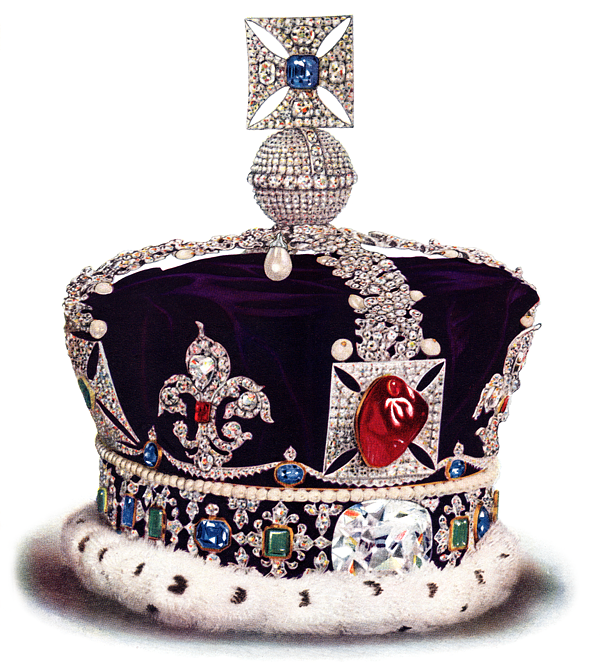
Imperial State Crown
Garrard & Co · 1937
Free account
Browse every George VI source
Sign up free →
Ready when you are
Start chatting with George VI now.
20 messages free · No credit card · Available in 50+ languages.