


Primary sourceDocument11 August 1919
Weimar Constitution
German National Assembly · 11 August 1919
The founding constitution of the German Republic, signed by President Friedrich Ebert on 11 August 1919.
Ebert signed this constitution as the first President of Germany, creating the office and powers he exercised.
Free Humy account · No credit card · 120,288 sources to read
About this source
What it is
This is the original signed document of the Weimar Constitution, adopted by the German National Assembly on 31 July 1919. It was signed by Friedrich Ebert, the first President of Germany, on 11 August 1919, and took effect three days later. It is held in the Bundesarchiv in Berlin.
Why it matters
The constitution created the office of Reich President that Ebert held, and gave it the emergency powers of Article 48, which Ebert used several times. It shaped the political structure of the new German Republic after the monarchy's collapse, and its 181 articles organised everything from the Reichstag to basic rights.
Look closer
- Why might the National Assembly have moved so quickly through the debates on this document?
- What does Ebert's signature tell us about his role in the new republic?
- What powers did this constitution give the president, and why might that matter later?
This document is part of the curated material that grounds the AI version of Friedrich Ebert on Humy.ai — when students ask about related events, the AI can quote it and cite it.
More Friedrich Ebert sources
Browse all 94 → Photograph
Primary source
Friedrich Ebert and Gustav Noske Bathing at Haffkrug
Wilhelm Steffen · 1919
Primary source
Recording of the Voice of Friedrich Ebert
Friedrich Ebert · 21 August 1919
 Photograph
Primary source
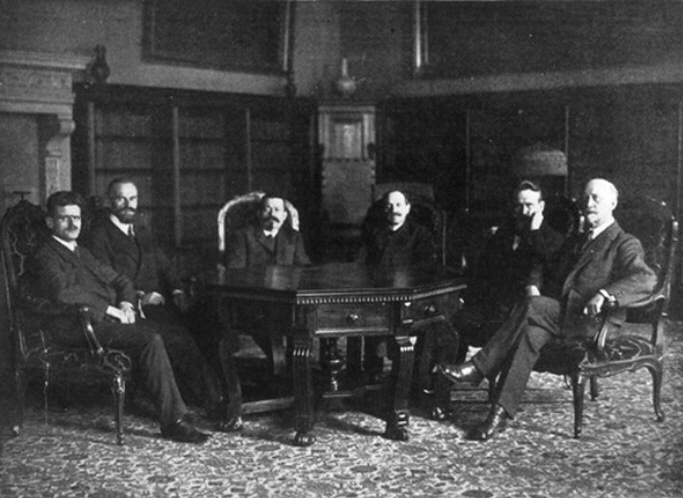
Council of People's Deputies
1918
 Photograph
Primary source
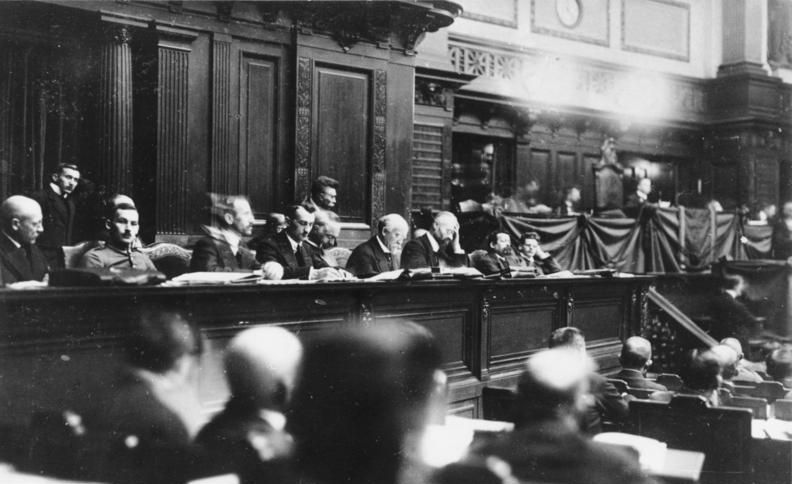
Swearing-in of Reich President Ebert in Weimar
Robert Sennecke · 21 August 1919
Free account
Read every Friedrich Ebert source
Sign up free →
Ready when you are
Start chatting with Friedrich Ebert now.
20 messages free · No credit card · Available in 50+ languages.