


Primary sourceArtifact1993
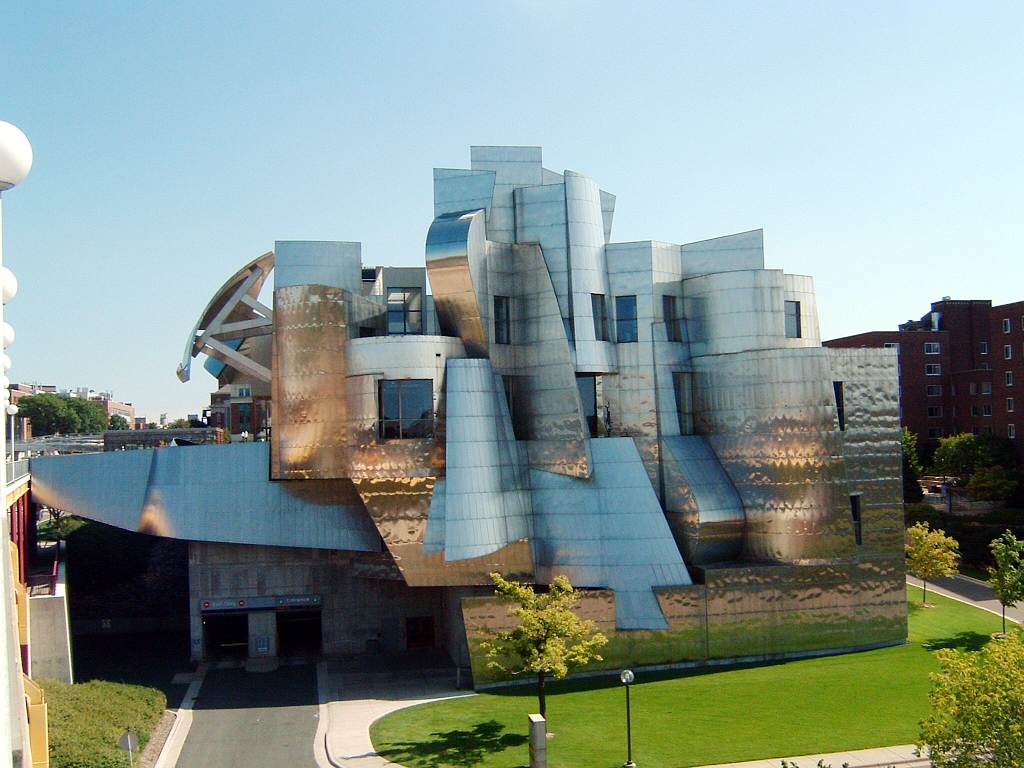
Weisman Art Museum
Frank Gehry · 1993
An art museum at the University of Minnesota, with a brushed-steel façade designed by Frank Gehry.
Gehry's 1993 steel-clad museum building, an early step toward his Bilbao design.
About this source
What it is
The Weisman Art Museum, founded in 1934 as University Gallery, moved in 1993 into a new building designed by Frank Gehry, with MSR Design as architect of record. It sits on a bluff above the Mississippi River on the University of Minnesota campus and was renamed for art collector and philanthropist Frederick R. Weisman.
Why it matters
The museum shows two very different faces: a brick side blending with the historic campus, and a curving, abstract stainless-steel side facing the river, said to resemble a fish and waterfall. Built before computer-aided design was common in architecture, it is considered an important early example of Gehry's metal-skinned sculptural style, and is often seen as a direct forerunner of his later Guggenheim Museum Bilbao design.
Look closer
- Why might an architect design a building with two completely different-looking sides?
- What challenges would come from building such curved metal shapes without computer design tools?
- How does this building connect to Gehry's later, more famous works?
This artifact is part of the curated material that grounds the AI version of Frank Gehry on Humy.ai — when students ask about related events, the AI can quote it and cite it.
More Frank Gehry sources
Browse all 76 →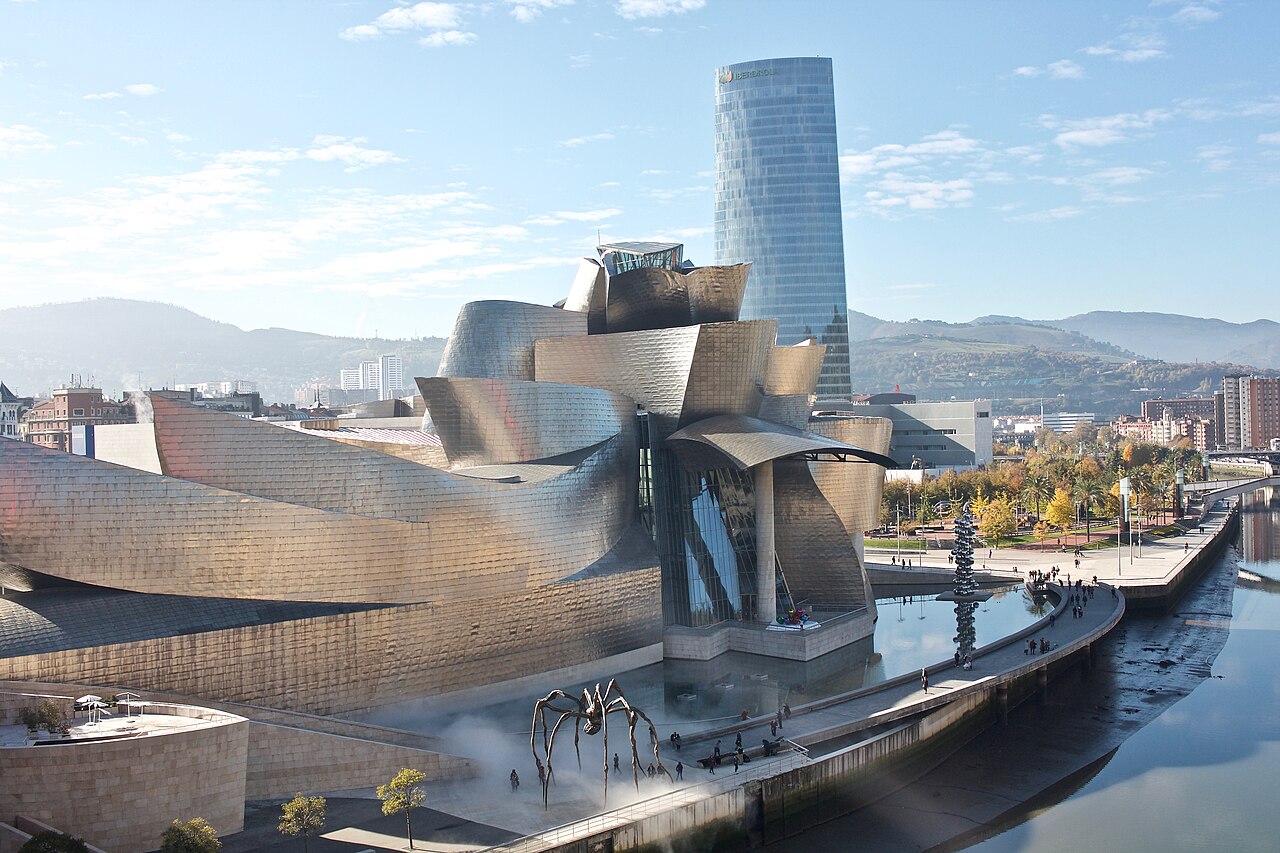 Artifact
Primary source
Guggenheim Museum Bilbao
Frank Gehry · 1997
 Artifact
Primary source
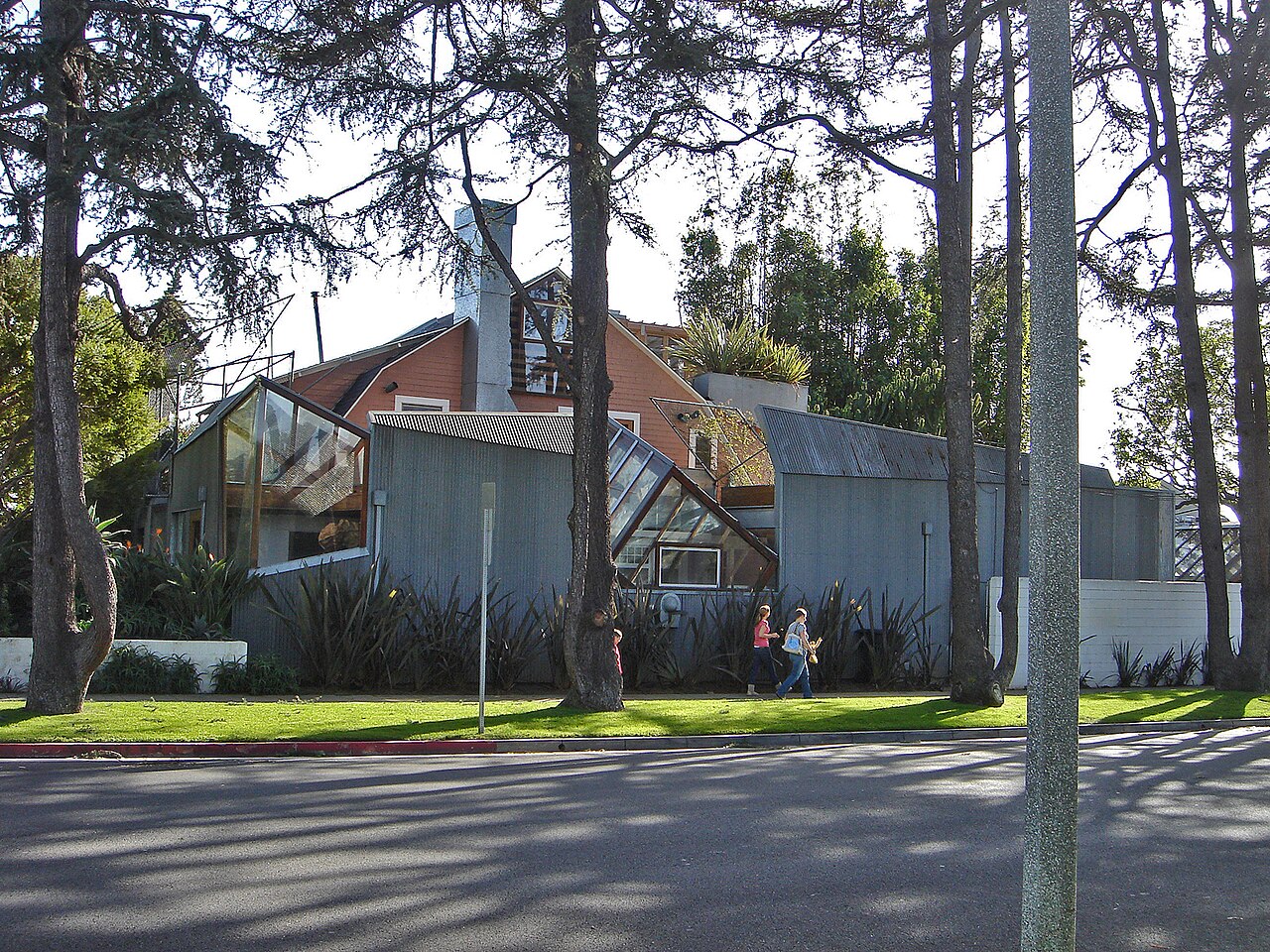
Gehry Residence
Frank Gehry · 1976
 Artifact
Primary source
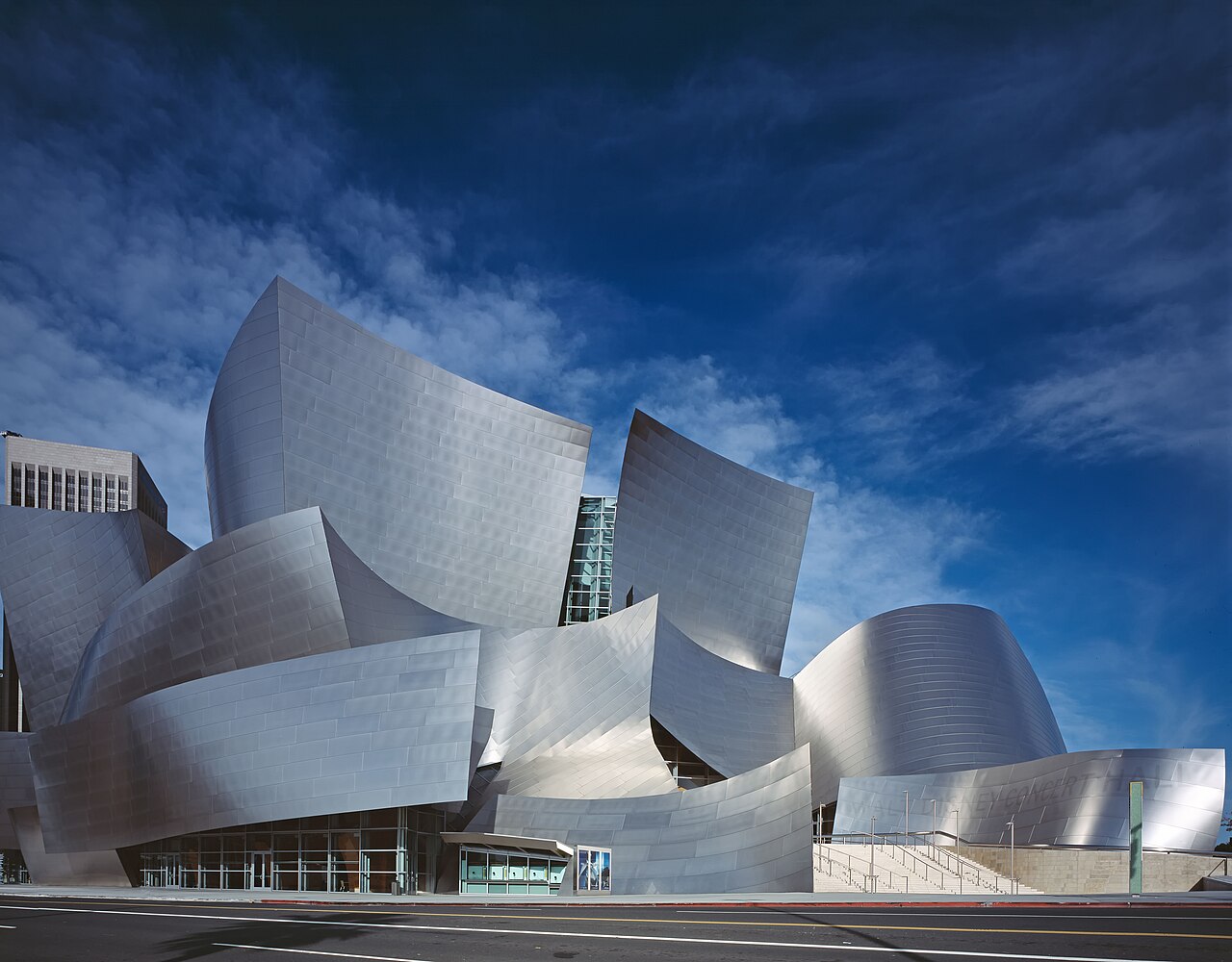
Walt Disney Concert Hall
Frank Gehry · 2003
 Artifact
Primary source
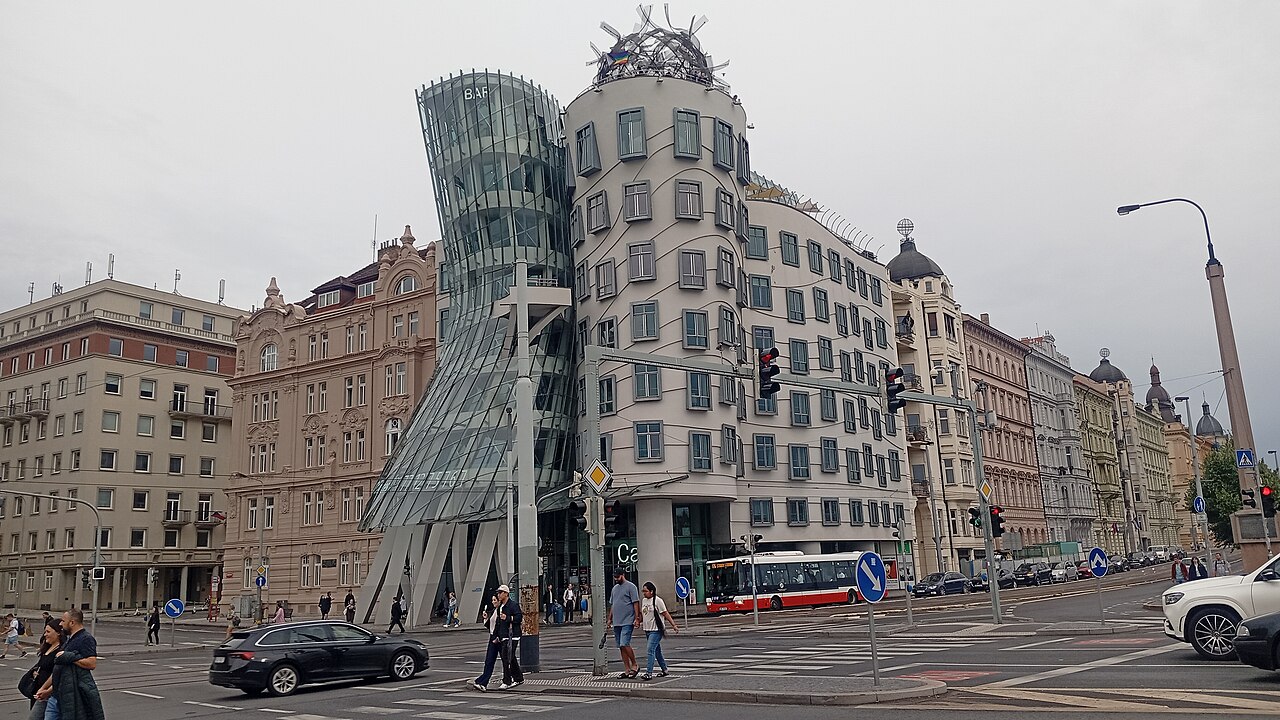
Dancing House
Vlado Milunić and Frank Gehry · 1992-1996
Free account
Read every Frank Gehry source
Sign up free →
Ready when you are
Start chatting with Frank Gehry now.
20 messages free · No credit card · Available in 50+ languages.