


Primary sourceDocument24 December 1927
Wet op de collectieve arbeidsovereenkomst
Nederlandse staat · 24 December 1927
The 1927 Dutch law regulating collective labour agreements, enacted under Queen Wilhelmina's signature as part of interwar social legislation.
This law was enacted under Wilhelmina's signature, illustrating her constitutional role in interwar social legislation.
Free Humy account · No credit card · 120,912 sources to read
About this source
What it is
This is a Dutch law, dated 24 December 1927, that set out rules for how employers and employee organizations could make collective agreements about working conditions. It was issued in the name of Queen Wilhelmina, who held constitutional authority to enact legislation.
Why it matters
The law reflects the social and political pressures of the period following the unrest of 1918, when governments across Europe sought to regulate labour relations more formally. As queen, Wilhelmina's signature on such laws shows her constitutional role rather than personal authorship, since laws were drafted by government ministers and parliament.
Look closer
- Why does the law open with the queen's name and titles even though she did not write its content?
- What does this document tell us about the relationship between the monarch, government, and parliament in the Netherlands?
- What problems in society might have led to a law like this being passed?
This document is part of the curated material that grounds the AI version of Wilhelmina of the Netherlands on Humy.ai — when students ask about related events, the AI can quote it and cite it.
More Wilhelmina of the Netherlands sources
Browse all 79 →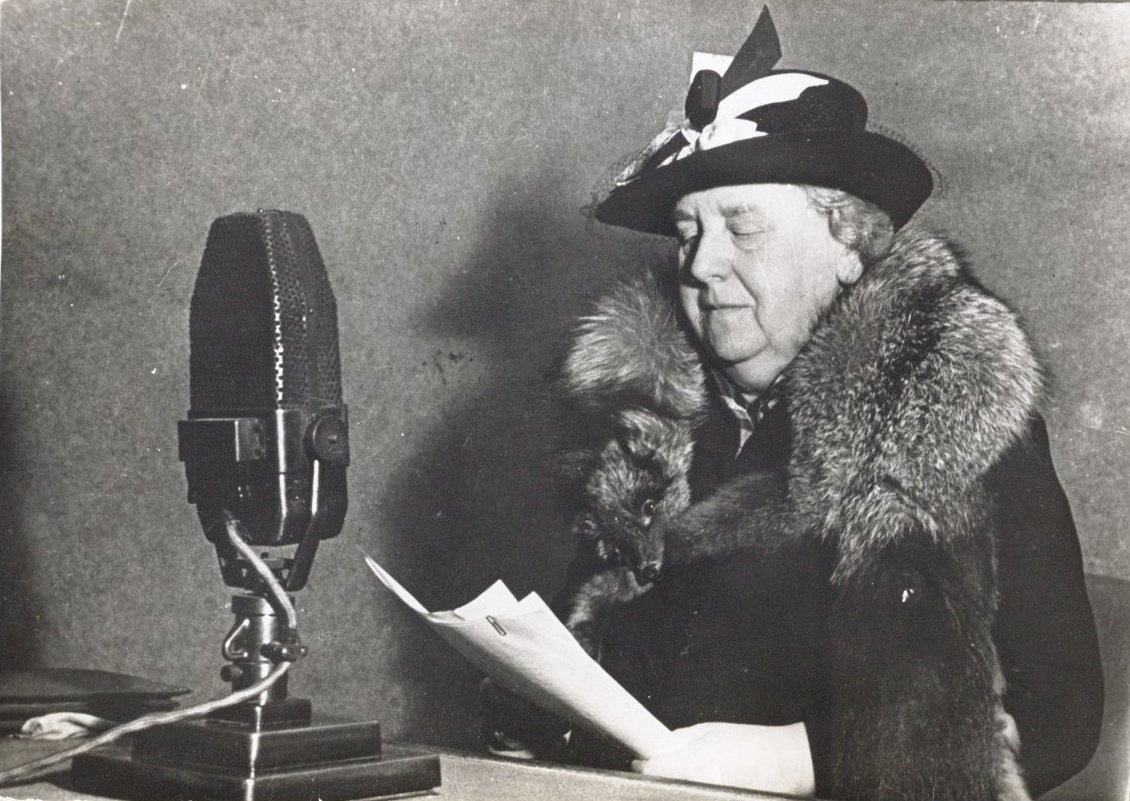 Photograph
Primary source
Queen Wilhelmina at Radio Oranje
Unknown photographer (ANEFO)
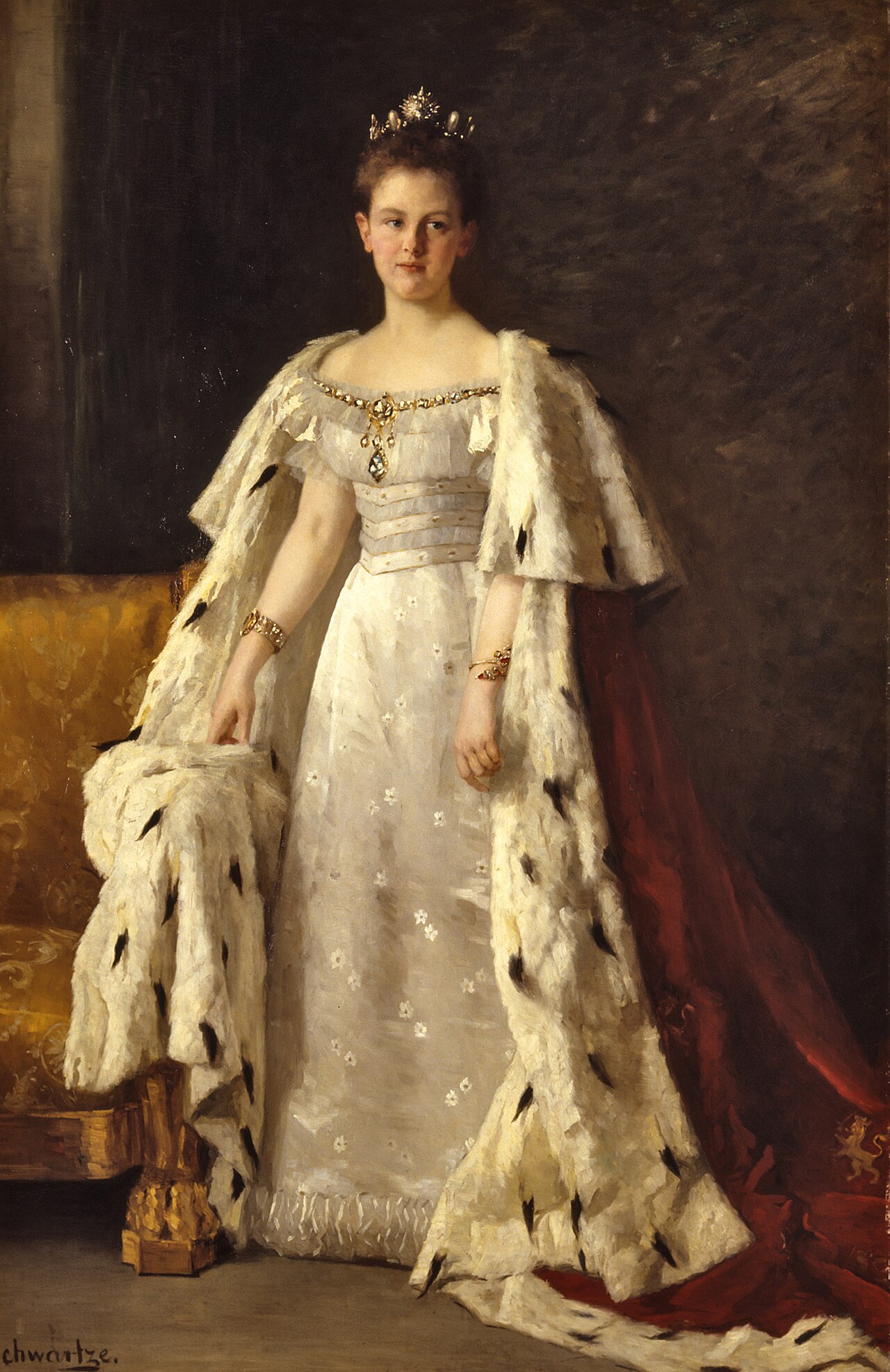 Painting
Primary source
Portrait of Queen Wilhelmina in Coronation Robes
Thérèse Schwartze · 1898
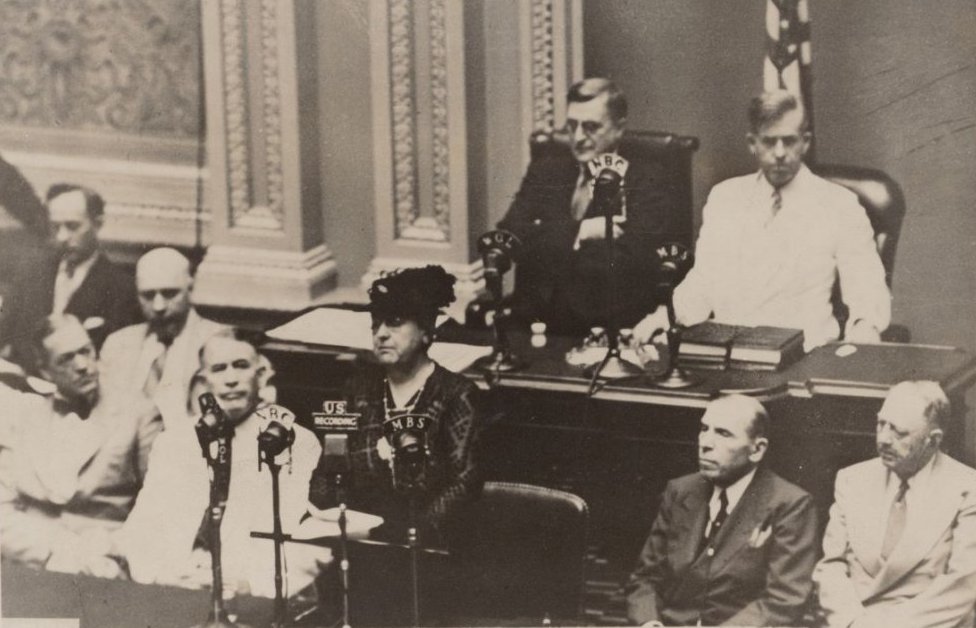 Photograph
Primary source
Queen Wilhelmina Addresses the United States Congress
Nationaal Archief · August 1942
Primary source
Zur Krönung der Königin Wilhelmina
1898
Free account
Read every Wilhelmina of the Netherlands source
Sign up free →
Ready when you are
Start chatting with Wilhelmina of the Netherlands now.
20 messages free · No credit card · Available in 50+ languages.