


Secondary sourcePainting1913
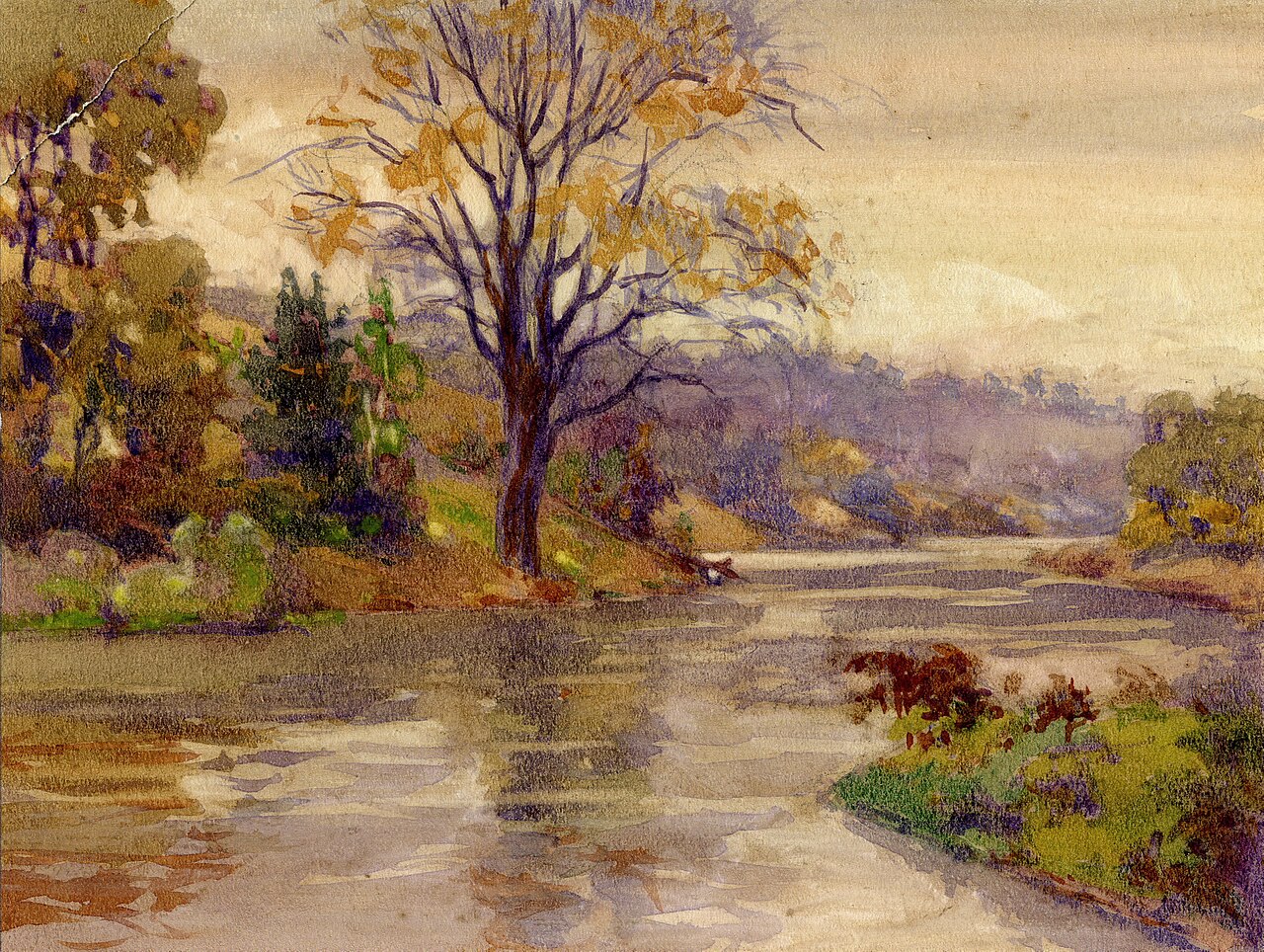
Where Laura Secord Crossed the Twelve Mile Creek
John Wesley Cotton (attributed) · 1913
A 1913 watercolour of the spot near St. Catharines where Secord crossed Twelve Mile Creek during her famous 1813 walk.
Depicts the real location on Secord's 1813 walk to warn British forces, grounding her story in actual geography.
About this source
What it is
This watercolour, attributed to John Wesley Cotton and dated 1913, shows the place where Laura Secord crossed Twelve-Mile Creek near St. Catharines on 23 June 1813, during her walk to warn British forces of an American attack.
Why it matters
Secord walked about 20 miles through enemy-held territory to reach the British soldiers and Mohawk warriors, who went on to win the Battle of Beaver Dams. Her husband James, wounded earlier at Queenston Heights, could not make the journey himself. This image helps students trace the geography of her walk rather than invent dramatic scenes around it.
Look closer
- What can a landscape painting like this tell us, and what can it not tell us, about a historical event?
- Why might this specific location have been chosen to commemorate Secord's walk?
- How does knowing the real geography of her journey change how you imagine the story?
This painting is part of the curated material that grounds the AI version of Laura Secord on Humy.ai — when students ask about related events, the AI can quote it and cite it.
More Laura Secord sources
Browse all 60 → Book
Secondary source
1812; The War, and Its Moral: A Canadian Chronicle
William F. Coffin · 1864
 Photograph
Primary source
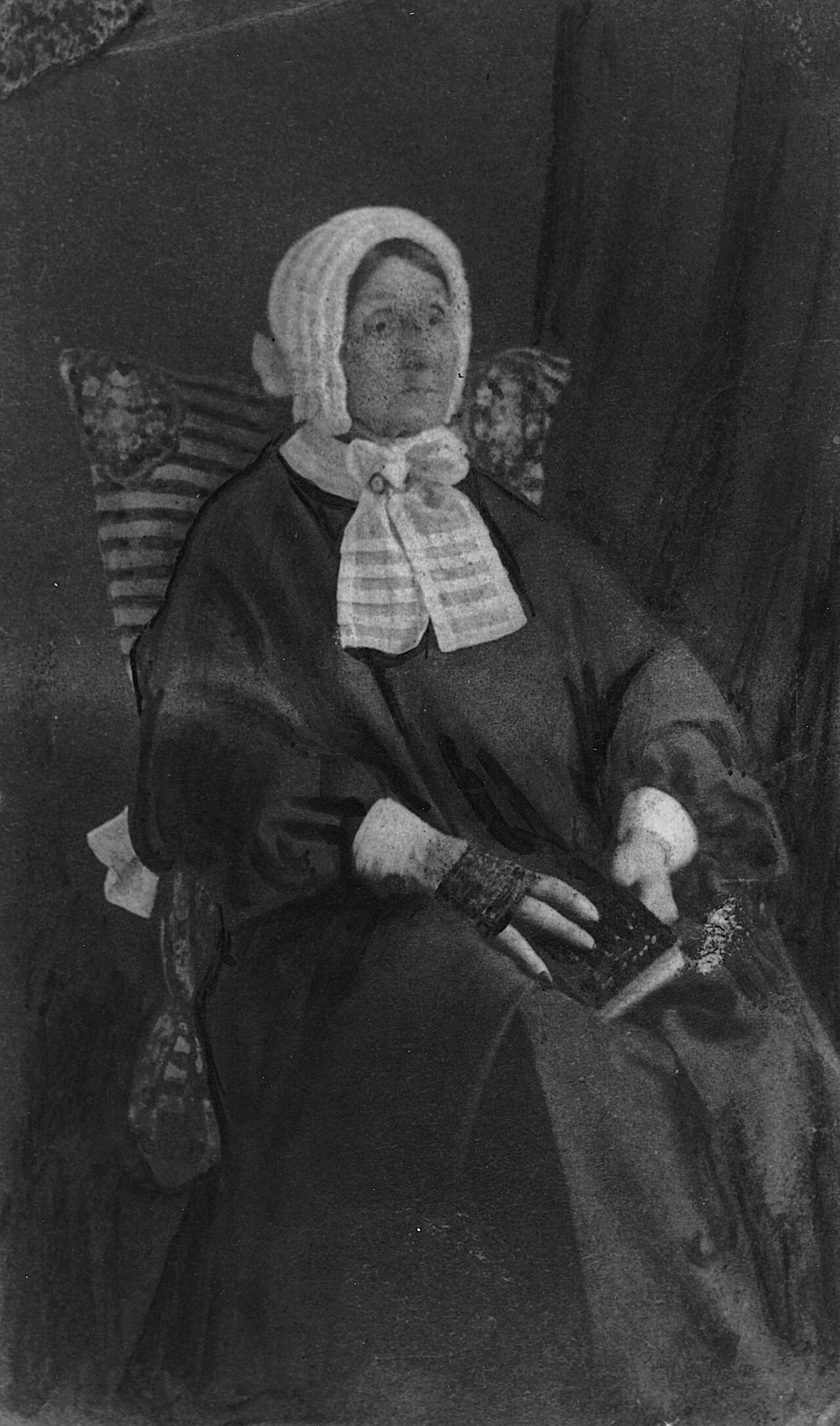
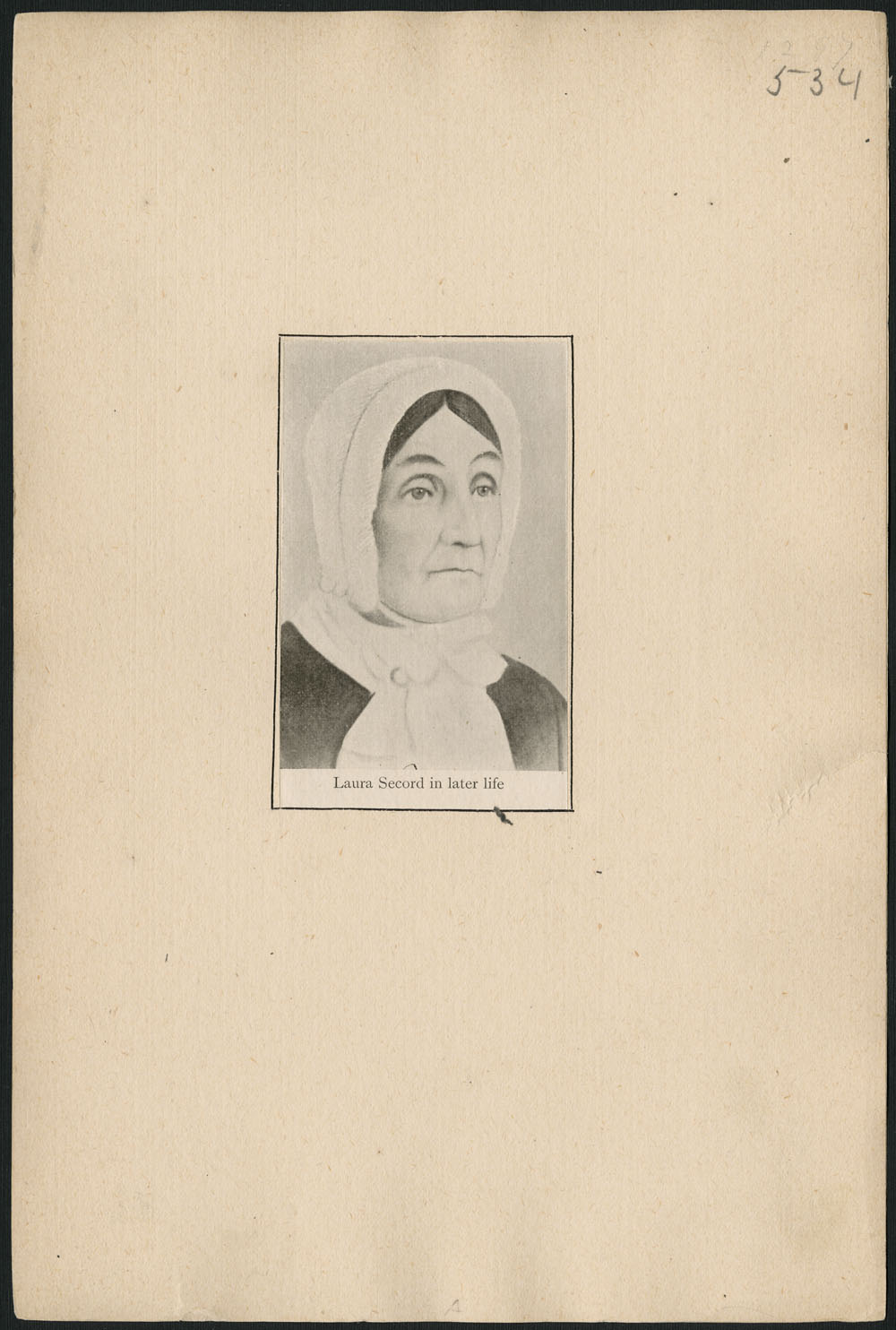
Portrait of Laura Secord
Anonymous · c. 1865
 Artifact
Primary source
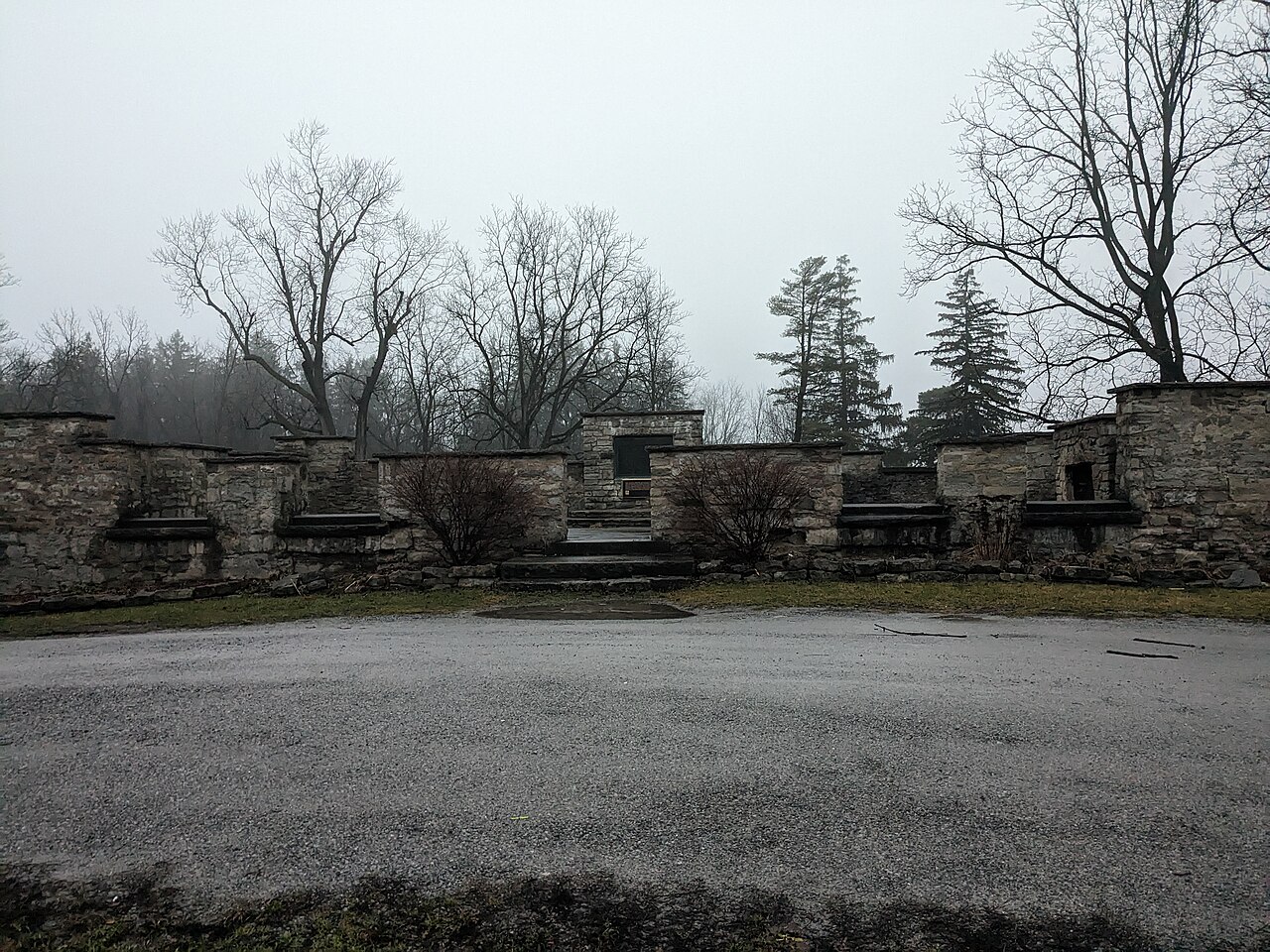
DeCew House
c. 1808
 Artifact
Secondary source
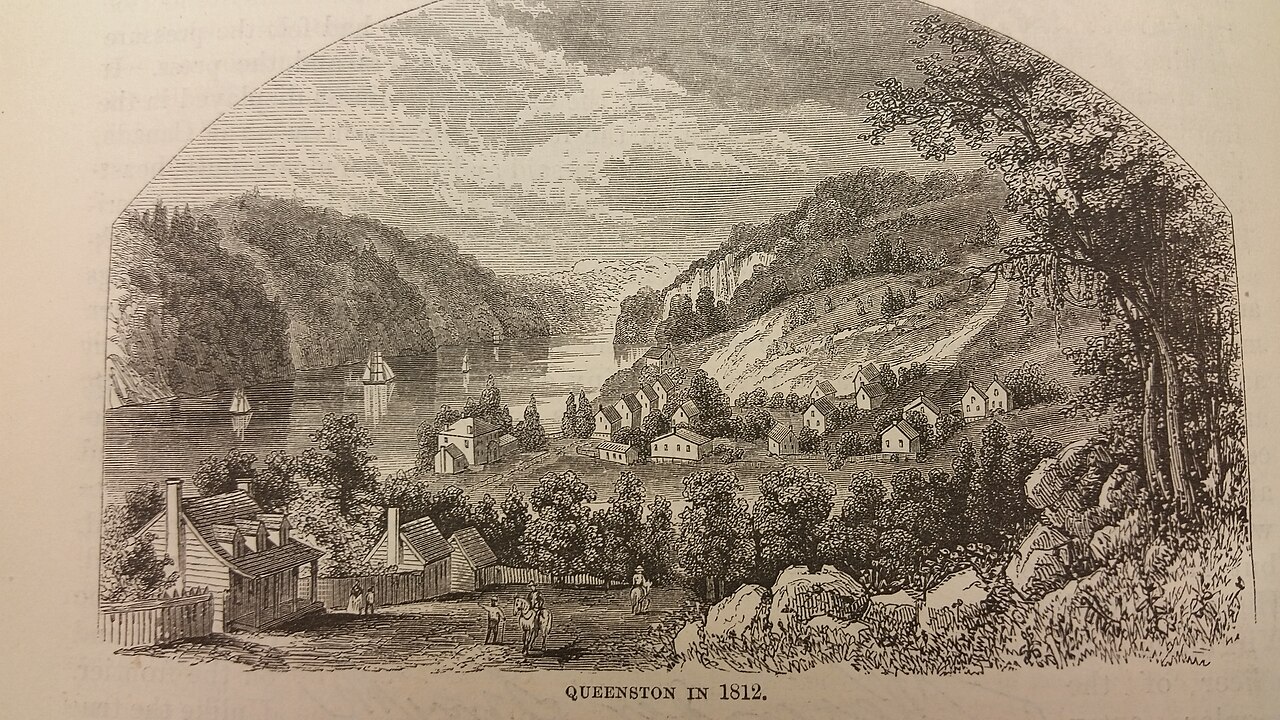
Queenston

Free account
Browse every Laura Secord source
Sign up free →
Ready when you are
Start chatting with Laura Secord now.
20 messages free · No credit card · Available in 50+ languages.