


Primary sourceArtifact1677–1696
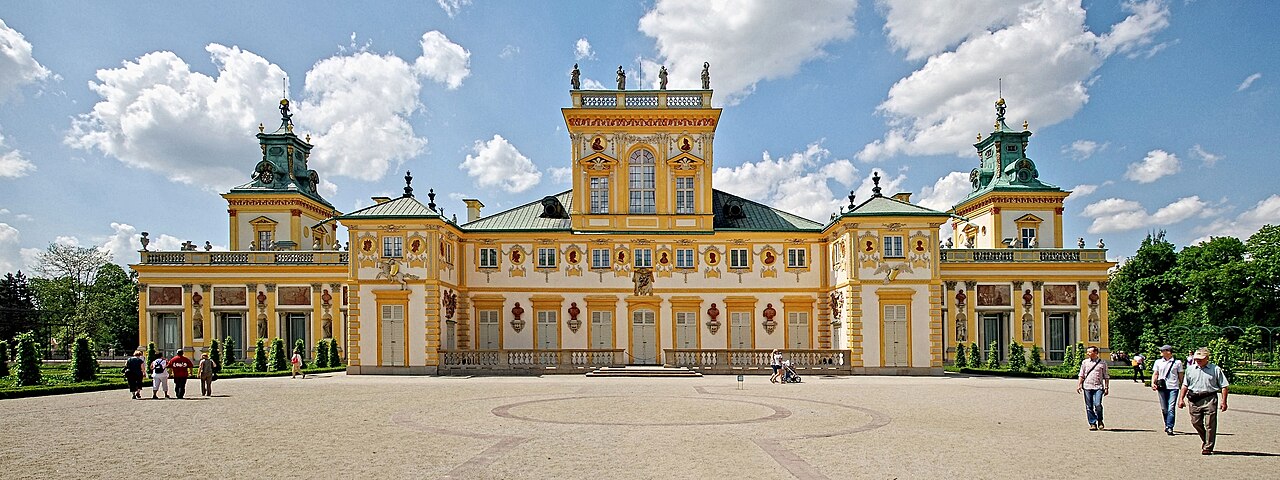
Wilanów Palace
Augustyn Wincenty Locci · 1677–1696
A Baroque palace near Warsaw built from 1677 for John III Sobieski, decorated throughout with imagery celebrating his military victories.
The palace Sobieski commissioned and lived in, decorated to celebrate his own reign and victories.
About this source
What it is
Wilanów Palace is a suburban residence built between 1677 and 1696 for King John III Sobieski, designed by architect Augustyn Wincenty Locci. It later passed through several noble families and became a public museum in 1805.
Why it matters
The palace blends Polish, Italian and French building traditions and is one of Poland's most important Baroque monuments. Its decoration, developed with Sobieski's librarian Adam Adamandy Kochański, was designed to glorify the king, his queen, and the Polish state, comparing Sobieski to ancient heroes and gods.
It reveals how Sobieski wanted to be remembered — as a victorious, classically heroic monarch — and how art and architecture could serve royal propaganda.
Look closer
- Why might a king want his home decorated with images of ancient gods and emperors?
- What does the choice of architectural styles tell you about the connections Sobieski wanted to the rest of Europe?
- How did the palace's purpose change after Sobieski's death?
This artifact is part of the curated material that grounds the AI version of John III Sobieski on Humy.ai — when students ask about related events, the AI can quote it and cite it.
More John III Sobieski sources
Browse all 94 →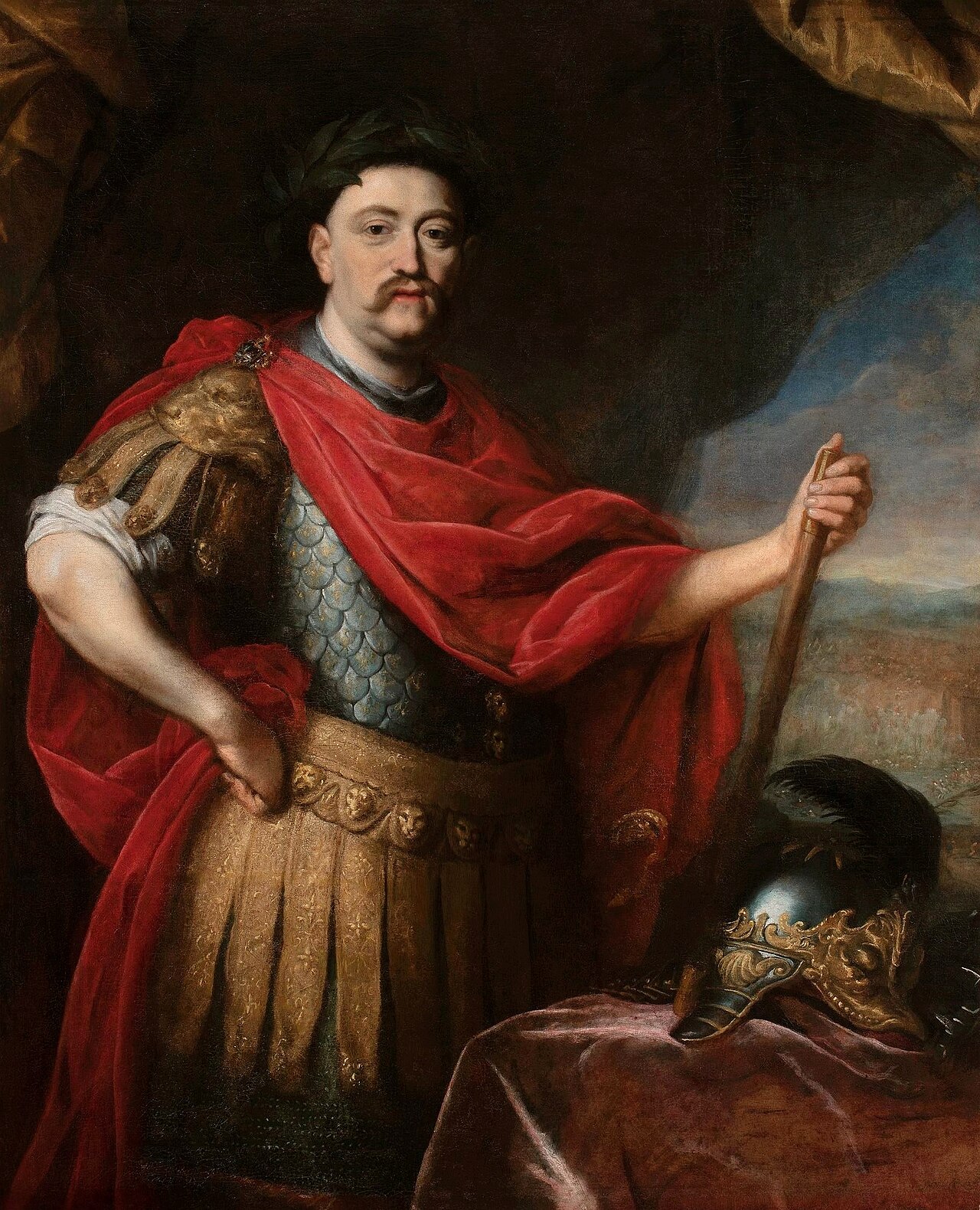 Painting
Primary source
Portrait of John III Sobieski in Roman Costume
Daniel Schultz · 1673
 Painting
Primary source
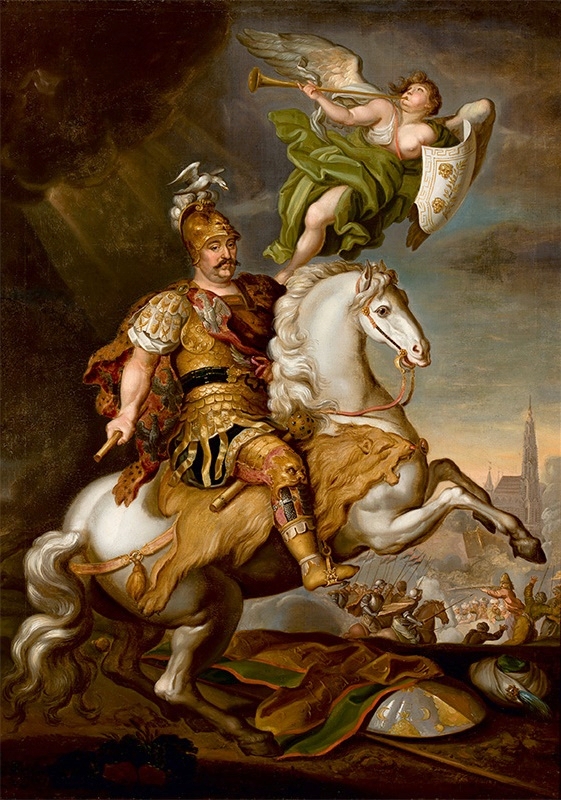
John III Sobieski at the Battle of Vienna
Jerzy Siemiginowski-Eleuter · 1686
 Artifact
Primary source
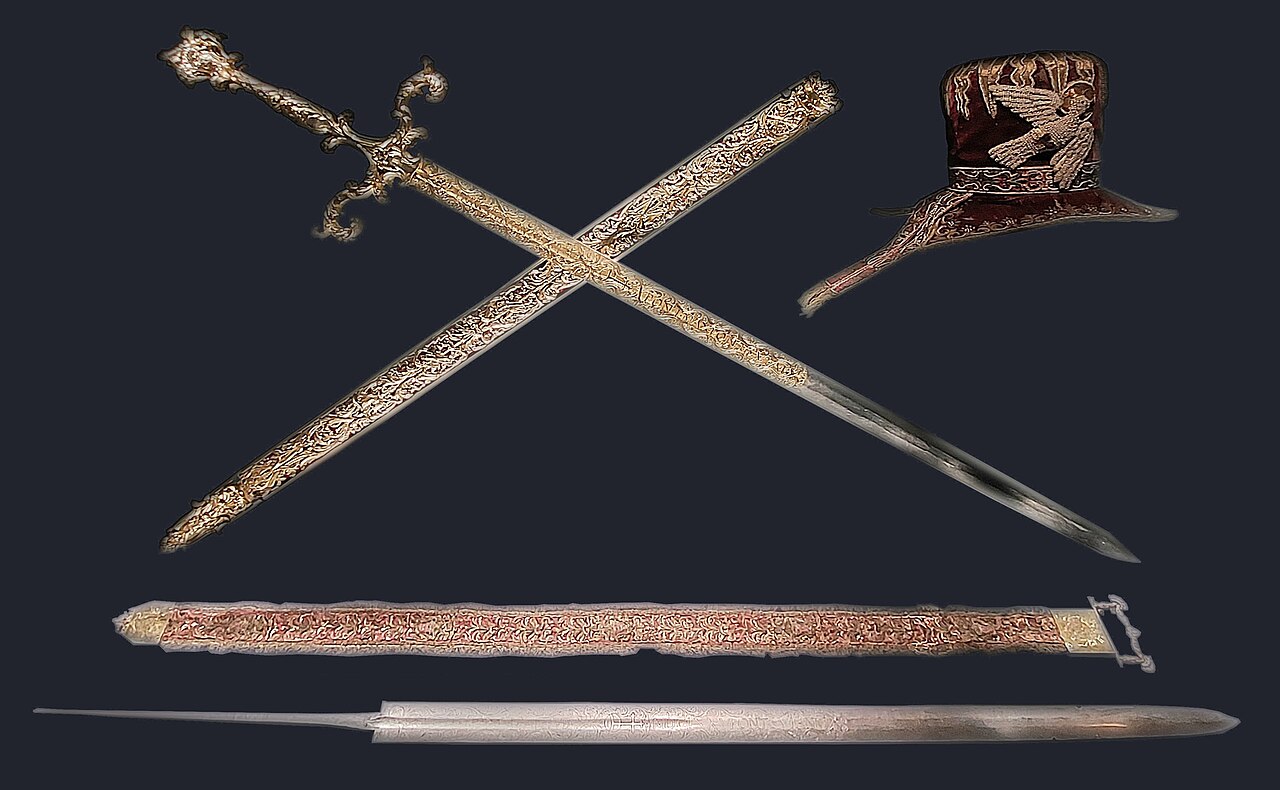
Blessed Sword and Hat of John III Sobieski
1684
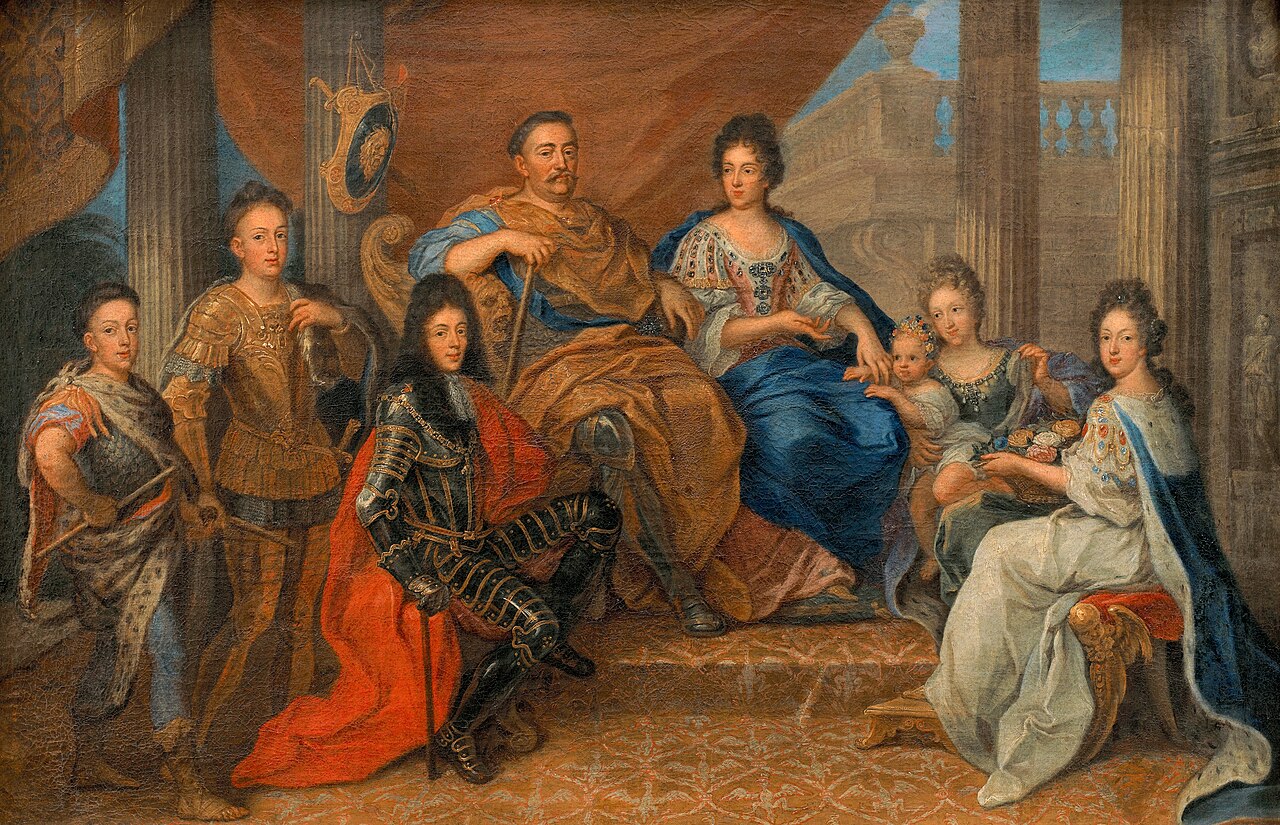 Painting
Primary source
John III Sobieski with His Family
Henri Gascar · 1693
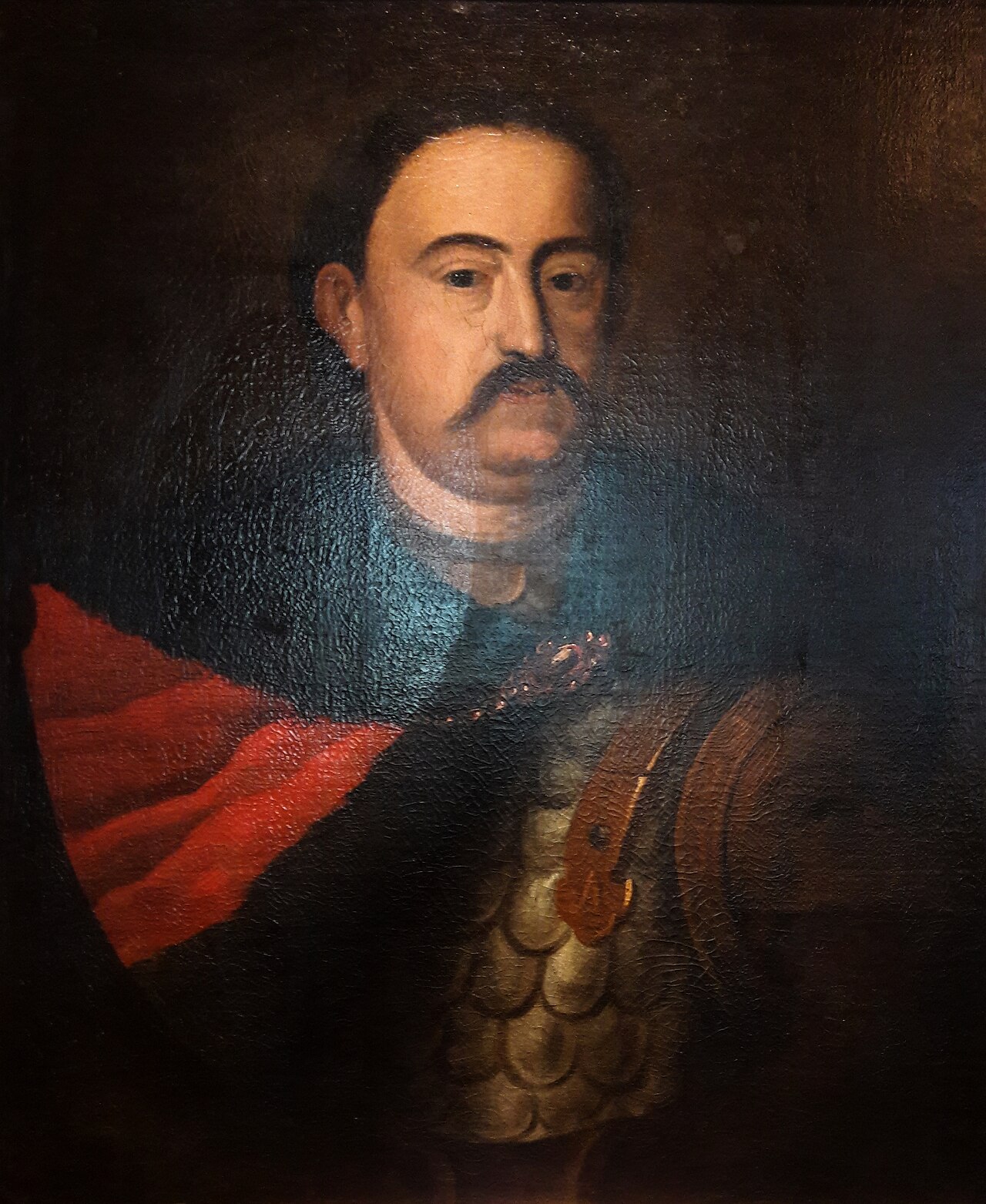

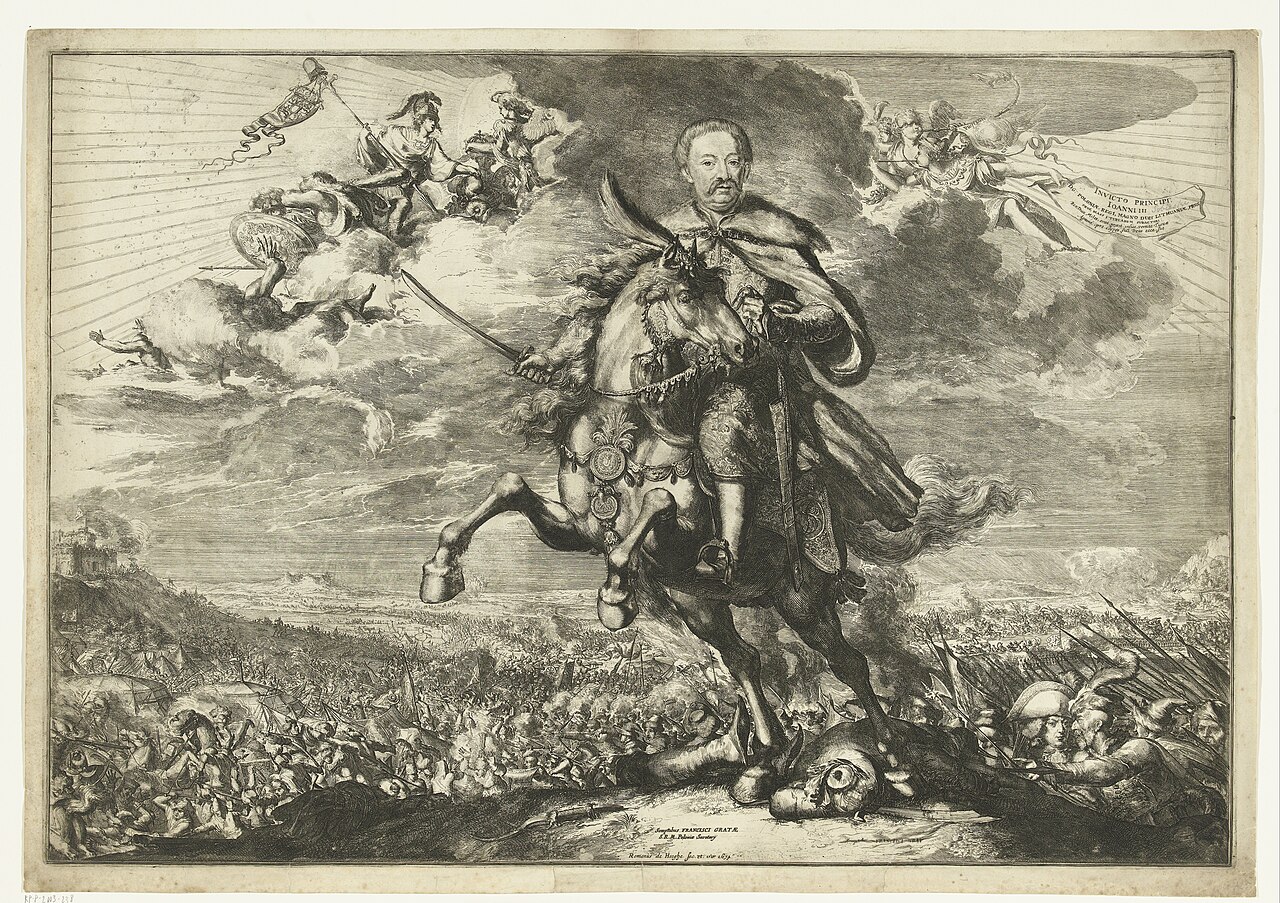
Free account
Read every John III Sobieski source
Sign up free →
Ready when you are
Start chatting with John III Sobieski now.
20 messages free · No credit card · Available in 50+ languages.