


Secondary sourceSculpture1948
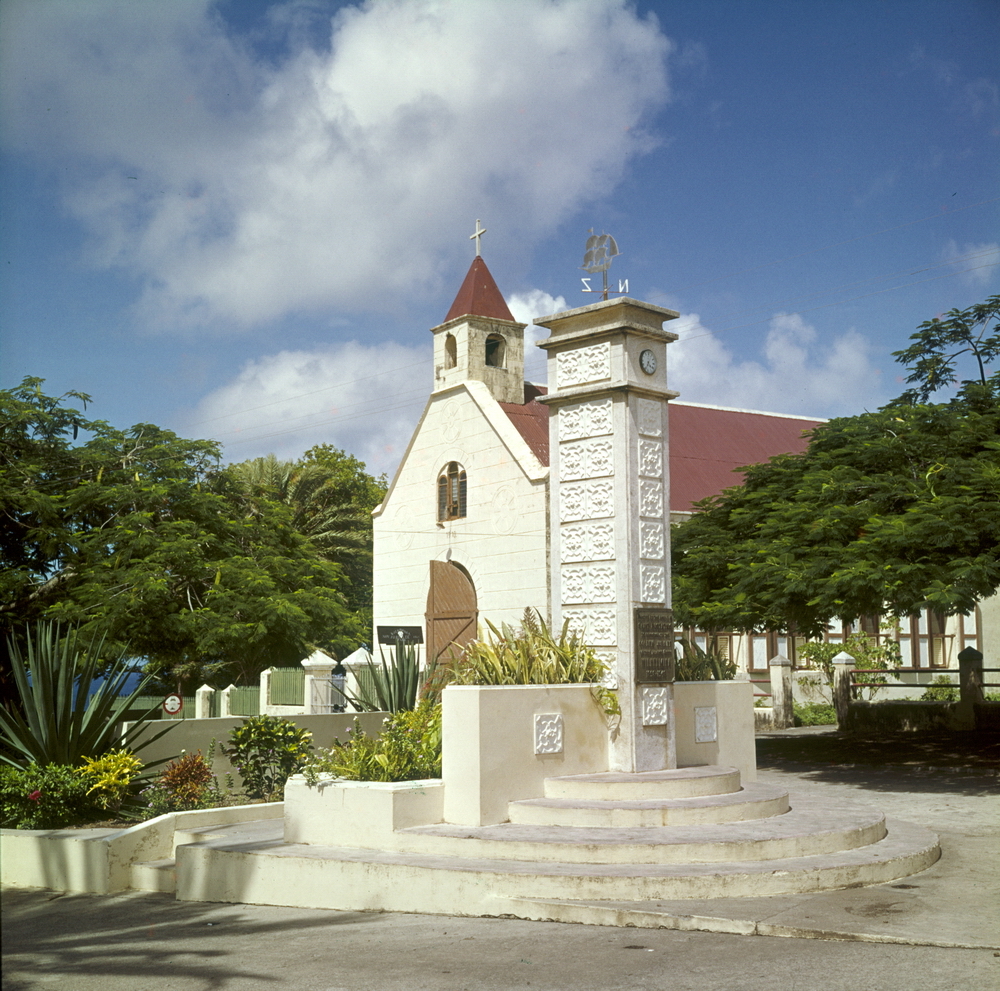
Wilhelmina Monument (Sint Eustatius)
1948
A commemorative stone monument on Sint Eustatius erected in 1948 to mark Queen Wilhelmina's golden jubilee and abdication.
This 1948 monument on Sint Eustatius commemorates Wilhelmina's fifty-year reign and her abdication that year.
About this source
What it is
This is a stone monument on the island of Sint Eustatius, then part of the Dutch colonial empire. It was erected in 1948, the year Queen Wilhelmina celebrated fifty years on the throne and also abdicated in favour of her daughter Juliana.
Why it matters
The monument shows how people in the colonies marked the queen's long reign with public commemoration. It reveals how the monarchy was presented and celebrated across the Dutch empire, not just in the Netherlands itself, at a moment of transition in her rule.
Look closer
- Why might a monument to the queen be built in a colony rather than only in the Netherlands?
- What does the choice of materials and design tell you about how important this event was considered locally?
- What is missing from this monument that might tell a fuller story of colonial rule at the time?
This sculpture is part of the curated material that grounds the AI version of Wilhelmina of the Netherlands on Humy.ai — when students ask about related events, the AI can quote it and cite it.
More Wilhelmina of the Netherlands sources
Browse all 79 →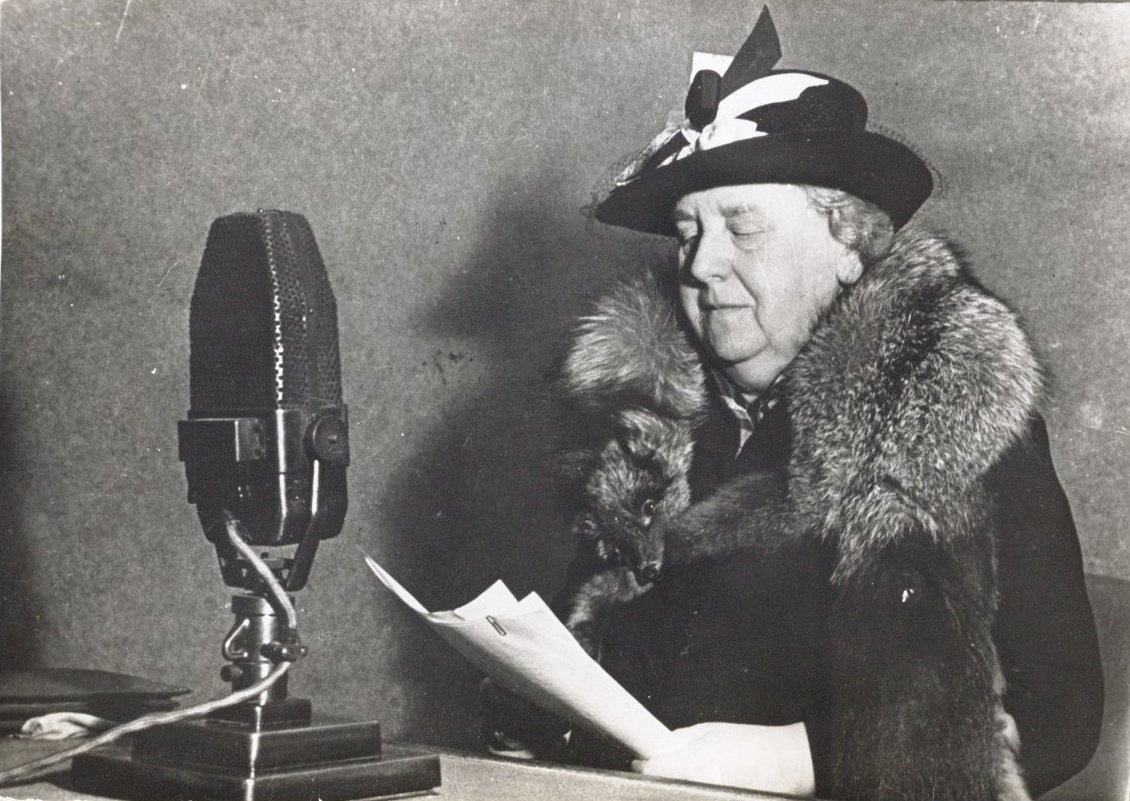 Photograph
Primary source
Queen Wilhelmina at Radio Oranje
Unknown photographer (ANEFO)
 Painting
Primary source
Portrait of Queen Wilhelmina in Coronation Robes
Thérèse Schwartze · 1898
 Photograph
Primary source
Queen Wilhelmina Addresses the United States Congress
Nationaal Archief · August 1942
Primary source
Zur Krönung der Königin Wilhelmina
1898

Free account
Read every Wilhelmina of the Netherlands source
Sign up free →
Ready when you are
Start chatting with Wilhelmina of the Netherlands now.
20 messages free · No credit card · Available in 50+ languages.