


Primary sourceDocument1 July 1899 (with codicils to March 1902)
Will of Cecil Rhodes
Cecil John Rhodes · 1 July 1899 (with codicils to March 1902)
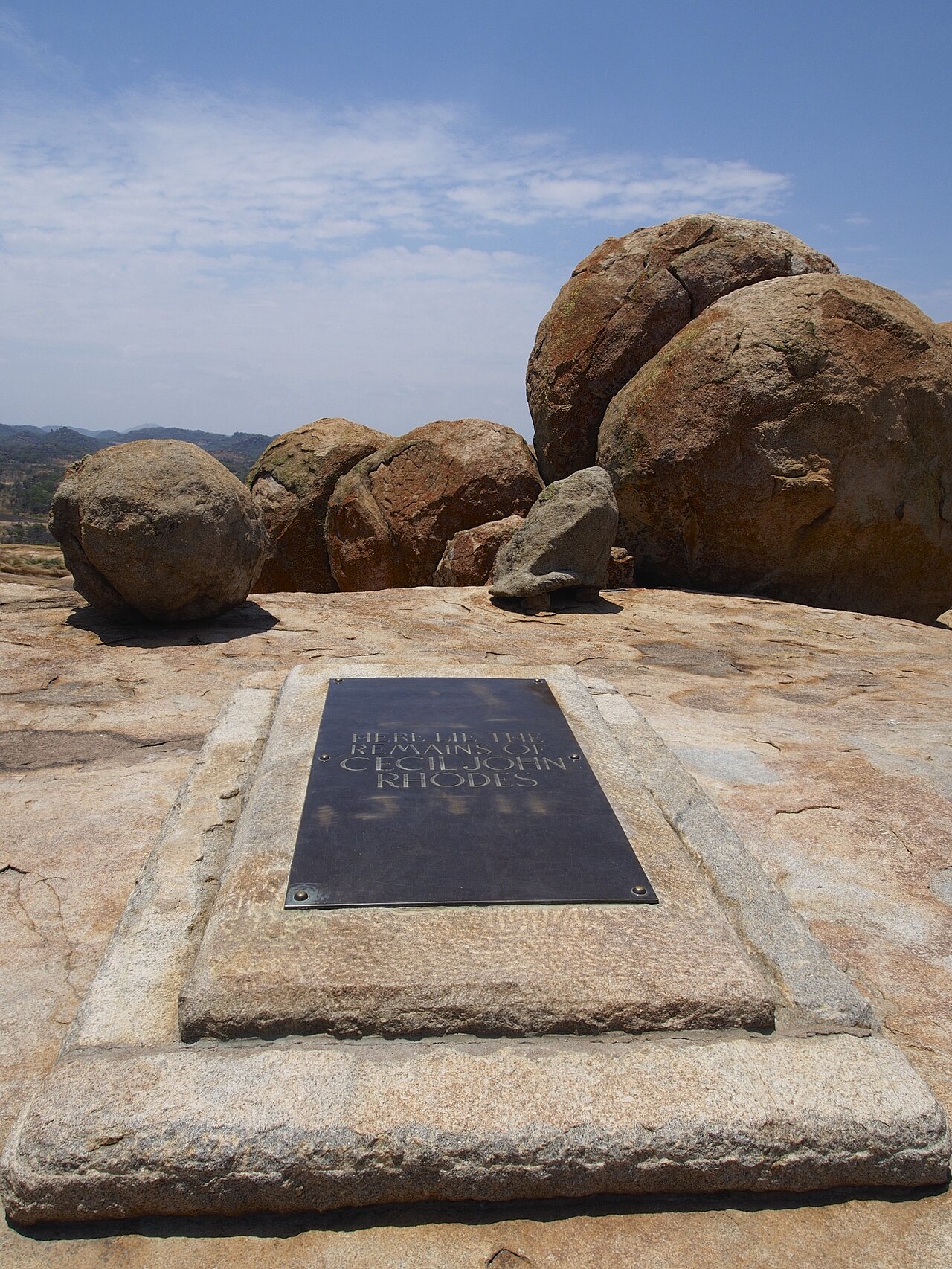
The final will of Cecil Rhodes, dated 1899 with later codicils, which created the Rhodes Scholarships and set out his wish to be buried in the Matopos.
This is Rhodes's own final statement of his wishes, written by him and revealing how he hoped to be remembered.
Free Humy account · No credit card · 120,912 sources to read
About this source
What it is
This is the sixth and last will of Cecil John Rhodes, dated 1 July 1899, with codicils added later, the final one written on his deathbed in March 1902. In it Rhodes declares himself a British subject who has adopted Rhodesia as his domicile, and asks to be buried in the Matopos hills, a place he admired for its grandeur and loneliness.
Why it matters
Rhodes's will shows how he tried to control his legacy after death. It established the Rhodes Scholarships, which were meant to spread British and Anglo-Saxon influence through education, and it reveals his attachment to Rhodesia, the territory named after him. The document is a direct statement, in his own words, of his values and priorities at the end of his life.
Look closer
- What does Rhodes's choice of burial place tell you about how he saw himself and his achievements?
- Why might someone write a will to influence events long after their death?
- What does the will not mention about how Rhodes gained his wealth and power?
This document is part of the curated material that grounds the AI version of Cecil Rhodes on Humy.ai — when students ask about related events, the AI can quote it and cite it.
More Cecil Rhodes sources
Browse all 94 →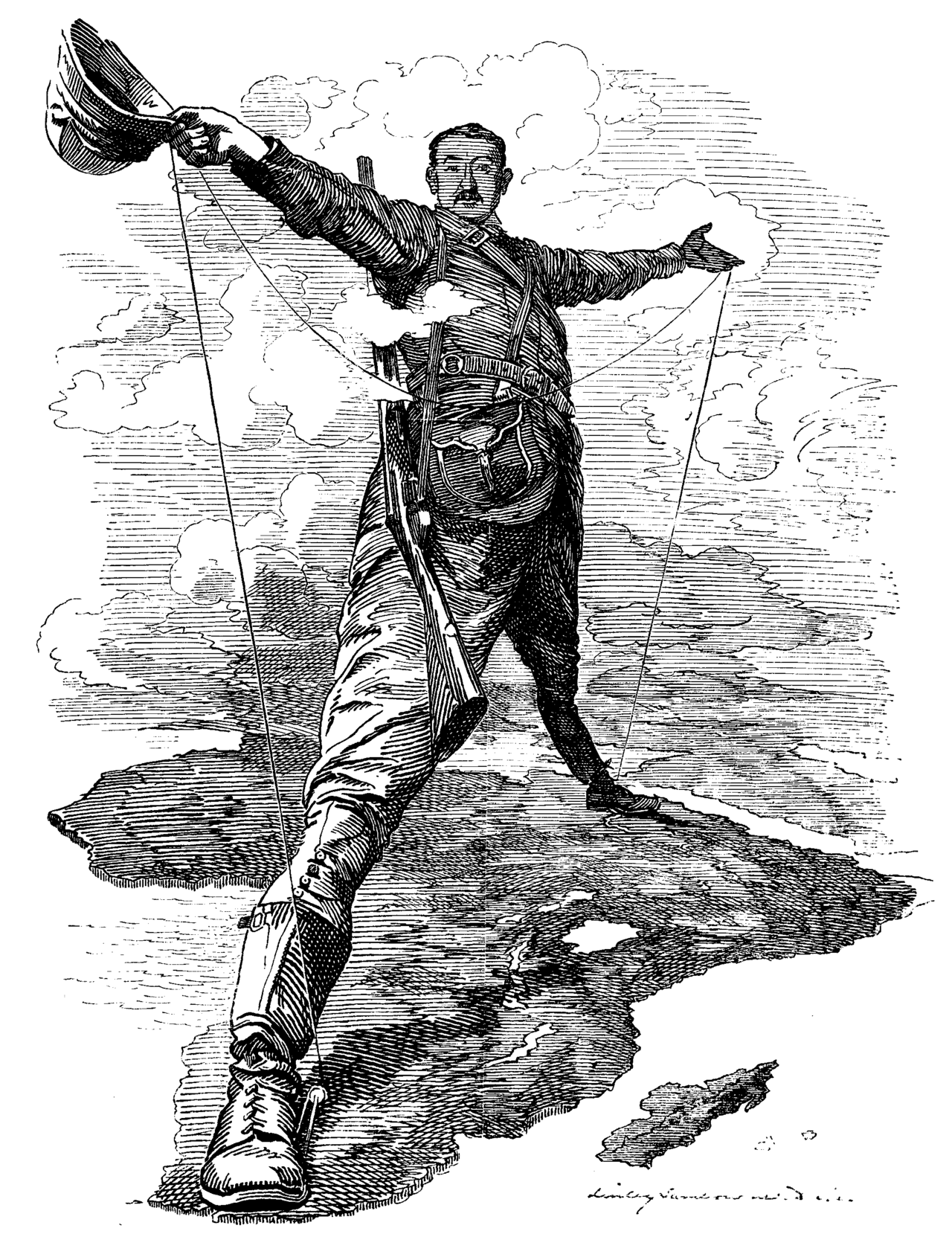 Painting
Primary source
The Rhodes Colossus
Edward Linley Sambourne · 1892
 Document
Primary source
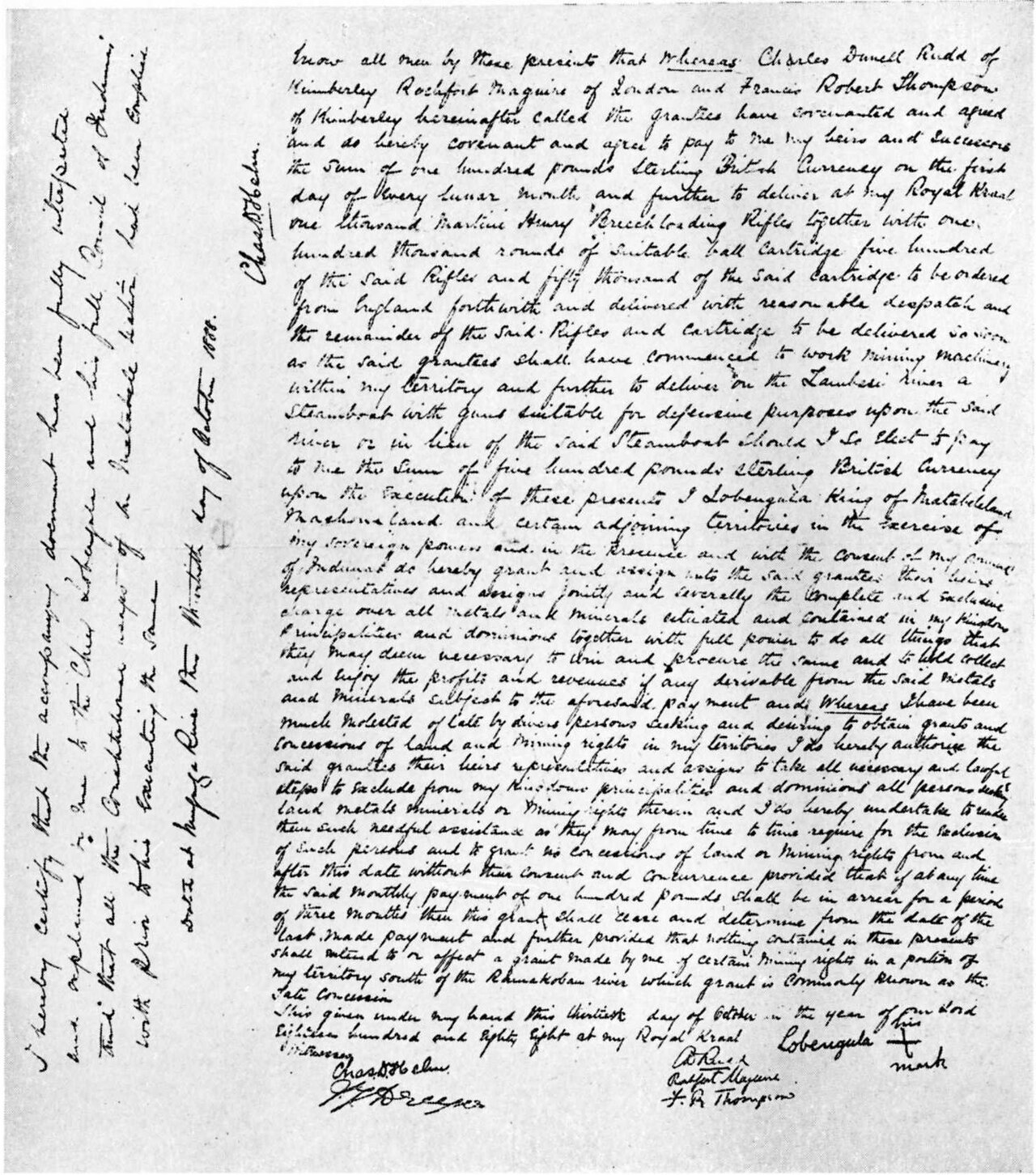
Rudd Concession
30 October 1888
 Book
Primary source
Trooper Peter Halket of Mashonaland
Olive Schreiner · 1897
 Sculpture
Secondary source
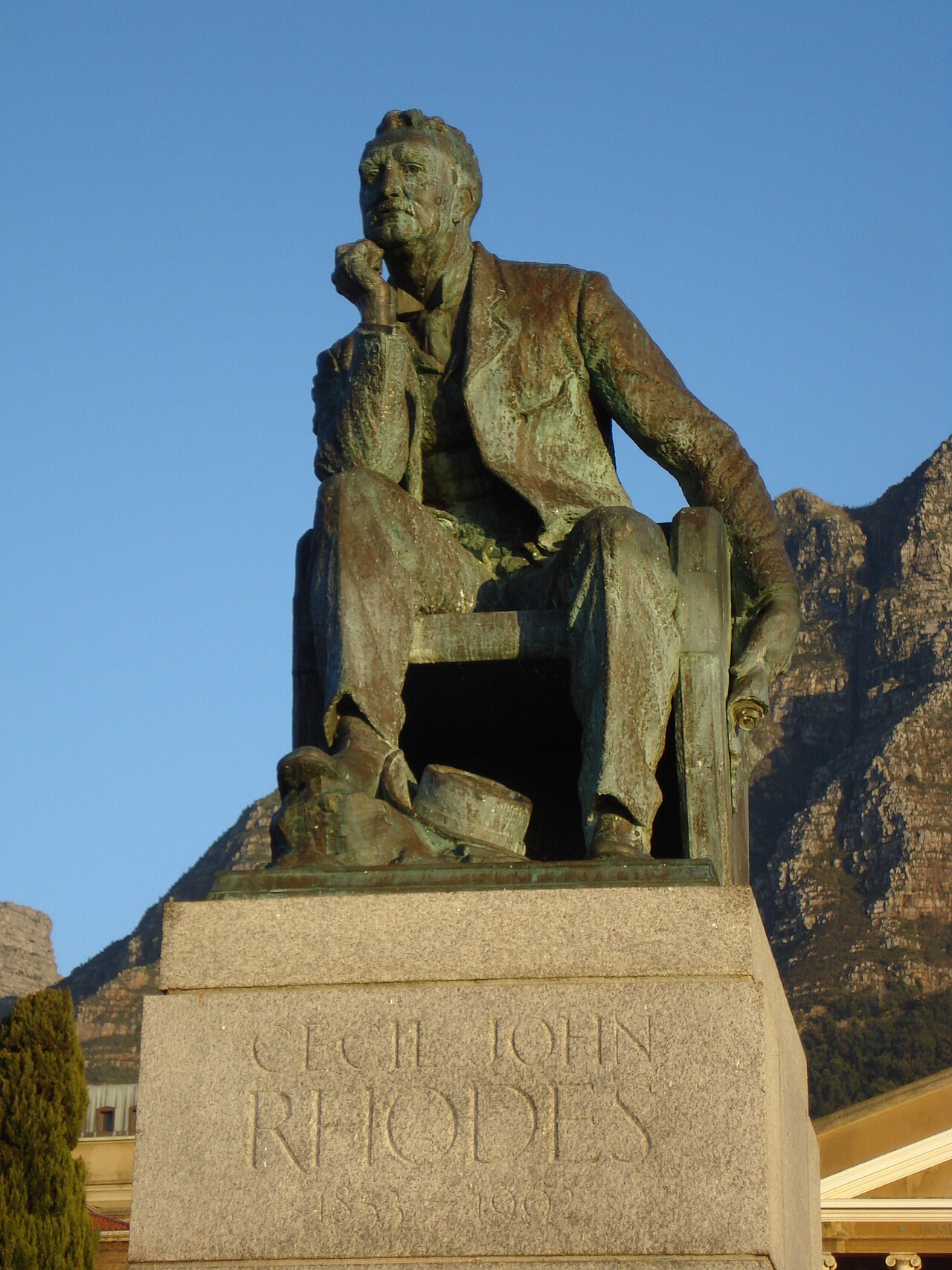
Statue of Cecil Rhodes
Marion Walgate · 1934
Free account
Read every Cecil Rhodes source
Sign up free →
Ready when you are
Start chatting with Cecil Rhodes now.
20 messages free · No credit card · Available in 50+ languages.