


Primary sourcePainting1833
William Lloyd Garrison
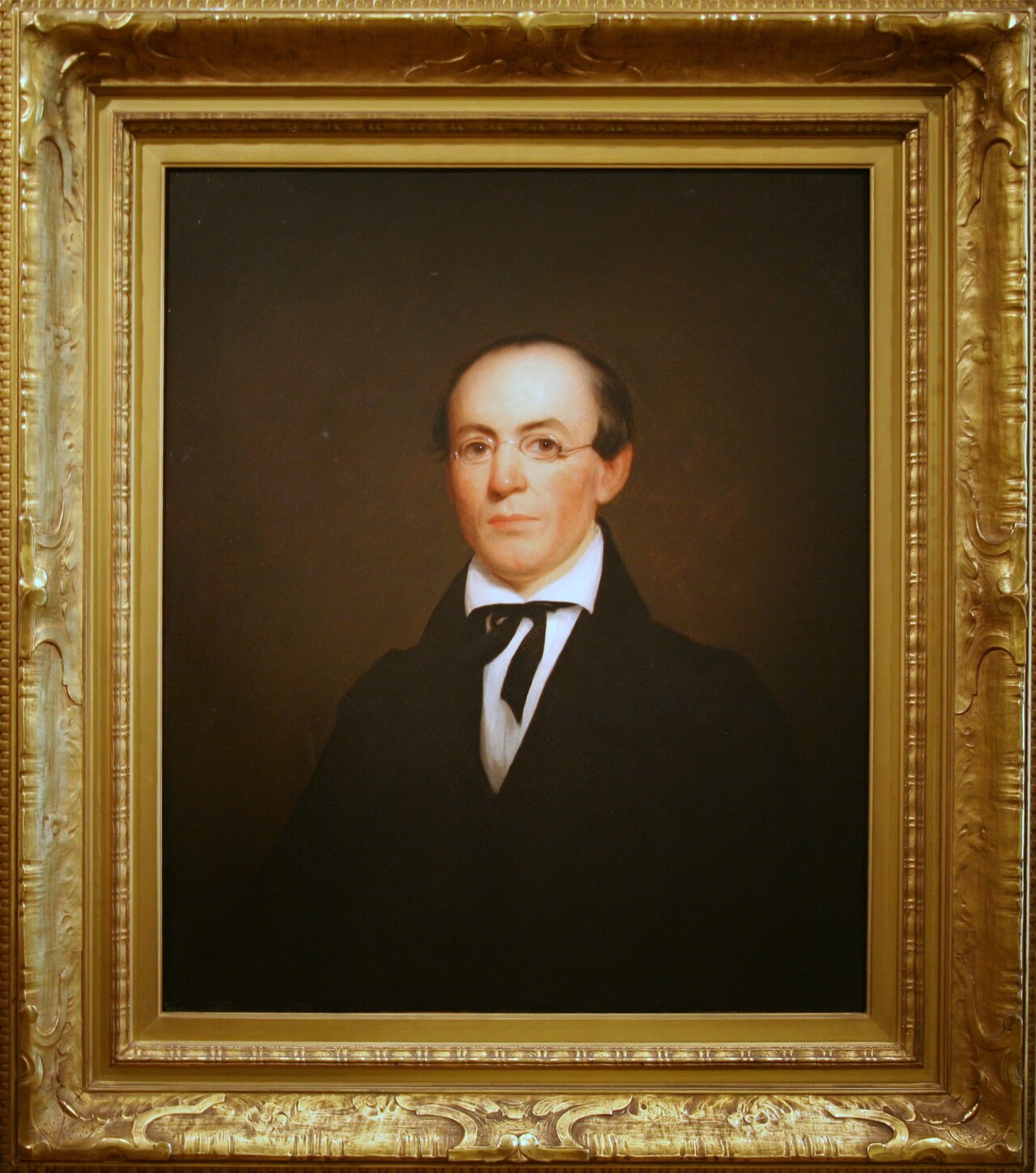
Nathaniel Jocelyn · 1833
An 1833 oil portrait of Garrison by Nathaniel Jocelyn, painted during his lifetime as a young editor and abolitionist leader.
A lifetime portrait of Garrison painted the same year he founded the American Anti-Slavery Society.
About this source
What it is
This is an oil portrait of William Lloyd Garrison painted in 1833 by Nathaniel Jocelyn. It shows a balding middle-aged man wearing spectacles, a dark coat, and a black neckcloth, set against a dark background in a gilded frame.
Why it matters
The portrait dates from the same year Garrison founded the American Anti-Slavery Society, after his personal conversion to the cause of immediate abolition around 1828. At the time, Garrison was a controversial and unpopular figure who faced threats including being nearly lynched in Boston, yet he refused to soften his demand for the immediate end of slavery.
Why it matters
This image lets students see Garrison as his contemporaries might have, during the period when he was transforming the antislavery movement into a moral crusade.
Look closer
- What does the formal, serious style of the portrait suggest about how Garrison wanted to be seen, or how others saw him?
- Why might an artist paint Garrison in 1833, given the dangers he faced at that time?
- What does this portrait not tell you about Garrison's actual words and actions?
This painting is part of the curated material that grounds the AI version of William Lloyd Garrison on Humy.ai — when students ask about related events, the AI can quote it and cite it.
More William Lloyd Garrison sources
Meet the AI William Lloyd Garrison →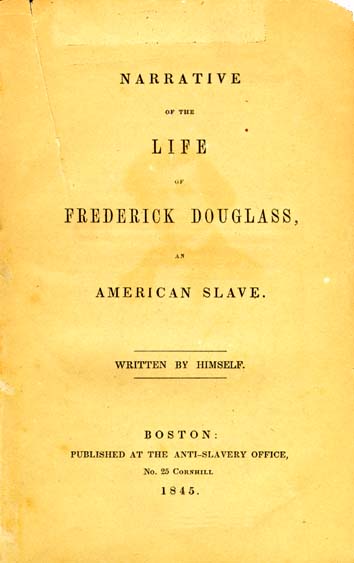 Book
Primary source
Narrative of the Life of Frederick Douglass, an American Slave
Frederick Douglass · 1845
 Book
Primary source
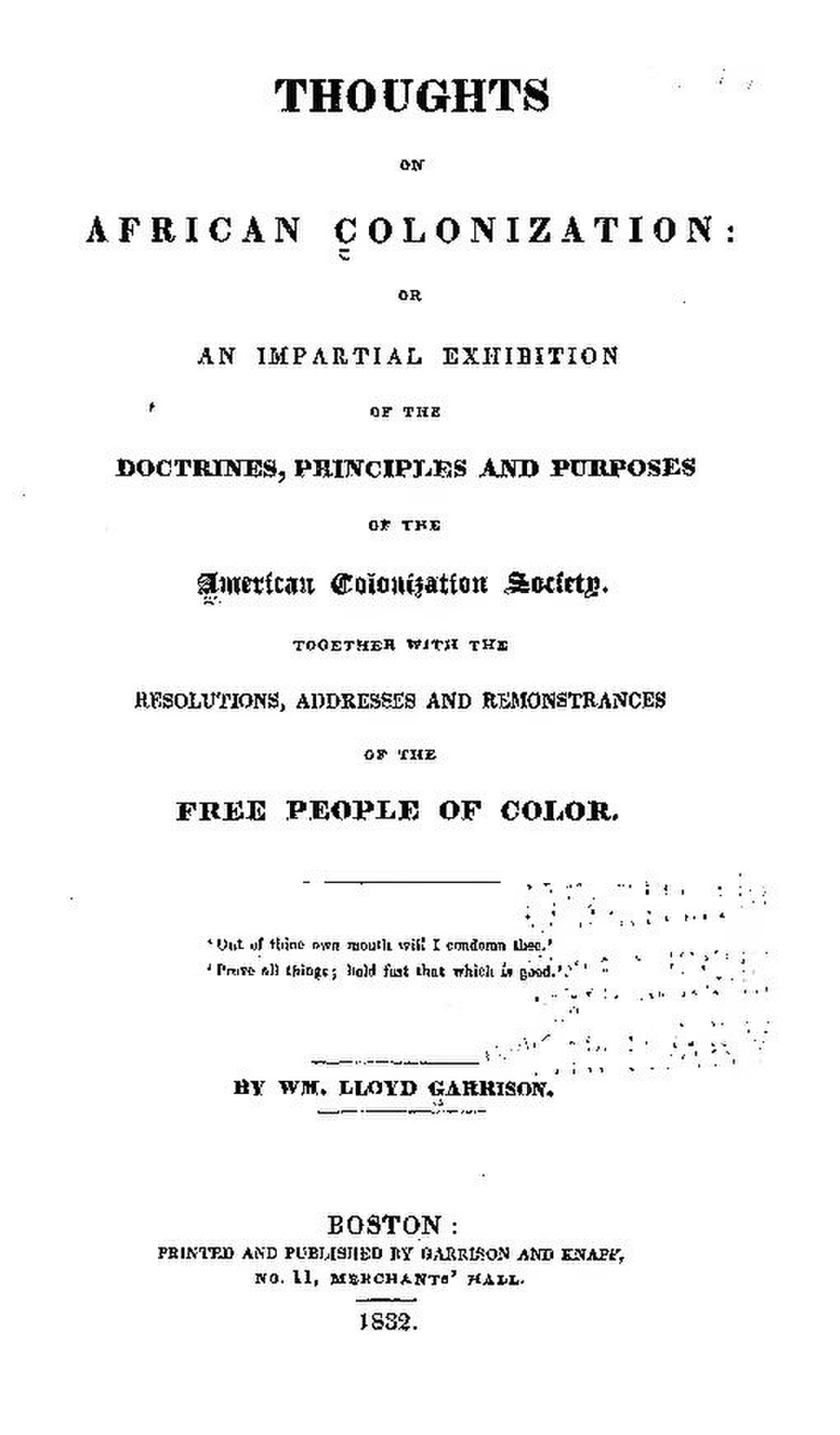
Thoughts on African Colonization
William Lloyd Garrison · 1832
 Painting
Primary source
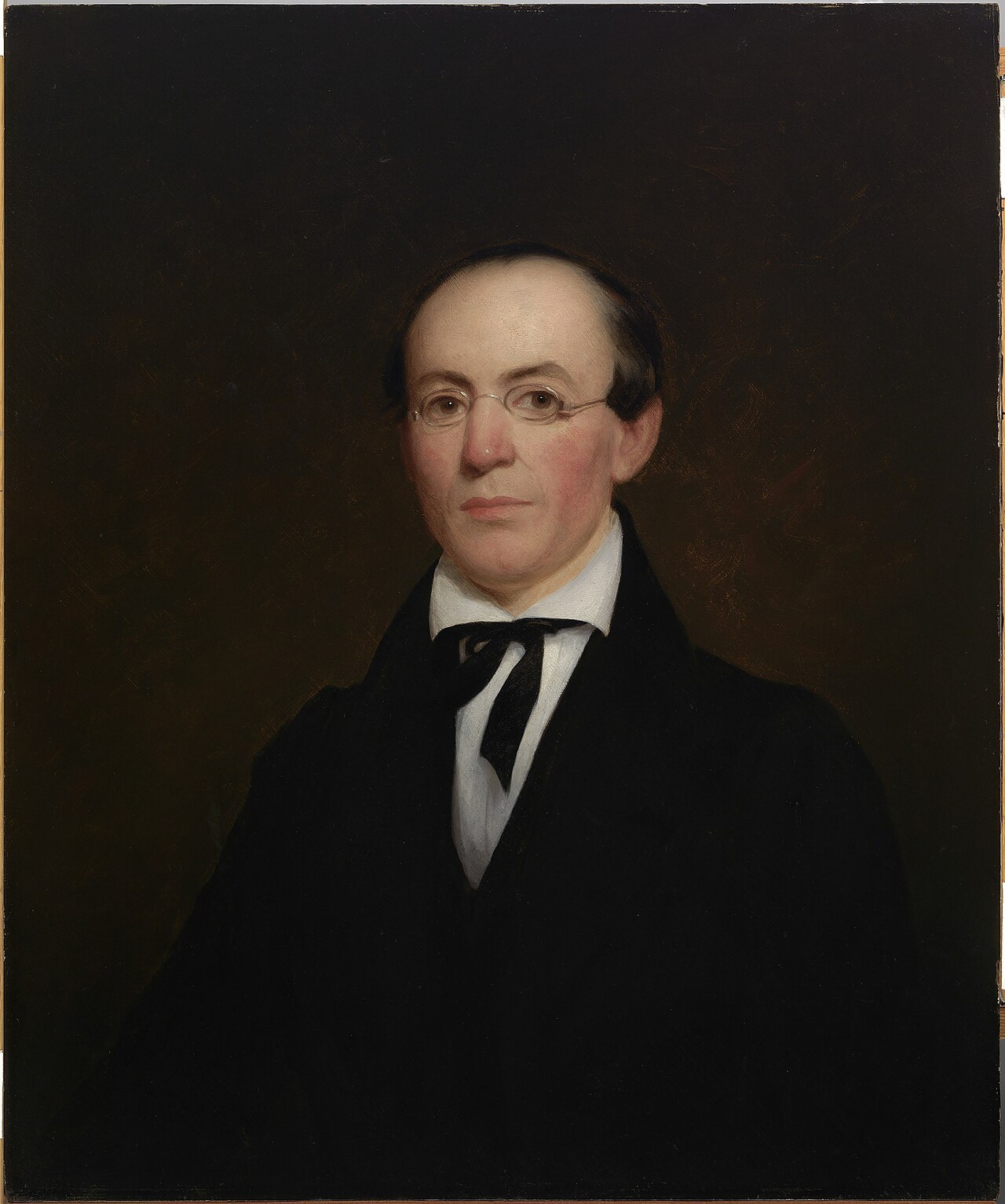
William Lloyd Garrison
Nathaniel Jocelyn · 1833
 Newspaper article
Primary source
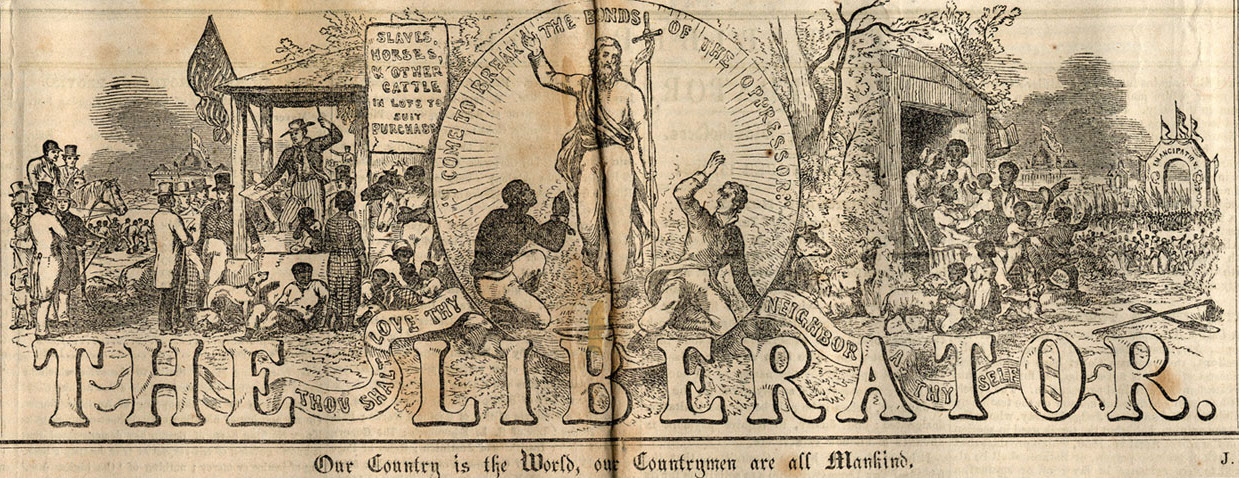
The Liberator, 15 December 1854
Hammatt Billings · 15 December 1854
 Newspaper article
Primary source
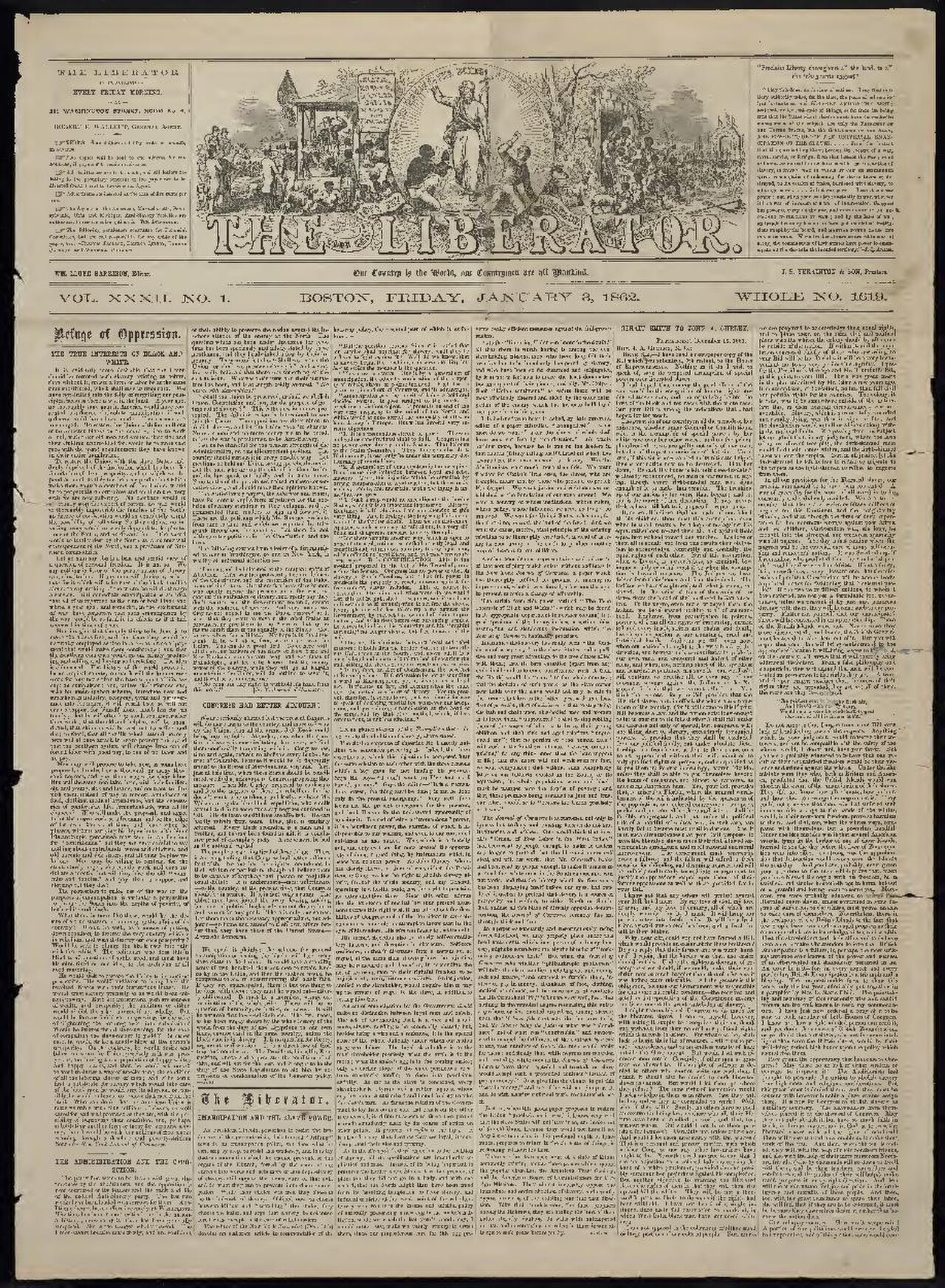
The Liberator
William Lloyd Garrison · 1831-1865
Ready when you are
Start chatting with William Lloyd Garrison now.
20 messages free · No credit card · Available in 50+ languages.