


Primary sourcePhotographca. 1850
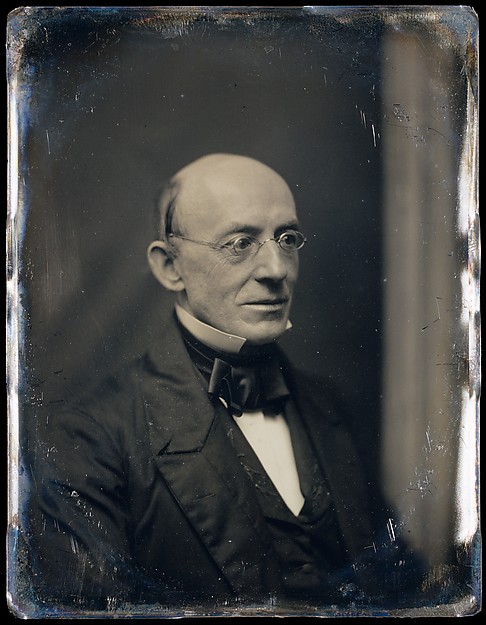
William Lloyd Garrison, daguerreotype by Southworth and Hawes
Southworth and Hawes · ca. 1850
A mid-19th-century daguerreotype portrait of abolitionist William Lloyd Garrison.
This daguerreotype is a direct photographic portrait of Garrison himself, taken at mid-career.
About this source
What it is
This is a daguerreotype photograph of William Lloyd Garrison made around 1850 by the studio of Southworth and Hawes. It shows a bald older man wearing wire-rimmed spectacles, a dark coat and a high white collar, turned slightly to one side against a dark background. The daguerreotype is now held at The Metropolitan Museum of Art.
Why it matters
Southworth and Hawes were a well-known photography studio, and this portrait captures Garrison at mid-century, by which time he had become a famous and controversial public figure for his antislavery editing and lecturing. Photographs like this one gave the public a direct, lifelike image of reformers, shaping how they were remembered.
Look closer
- What impression does Garrison's pose and expression give of his character?
- Why might a studio like Southworth and Hawes have wanted to photograph a figure like Garrison?
- What can and can't a single portrait like this tell us about a person's life and work?
This photograph is part of the curated material that grounds the AI version of William Lloyd Garrison on Humy.ai — when students ask about related events, the AI can quote it and cite it.
More William Lloyd Garrison sources
Meet the AI William Lloyd Garrison →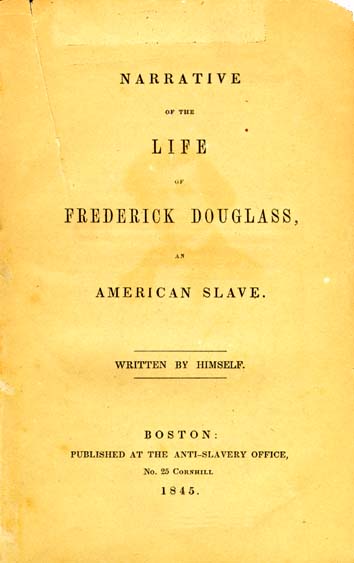 Book
Primary source
Narrative of the Life of Frederick Douglass, an American Slave
Frederick Douglass · 1845
 Book
Primary source
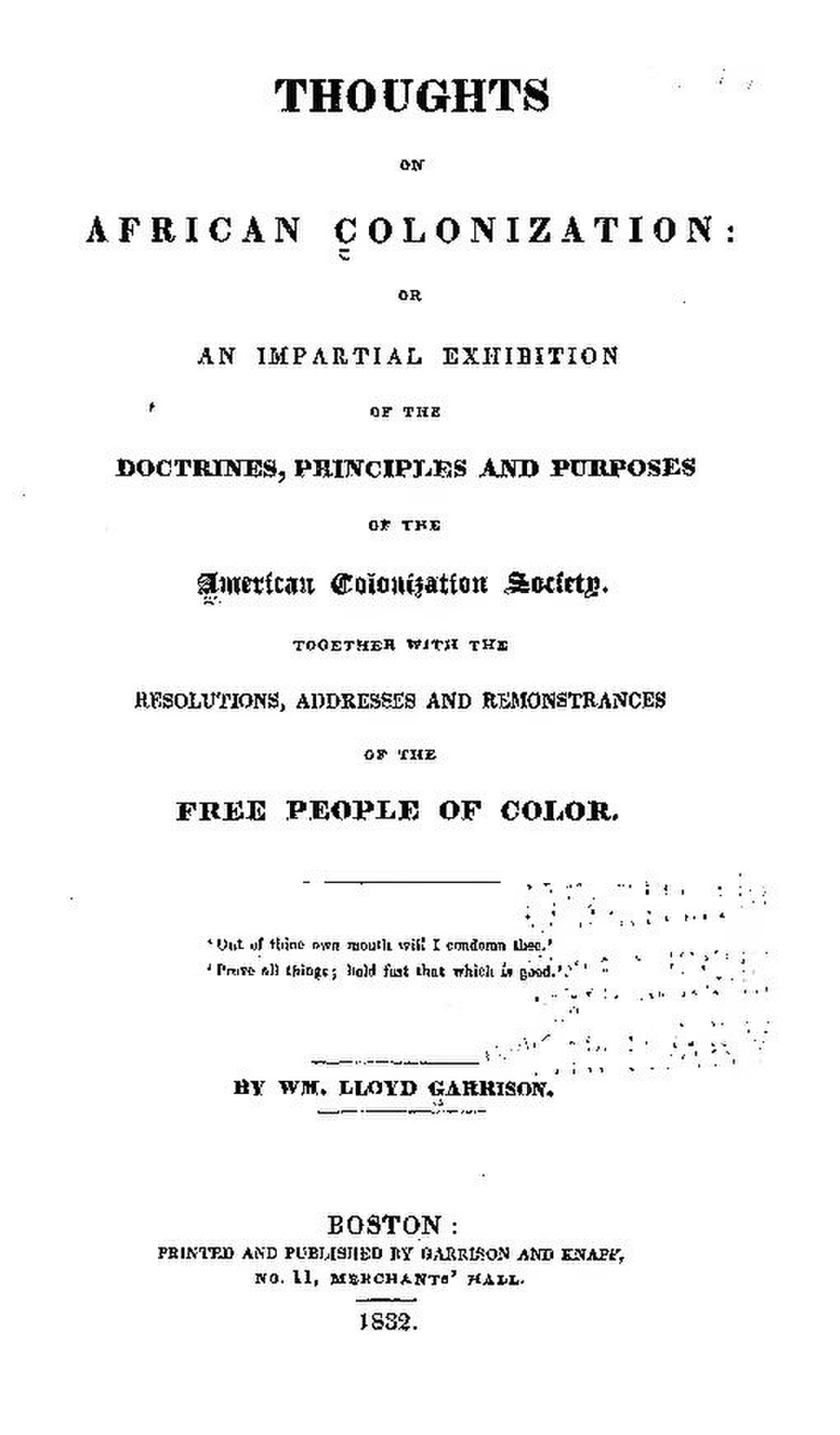
Thoughts on African Colonization
William Lloyd Garrison · 1832
 Painting
Primary source
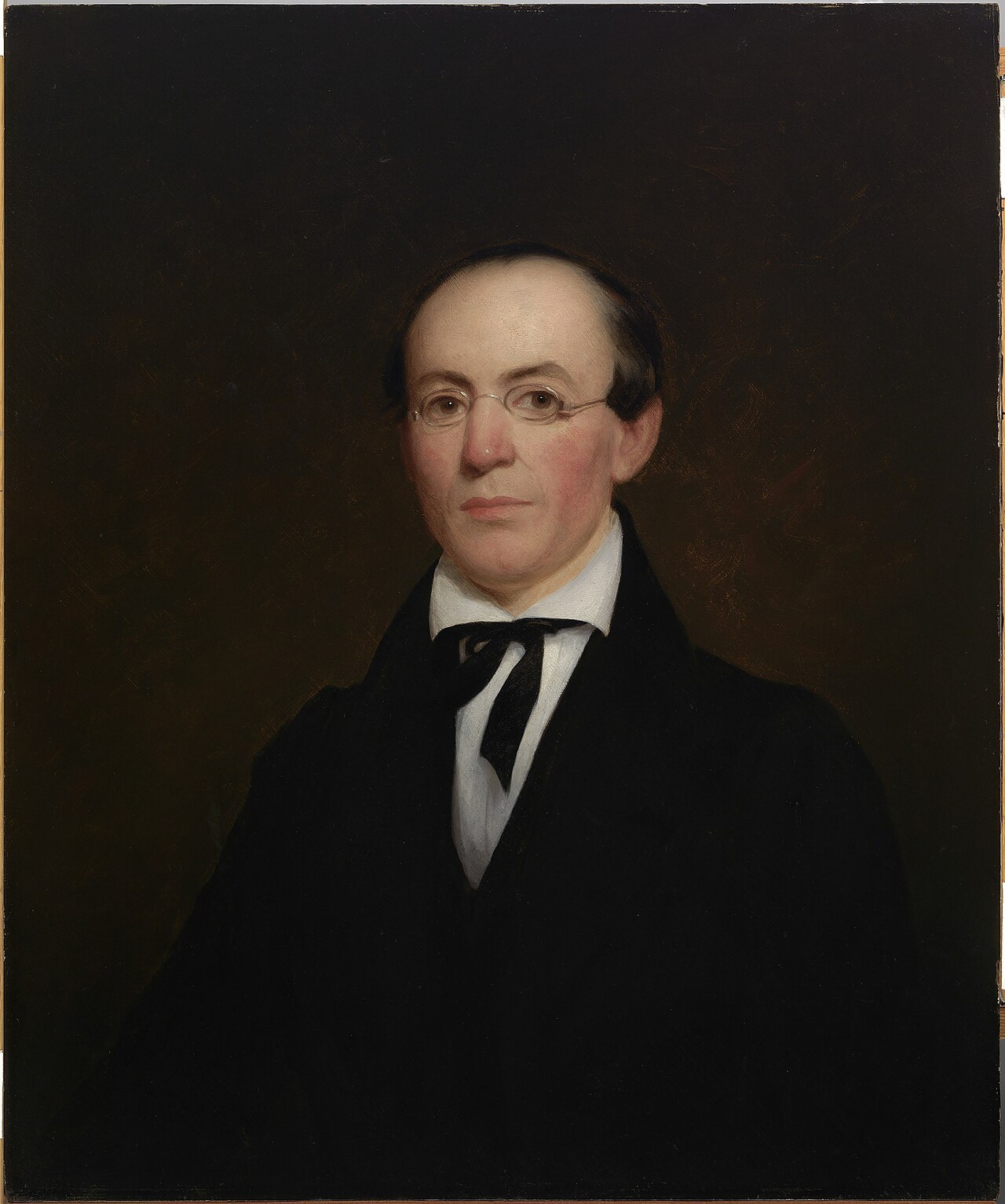
William Lloyd Garrison
Nathaniel Jocelyn · 1833
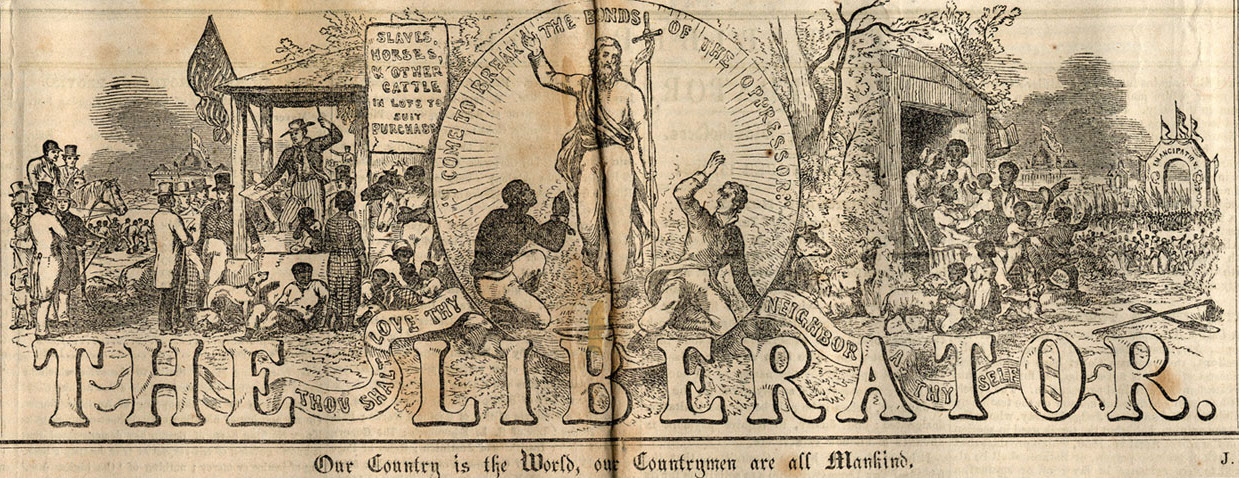 Newspaper article
Primary source
The Liberator, 15 December 1854
Hammatt Billings · 15 December 1854
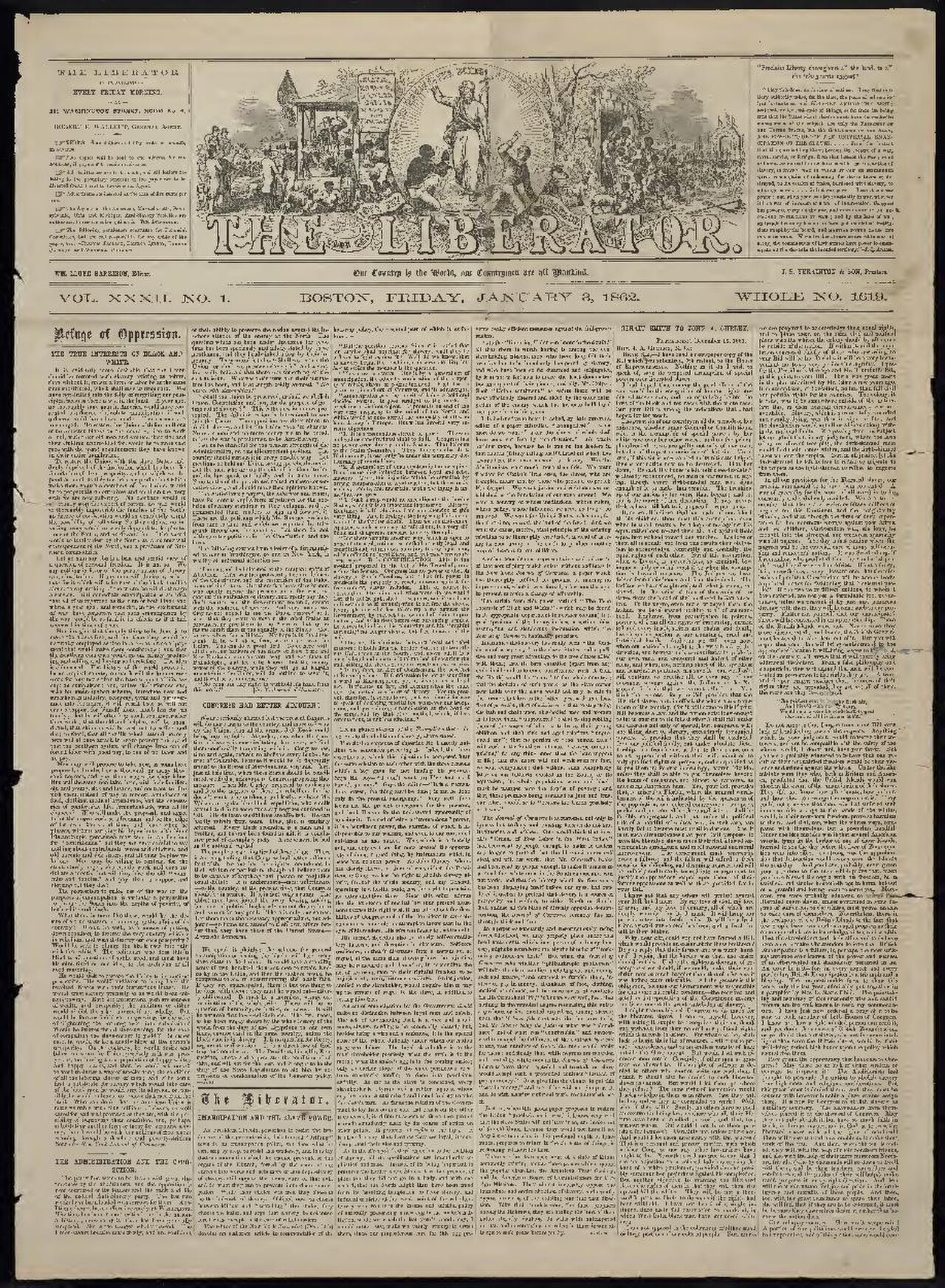 Newspaper article
Primary source
The Liberator
William Lloyd Garrison · 1831-1865
Ready when you are
Start chatting with William Lloyd Garrison now.
20 messages free · No credit card · Available in 50+ languages.