


Secondary sourceBook1924
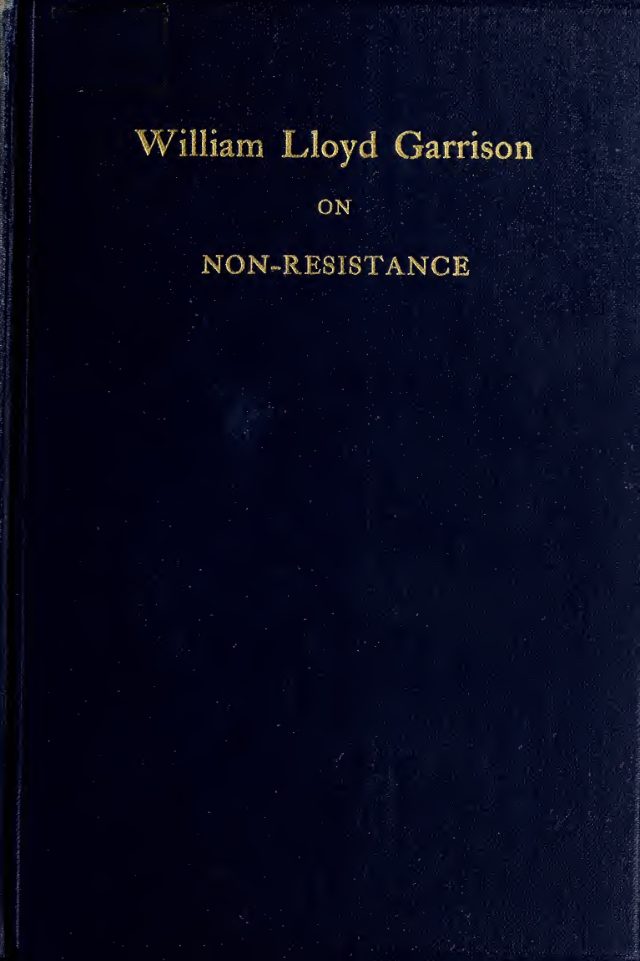
William Lloyd Garrison on Non-Resistance
Fanny Garrison Villard · 1924
A 1924 book by Fanny Garrison Villard on William Lloyd Garrison's belief in non-resistance, with a personal sketch and a tribute by Leo Tolstoi.
Villard's book studies Garrison's non-resistance, drawing on his own words and family memory to explain his pacifist principles.
 PDF · 112 pages
About this source
What it is
William Lloyd Garrison on Non-Resistance is a 1924 book by Fanny Garrison Villard, published in New York by The Nation Press Printing Co. Its title page says it includes a personal sketch and a tribute by Leo Tolstoi. It opens with a line from Garrison's first issue of The Liberator, dated January 1, 1831. The copy here is a scanned PDF from the Internet Archive, digitized in 2013.
Why it matters
The book presents Garrison's belief in non-resistance, the principle that violence should not be used even against injustice. Its author draws on family memory to describe how that belief shaped his life and his anti-slavery work. Including a tribute by Tolstoi links Garrison's pacifism to an international debate about nonviolence in the early twentieth century.
Look closer
- Which passages are Garrison's own words, and which are the author's or Tolstoi's voice?
- Why might a family member write about Garrison's principles, and what might that make the account look like?
- How does the book's emphasis on non-resistance square with the violence of the slavery struggle it describes?
This book is part of the curated material that grounds the AI version of William Lloyd Garrison on Humy.ai — when students ask about related events, the AI can quote it and cite it.
More William Lloyd Garrison sources
Meet the AI William Lloyd Garrison →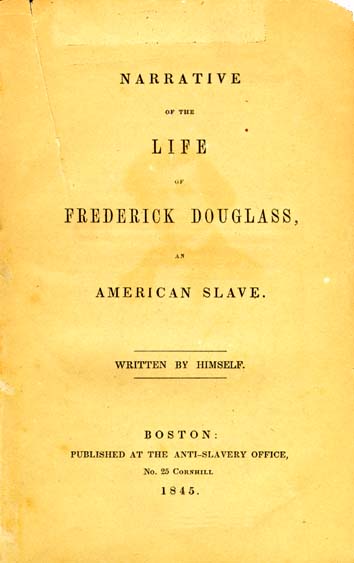 Book
Primary source
Narrative of the Life of Frederick Douglass, an American Slave
Frederick Douglass · 1845
 Book
Primary source
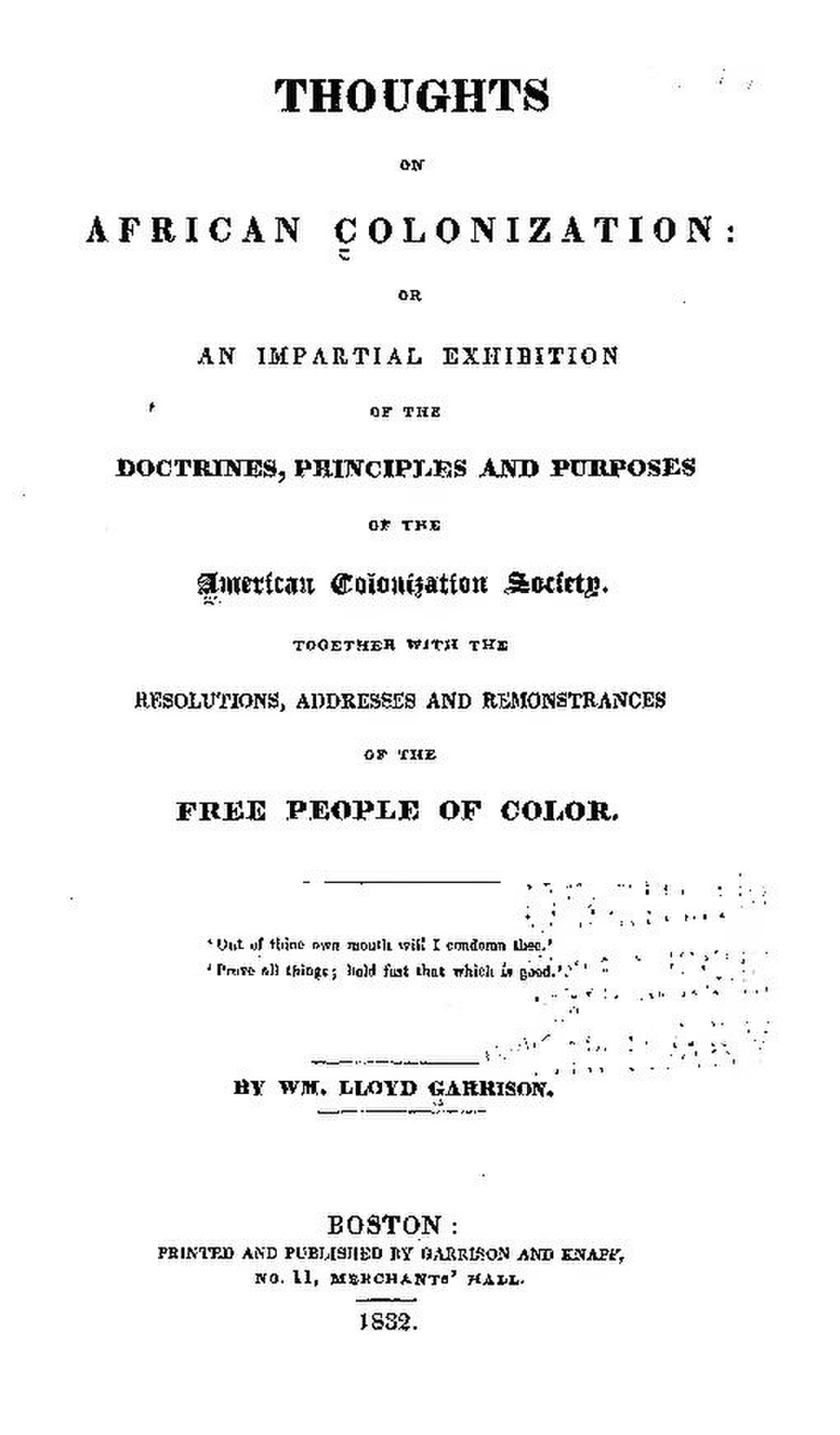
Thoughts on African Colonization
William Lloyd Garrison · 1832
 Painting
Primary source
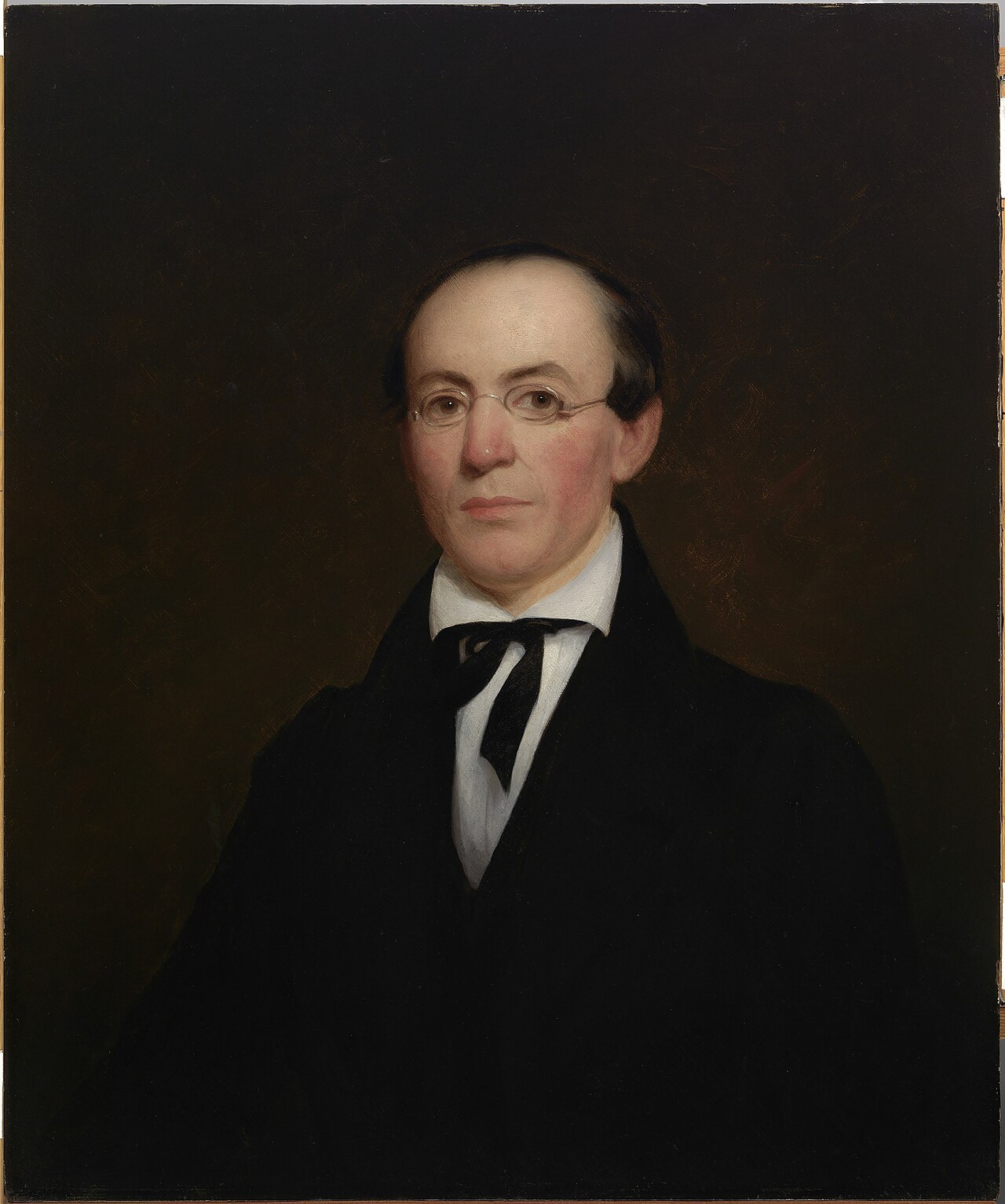
William Lloyd Garrison
Nathaniel Jocelyn · 1833
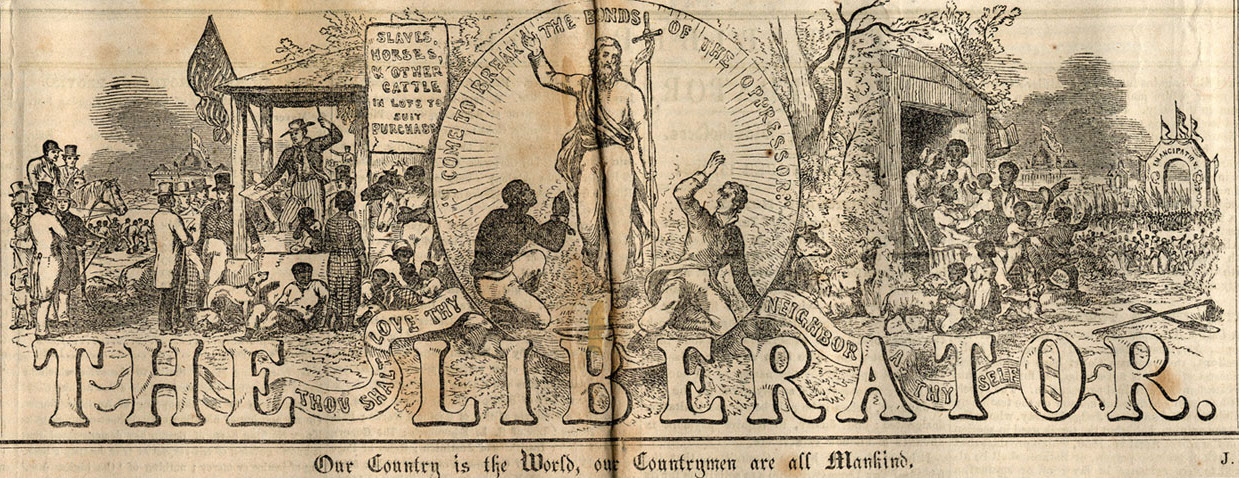 Newspaper article
Primary source
The Liberator, 15 December 1854
Hammatt Billings · 15 December 1854
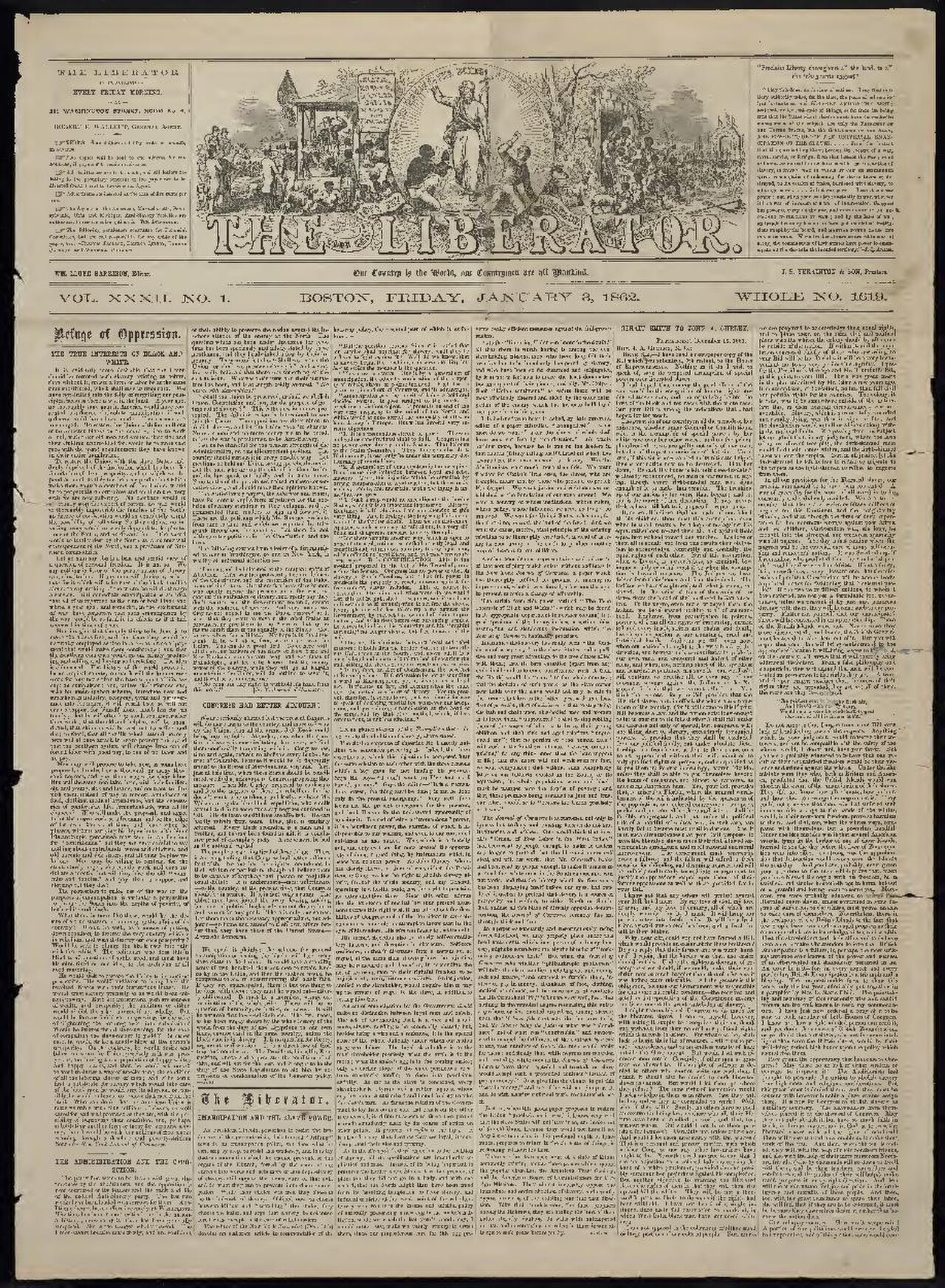 Newspaper article
Primary source
The Liberator
William Lloyd Garrison · 1831-1865
Ready when you are
Start chatting with William Lloyd Garrison now.
20 messages free · No credit card · Available in 50+ languages.