


Secondary sourceArtifactModeled 1888; installed 1894
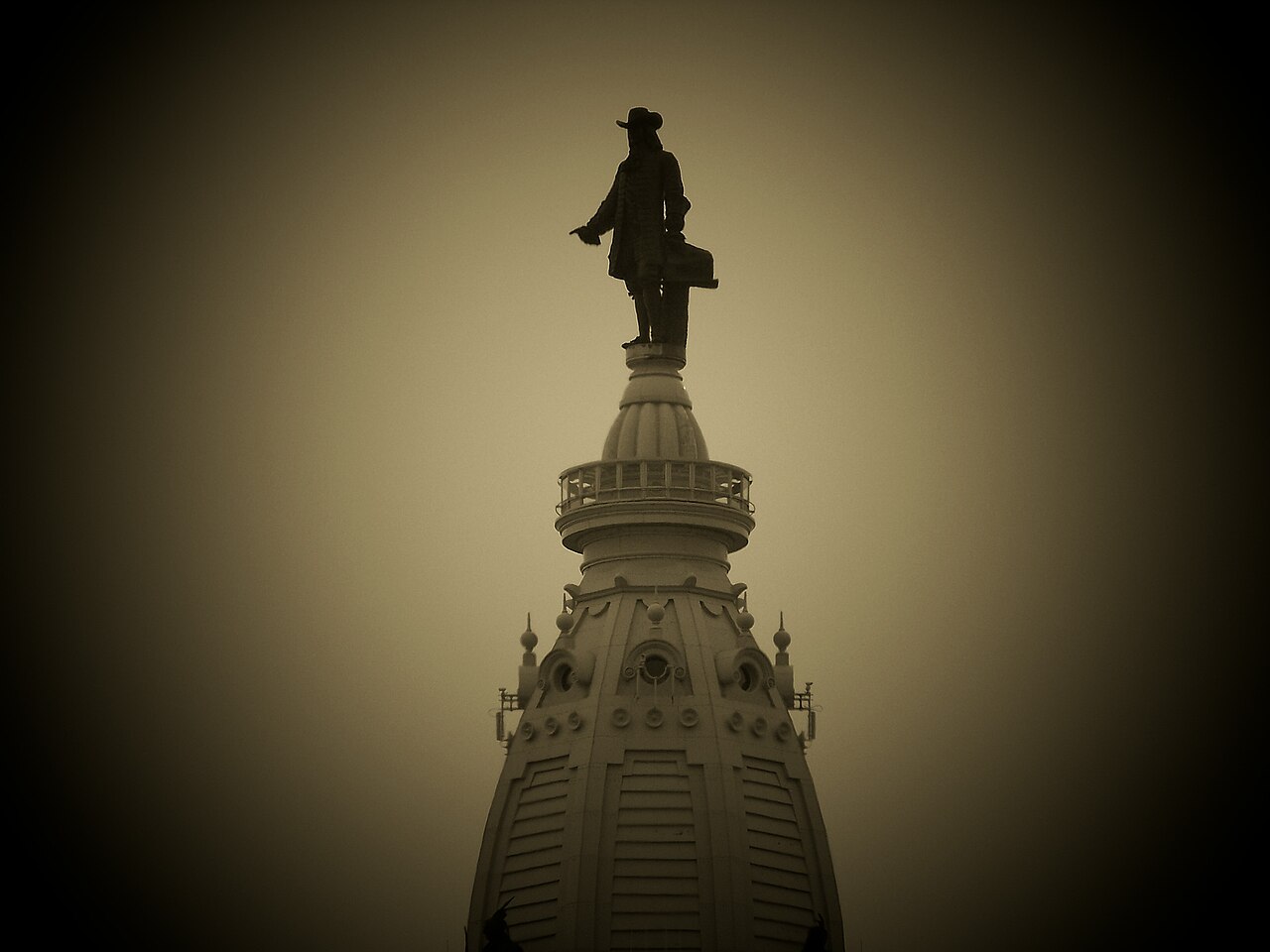
William Penn
Alexander Milne Calder · Modeled 1888; installed 1894
A bronze statue of Penn by Alexander Milne Calder, modeled in 1888 and installed atop Philadelphia City Hall in 1894, which became a defining symbol of the city.
Shows how Penn was honored in Philadelphia more than a century after his death, as the city's defining founder figure.
About this source
What it is
This is a bronze statue of William Penn by the sculptor Alexander Milne Calder. It was modeled in 1888 and installed in 1894 atop Philadelphia City Hall. The statue was cast in fourteen sections and took almost two years to finish. The architect John McArthur, Jr. and W. Bleddyn Powell are also credited in the record, along with the caster John Cassani and the Tacony Iron & Metal Works. The statue faces northeast toward Penn Treaty Park, a decision made by the city's Public Buildings Commission over Calder's objections.
Why it matters
For almost 90 years, an unwritten gentlemen's agreement kept buildings in Philadelphia from rising above the hat of the statue. That agreement ended in 1985, when the Liberty Place complex was approved. The statue shows how Penn was remembered in the late 1800s: as the city's founder, placed high above its streets. Its story also shows the decisions of city officials and the views of the sculptor.
Look closer
- Why do you think the statue was placed so high, and what message would that send to people below?
- What does the statue's direction tell you about the decisions the city made about it?
- What does a statue like this leave out about Penn's relationships with the Native peoples and others who lived in the region?
This artifact is part of the curated material that grounds the AI version of William Penn on Humy.ai — when students ask about related events, the AI can quote it and cite it.
More William Penn sources
Meet the AI William Penn →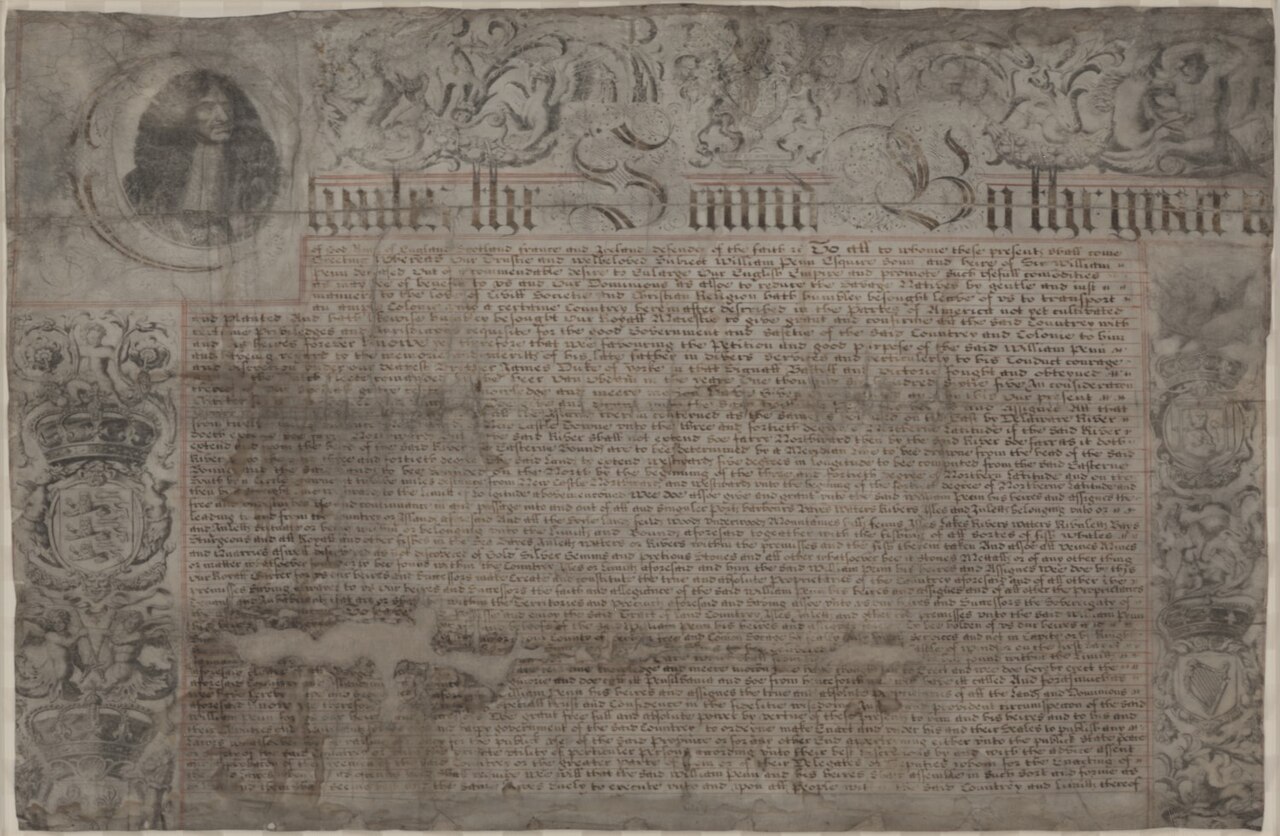 Document
Primary source
Charter for the Province of Pennsylvania
King Charles II of England · 4 March 1681
 Document
Primary source
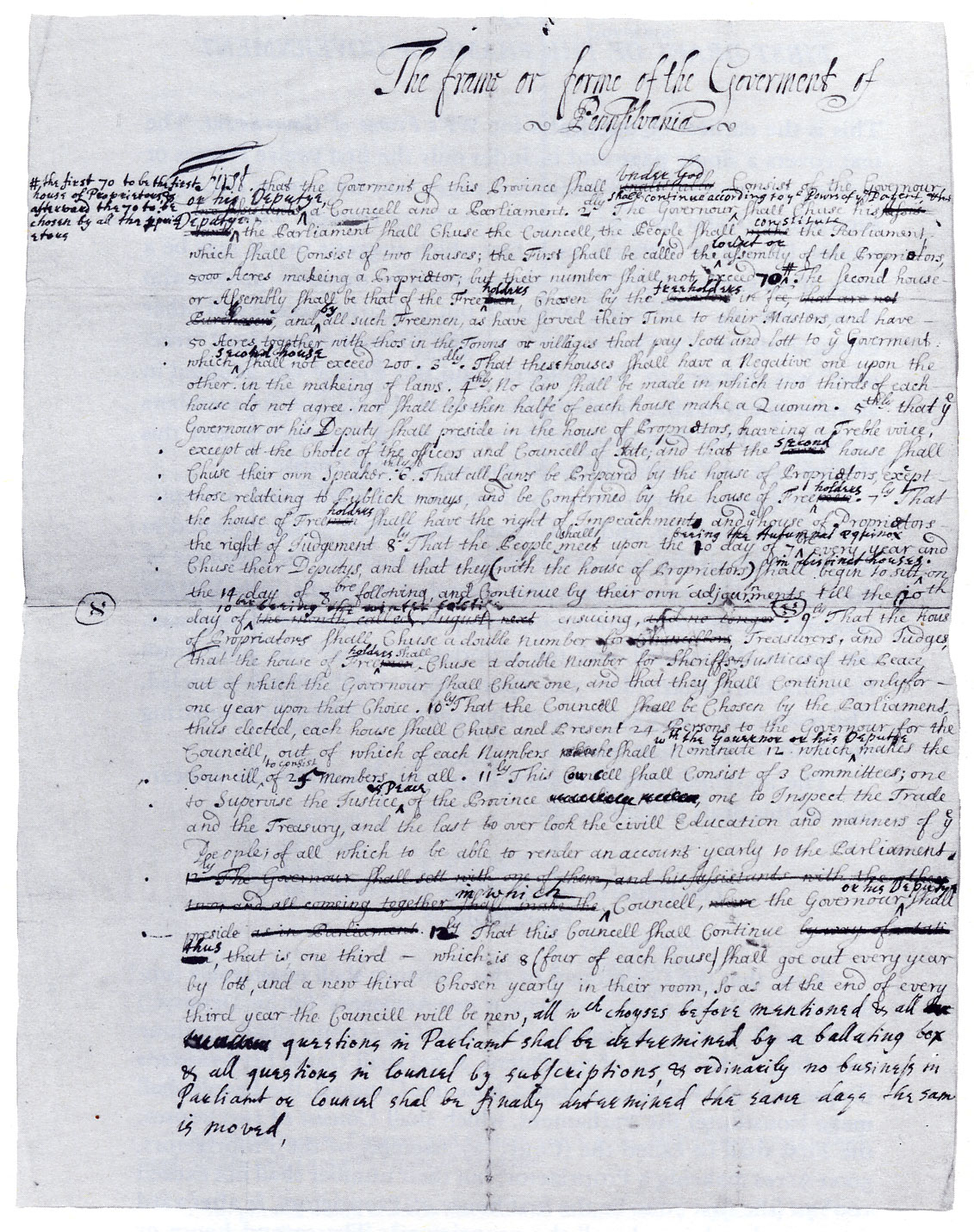
Frame of Government of Pennsylvania
William Penn · 1682
 Document
Primary source
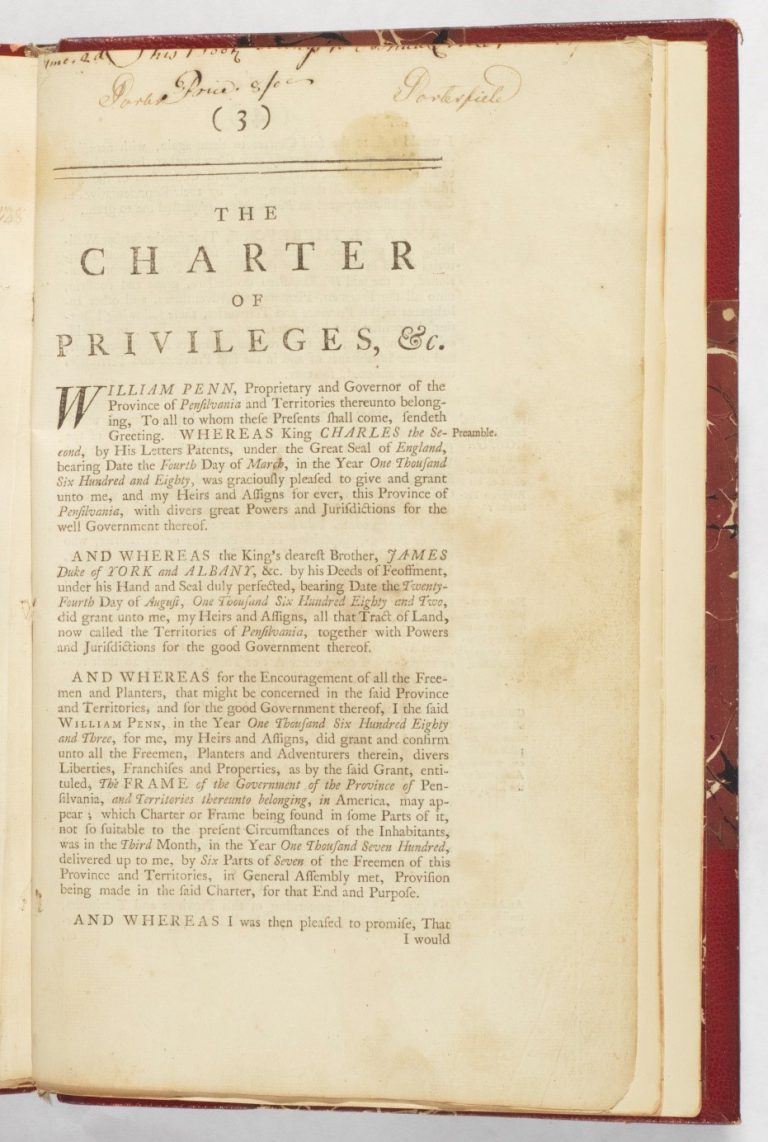
Charter of Privileges
William Penn · 28 October 1701
 Artifact
Primary source
Wampum Belt Presented to William Penn at the Great Treaty
 Artifact
Primary source
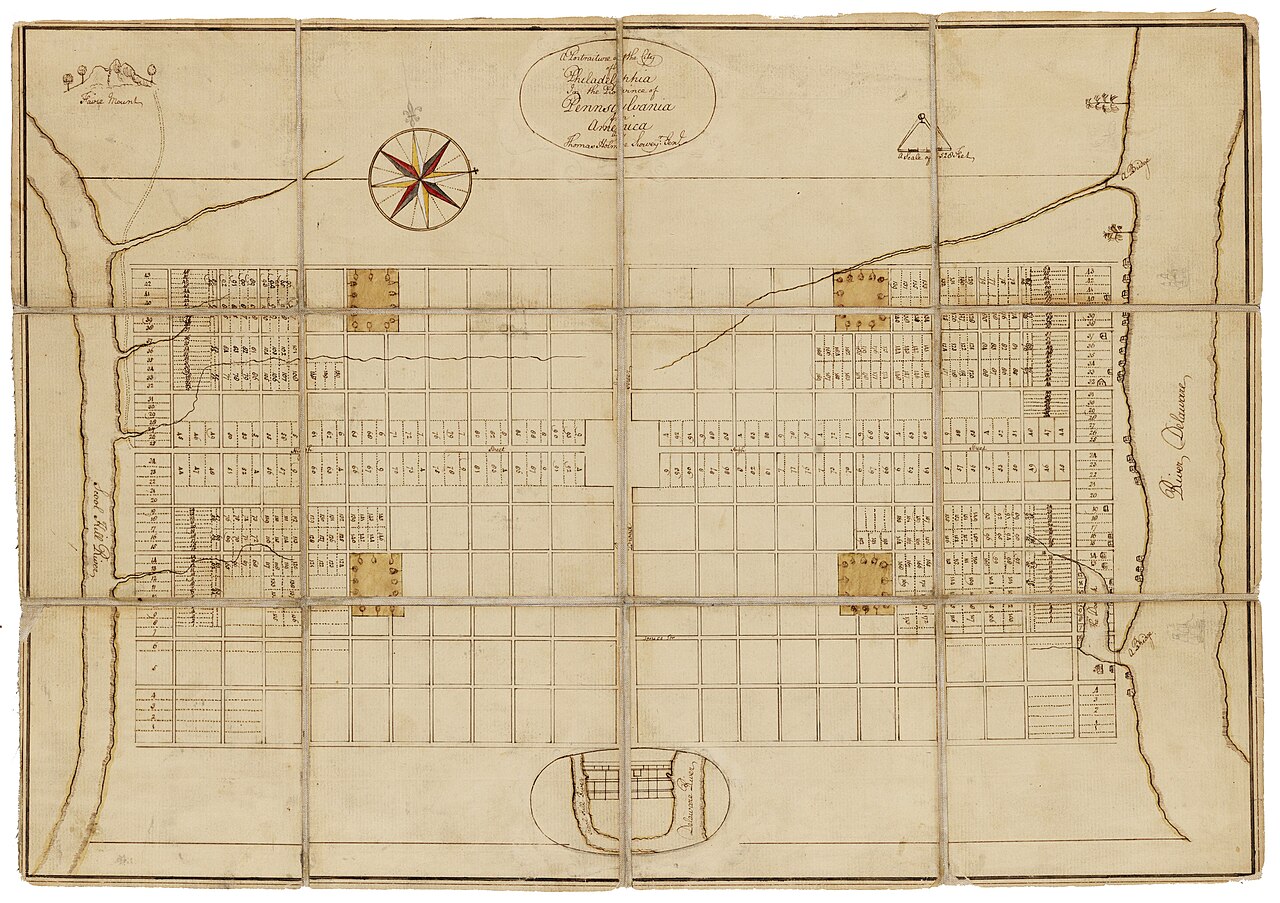
A Portraiture of the City of Philadelphia
Thomas Holme · 1683
Ready when you are
Start chatting with William Penn now.
20 messages free · No credit card · Available in 50+ languages.