


Secondary sourceDocument1882
William Penn (Stoughton poem, 1882)
John Stoughton · 1882
An 1882 poem by John Stoughton praising William Penn as founder of Pennsylvania and contrasting his peaceful dealings with Native peoples against Spanish conquest.
A later poem that presents Penn as a peacemaker and founder, showing how his reputation was shaped after his lifetime.
About this source
What it is
This is a poem titled William Penn by John Stoughton, dated 1882 and available on Wikisource. It is written in rhymed verse with several stanzas that describe Penn as the founder of Pennsylvania.
Why it matters
The poem presents Penn as a man of peace, set against the violence of conquerors such as Cortez, who led his troops against the land of Montezuma. Stoughton's praise reflects how Victorian writers remembered Penn's peaceful dealings with Native peoples. Read alongside Penn's own letters and treaties, the poem shows how later admirers turned Penn into a symbol.
Look closer
- What contrast does the poem draw between Penn and the conquerors, and why might the poet want readers to see that contrast?
- Who is the poem's voice, and how does that affect what it says about Penn?
- What historical details does the poem leave out that a historian would want to check?
This document is part of the curated material that grounds the AI version of William Penn on Humy.ai — when students ask about related events, the AI can quote it and cite it.
More William Penn sources
Meet the AI William Penn →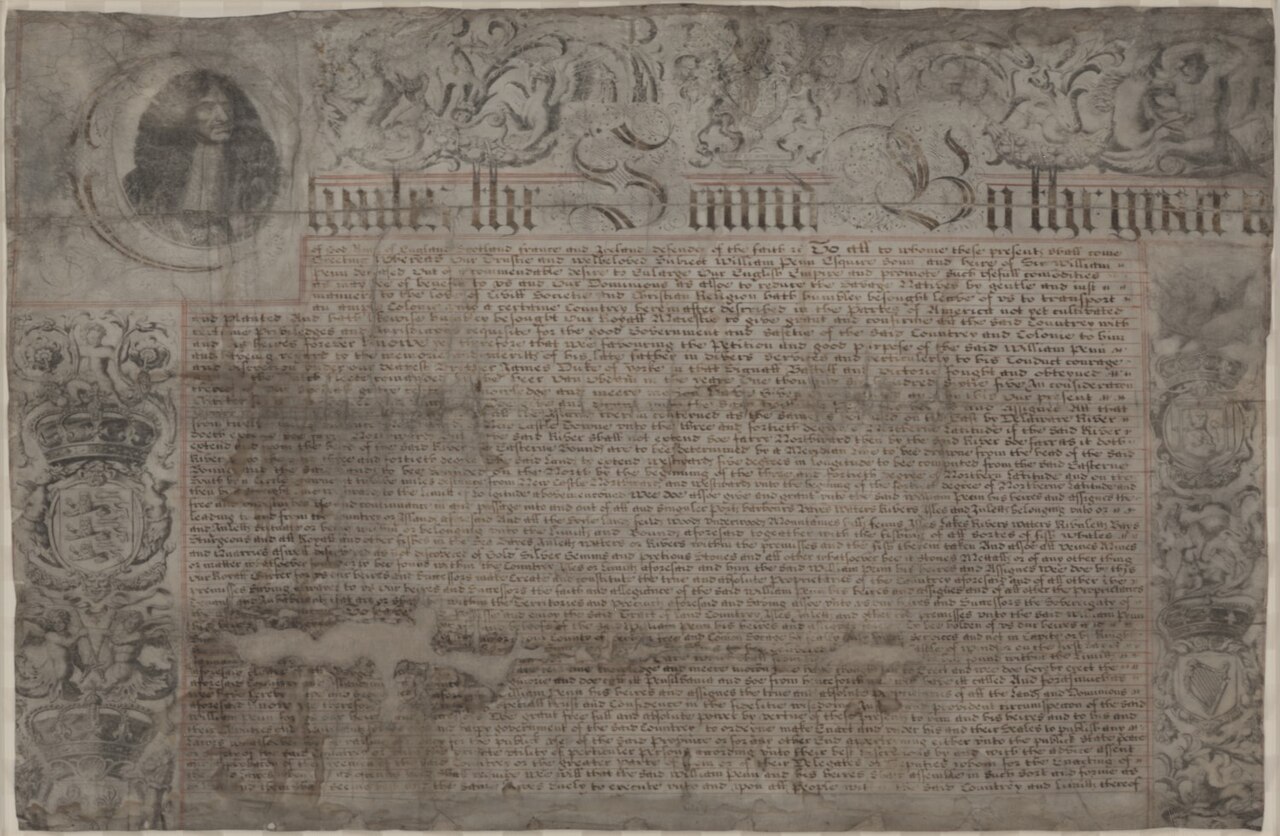 Document
Primary source
Charter for the Province of Pennsylvania
King Charles II of England · 4 March 1681
 Document
Primary source
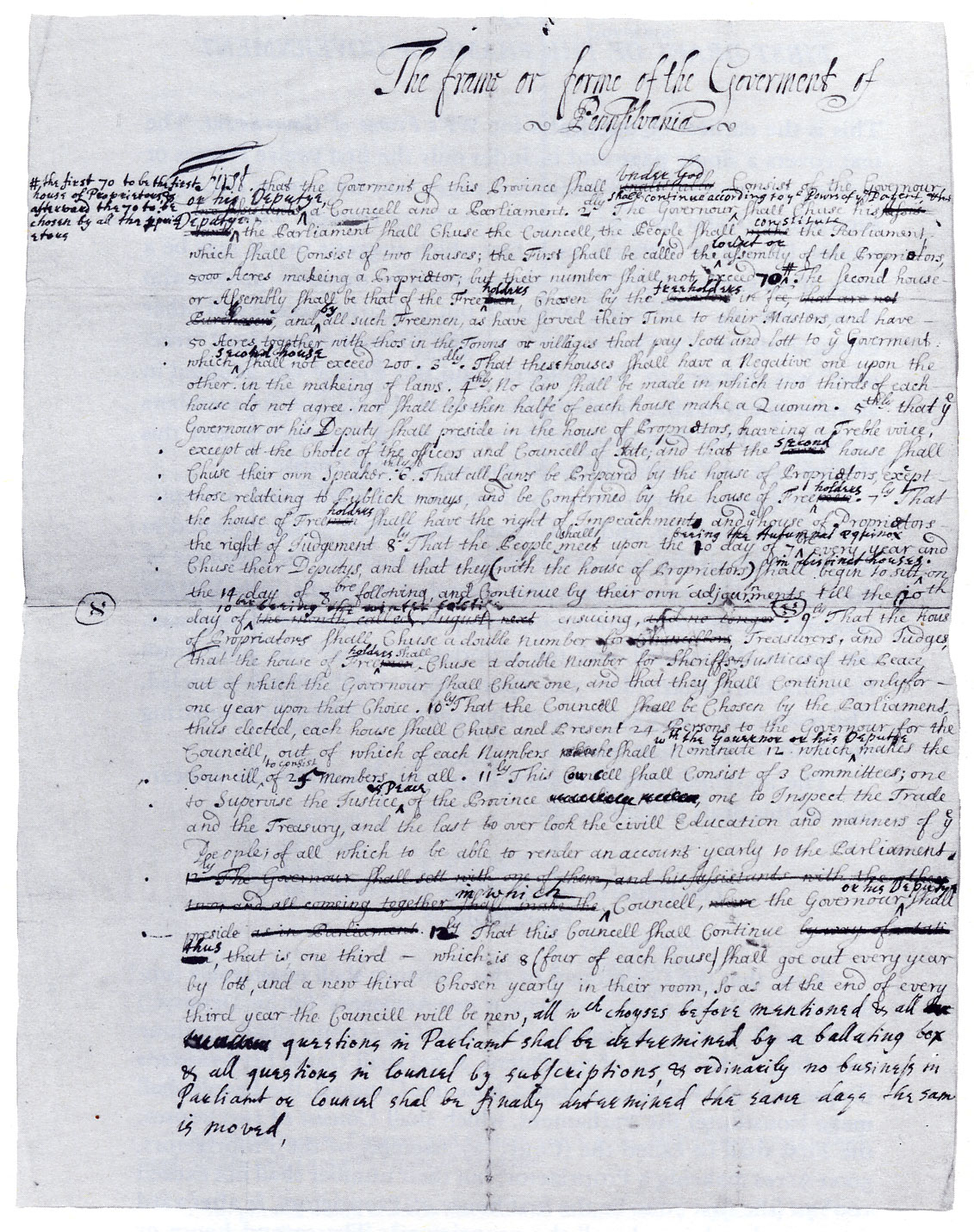
Frame of Government of Pennsylvania
William Penn · 1682
 Document
Primary source
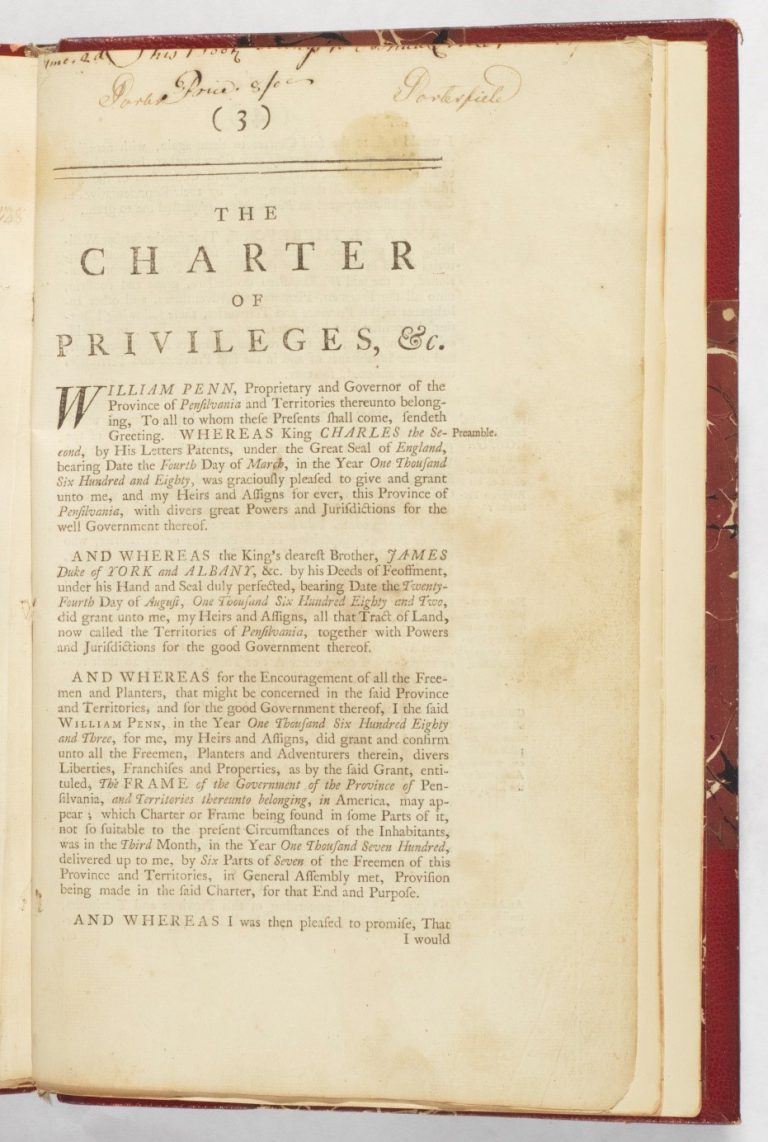
Charter of Privileges
William Penn · 28 October 1701
 Artifact
Primary source
Wampum Belt Presented to William Penn at the Great Treaty
 Artifact
Primary source
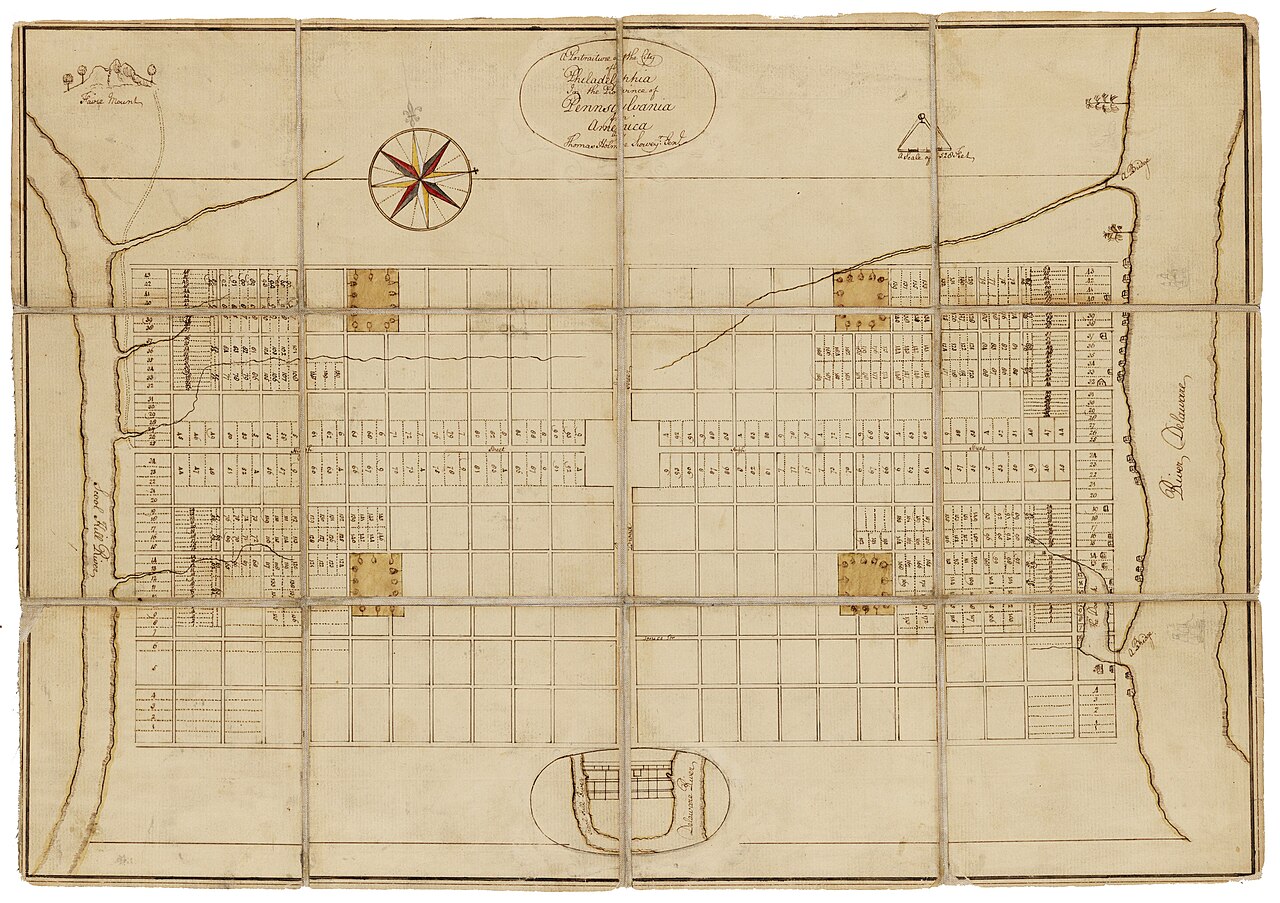
A Portraiture of the City of Philadelphia
Thomas Holme · 1683
Ready when you are
Start chatting with William Penn now.
20 messages free · No credit card · Available in 50+ languages.