


Secondary sourceSculpture
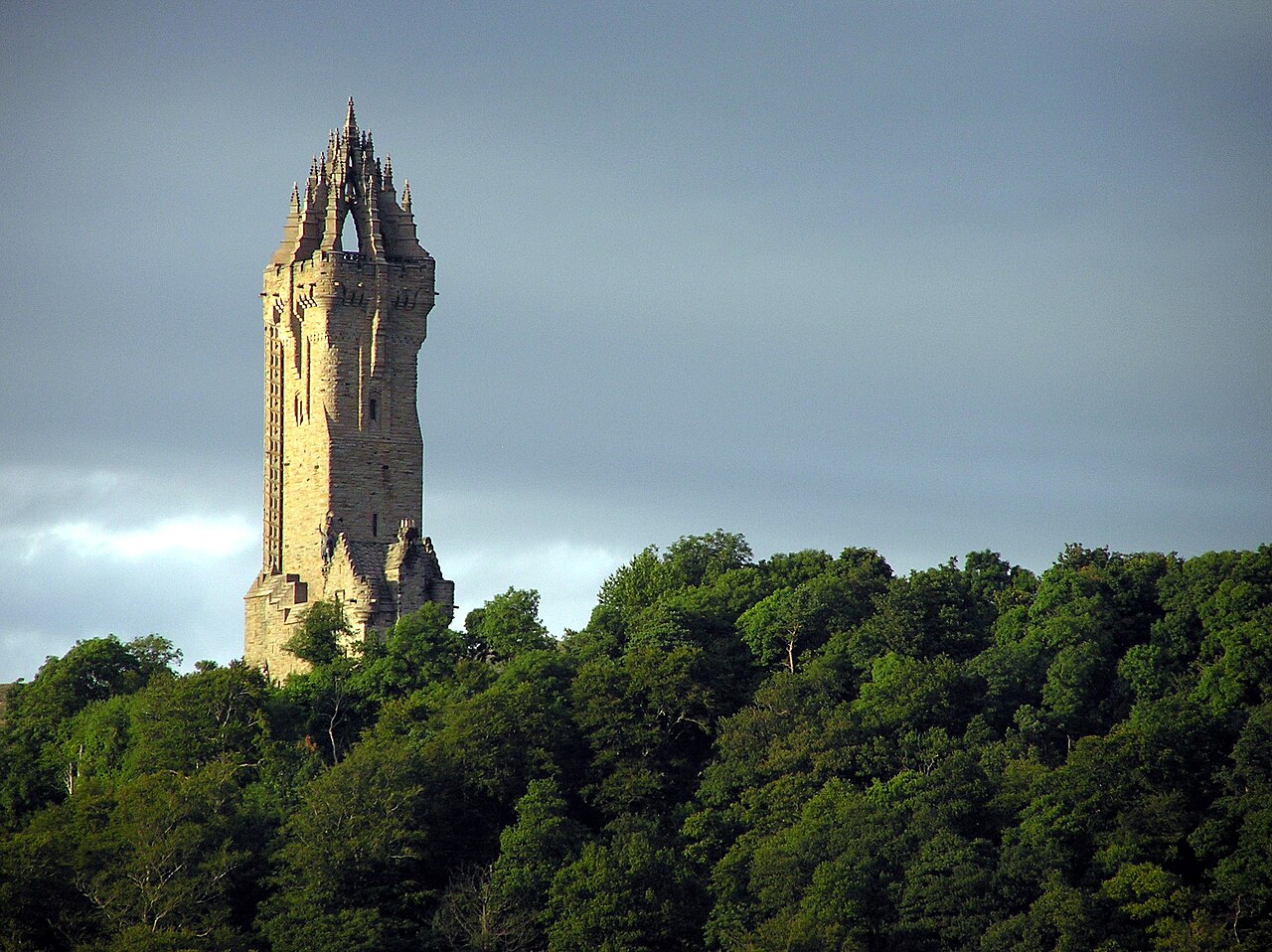
William Wallace Monument, Robroyston
Alex Bracegirdle
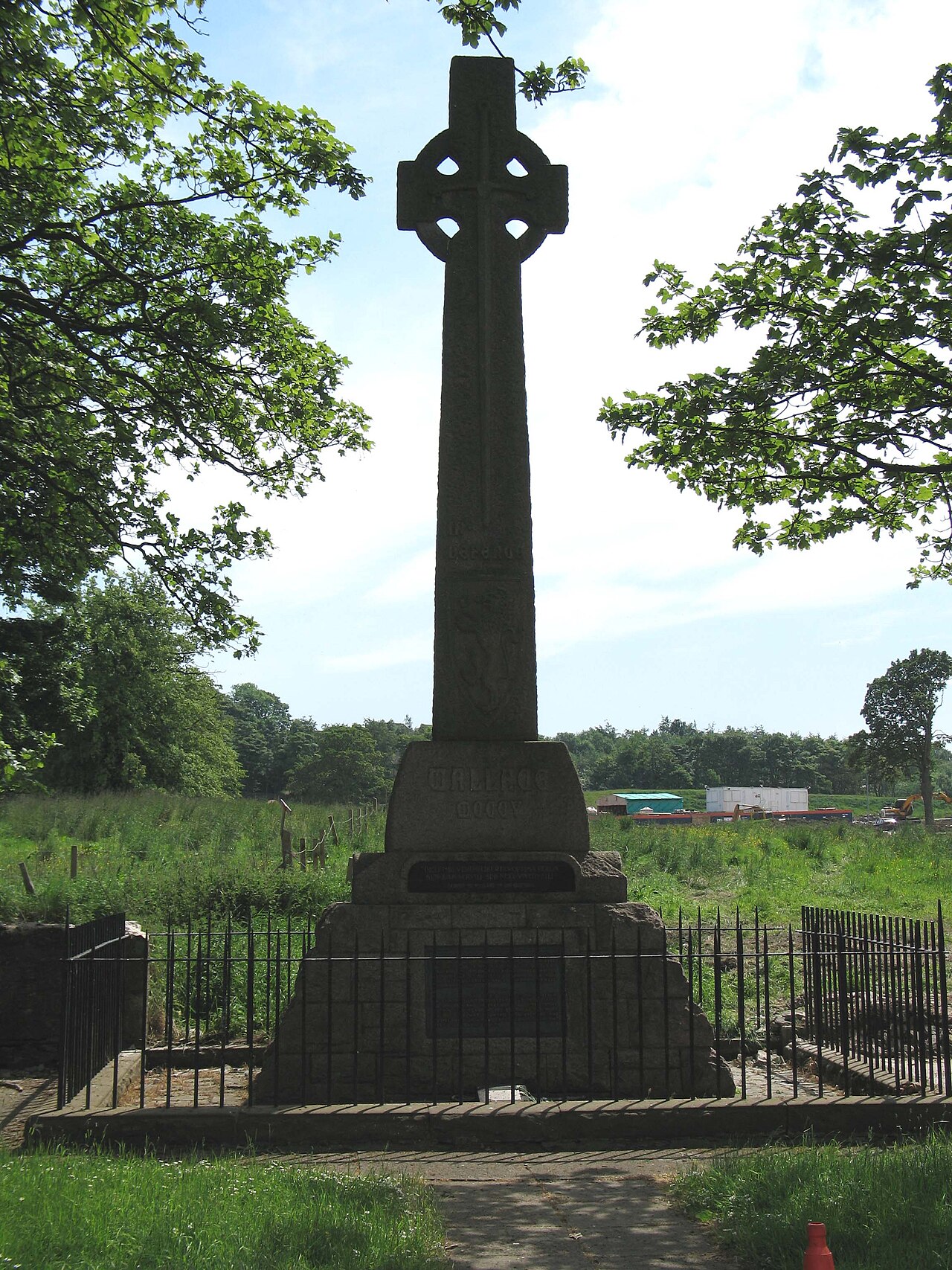
A granite Celtic cross at Robroyston, the place where William Wallace was captured. It is a later monument shown in a 2006 photograph.
A later monument at Robroyston, where Wallace was captured, showing how that place is remembered.
About this source
What it is
This is a photograph by Alex Bracegirdle, uploaded to Wikimedia Commons on 10 June 2006. It shows the William Wallace Monument at Robroyston. The image shows a tall granite Celtic cross with a ringed head and carved inscription, standing on a stepped stone plinth inside iron railings. The monument is a later memorial, not an object from Wallace's time.
Why it matters
William Wallace (1270–1305) was captured at Robroyston, and this monument marks that place. Memorials like this show that the site of his capture has been kept in public memory. The monument reveals how later people chose to remember Wallace's final capture, not the event itself.
Look closer
- What does the carved cross and inscription suggest about how this place is meant to be remembered?
- Why might a monument be placed exactly where an event happened?
- What would a record written at the time of the capture show that this later monument cannot?
This sculpture is part of the curated material that grounds the AI version of William Wallace on Humy.ai — when students ask about related events, the AI can quote it and cite it.
More William Wallace sources
Browse all 87 →Primary source
Lübeck Letter
Andrew Moray and William Wallace · 11 October 1297
 Artifact
Secondary source
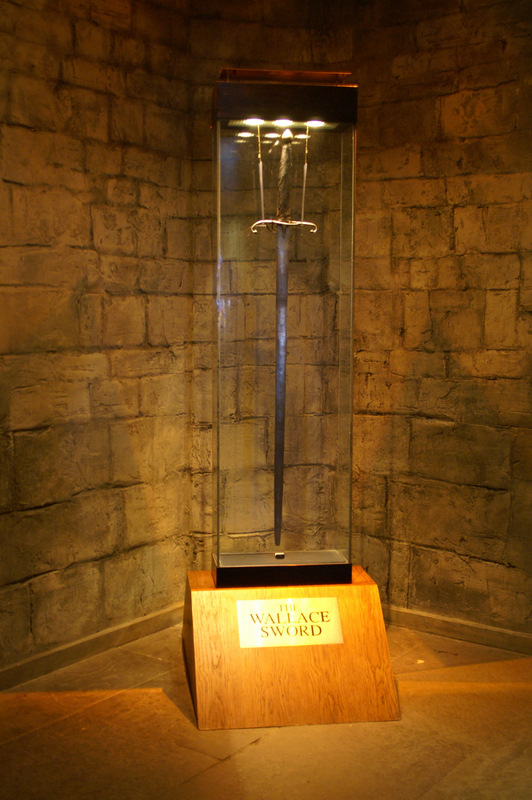
Wallace Sword
traditionally c. 1297 (much altered later)
 Document
Primary source
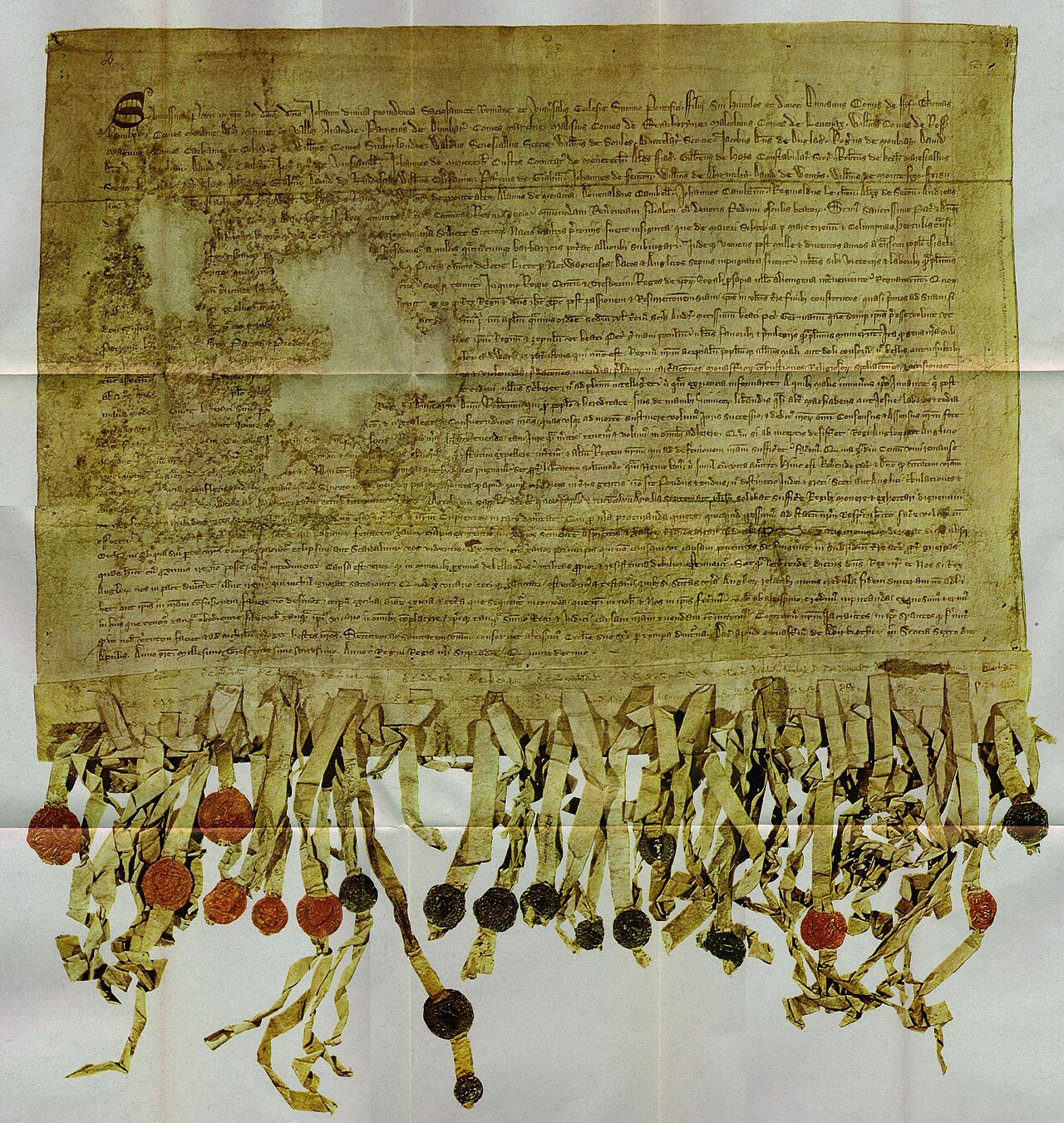
Declaration of Arbroath
Bernard of Kilwinning (attributed) · 6 April 1320
 Speech
Secondary source
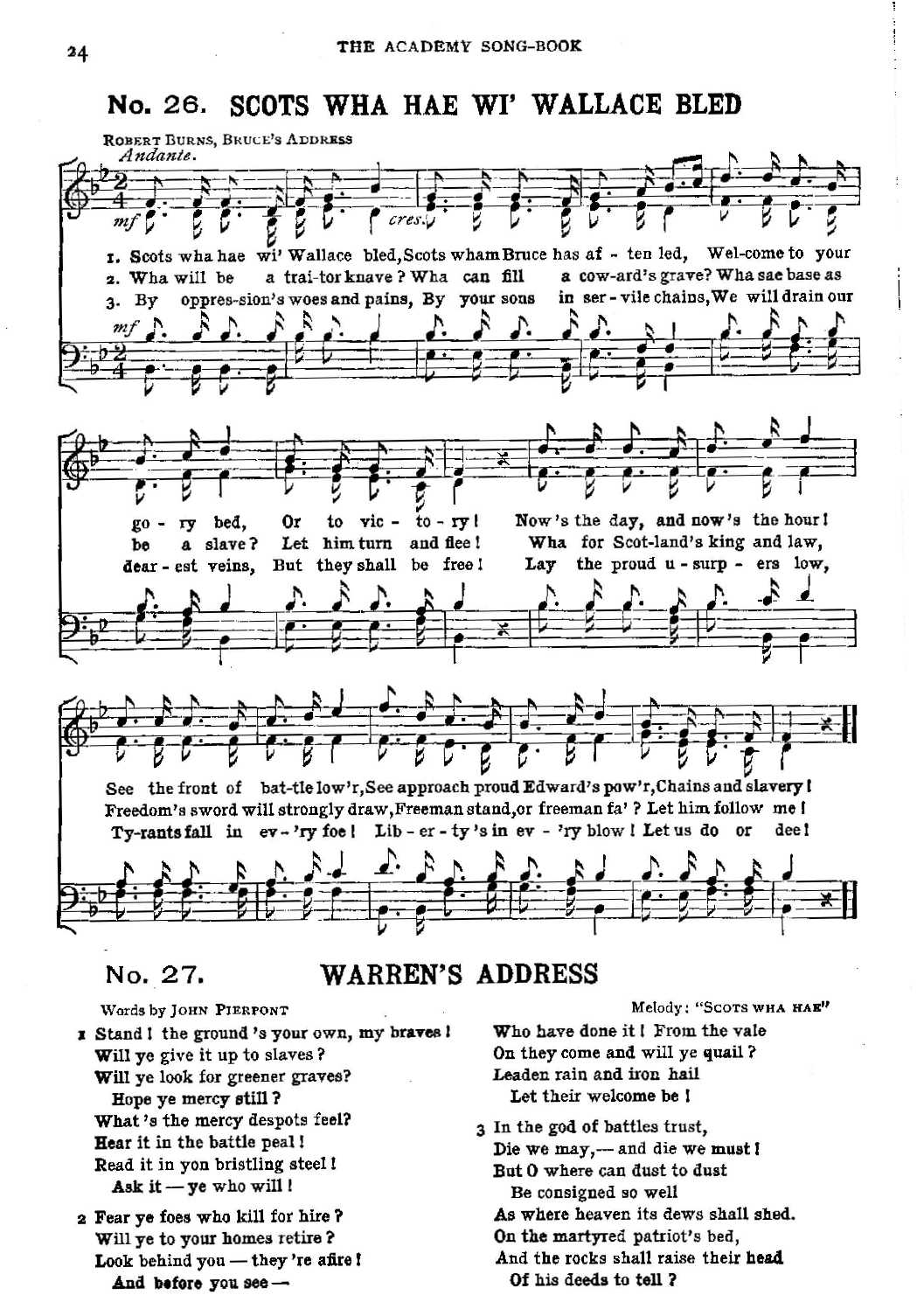
Scots Wha Hae
Robert Burns · 1793
Free account
Read every William Wallace source
Sign up free →
Ready when you are
Start chatting with William Wallace now.
20 messages free · No credit card · Available in 50+ languages.