


Primary sourcePaintingc. 1395-1399
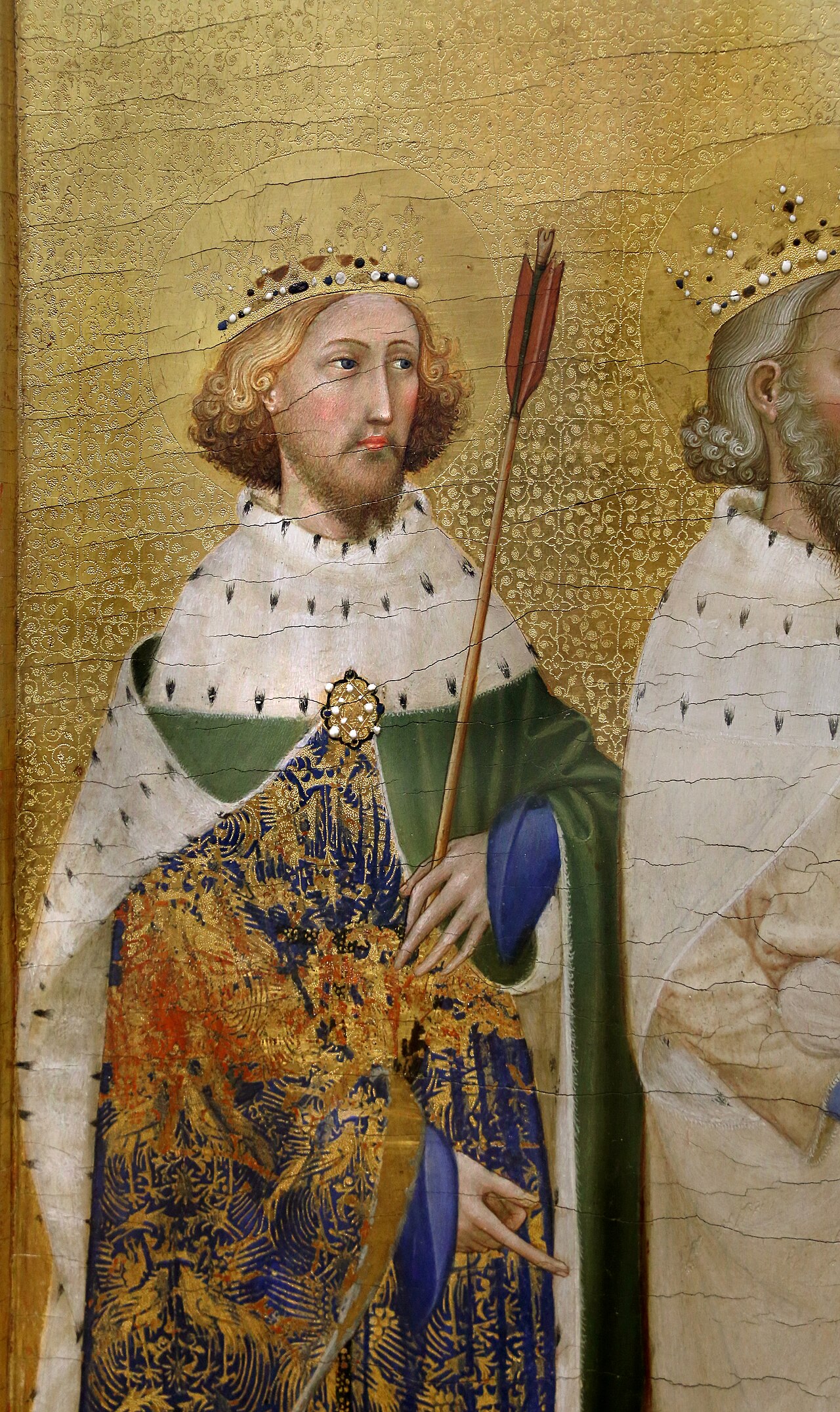
Wilton Diptych, panel with Edmund
c. 1395-1399
A detail from the Wilton Diptych, a small portable painting made for Richard II's own devotional use, showing a saint-king panel.
This panel is part of a diptych painted for Richard II's own private devotion, reflecting his self-image as king.
About this source
What it is
This image is a detail of the Wilton Diptych, a small painted panel made around 1395-1399 for Richard II's personal devotion. This detail shows a crowned saint-king with golden-brown hair and a beard, wearing an ermine-trimmed mantle over a patterned robe, holding an arrow, with another crowned figure partly visible beside him.
Why it matters
The Wilton Diptych was created for Richard II's own court and private worship, making it a rare surviving example of royal art from his reign. It reveals how Richard wanted to present himself and his kingship through religious imagery and rich decoration.
Look closer
- What details in the painting suggest wealth and royal status?
- Why might Richard II have wanted saints and kings shown together in this way?
- What might this painting tell us about Richard's religious beliefs or self-image?
This painting is part of the curated material that grounds the AI version of Richard II of England on Humy.ai — when students ask about related events, the AI can quote it and cite it.
More Richard II of England sources
Browse all 95 →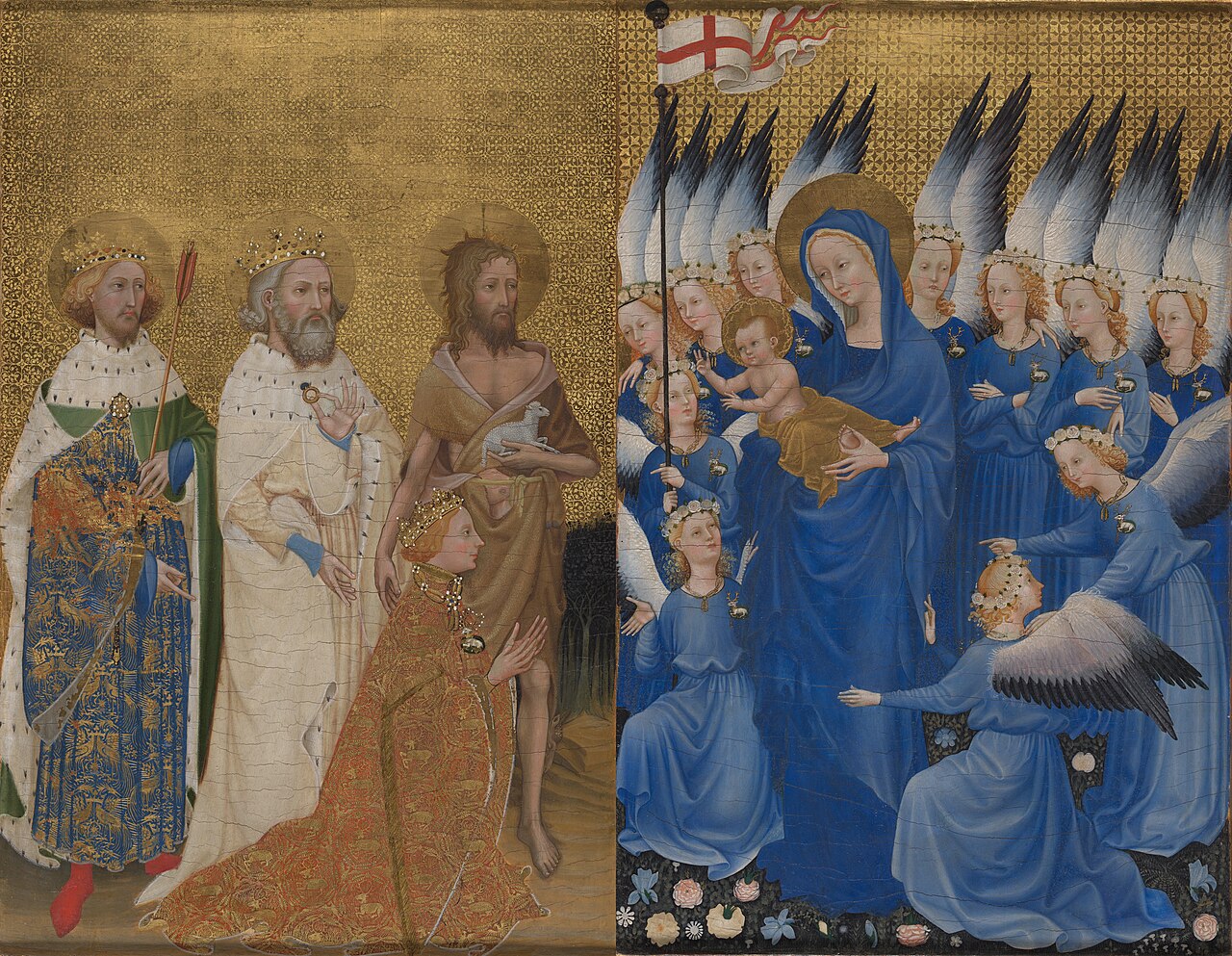 Painting
Secondary source
Wilton Diptych
c. 1395-1399
 Painting
Primary source
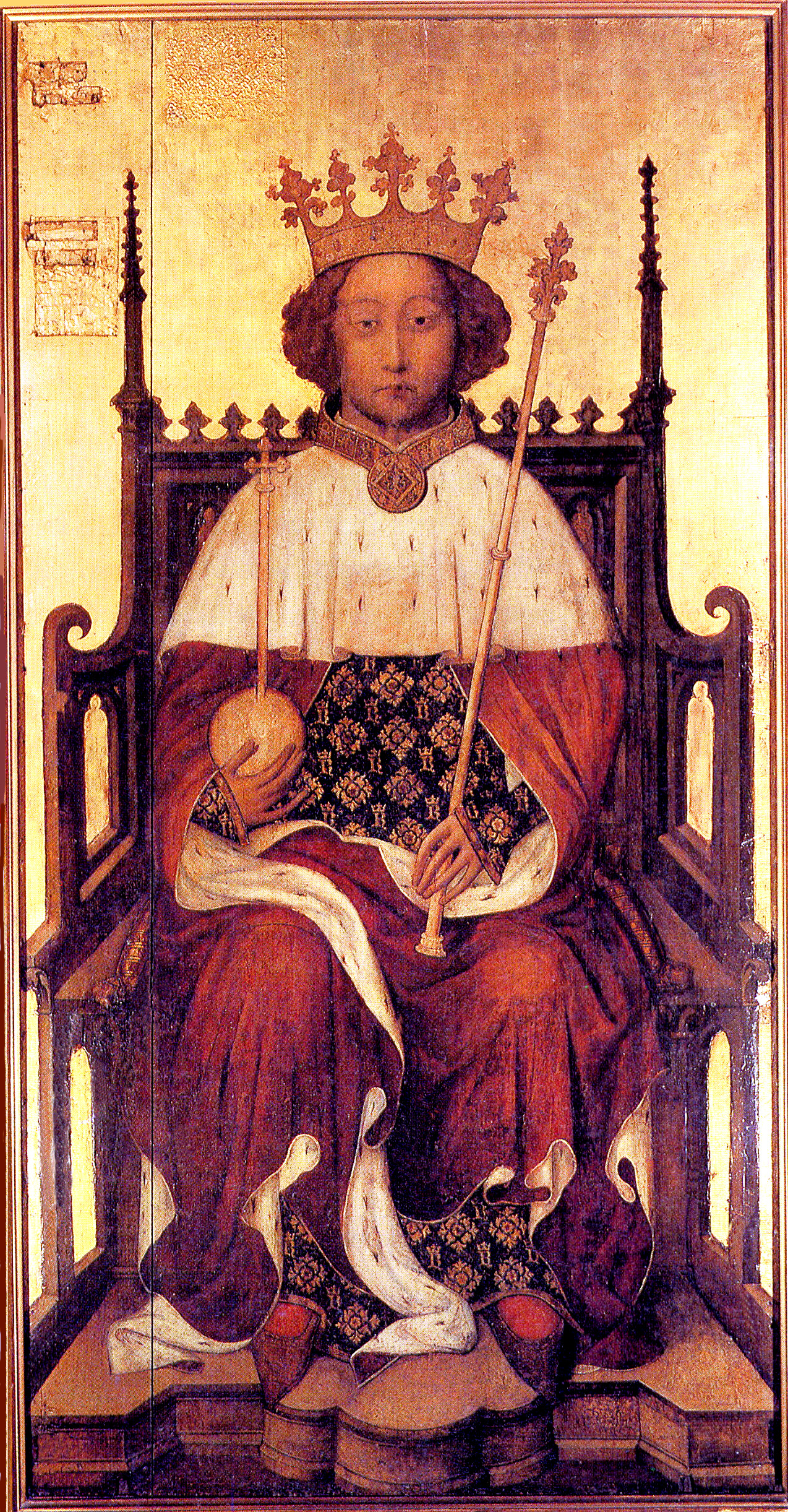
Portrait of Richard II of England
1390s
 Sculpture
Primary source
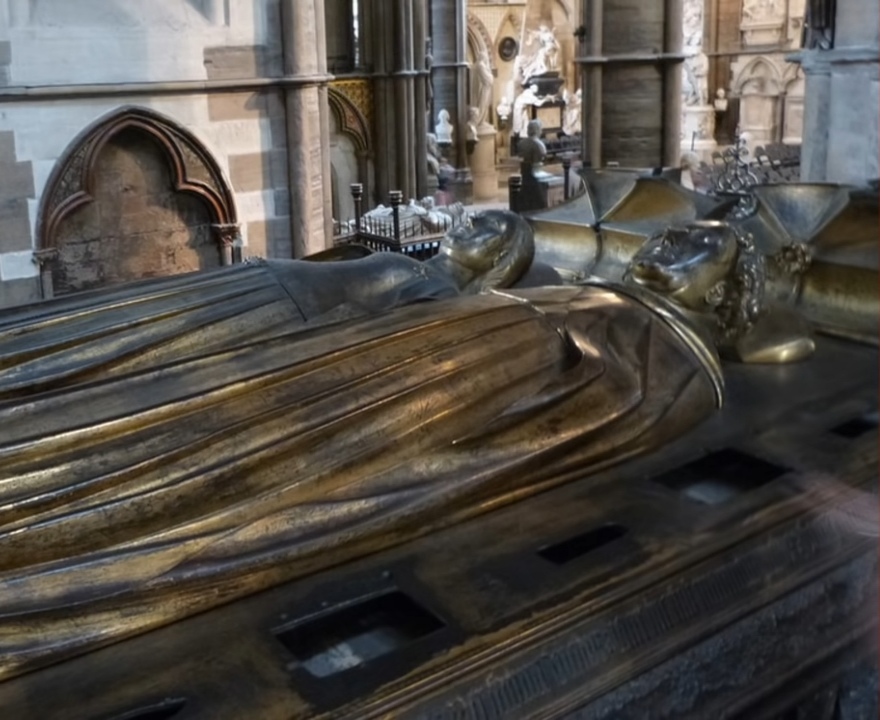
Tomb of Richard II and Anne of Bohemia
Broker and Prest · 1395-1399
 Artifact
Primary source
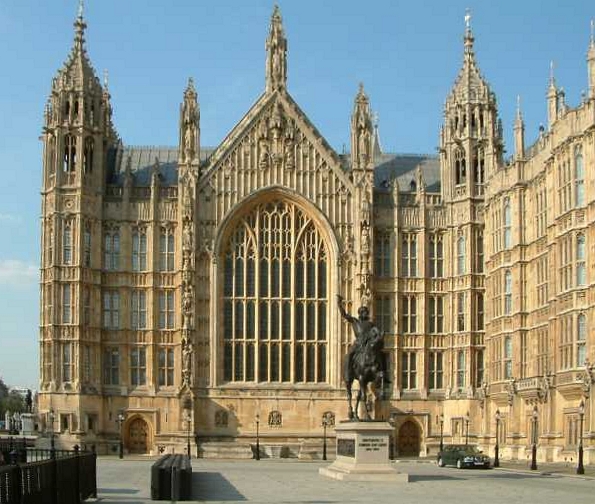
Westminster Hall
built 1097-1099, remodelled 1393

Free account
Read every Richard II of England source
Sign up free →
Ready when you are
Start chatting with Richard II of England now.
20 messages free · No credit card · Available in 50+ languages.