


Secondary sourceBook1910
With a Prehistoric People: The Akikuyu of British East Africa
William Scoresby Routledge and Katherine Routledge · 1910
An early ethnography of Kikuyu society that helps explain Waiyaki's role as a muthamaki, or spokesman, rather than the 'paramount chief' the British assumed.
Explains that Waiyaki held the role of muthamaki, or spokesman, rather than the single 'paramount chief' the British took him for.
Free Humy account · No credit card · 124,282 sources to read
About this source
What it is
This is an ethnographic study of the Akikuyu (Kikuyu) people, written by William Scoresby Routledge and Katherine Routledge and published in 1910, based on fieldwork beginning in 1902.
It documents Kikuyu methods of life and thought, including social structure and leadership, and includes photographs.
Why it matters
This book helps explain that Kikuyu leadership did not work the way British officials assumed. Waiyaki wa Hinga was a muthamaki, a spokesman or respected elder, not a single all-powerful 'paramount chief' as the British described him. Understanding this distinction is key to understanding why conflicts arose between Waiyaki and the Imperial British East Africa Company.
Look closer
- Why might the British have misunderstood Kikuyu leadership structures?
- How does this book's authorship, by British researchers after the events, shape what it can and can't tell us?
- What questions would you ask Kikuyu elders themselves about leadership?
This book is part of the curated material that grounds the AI version of Waiyaki wa Hinga on Humy.ai — when students ask about related events, the AI can quote it and cite it.
More Waiyaki wa Hinga sources
Browse all 7 →Secondary source
The Great Rift Valley
John Walter Gregory · 1896
Primary source
John Boyes, King of the Wa-Kikuyu
John Boyes · 1911
Primary source
The Rise of Our East African Empire
Frederick John Dealtry Lugard · 1893
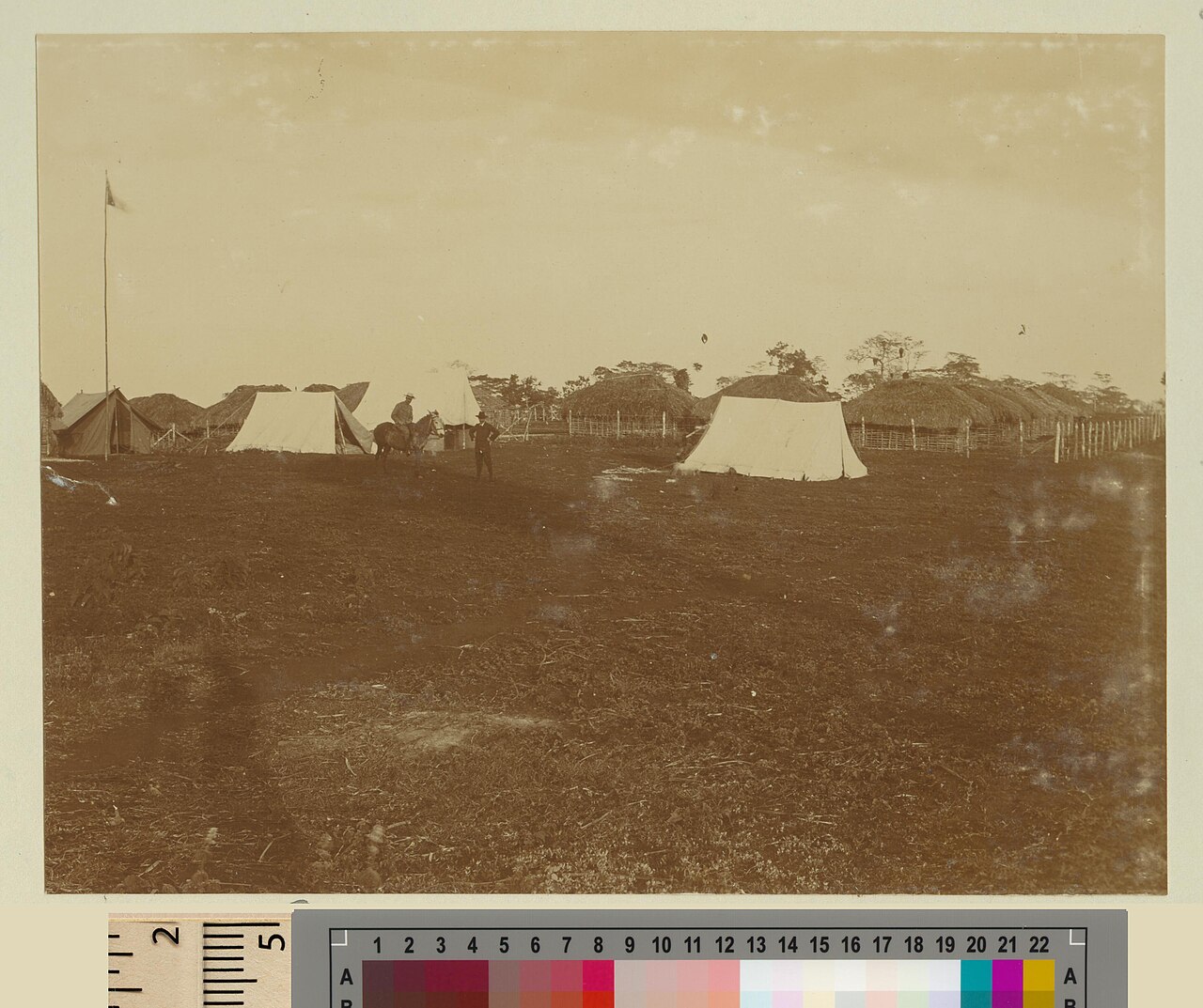 Photograph
Primary source
Fort Smith, Kikuyu government camp, 1901
Unknown author · 1901
Free account
Read every Waiyaki wa Hinga source
Sign up free →
Ready when you are
Start chatting with Waiyaki wa Hinga now.
20 messages free · No credit card · Available in 50+ languages.