


Primary sourceArtifact1928
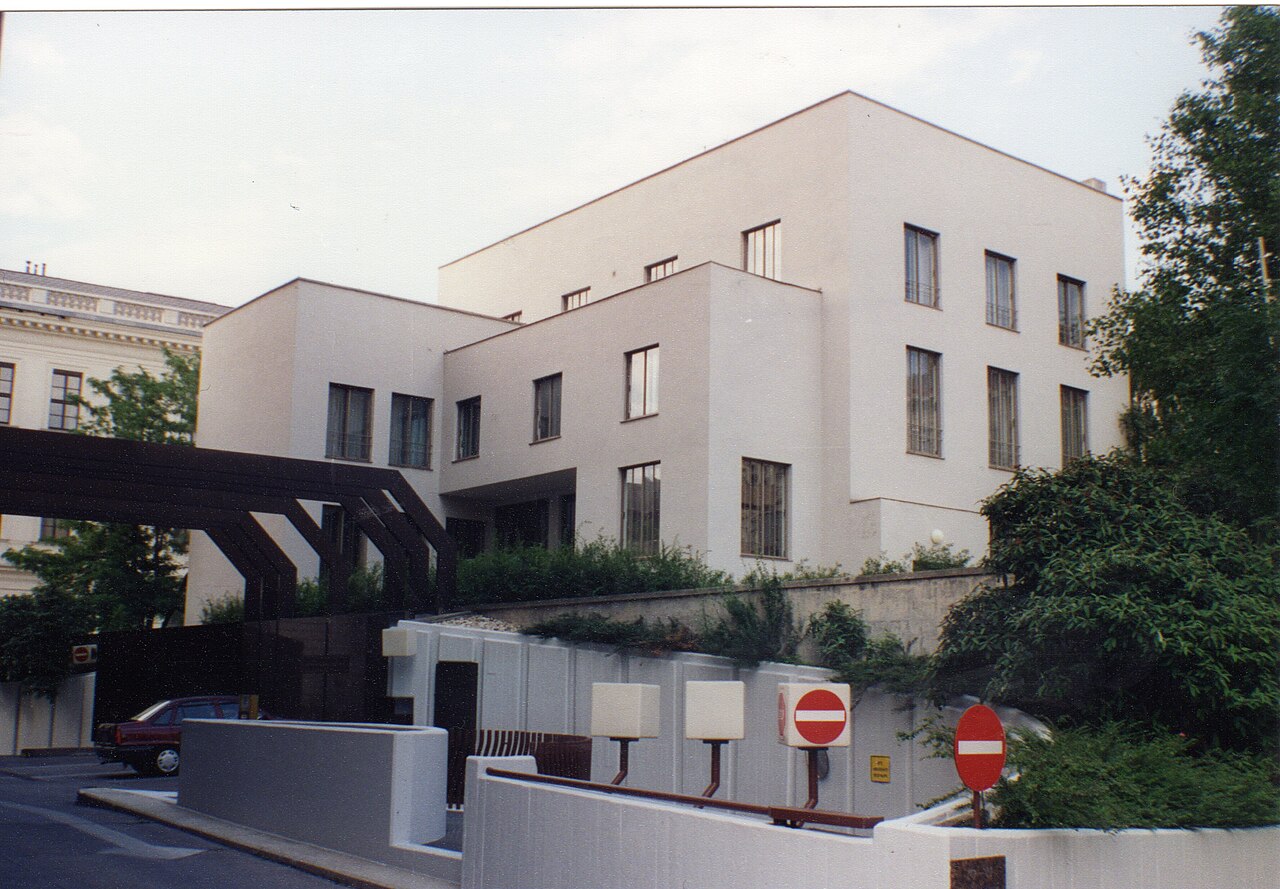
Wittgenstein House
Paul Engelmann and Ludwig Wittgenstein · 1928
A severely modernist Vienna townhouse that Wittgenstein helped design for his sister, down to the door handles and radiators.
He co-designed this house for his sister, applying his exacting standards to architecture.
About this source
What it is
Also known as the Stonborough House, this Vienna townhouse was commissioned by Margaret Stonborough-Wittgenstein from architect Paul Engelmann. She invited her brother, the philosopher Ludwig Wittgenstein, to help, and he threw himself into the design for over two years, obsessing over details such as doorknobs, radiators, and window mechanisms. The house was finished in December 1928.
Why it matters
The project shows Wittgenstein's perfectionism and desire for exactness extending beyond philosophy into physical design. Collaborators found the process exhausting, and Wittgenstein himself later called the house austere, lacking
This artifact is part of the curated material that grounds the AI version of Ludwig Wittgenstein on Humy.ai — when students ask about related events, the AI can quote it and cite it.
More Ludwig Wittgenstein sources
Browse all 97 →Primary source
Introduction to Wittgenstein's Tractatus Logico-Philosophicus
Bertrand Russell · 1922
 Diary entry
Primary source
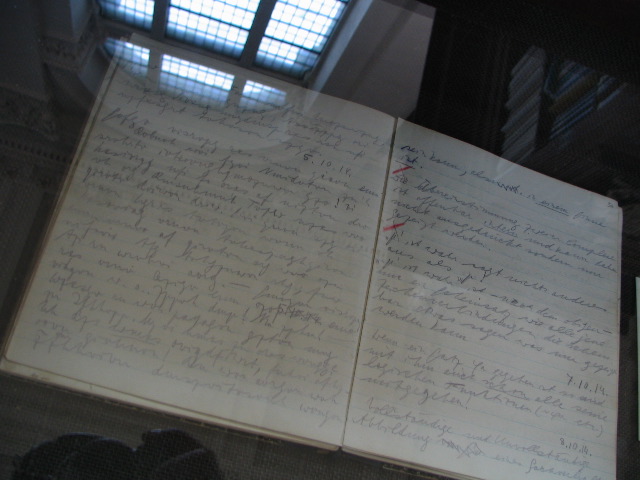
Notebooks 1914-1916
Ludwig Wittgenstein · 1914-1916 (published 1960/1961)
 Photograph
Primary source
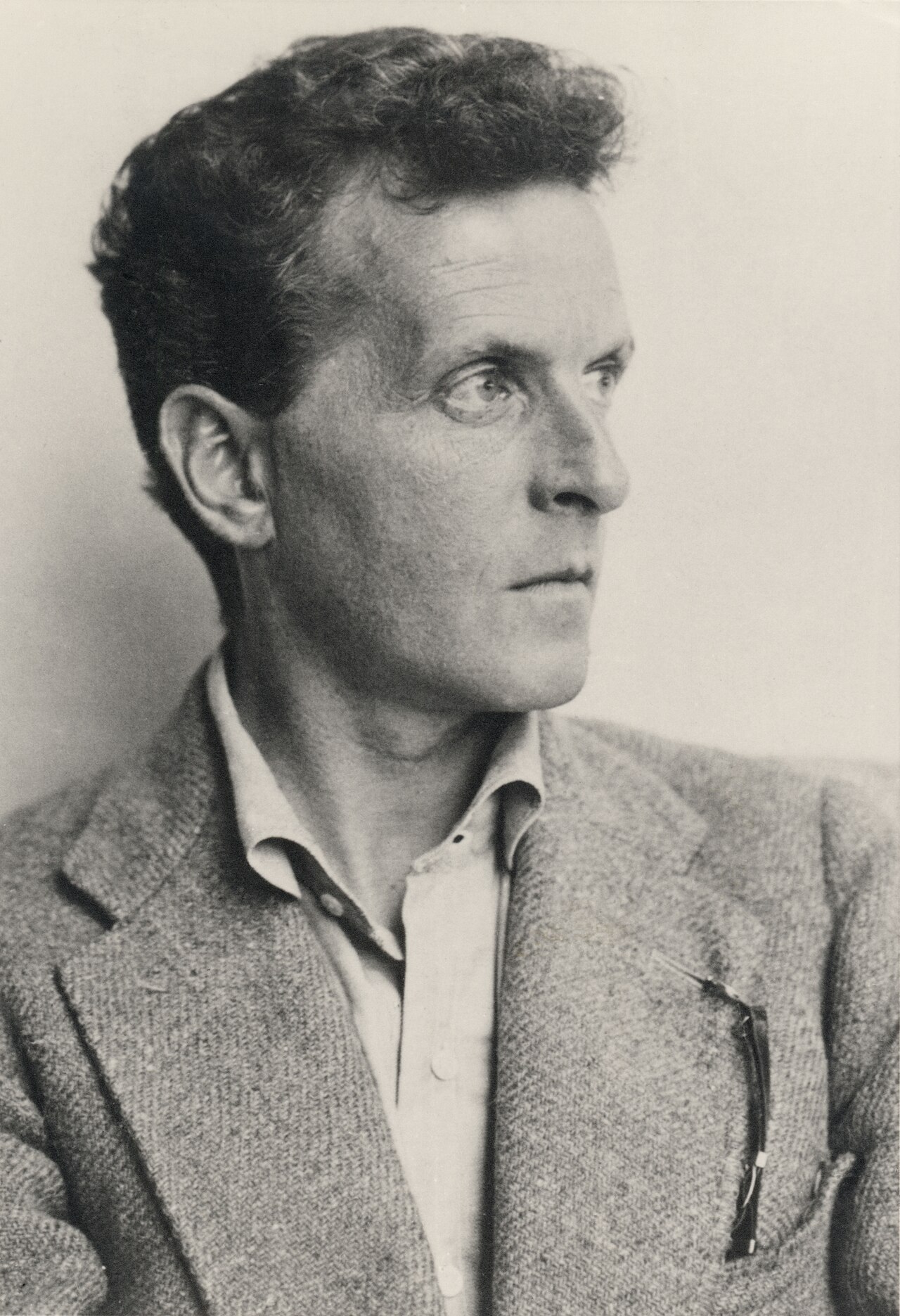
Portrait of Ludwig Wittgenstein
Secondary source
Bertrand Russell's Introduction to the Tractatus
Bertrand Russell · 1922
Free account
Read every Ludwig Wittgenstein source
Sign up free →
Ready when you are
Start chatting with Ludwig Wittgenstein now.
20 messages free · No credit card · Available in 50+ languages.