


Primary sourceBook1924
Wolf Forest, Basket Forest and Robber Forest
Kenji Miyazawa · 1924
Miyazawa's original Japanese story explaining the folk origins of four forest names near a farm in his native Iwate region, written in 1924.
This is one of Miyazawa's own stories, rooted in the folklore of his native region.
Free Humy account · No credit card · 120,288 sources to read
About this source
What it is
This is the original Japanese text of 'Oinomori to Zarumori, Nusutomori' ('Wolf Forest, Basket Forest and Robber Forest'), written by Kenji Miyazawa in 1924 and preserved on Japanese Wikisource.
Why it matters
The story is framed as a tale told by a great rock, explaining how four forests near Koiwai Farm got their odd names, following farmers who settle the land after a volcanic eruption. It reflects Miyazawa's interest in local Iwate geography, folklore, and the relationship between settlers and the land, themes that appear across his children's fiction.
Look closer
- Why might Miyazawa choose a talking rock as the narrator of this origin story?
- What does the story suggest about how communities explain the names of places around them?
- How does the volcanic landscape described at the start shape the rest of the tale?
This book is part of the curated material that grounds the AI version of Kenji Miyazawa on Humy.ai — when students ask about related events, the AI can quote it and cite it.
More Kenji Miyazawa sources
Browse all 41 →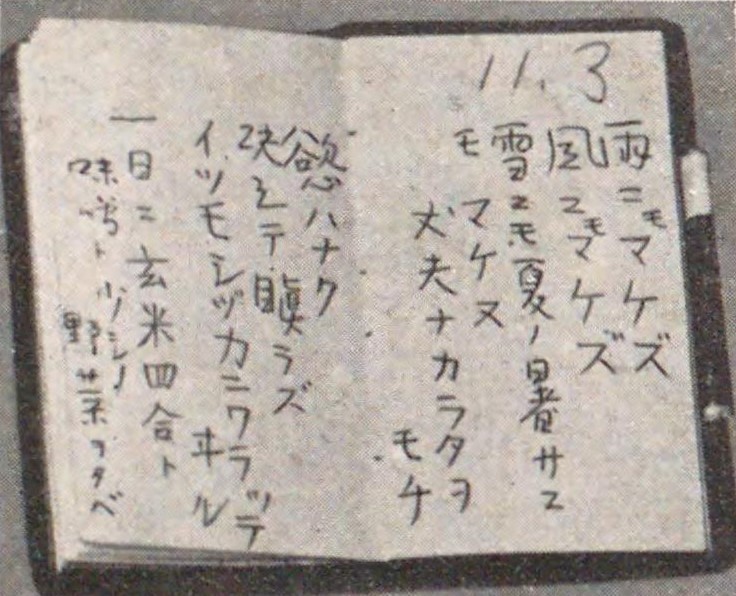 Diary entry
Primary source
Ame ni mo Makezu
Kenji Miyazawa · 1931 (presumed 3 November 1931)
 Book
Primary source
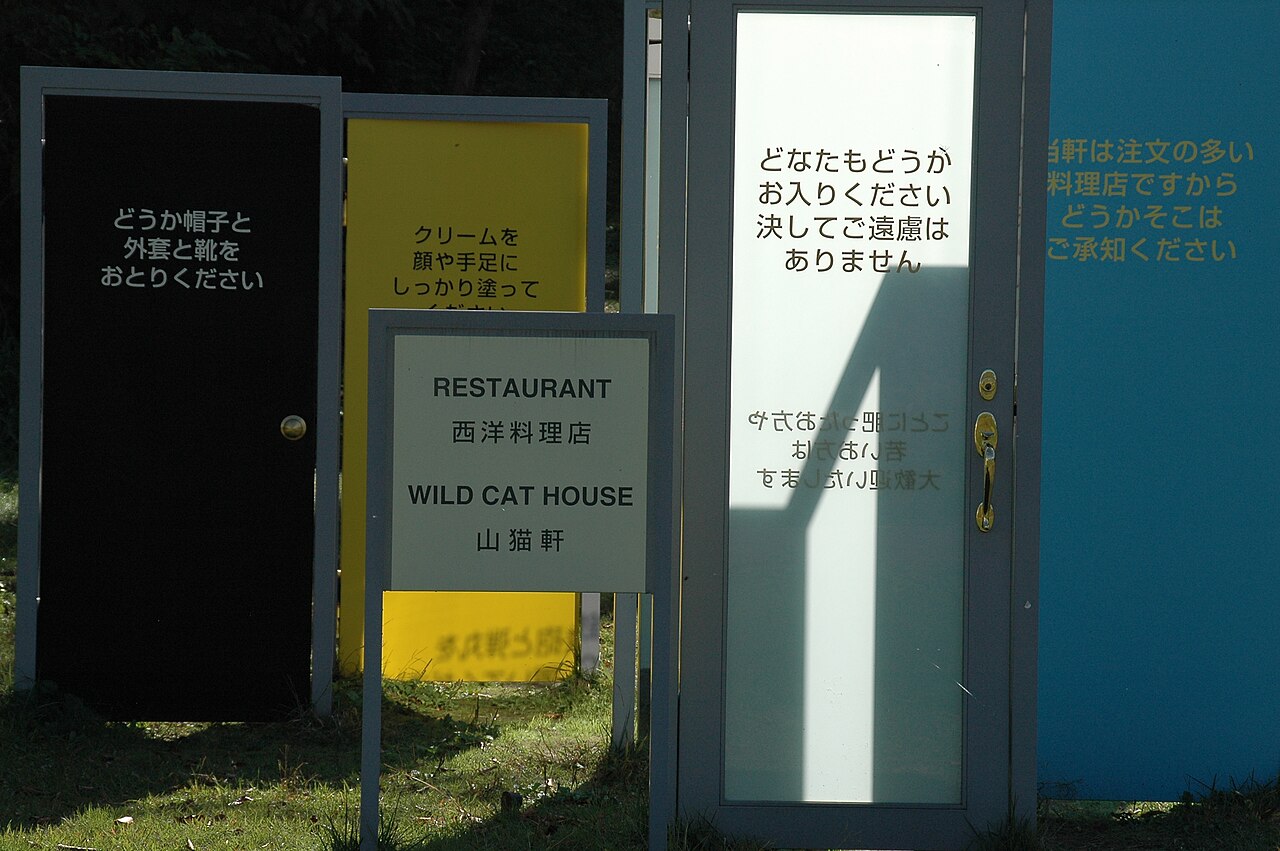
The Restaurant of Many Orders
Kenji Miyazawa · 1924
 Photograph
Primary source
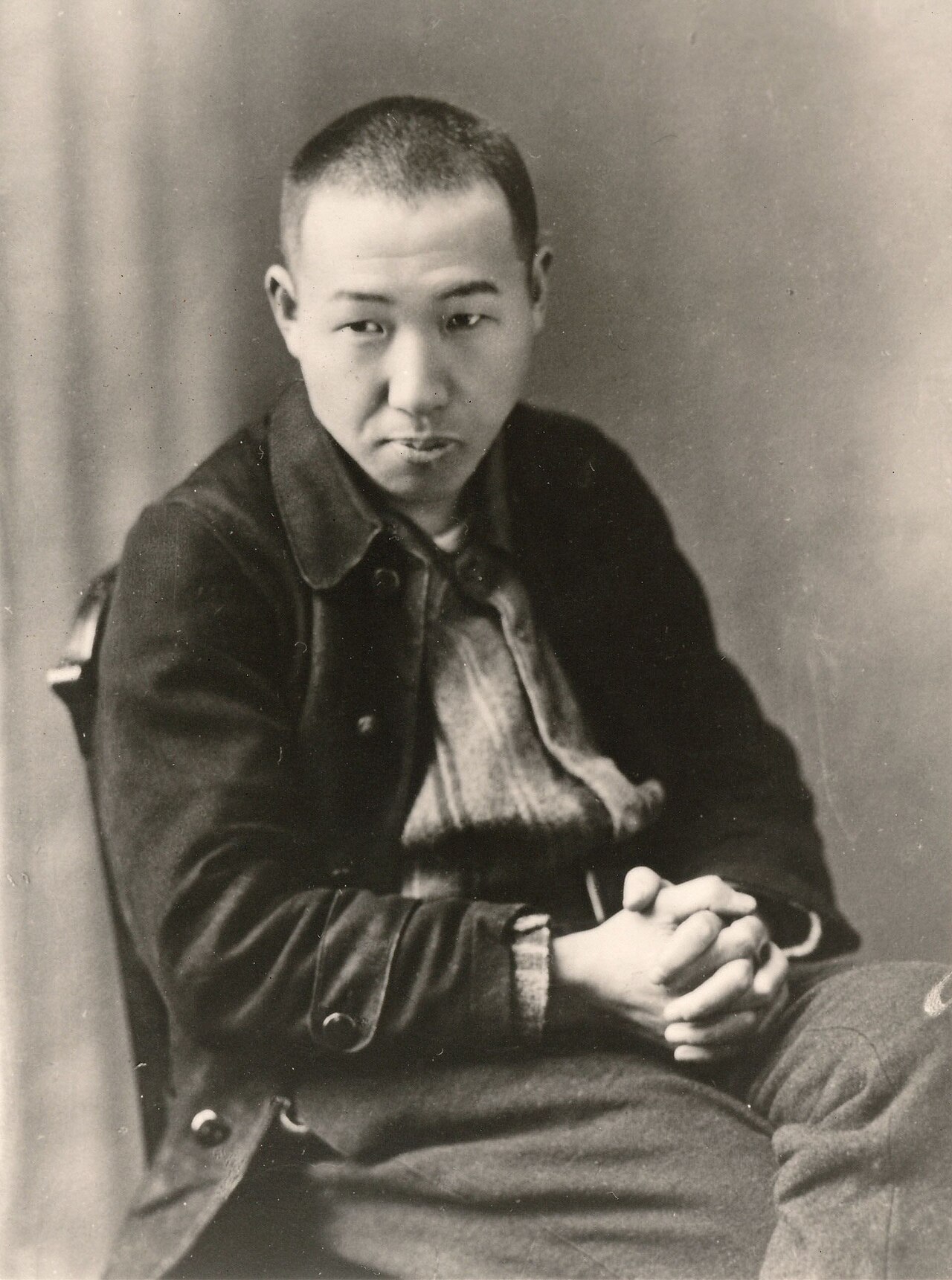
Portrait of Kenji Miyazawa
 Photograph
Primary source
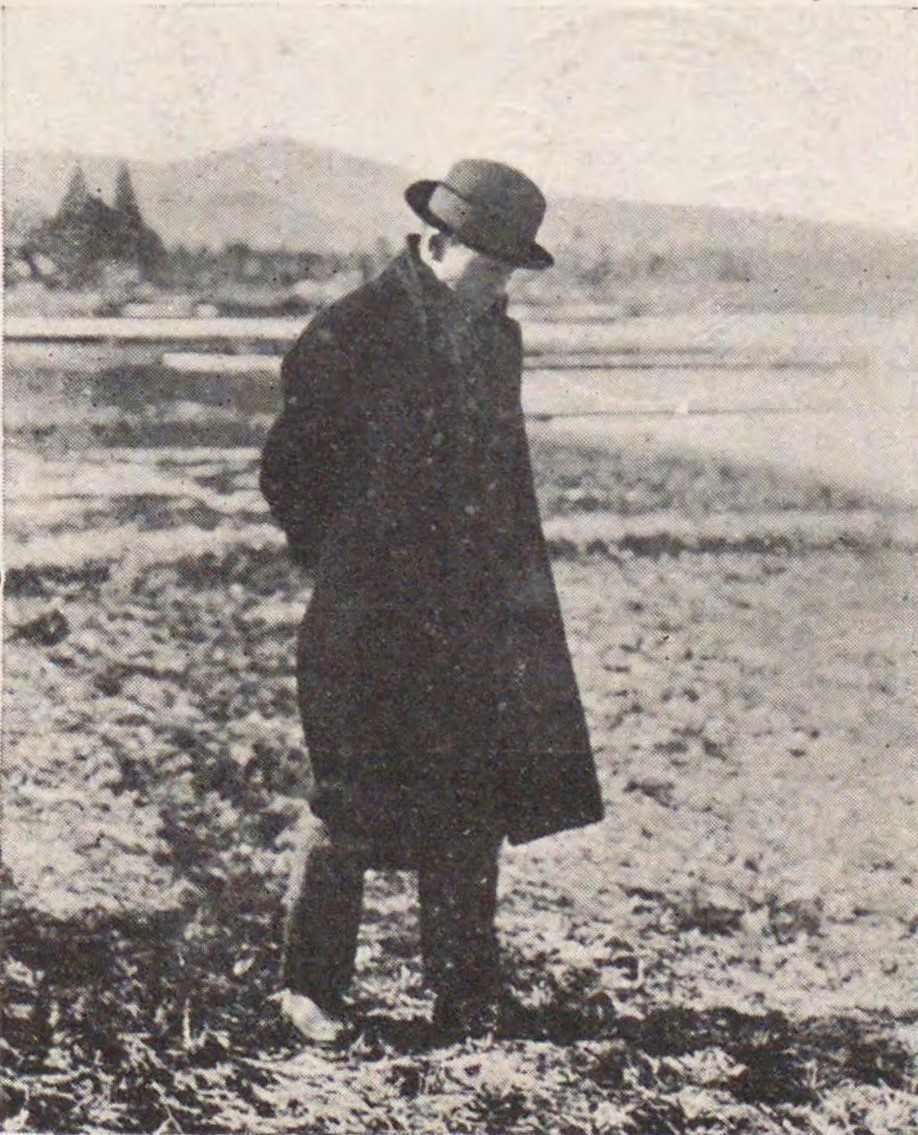
Miyazawa Kenji in a paddy field
Unknown
Free account
Read every Kenji Miyazawa source
Sign up free →
Ready when you are
Start chatting with Kenji Miyazawa now.
20 messages free · No credit card · Available in 50+ languages.