


Primary sourceArtifact1916
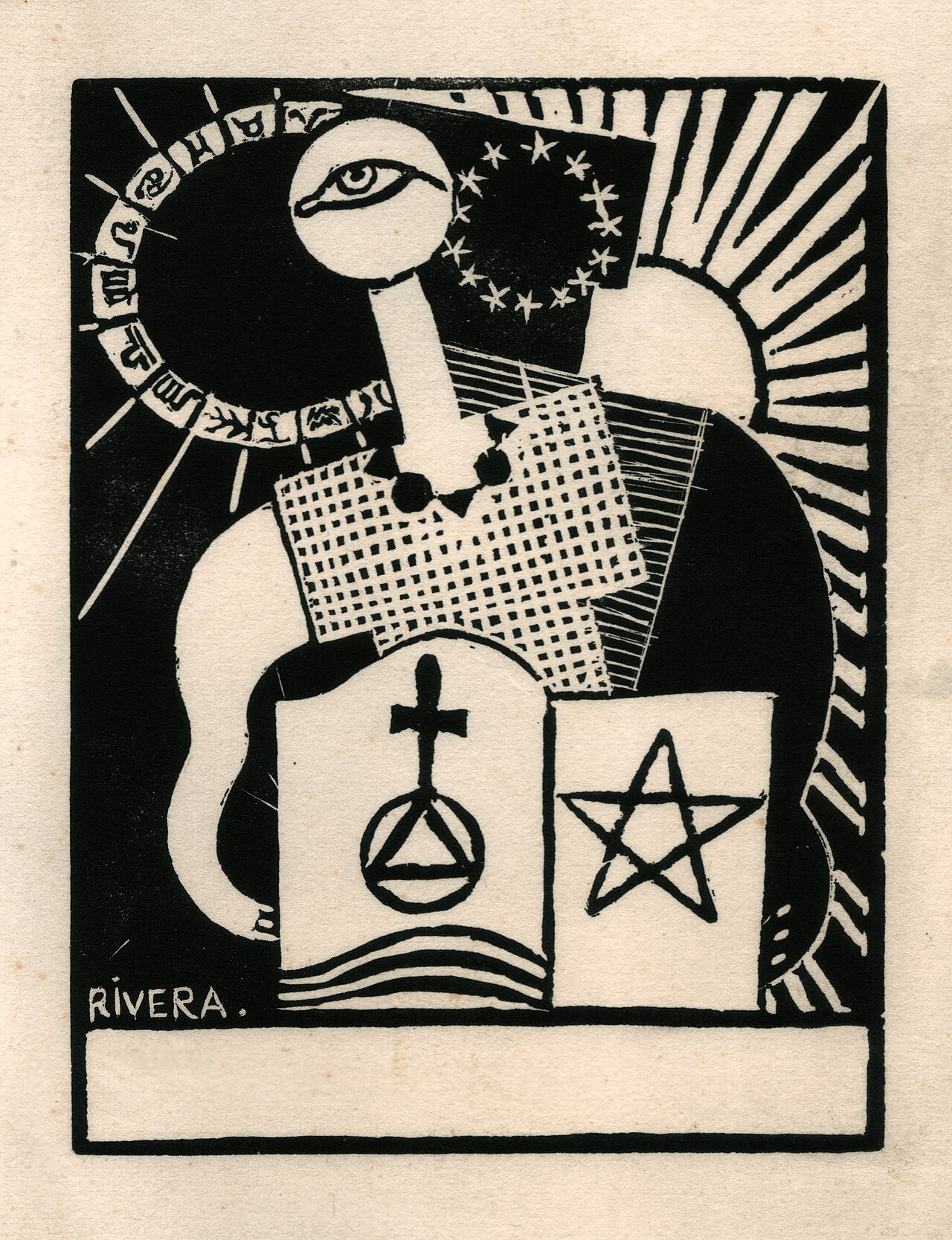
Woodcut Ex Libris for Maximilian Voloshin
Diego Rivera · 1916
A 1916 woodcut bookplate designed by Diego Rivera for the Russian poet Maximilian Voloshin.
A woodcut bookplate Rivera designed himself, showing his friendship with poet Maximilian Voloshin.
About this source
What it is
This is a black-and-white woodcut bookplate (an ex libris, used to mark ownership of books) made in 1916 by Diego Rivera for the Russian poet Maximilian Voloshin. It is signed RIVERA and shows symbolic imagery: an eye within a circle, a sunburst figure, star-like marks, a woven grid, a cross over a circle, and a five-pointed star.
Why it matters
This small, symbol-heavy print shows a different side of Rivera's early career than his paintings: his connections to European literary and artistic circles, including friendships with writers like Voloshin. It reflects the mystical and symbolic interests that some artists of this period explored alongside more formal styles like Cubism.
Look closer
- What do the symbols in this print — the eye, the sunburst, the star — suggest about Voloshin or about Rivera's interests at the time?
- Why might an artist design a personal bookplate for a friend rather than a painting?
- What does this artifact tell us about Rivera's circle of friends and influences outside of Mexico?
This artifact is part of the curated material that grounds the AI version of Diego Rivera on Humy.ai — when students ask about related events, the AI can quote it and cite it.
More Diego Rivera sources
Browse all 92 →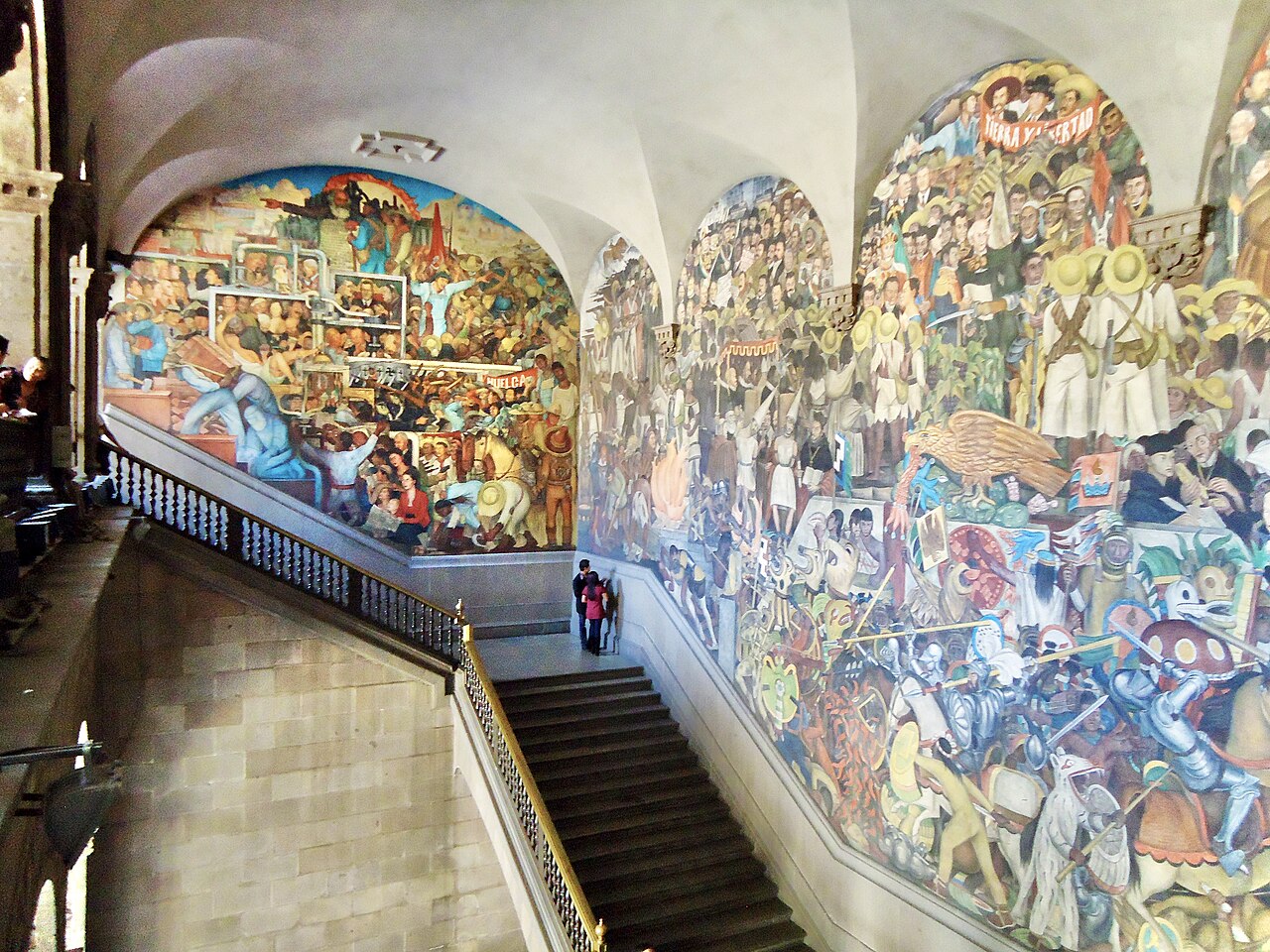 Painting
Secondary source
The History of Mexico
Diego Rivera · 1929-1935
 Painting
Secondary source
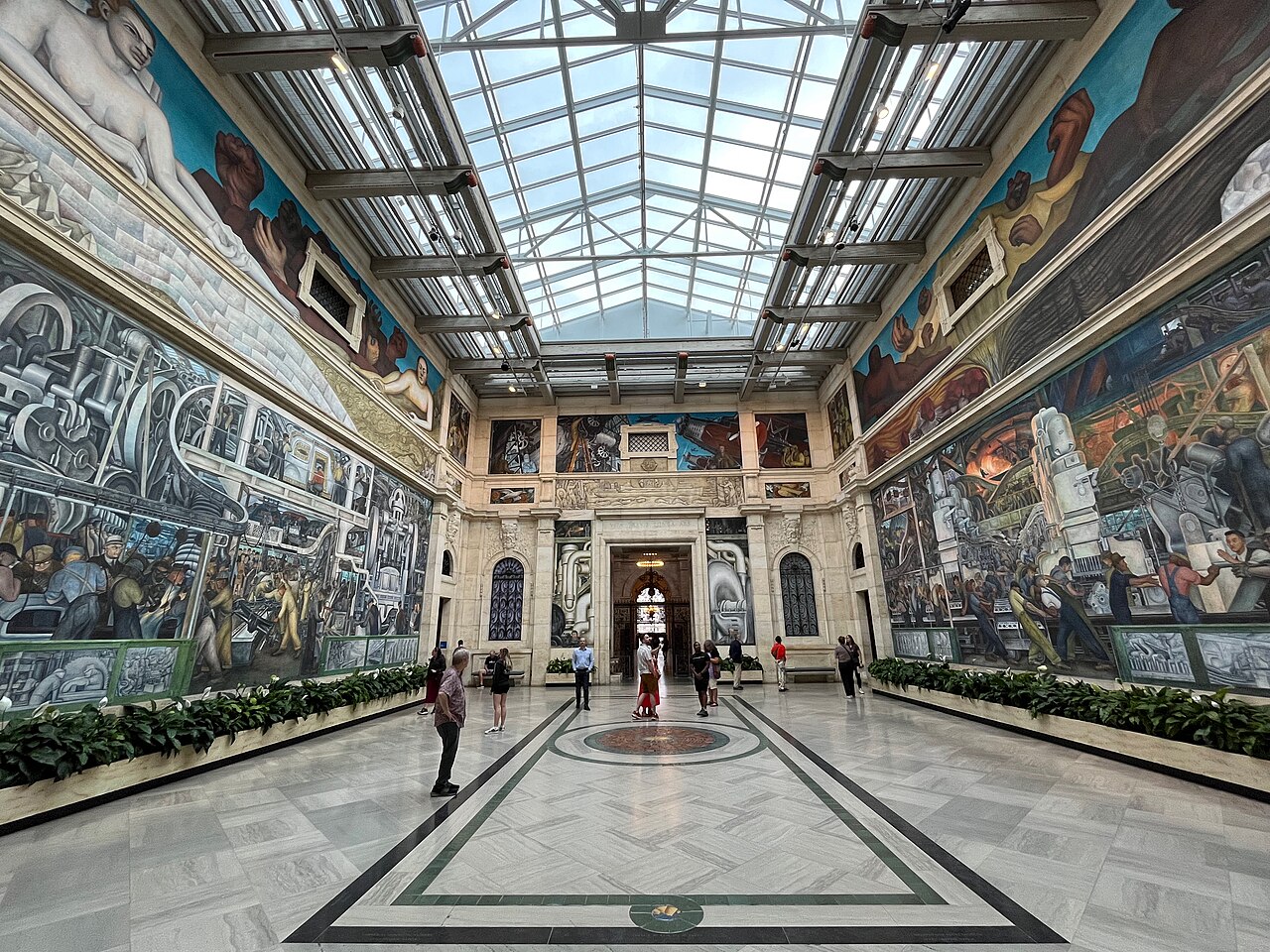
Detroit Industry Murals
Diego Rivera · 1932–1933
 Painting
Primary source
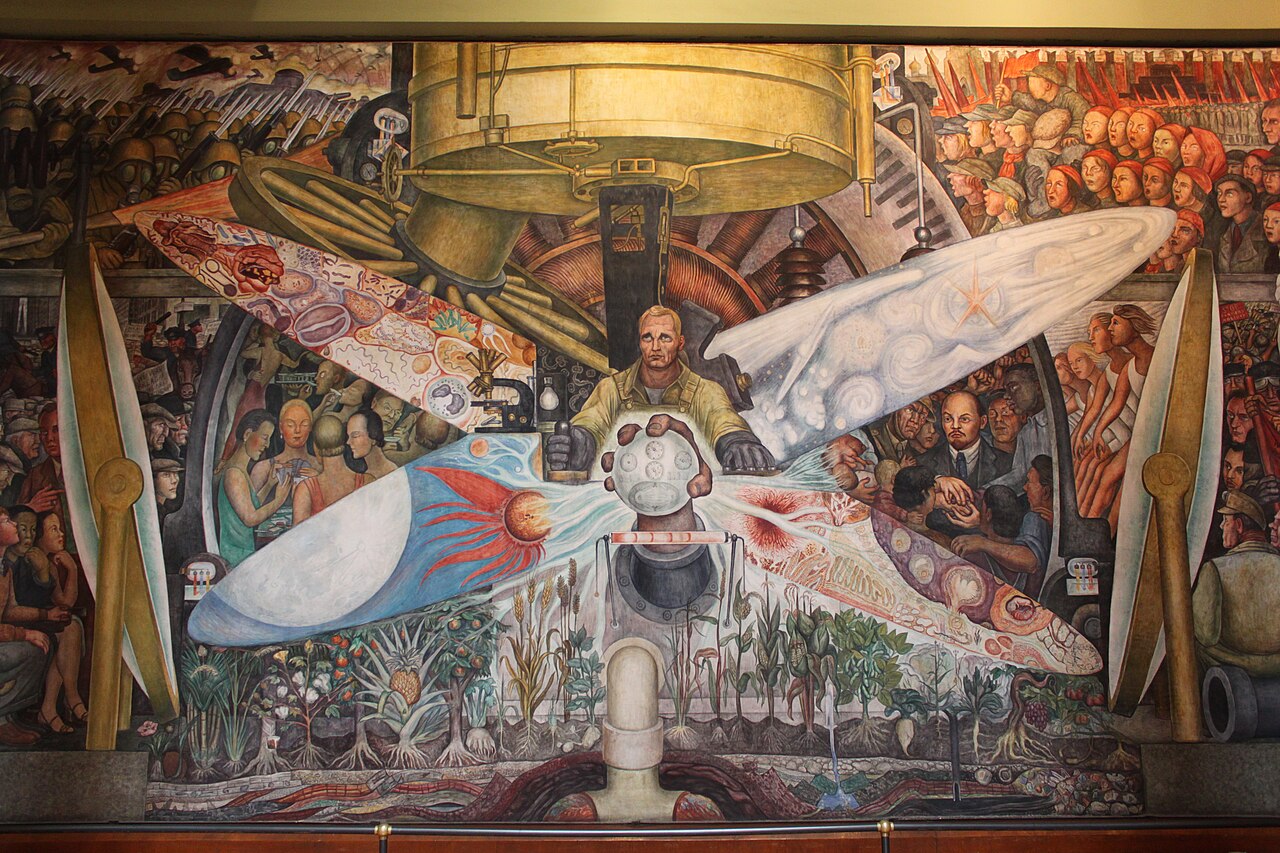
Man at the Crossroads
Diego Rivera · 1933
 Painting
Secondary source
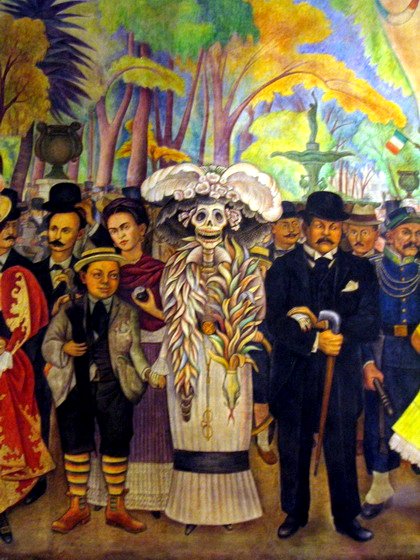
Sueño de una Tarde Dominical en la Alameda Central
Diego Rivera · 1946-1947
Free account
Read every Diego Rivera source
Sign up free →
Ready when you are
Start chatting with Diego Rivera now.
20 messages free · No credit card · Available in 50+ languages.