


Secondary sourceSculptureMuromachi period
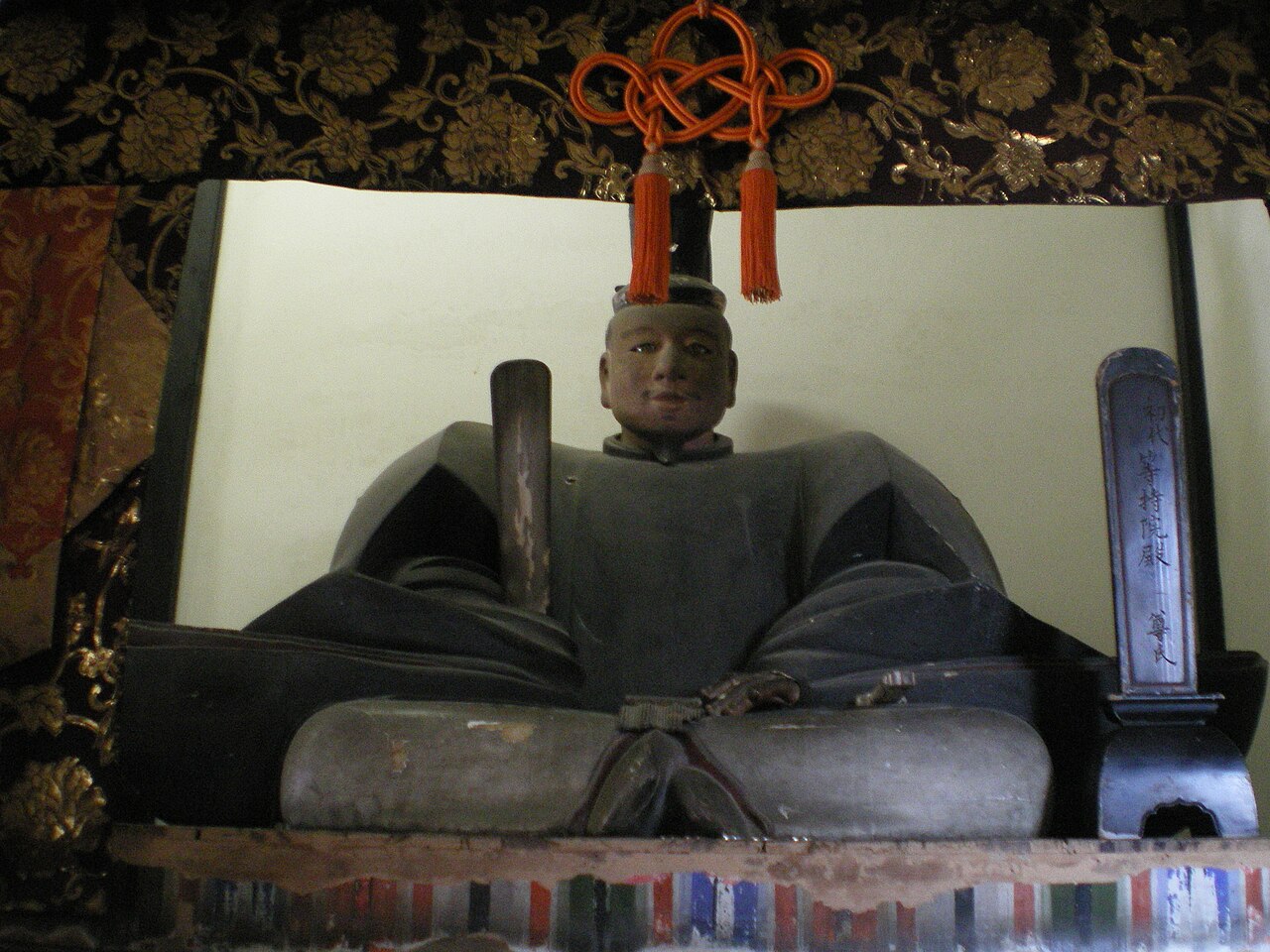
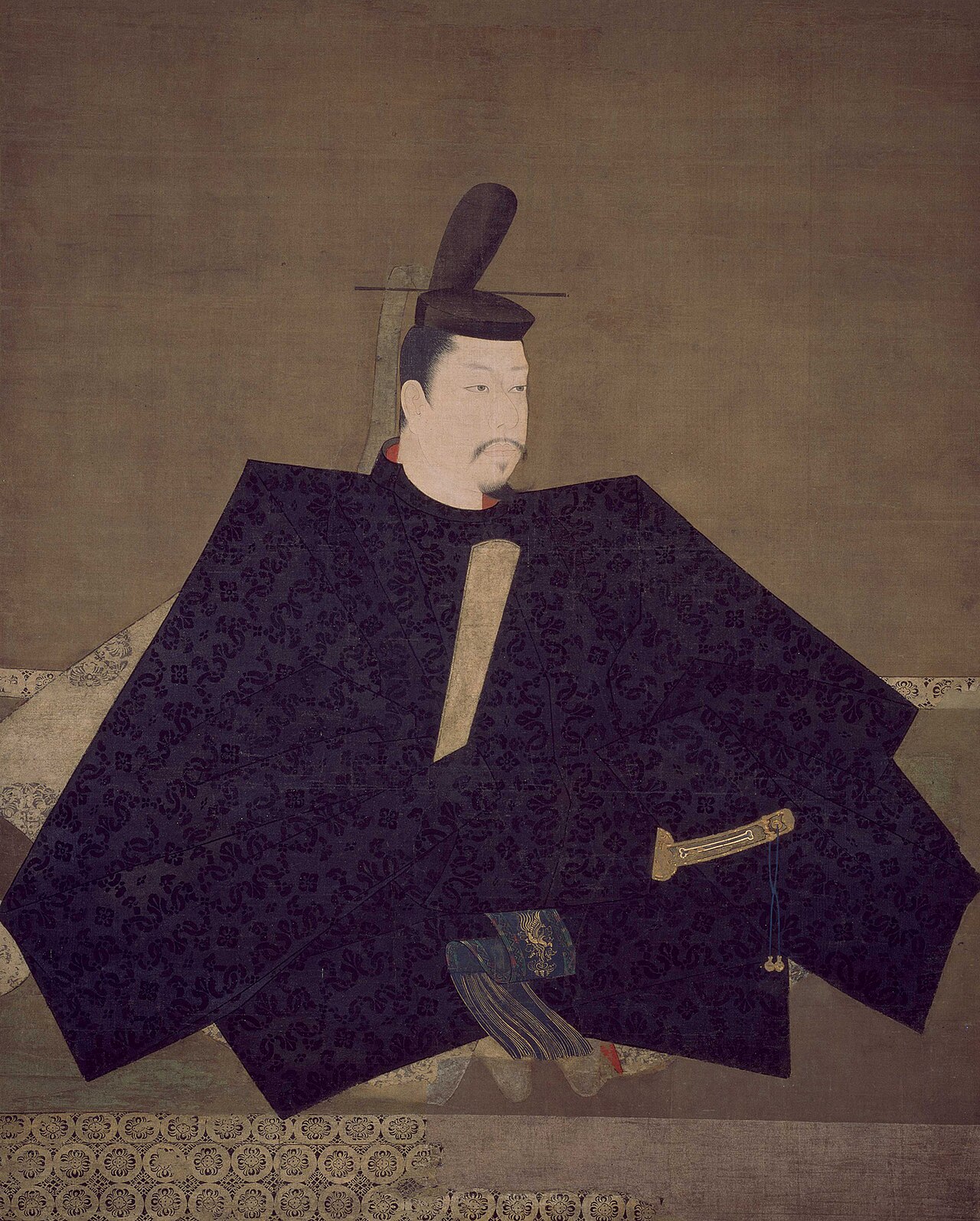
Wooden Statue of Ashikaga Takauji at Tōji-in
Unknown sculptor · Muromachi period
A Muromachi-period wooden statue of Takauji kept at Tōji-in, part of a set of shogun statues later vandalized to brand him a traitor.
This statue portrays Takauji and was later decapitated in 1863 as a symbolic condemnation of him as a traitor to the emperor.
About this source
What it is
This seated wooden statue, by an unknown sculptor, depicts Ashikaga Takauji in formal robes and a court cap. It is one of a series of statues of Ashikaga shoguns kept at the temple of Tōji-in in Kyoto, dating to the Muromachi period.
Why it matters
The statue was part of a memorial hall honoring the Ashikaga shoguns, alongside statues of his successors and later Tokugawa Ieyasu. In 1863, during tensions over imperial authority, intruders broke into the hall and beheaded the statues of Takauji and two other early shoguns, displaying the severed heads publicly with accusations of treason against the emperor. This event shows how, centuries after his death, Takauji's memory was still used as a political symbol.
Look closer
- Why would people attack a statue centuries after its subject died?
- What does the statue's formal dress and pose suggest about how Takauji wanted to be remembered?
- What does this incident tell you about how history can be rewritten or reused for new political arguments?
This sculpture is part of the curated material that grounds the AI version of Ashikaga Takauji on Humy.ai — when students ask about related events, the AI can quote it and cite it.
More Ashikaga Takauji sources
Browse all 56 →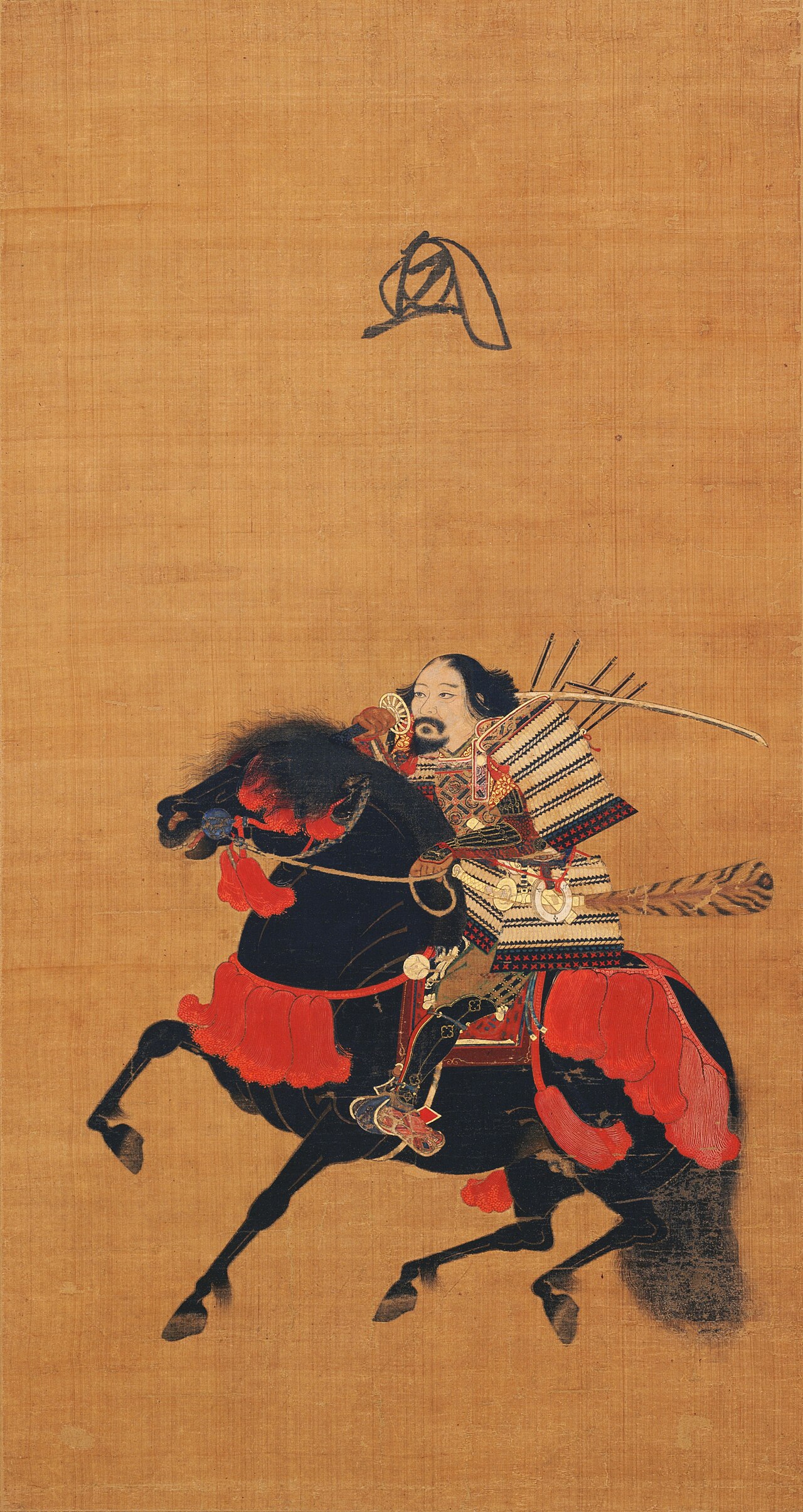 Painting
Primary source
Mounted Warrior
14th century
Secondary source
Jinnō Shōtōki
Kitabatake Chikafusa · 1339 (written 1338–1341)
 Painting
Primary source
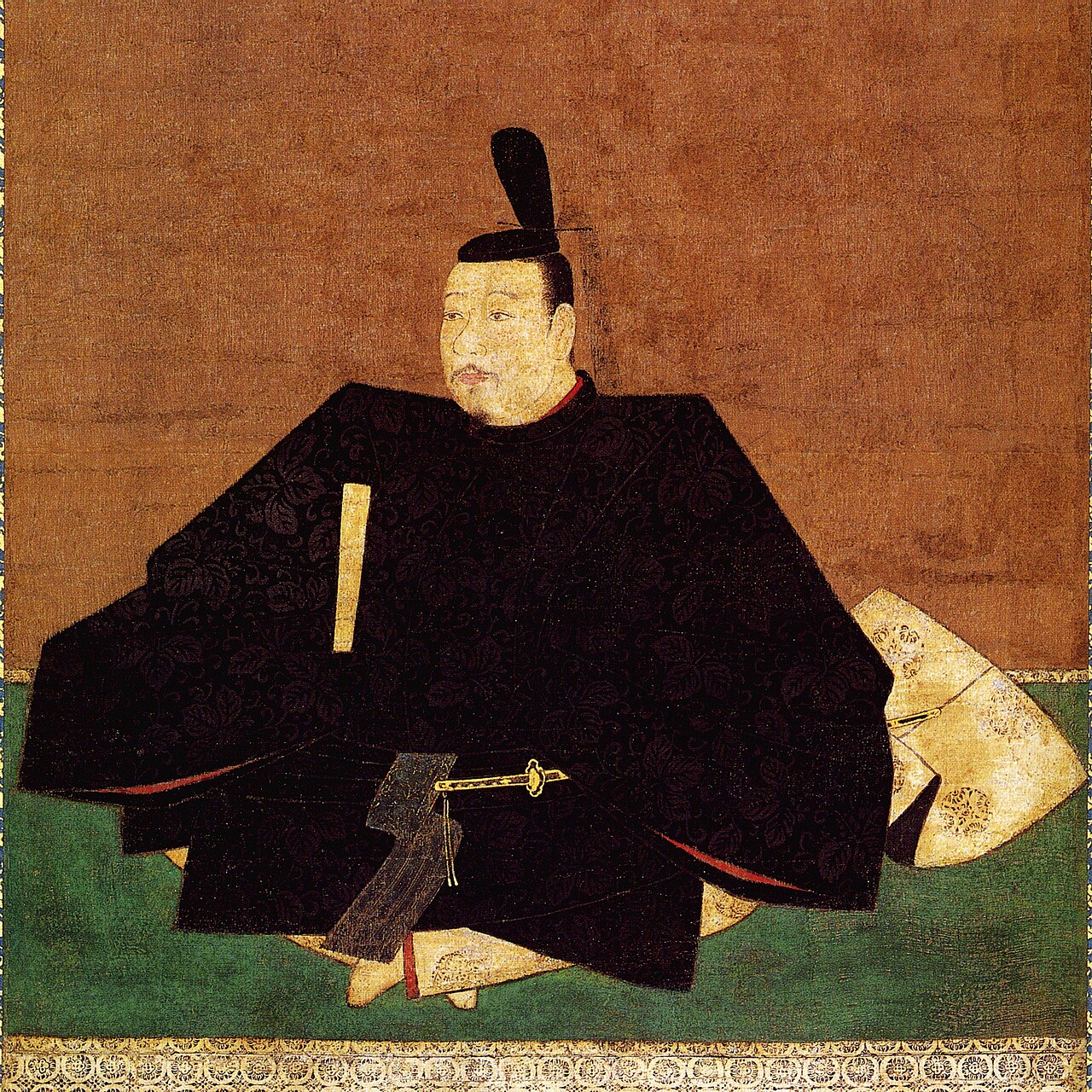
Portrait of Ashikaga Takauji
 Document
Primary source
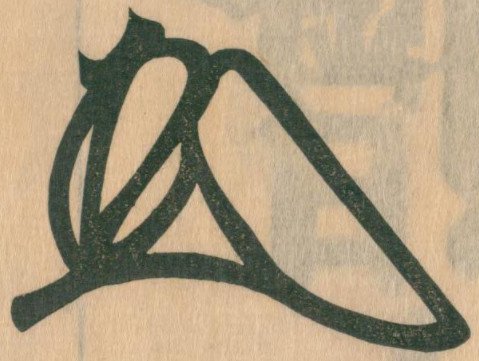
Signature of Ashikaga Takauji
Ashikaga Takauji

Free account
Read every Ashikaga Takauji source
Sign up free →
Ready when you are
Start chatting with Ashikaga Takauji now.
20 messages free · No credit card · Available in 50+ languages.