


Secondary sourceSculpture26 July 2009 (photograph)
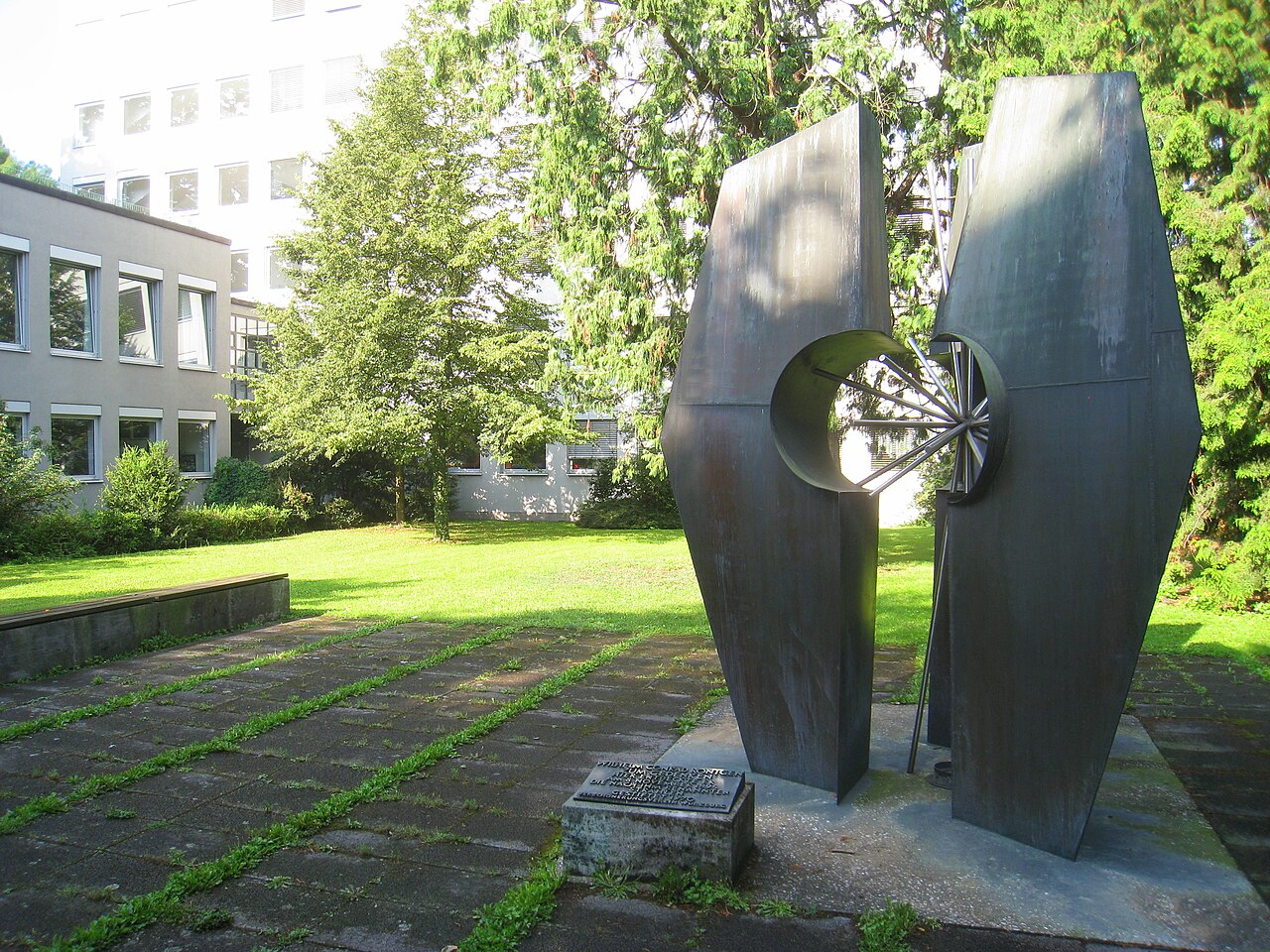
X-Ray Monument in Würzburg
26 July 2009 (photograph)
A pair of abstract bronze sculptures in Würzburg, the city where Röntgen discovered X-rays, commemorating that discovery.
A monument in Würzburg, the city where Röntgen made his discovery of X-rays, commemorating that achievement.
About this source
What it is
This photograph shows an abstract monument in Würzburg, the German city where Röntgen worked and made his discovery of X-rays. The sculptures are made of dark bronze and stand in a garden plaza. The photograph was taken in 2009 by Daderot.
Why it matters
The monument marks the significance of Würzburg as the location of Röntgen's groundbreaking discovery, which transformed medicine by allowing doctors to see inside the human body for the first time. Public monuments like this reflect how cities commemorate scientific achievements connected to their history.
Look closer
- Why might the artist have used a circular shape with a spoked wheel-like element to represent X-rays?
- What does the choice to build a monument in Würzburg tell us about the importance of place in scientific history?
- How might this abstract artwork differ from a traditional statue in how it represents a scientific discovery?
This sculpture is part of the curated material that grounds the AI version of Wilhelm Röntgen on Humy.ai — when students ask about related events, the AI can quote it and cite it.
More Wilhelm Röntgen sources
Browse all 96 →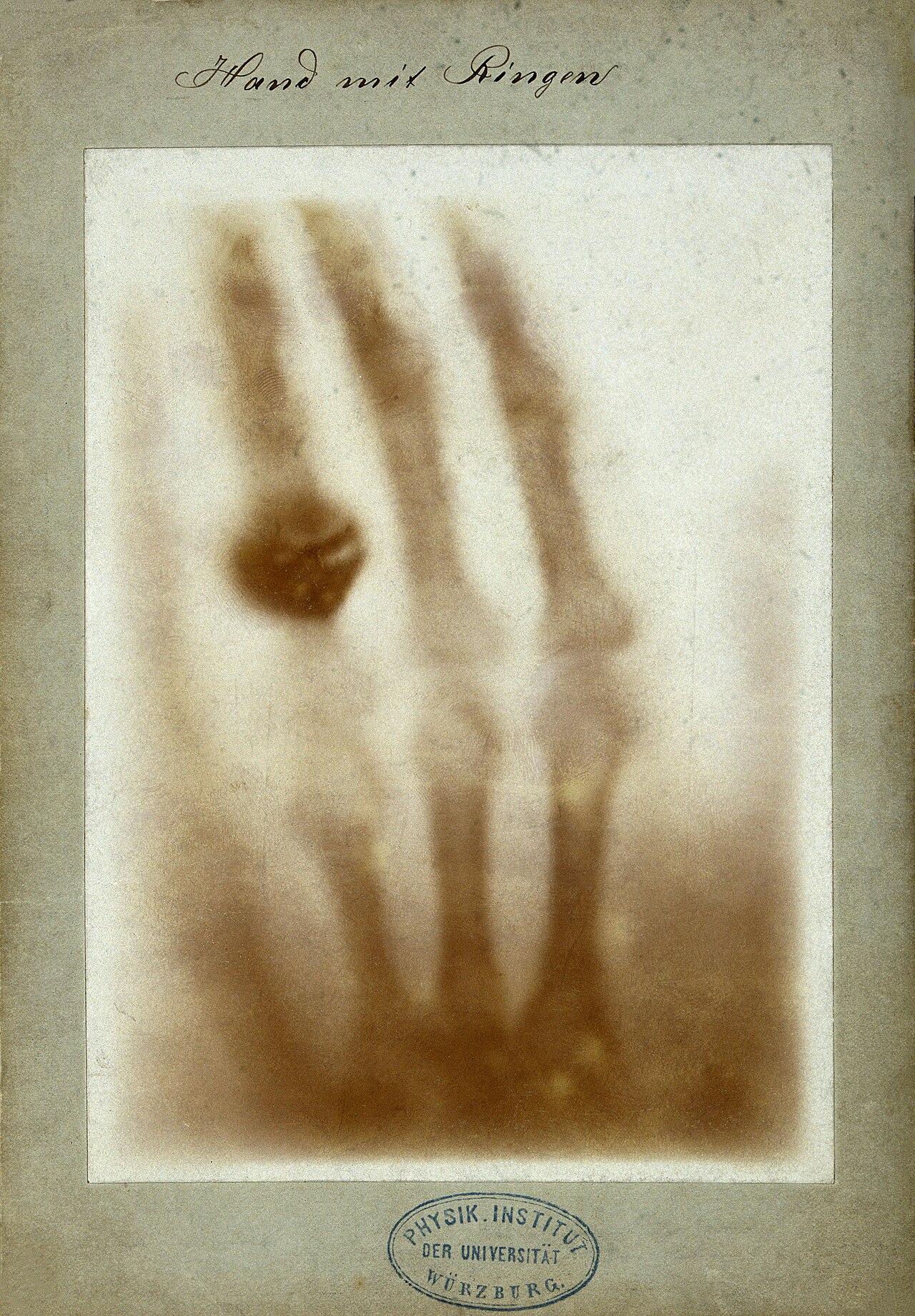 Photograph
Primary source
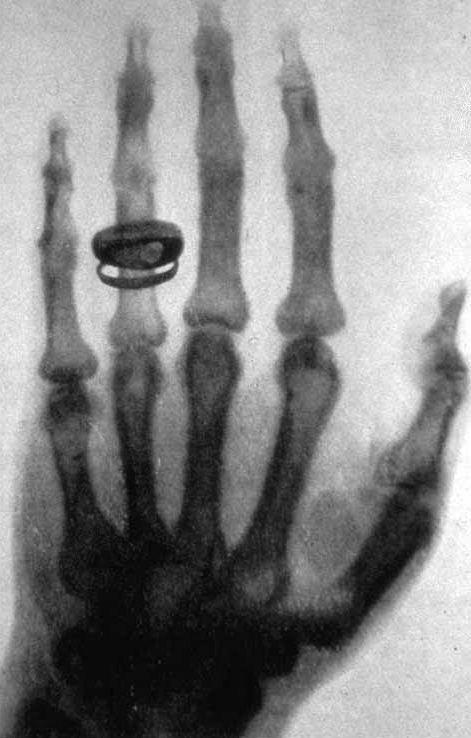
Hand with Rings
Wilhelm Röntgen · 22 December 1895
 Document
Primary source
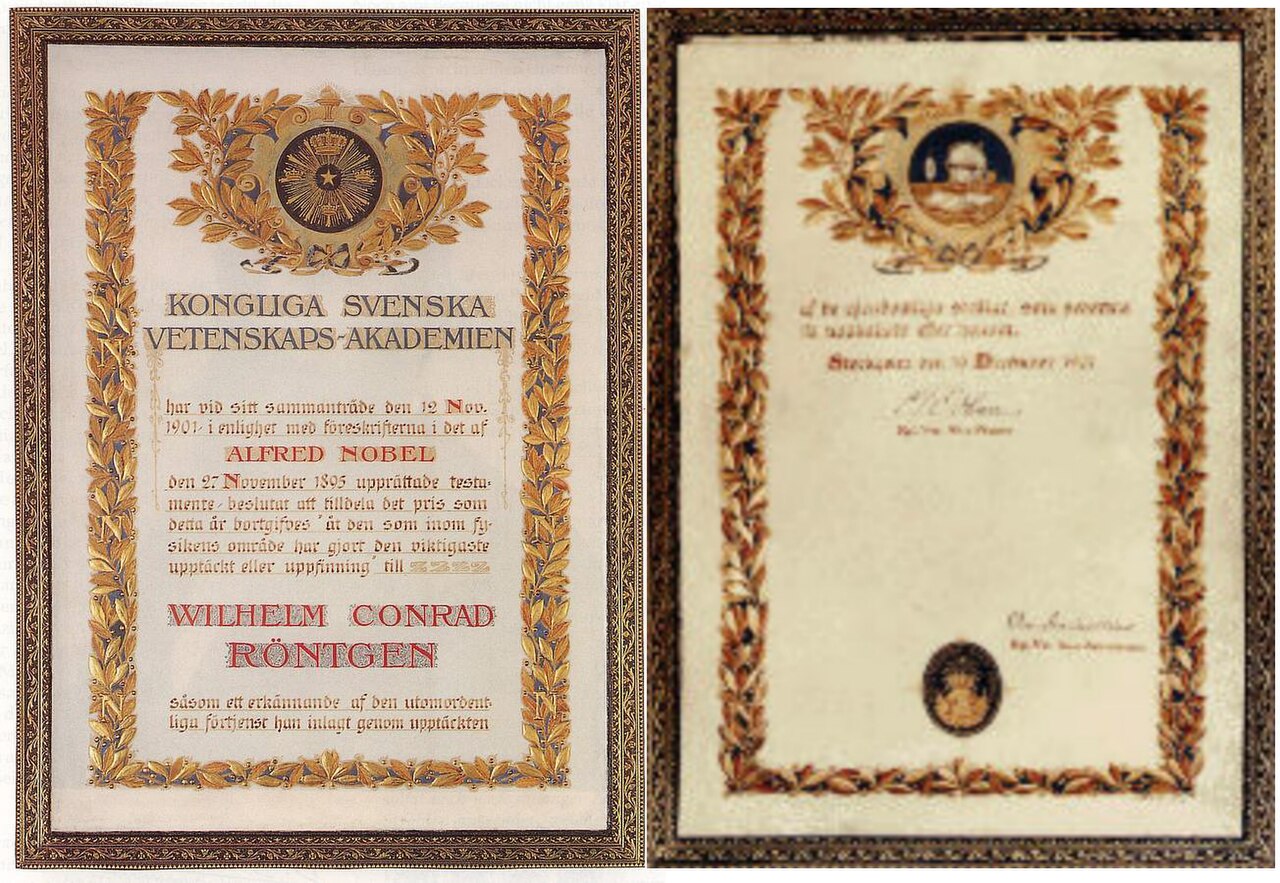
Nobel Prize Diploma of Wilhelm Conrad Röntgen
Sofia Gisberg · 12 November 1901
 Photograph
Primary source
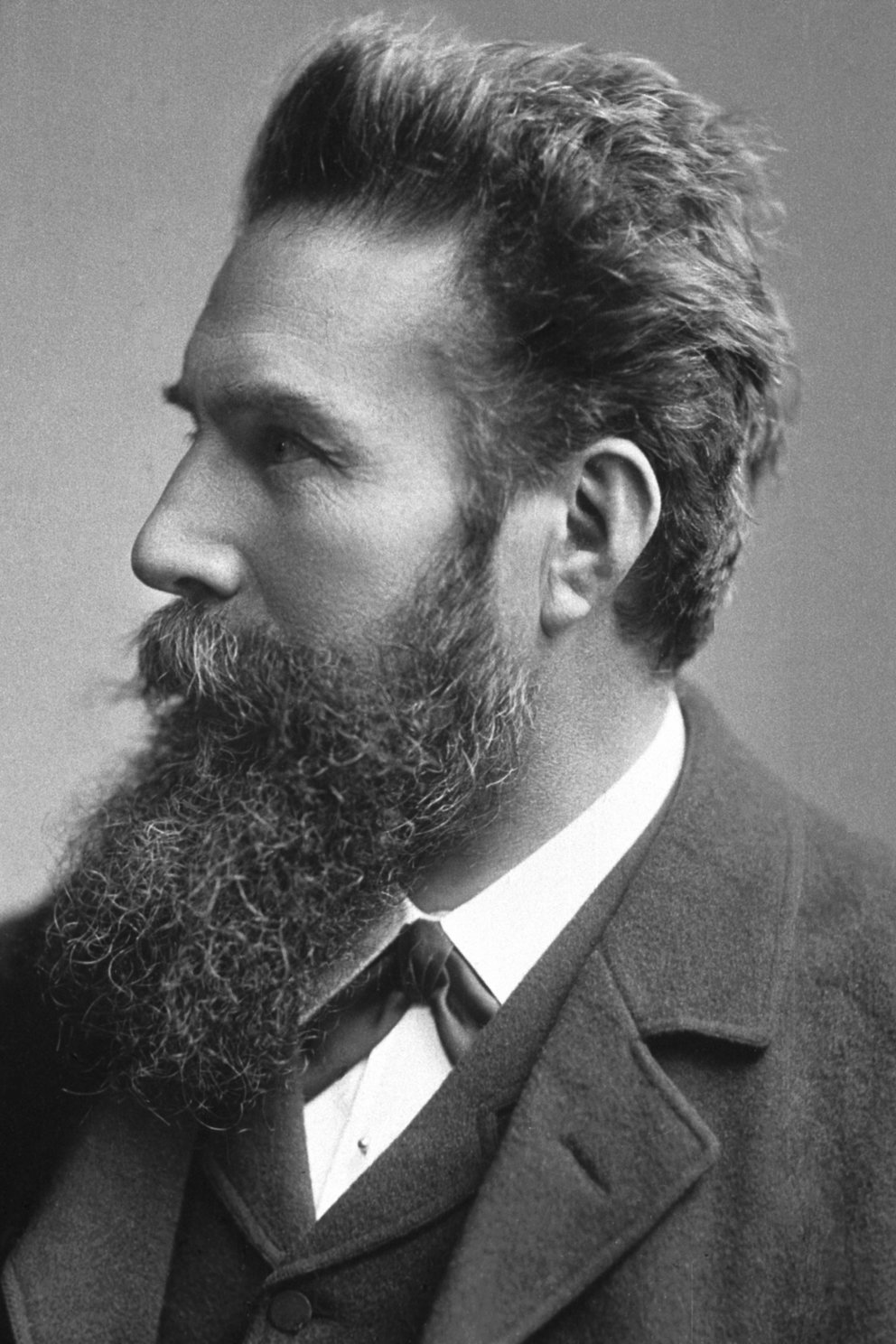
Wilhelm Röntgen
Nobel Foundation
 Artifact
Secondary source
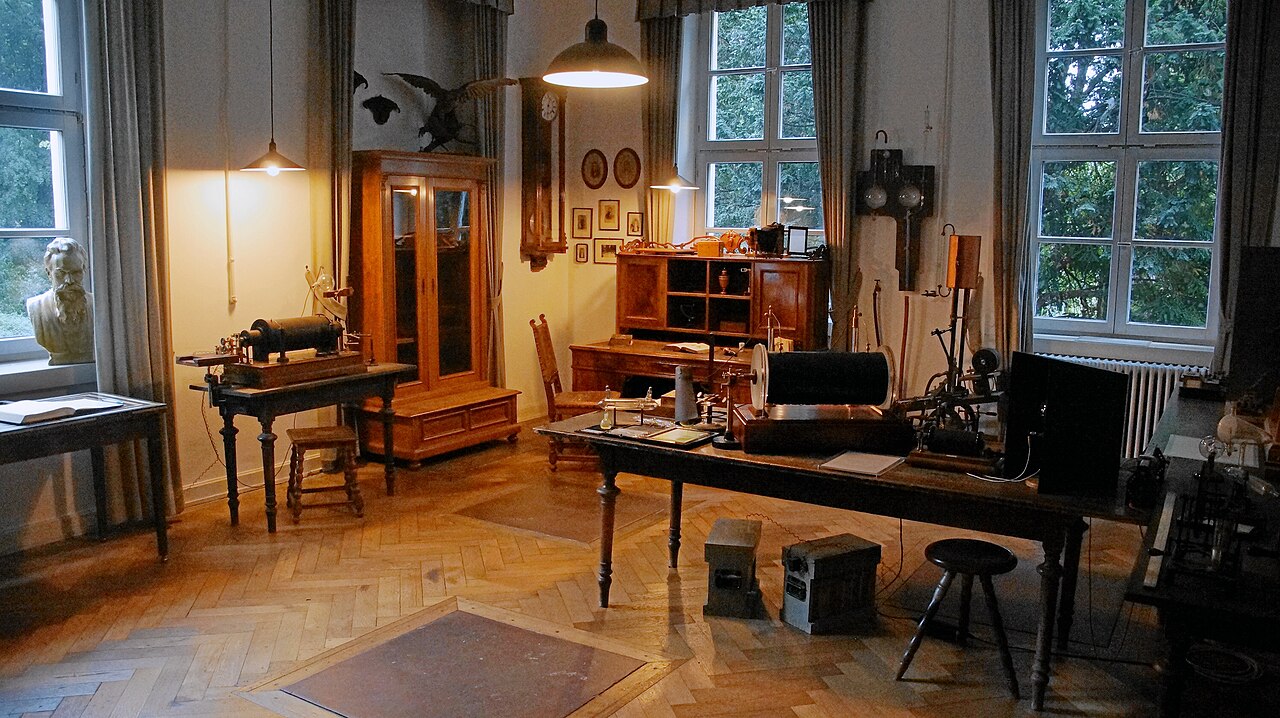
Röntgen Memorial Site, Würzburg
1981 (as heritage monument)
Free account
Read every Wilhelm Röntgen source
Sign up free →
Ready when you are
Start chatting with Wilhelm Röntgen now.
20 messages free · No credit card · Available in 50+ languages.