


Primary sourceBook1926
X-Rays and Electrons
Arthur H. Compton · 1926
Compton's own 1926 book explaining his research into X-ray scattering, the work behind his discovery of the Compton effect.
Compton's own book explaining the research behind his Nobel Prize-winning discovery of the Compton effect.
Free Humy account · No credit card · 53,307 sources to read
About this source
What it is
This is a book written by Arthur H. Compton and published in 1926 by D. Van Nostrand Company. It lays out recent theories about X-rays, based on Compton's own research into how X-rays interact with electrons.
Why it matters
This book captures Compton's explanation of the discovery that later became known as the Compton effect, showing that light can behave like a particle when it collides with electrons. This idea helped confirm the particle nature of radiation and was part of the research that led to his Nobel Prize.
Look closer
- Why might a scientist write a book explaining his own discovery to other researchers?
- What does the preface suggest about what scientists in the 1920s still did not know about atoms and radiation?
- How might this book differ from how the same ideas are explained in a modern textbook?
This book is part of the curated material that grounds the AI version of Arthur Compton on Humy.ai — when students ask about related events, the AI can quote it and cite it.
More Arthur Compton sources
Browse all 46 →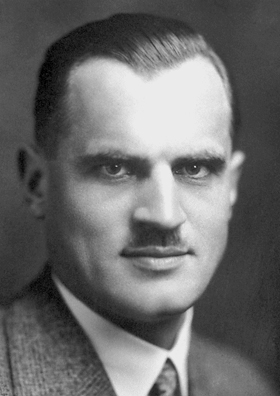 Photograph
Primary source
Arthur Compton
Nobel Foundation · 1927
 Photograph
Primary source
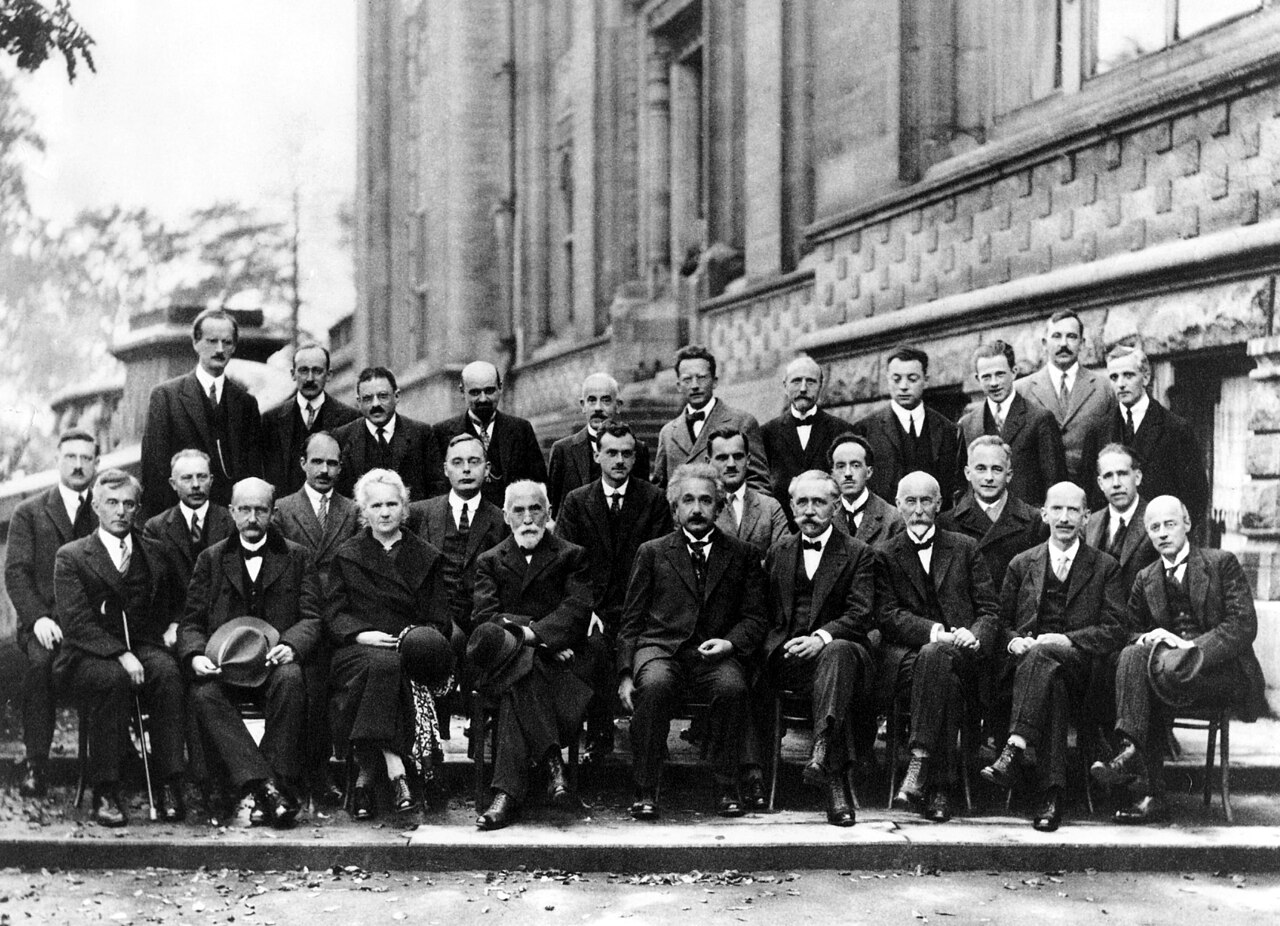
1927 Solvay Conference Group Photograph
Benjamin Couprie · 1927
 Document
Primary source
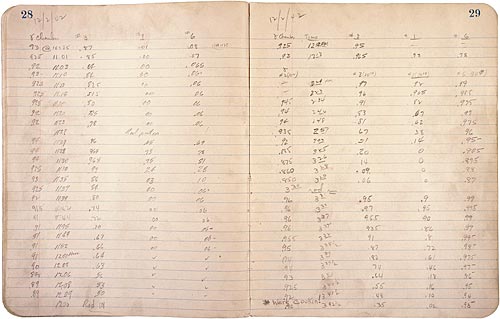
Manhattan Project Notebook
2 December 1942
 Photograph
Primary source
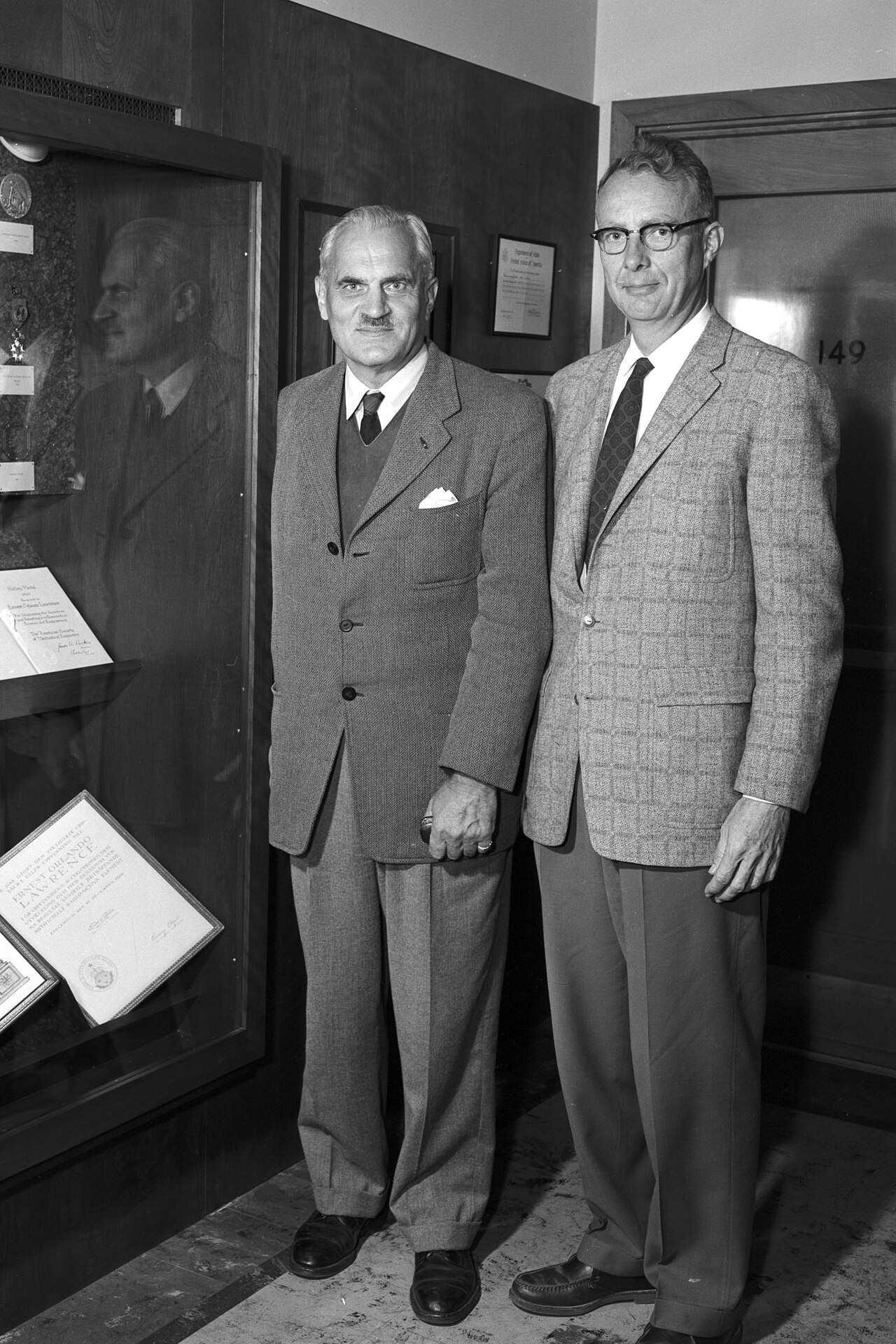
Arthur Compton and Luis Alvarez photographed by Donald Cooksey
Donald Cooksey · 12 November 1958
Free account
Browse every Arthur Compton source
Sign up free →
Ready when you are
Start chatting with Arthur Compton now.
20 messages free · No credit card · Available in 50+ languages.