


Primary sourceBook1934
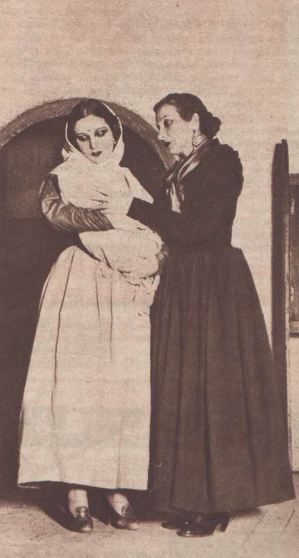
Yerma
Federico García Lorca · 1934
Lorca's 1934 'tragic poem' play about a childless woman whose desperate longing for motherhood ends in violence, which provoked attacks from conservatives at its premiere.
Lorca wrote this controversial play in 1934, reflecting his engagement with women's social roles.
Free Humy account · No credit card · 120,912 sources to read
About this source
What it is
A play by Federico García Lorca, written and first performed in 1934, which he called 'a tragic poem.' It tells the story of Yerma, a married woman consumed by her inability to have a child, and her strained relationship with her husband Juan.
The story follows Yerma's growing desperation over several years, her encounters with other women and men in the village, and ends when she kills Juan after realising he never wanted children.
Why it matters
The play's premiere provoked attacks from right-wing critics, showing how controversial Lorca's challenge to women's prescribed roles was in 1930s Spain. It reflects Lorca's recurring interest in the constraints placed on women by rural Spanish society and honour codes.
Look closer
- Why might Yerma's story have been seen as dangerous or provocative at the time?
- What does the reaction to the play tell us about attitudes toward women and motherhood in 1930s Spain?
- How does the ending complicate who the audience sympathises with?
This book is part of the curated material that grounds the AI version of Federico García Lorca on Humy.ai — when students ask about related events, the AI can quote it and cite it.
More Federico García Lorca sources
Browse all 87 →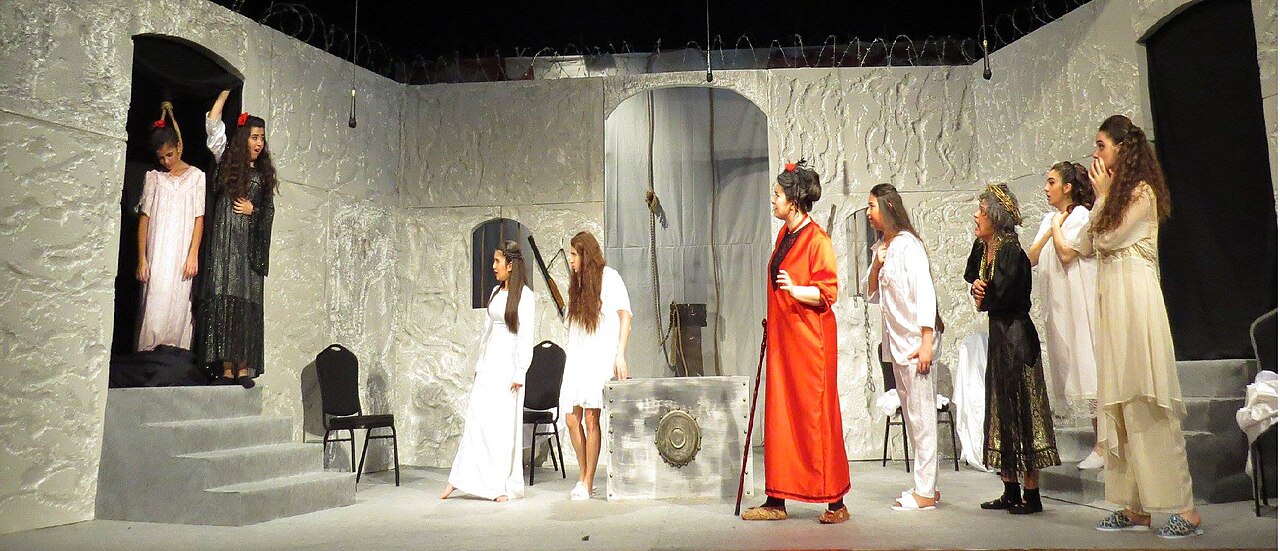 Book
Primary source
The House of Bernarda Alba
Federico García Lorca · 1936 (published 1947)
 Book
Primary source
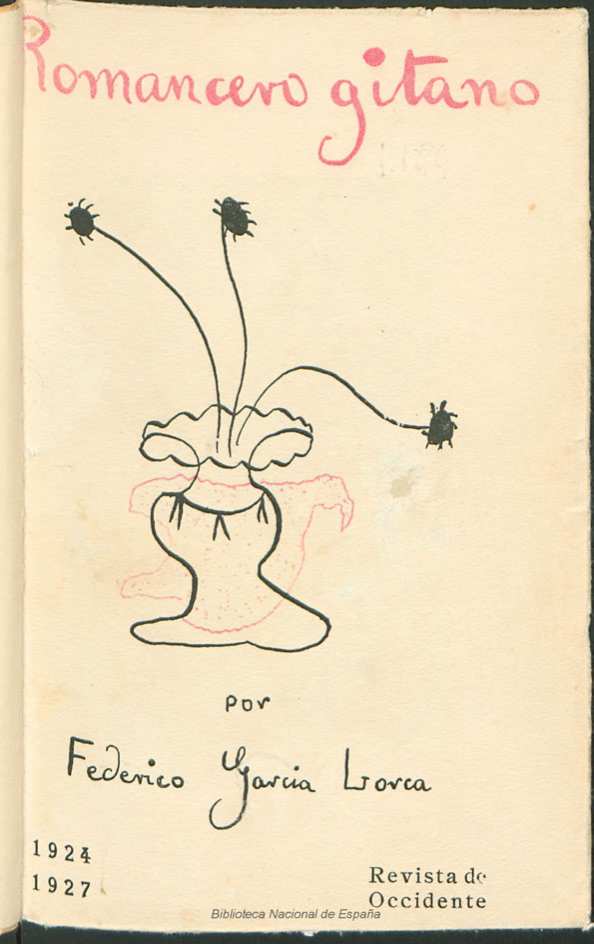
Romancero gitano
Federico García Lorca · 1928
Primary source
Canciones (1921-1924)
Federico García Lorca · 1927
 Photograph
Primary source
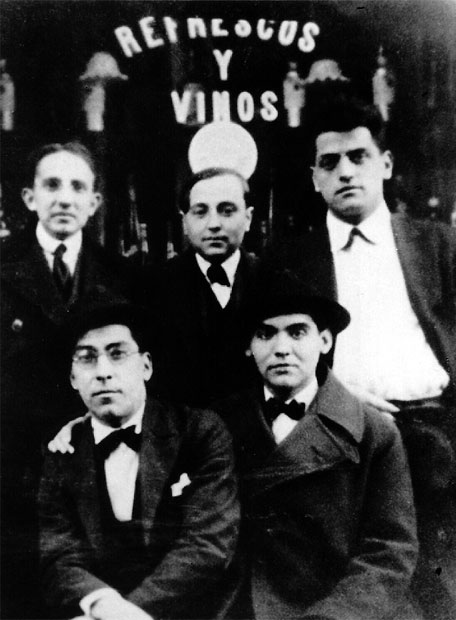
Benjamín Jarnés, Humberto Pérez de la Ossa, Luis Buñuel, Rafael Barradas y Federico García Lorca, Madrid, 1923
Unknown author · 1923
Free account
Read every Federico García Lorca source
Sign up free →
Ready when you are
Start chatting with Federico García Lorca now.
20 messages free · No credit card · Available in 50+ languages.